Letter recognition Alphabet Worksheets for 9-Year-Olds - Page 2
40 filtered results
-
From - To
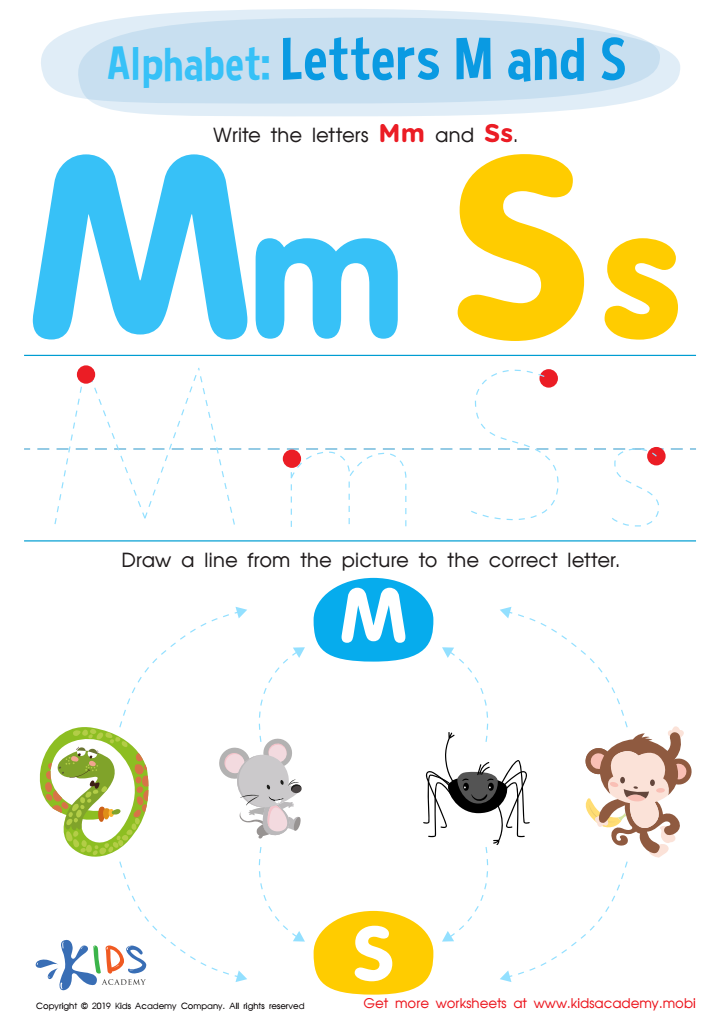
Letters M and S Tracing Worksheet
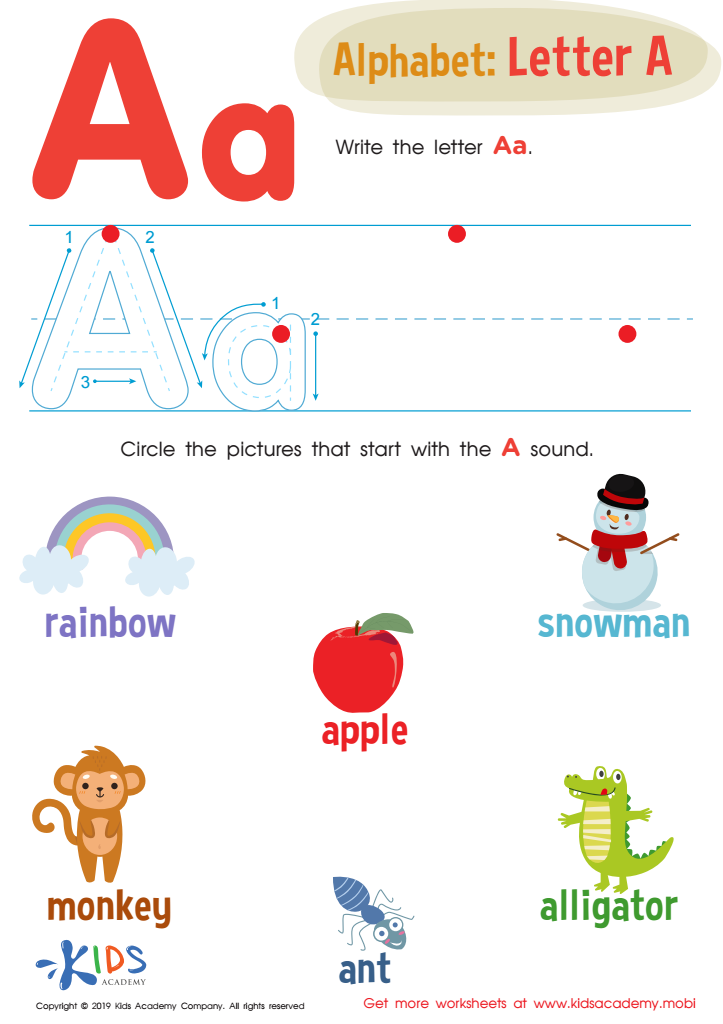
Letter A Tracing Worksheet
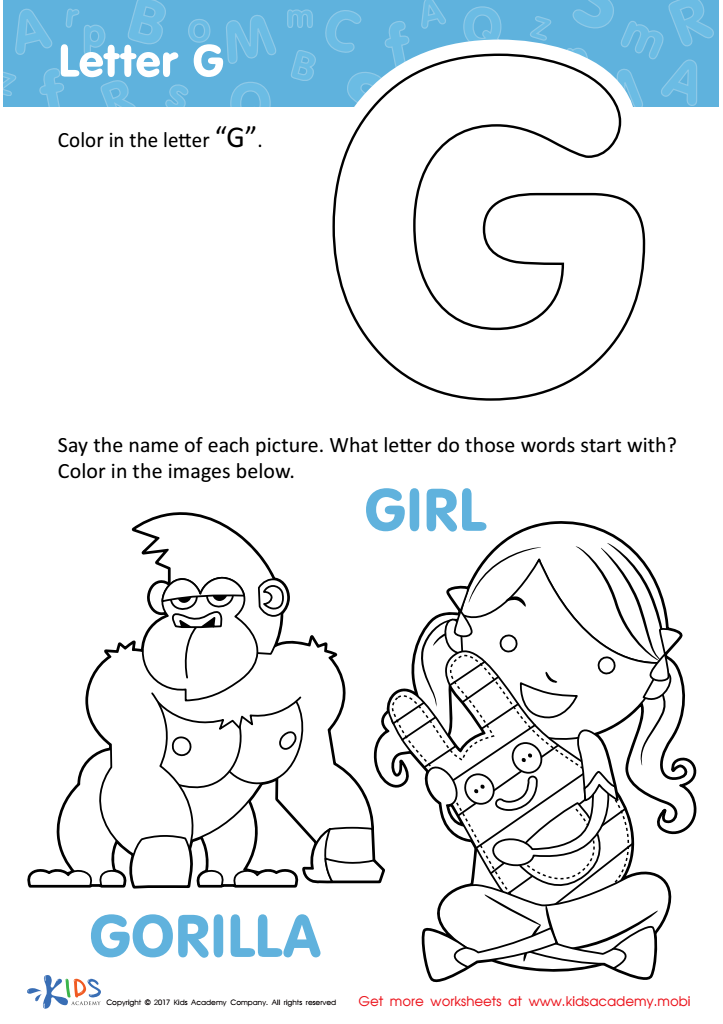
Letter G Coloring Sheet
 Assign to My Students
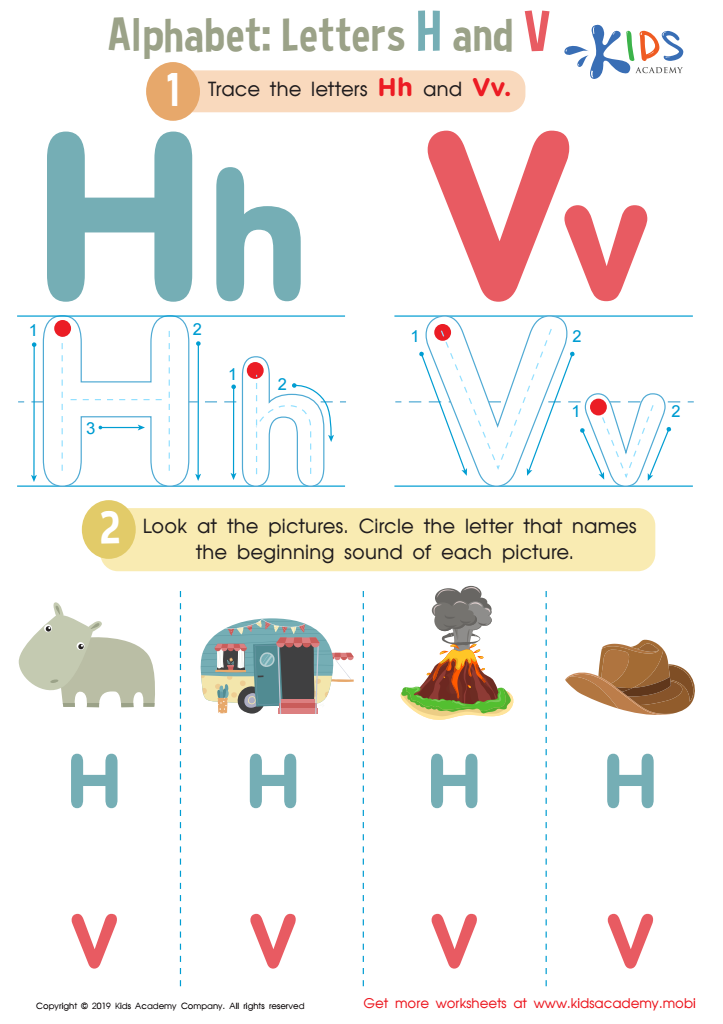
Letters H and V Tracing Worksheet
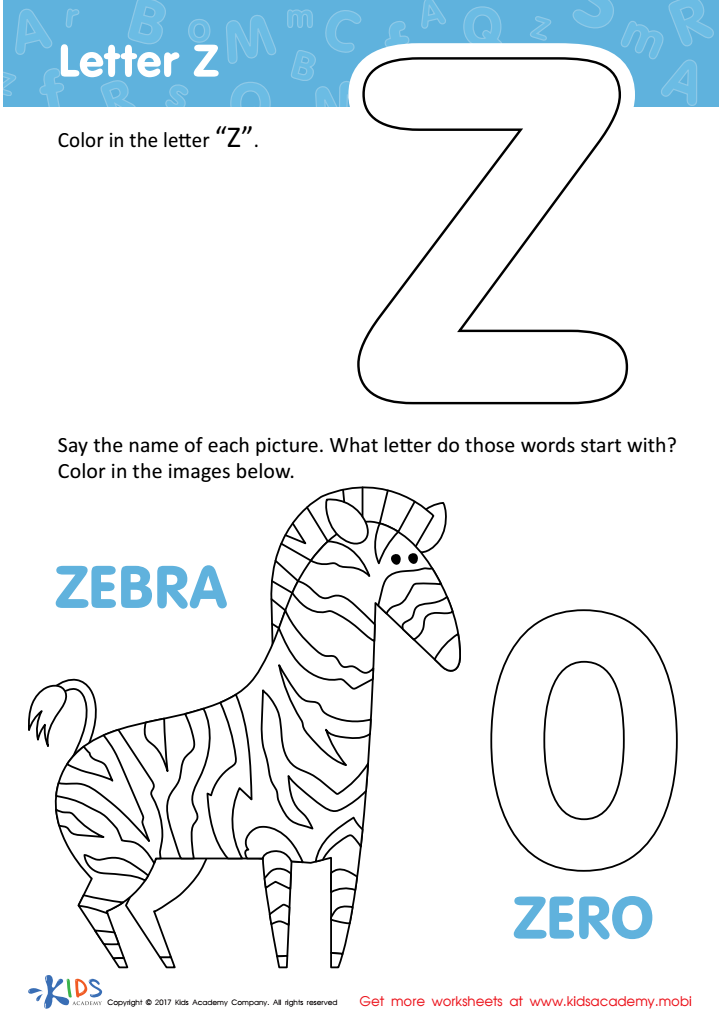
Letter Z Coloring Sheet
Assign to My Students
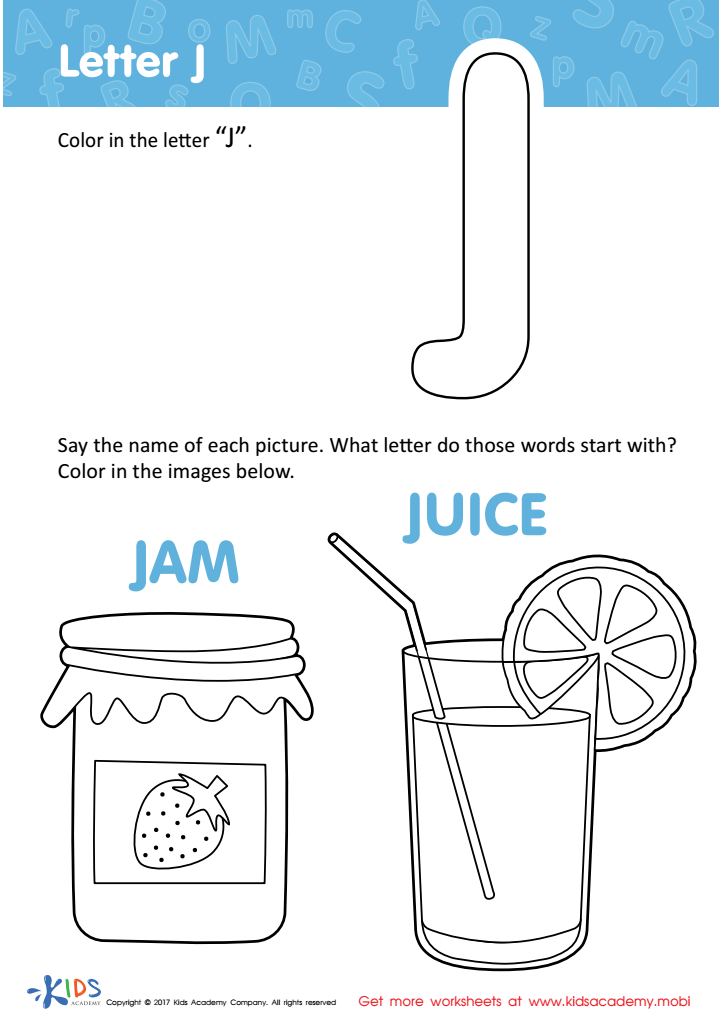
Letter J Coloring Sheet
Assign to My Students
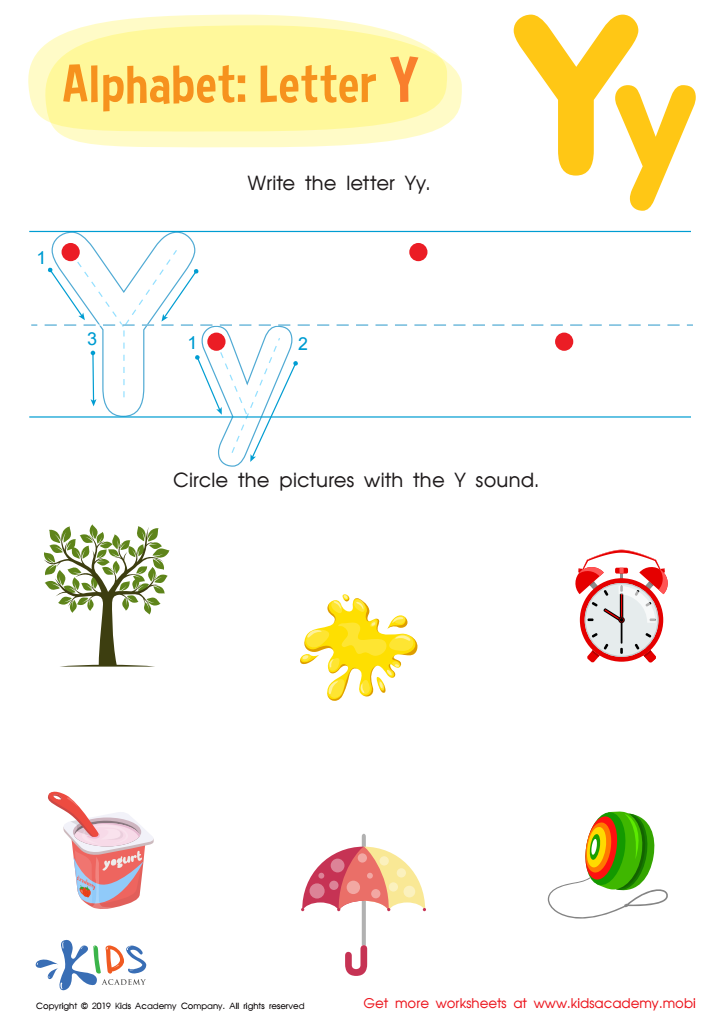
Letter Y Tracing Worksheet
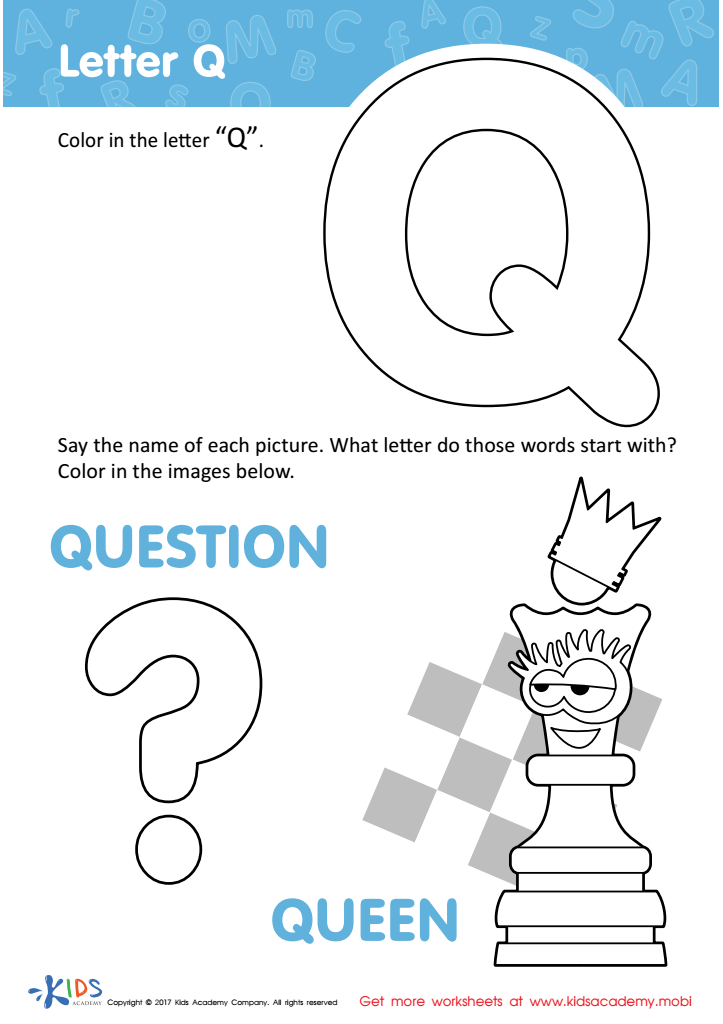
Letter Q Coloring Sheet
Assign to My Students
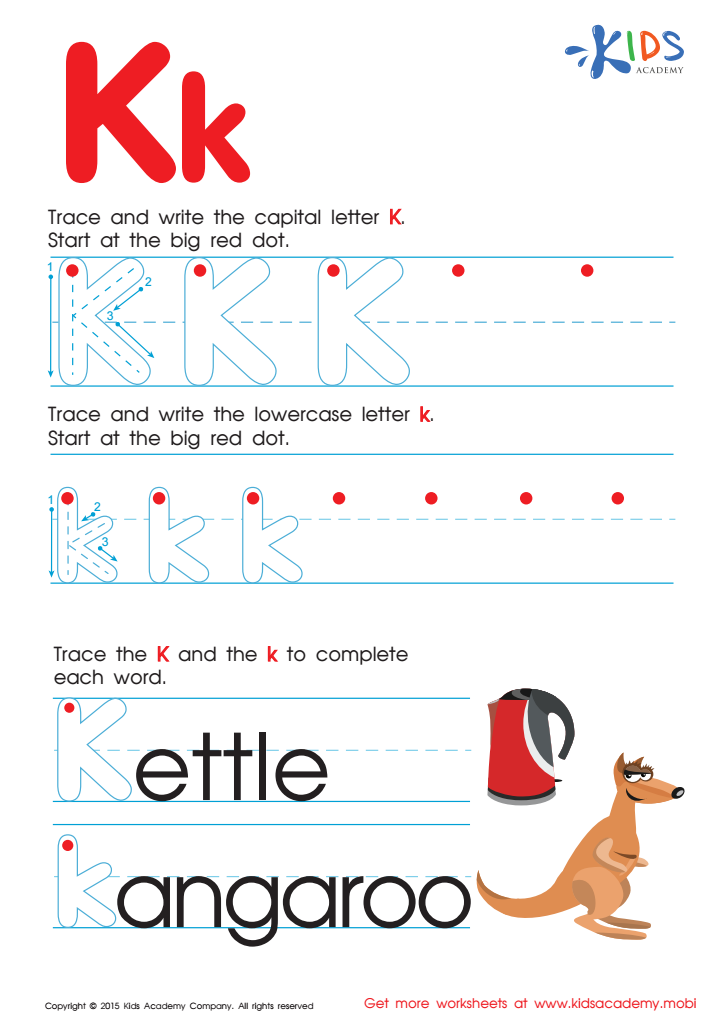
Letter K Tracing Page
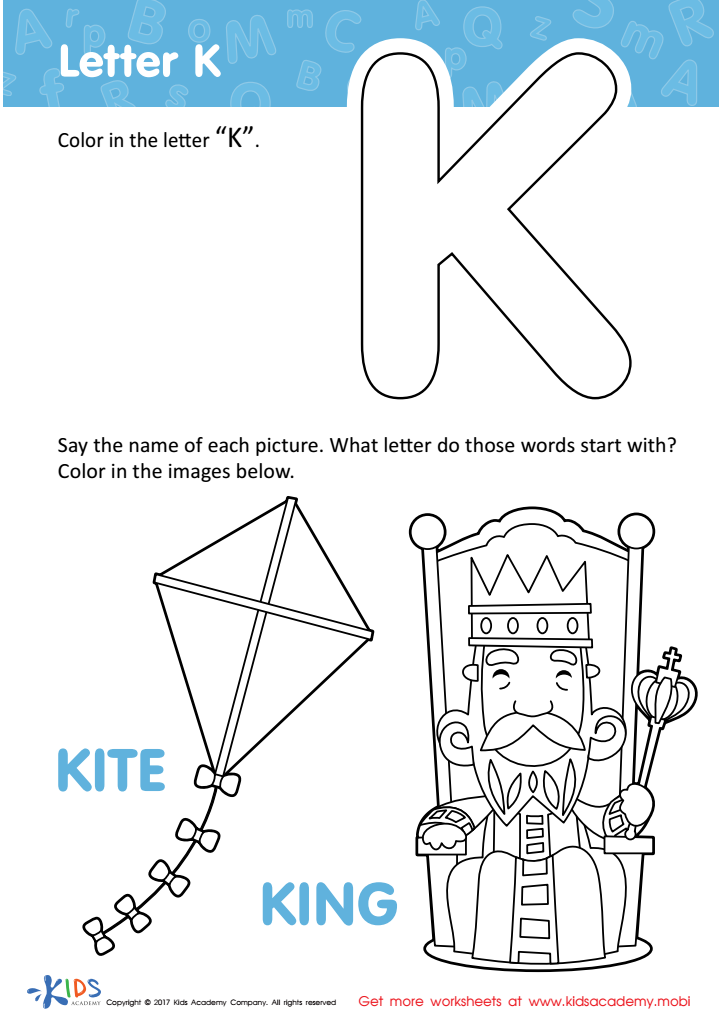
Letter K Coloring Sheet
Assign to My Students
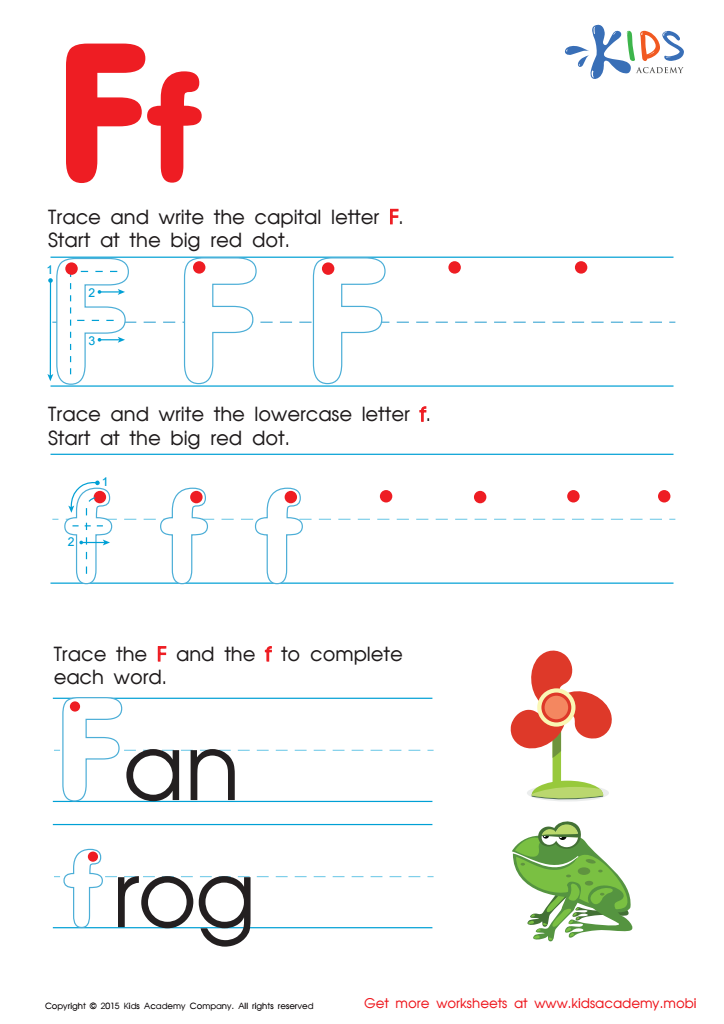
Letter F Tracing Page
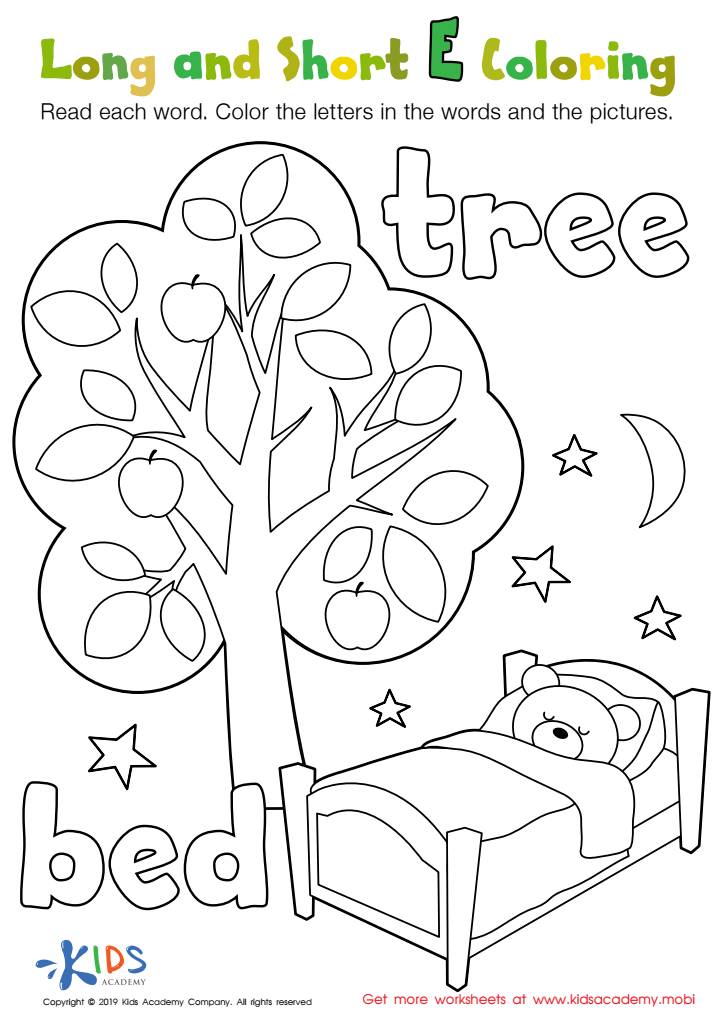
Long and Short E Worksheet
Assign to My Students
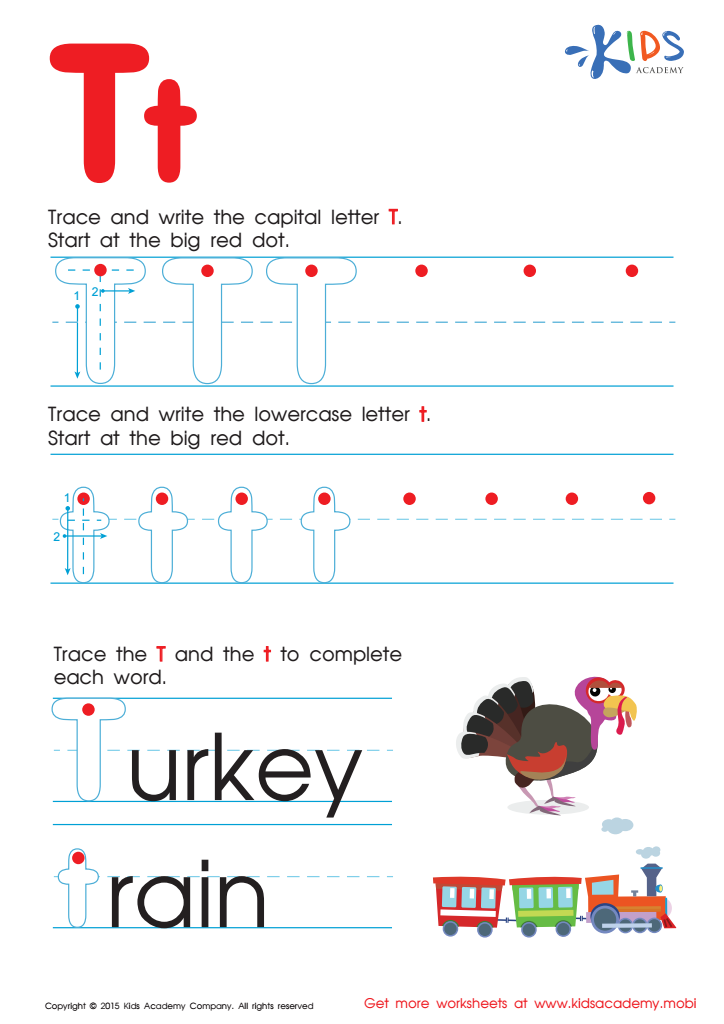
Letter T Tracing Page
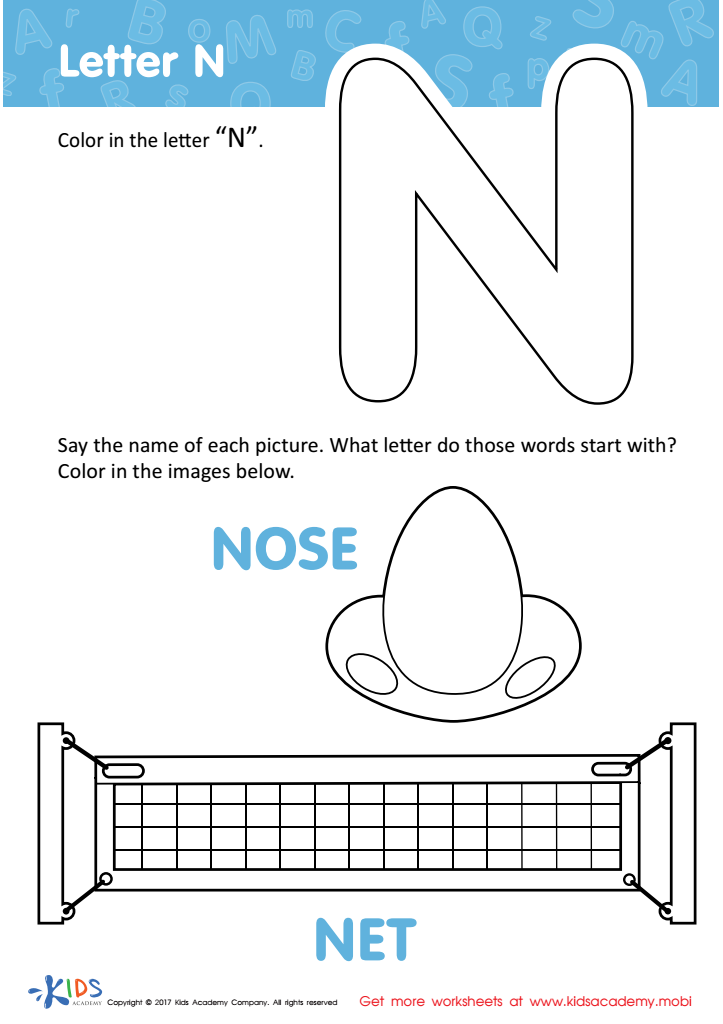
Letter N Coloring Sheet
Assign to My Students
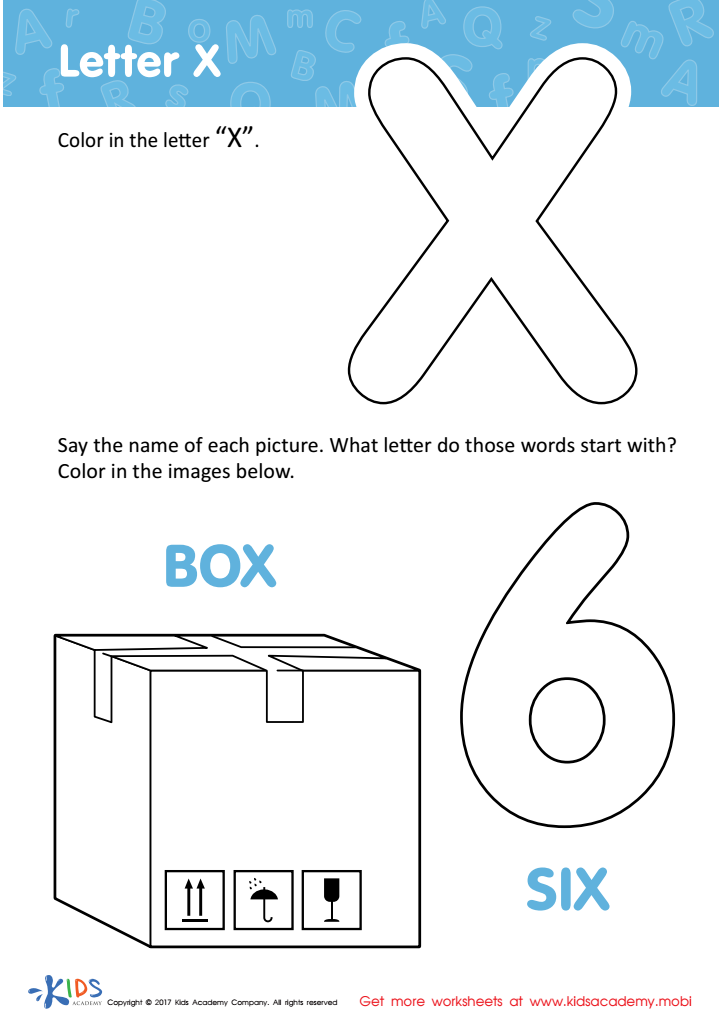
Letter X Coloring Sheet
Assign to My Students

Letter D Tracing Page



.jpg)




Letter recognition is a fundamental skill for 9-year-olds, serving as a cornerstone for literacy development. At this age, children transition from learning to read to reading to learn, making letter recognition critical. When children can quickly identify letters, they can decode words, which enhances their reading fluency and comprehension.
Parents and teachers should care about this skill because it fosters confidence and independent learning. Mastery of the alphabet allows children to tackle new texts with ease, aiding in their academic performance across subjects—especially in language arts. Moreover, letter recognition contributes to strong spelling and writing capabilities, essential tools for effective communication.
Additionally, focusing on letter recognition can help identify any learning difficulties early on. Interventions can be introduced to support children who need extra assistance, ensuring that they stay on track with their peers. Furthermore, understanding the connection between letter recognition and broader literacy skills can help educators create more targeted and engaging learning experiences.
Ultimately, prioritizing letter recognition not only enriches a child's educational journey but also equips them with the skills necessary for lifelong reading and learning. Involving parents and educators in this process cultivates a supportive environment that values early literacy development.







