Letter Tracing Practice English for Beginners Worksheets for 9-Year-Olds
3 filtered results
-
From - To
Enhance your child's writing skills with our "Letter Tracing Practice English for Beginners Worksheets" tailored for 9-year-olds! Perfect for developing fine motor skills, these worksheets offer engaging letter tracing activities that make learning fun and effective. Designed to support English language acquisition, each worksheet helps beginners recognize letters while promoting proper handwriting techniques. These resources can aid in building confidence in young learners as they familiarize themselves with uppercase and lowercase letters. Whether at home or in the classroom, our worksheets are a fantastic tool for enhancing literacy skills. Download now and watch your child flourish in their writing journey!
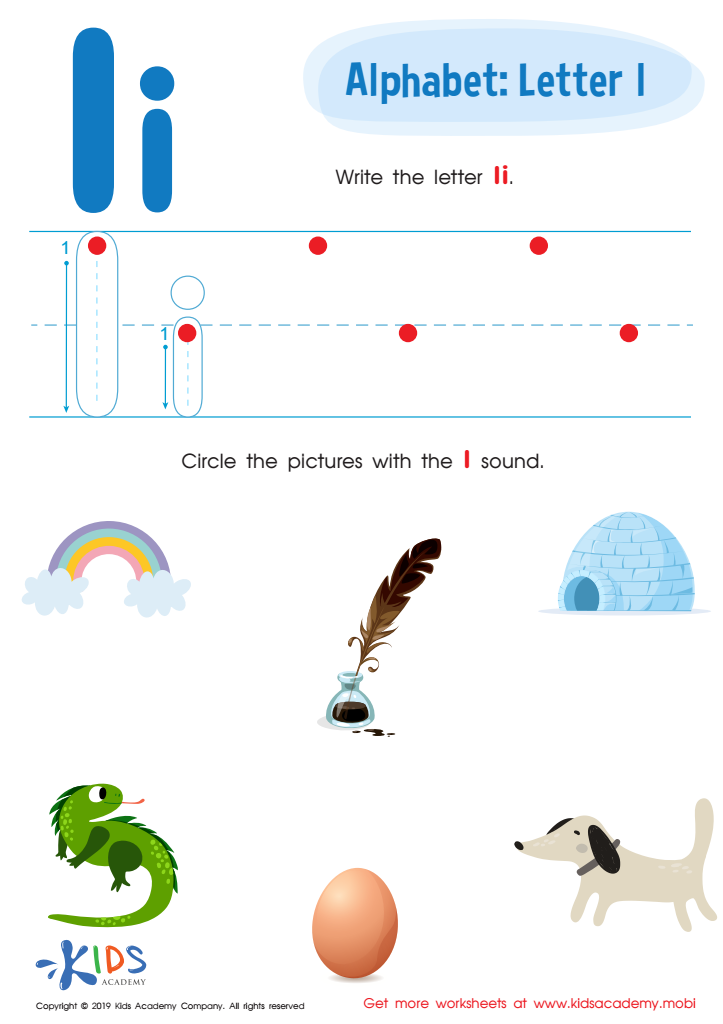
Letter I Tracing Worksheet
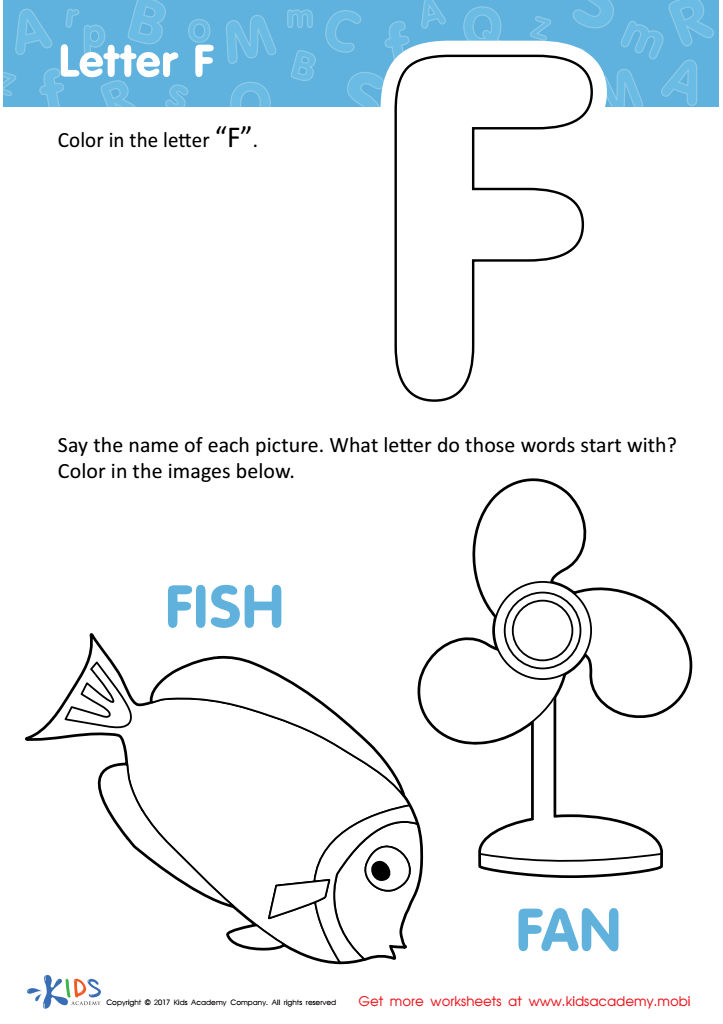
Letter F Coloring Sheet
 Assign to My Students
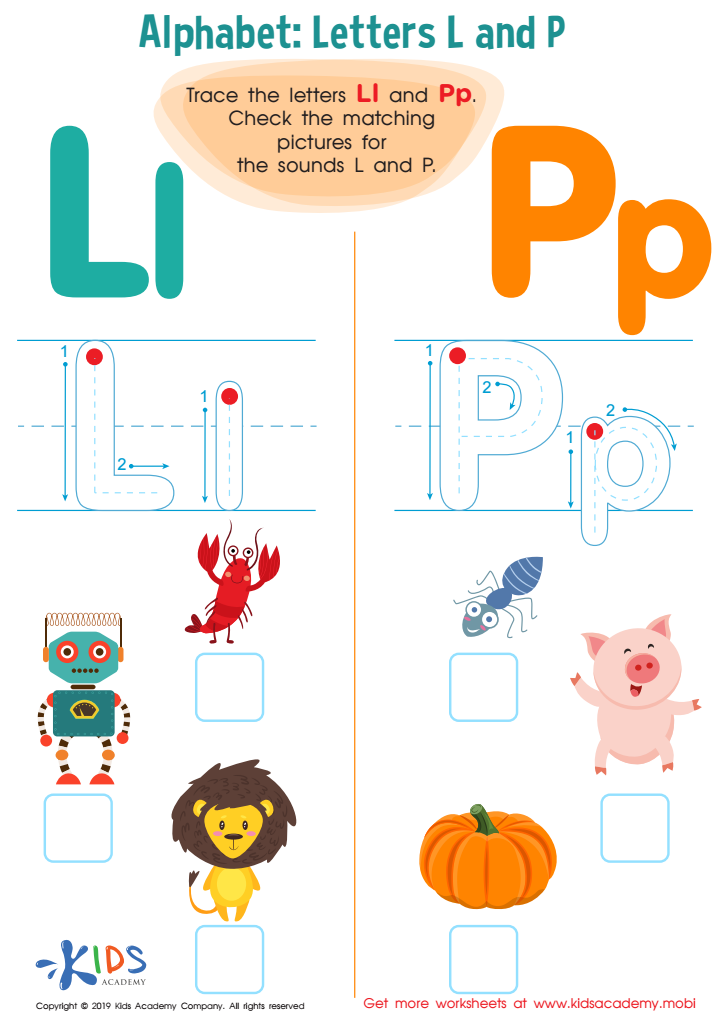
Letter L and P Tracing Worksheet





Letter tracing practice is an essential skill for 9-year-olds that fosters both literacy and fine motor development. For parents and teachers, emphasizing traceable letters helps young learners build a fundamental understanding of written language. At this age, children are refining their handwriting and gaining confidence in their ability to express themselves through writing. Regular tracing reinforces letter recognition, helping children identify and differentiate between similar letters, a critical skill for reading and comprehension.
Moreover, engaging in letter tracing supports cognitive functions such as memory and attention. By holding a pencil and following the outlined letters, children practice coordination and control, which are vital for more complex writing tasks in the future. This practice eliminates the frustration that can come with early writing, making it enjoyable and less daunting.
Additionally, consistent tracing can be a valuable communication tool, enabling educators and parents to provide positive feedback and encouragement. As children master their letters, they feel a sense of accomplishment, boosting their motivation to write and explore language further. Investing time in letter tracing practice lays a solid foundation for literacy skills, making it an important focus for developing young learners into proficient readers and writers.