Vocabulary Building English for Beginners Worksheets for 9-Year-Olds
4 filtered results
Difficulty Level
Grade
Age
-
From - To
Subject
Activity
Standards
Enhance your 9-year-old's English vocabulary with our engaging vocabulary-building worksheets designed specifically for beginners! Perfect for young learners, these interactive resources feature fun activities that make learning new words enjoyable and effective. Each worksheet focuses on essential vocabulary skills, helping children understand word meanings, usage, and context. Whether at home or in the classroom, our worksheets encourage creativity and critical thinking, providing a solid foundation for language development. With bright illustrations and age-appropriate challenges, these worksheets are an ideal way to build confidence and inspire a love for learning English. Start your child’s vocabulary journey today!
Favorites
With answer key
Interactive
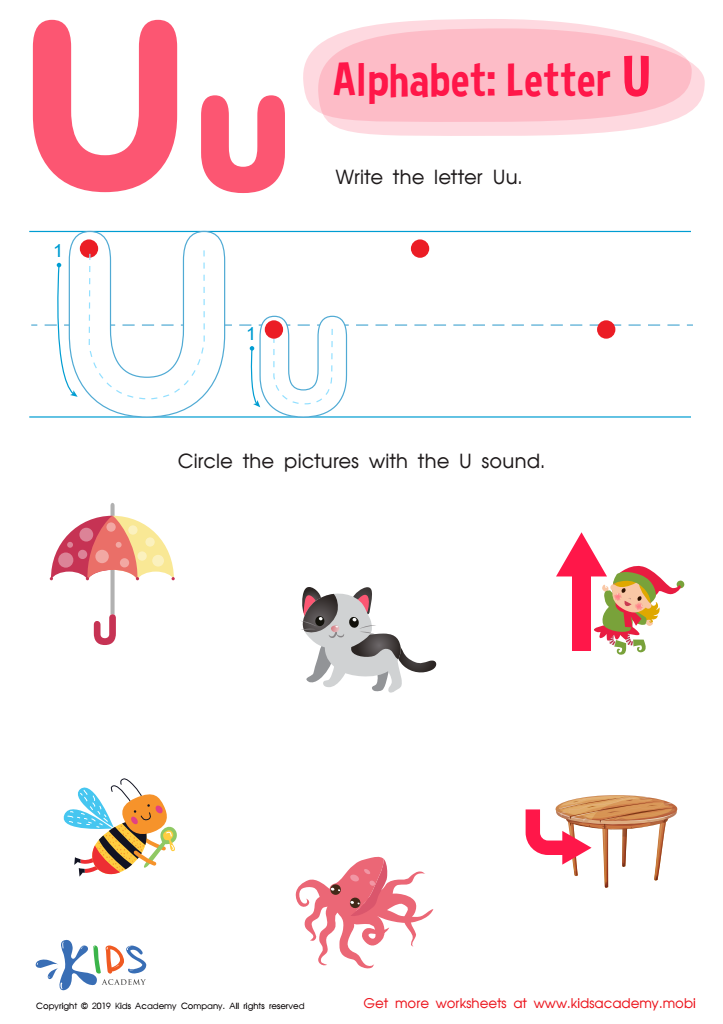
Letter U Tracing Worksheet
Your students can have fun and learn about the alphabet with this letter «U» worksheet. Pre-schoolers will trace the letter «U», circle words with the letter sound, and learn phonics while boosting their confidence. Doing these tasks will help them understand the letter more.
Letter U Tracing Worksheet
Worksheet
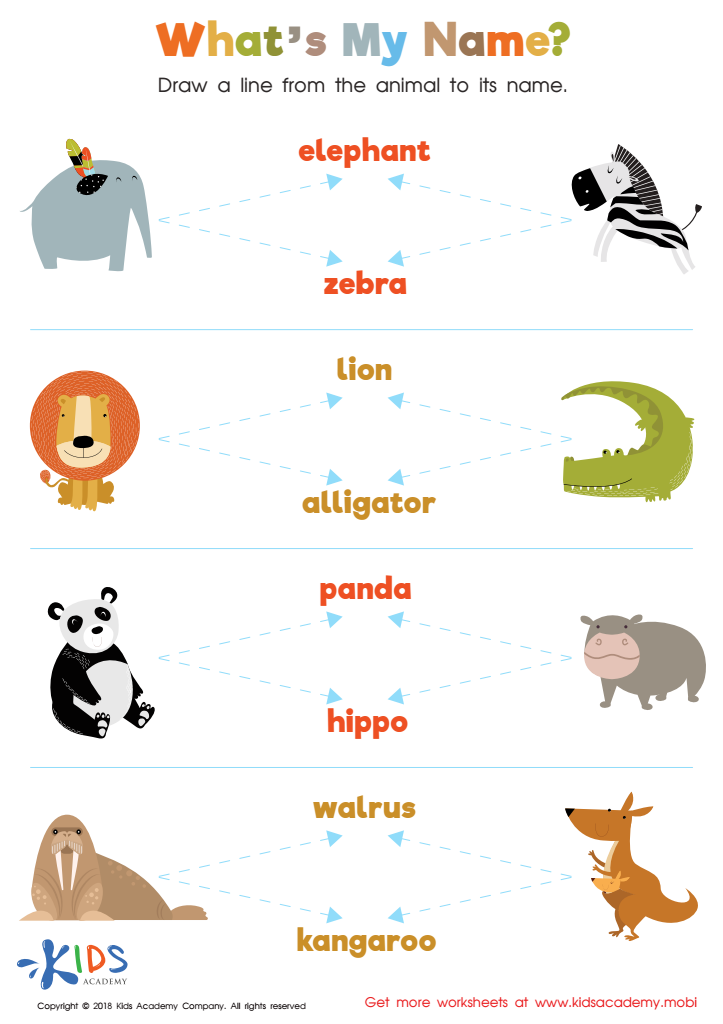
Animals and Their Names Worksheet
Match animals with their names with this worksheet! Draw a line from the word to its picture. Say the name of each animal. Later, search for these animals at the zoo - great for reinforcing learning!
Animals and Their Names Worksheet
Worksheet
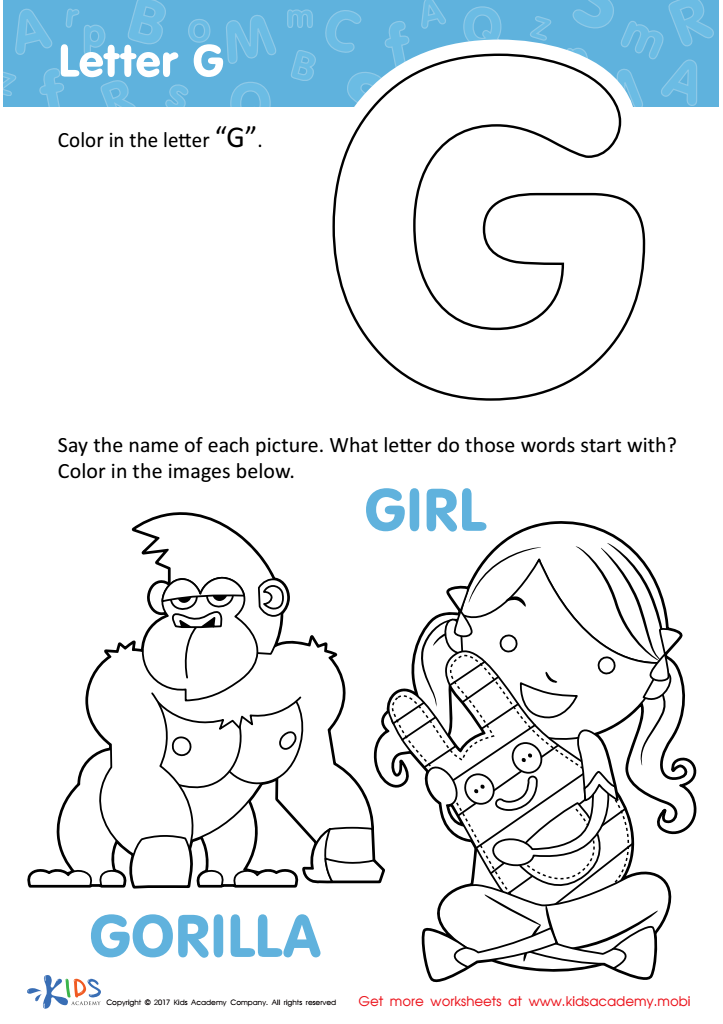
Letter G Coloring Sheet
This "G" coloring page encourages creativity and teaches kids the letter "G" sound. With its fun visuals and familiar words, it's sure to excite your child. Plus, you can talk about the letter’s sound with the pictures given.
Download (PDF)
 Assign to My Students
Assign to My Students
Letter G Coloring Sheet
Worksheet
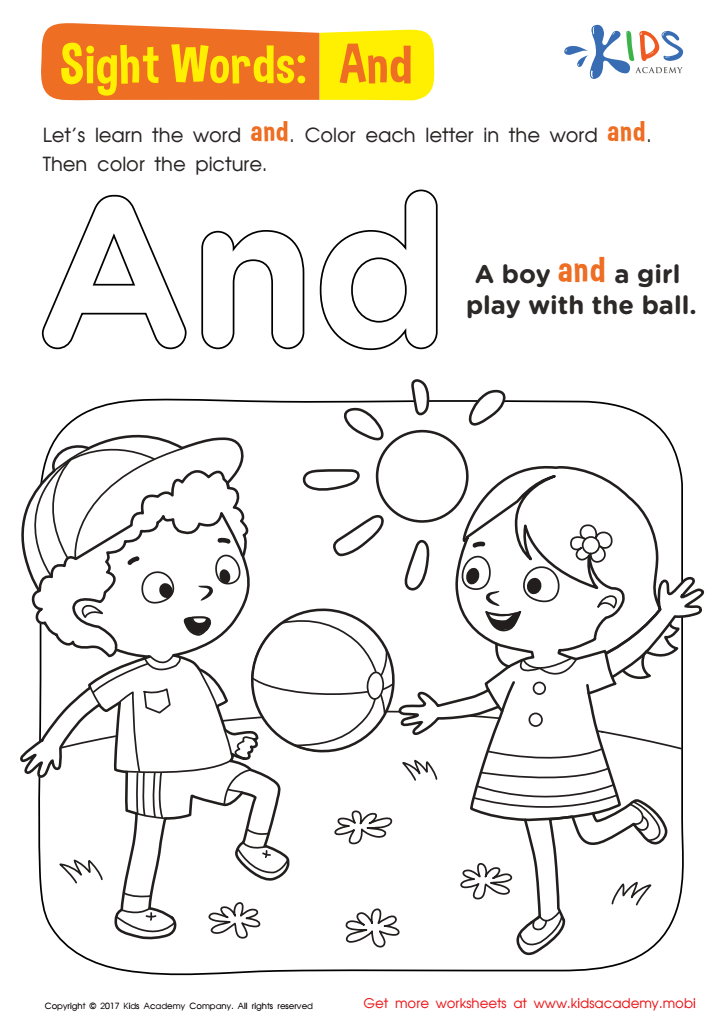
And Worksheet Sight Words Worksheet
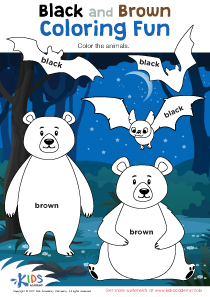
Help your child get a jumpstart on reading with sight words! Print out this fun worksheet and get your child to read the sentence. Point out the word "and", then color the word and enjoy the rest of the scene! It's a great way to introduce sight words and get their early reading skills going!
Download (PDF)
Assign to My Students
Assign to My Students
And Worksheet Sight Words Worksheet
Worksheet
Join Kids Academy for Free
Who is primarily going to use this learning content?




Vocabulary building is crucial for 9-year-olds, as it lays the foundation for reading, writing, and effective communication. Parents and teachers should prioritize vocabulary development for several reasons. First, a robust vocabulary enhances a child's reading comprehension. As children encounter unfamiliar words in texts, a strong vocabulary enables them to understand context, improving their overall learning and academic success.
Second, vocabulary plays a significant role in self-expression. At this age, children are becoming more articulate and are beginning to form their own opinions about the world. The ability to express thoughts and feelings clearly helps them build confidence and fosters positive social interactions.
Additionally, a rich vocabulary is linked to critical thinking skills. When children learn new words, they also learn to categorize, analyze, and make connections between concepts. This cognitive development is essential for problem-solving and creativity.
Moreover, early vocabulary skills can have long-term benefits. Research indicates that vocabulary knowledge in early stages significantly predicts later literacy success and academic achievement. By investing in vocabulary-building activities—whether through reading together, engaging in discussions, or utilizing educational games—adults can equip children with the language skills necessary for lifelong learning and success.