Alphabet Learning Worksheets for 9-Year-Olds
3 filtered results
-
From - To
Discover our engaging Alphabet Learning Worksheets designed specifically for 9-year-olds! Our activities are perfect for reinforcing letter recognition and phonics skills while making learning fun and interactive. Each worksheet combines colorful illustrations and innovative exercises to captivate young minds, helping them to master the alphabet in an enjoyable way. Ideal for homeschool settings, online learning, or supplementary classroom activities, these resources promote creativity and critical thinking. Give your child the tools they need to succeed in reading and writing with our thoughtfully crafted worksheets. Start exploring the world of letters today and watch your child's literacy skills flourish!
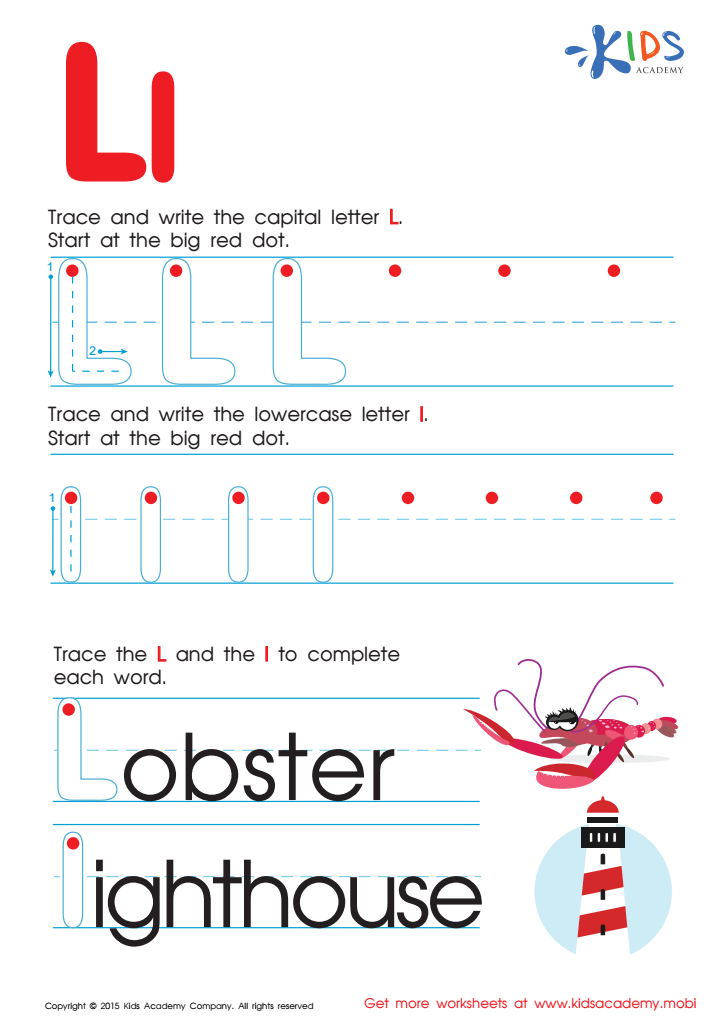
Letter L Tracing Page
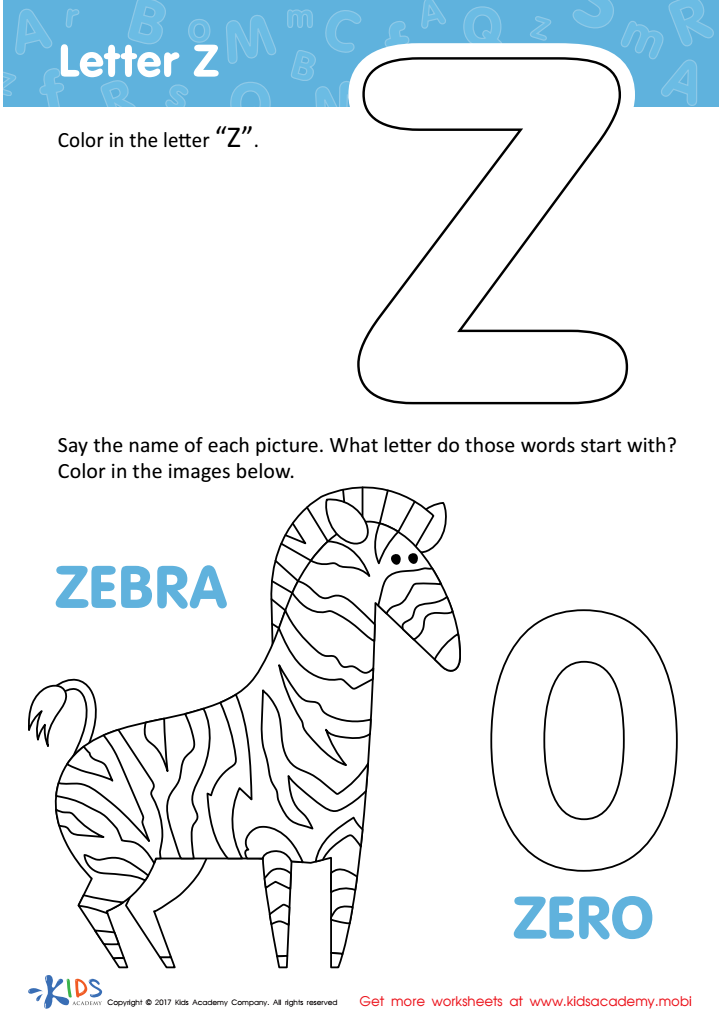
Letter Z Coloring Sheet
 Assign to My Students

Letter F Tracing Page





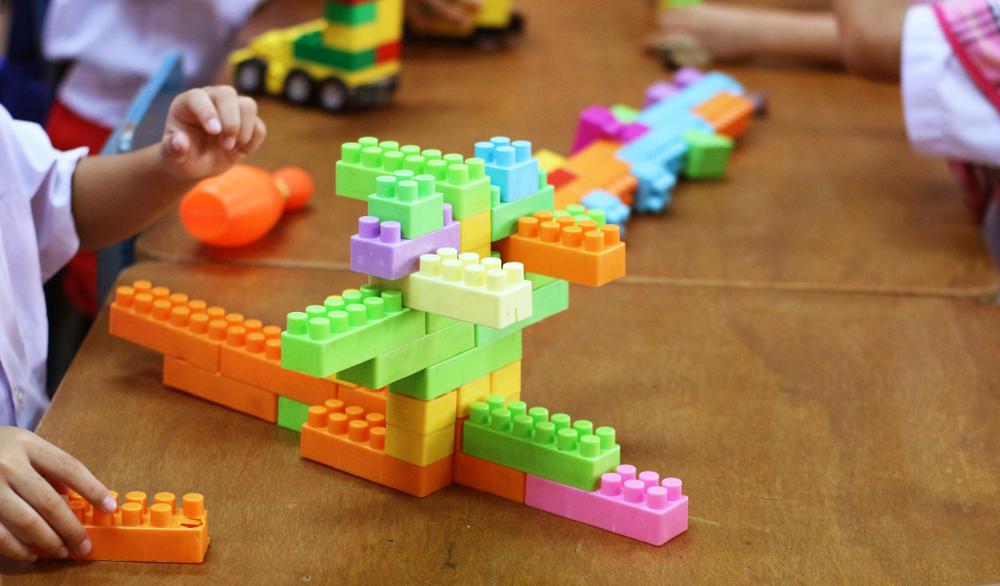
Alphabet learning may seem basic, but it is crucial for 9-year-olds as it serves as the foundation for literacy and overall academic success. At this age, students are transitioning from learning to read to reading to learn. Mastery of the alphabet enhances their decoding skills, allowing them to tackle more complex words and concepts across subjects. This foundational skill influences their ability to comprehend texts, follow instructions, and engage with a diversity of content, directly impacting their educational journey.
Furthermore, parents and teachers must recognize that alphabet learning extends beyond just identifying letters; it includes understanding phonetics, spelling, and vocabulary. Proficient alphabet skills promote confidence in young learners, reducing frustration and boosting engagement in reading activities. This age is also pivotal for encouraging a love for reading, which can last a lifetime.
Additionally, strong literacy skills are essential for effective communication. In an increasingly digital world, being able to read, write, and engage with information is vital for students’ future opportunities. Therefore, caregivers and educators should prioritize alphabet learning as a vital component of holistic education, ensuring children are equipped with the skills they need to thrive academically and beyond.








