Basic Math Skills Worksheets for 9-Year-Olds - Page 2
41 filtered results
-
From - To
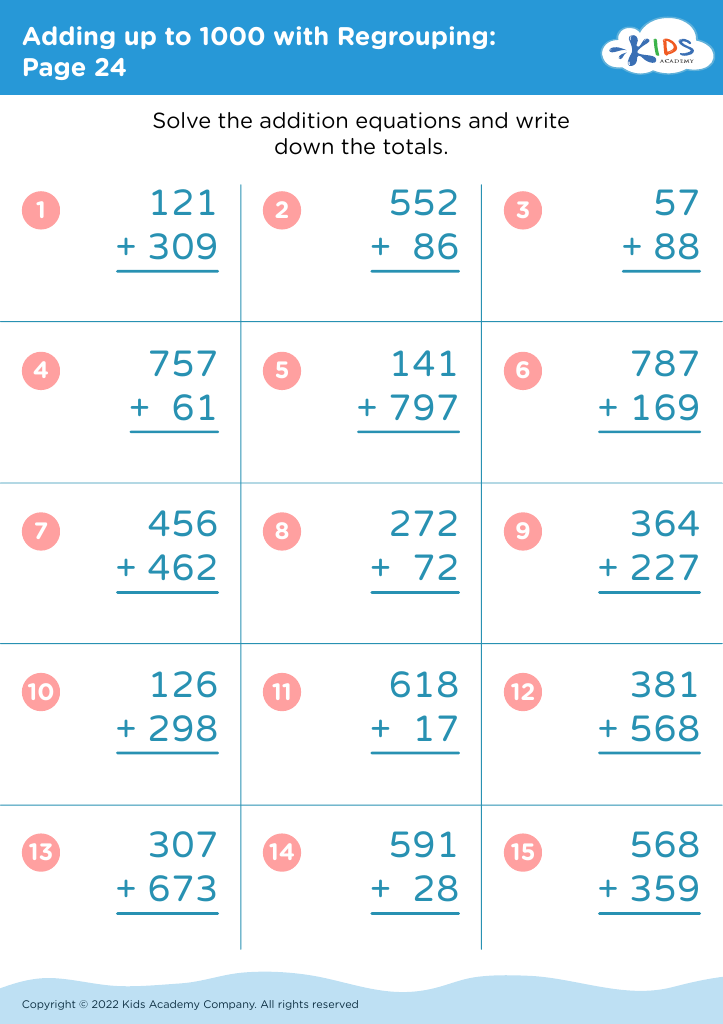
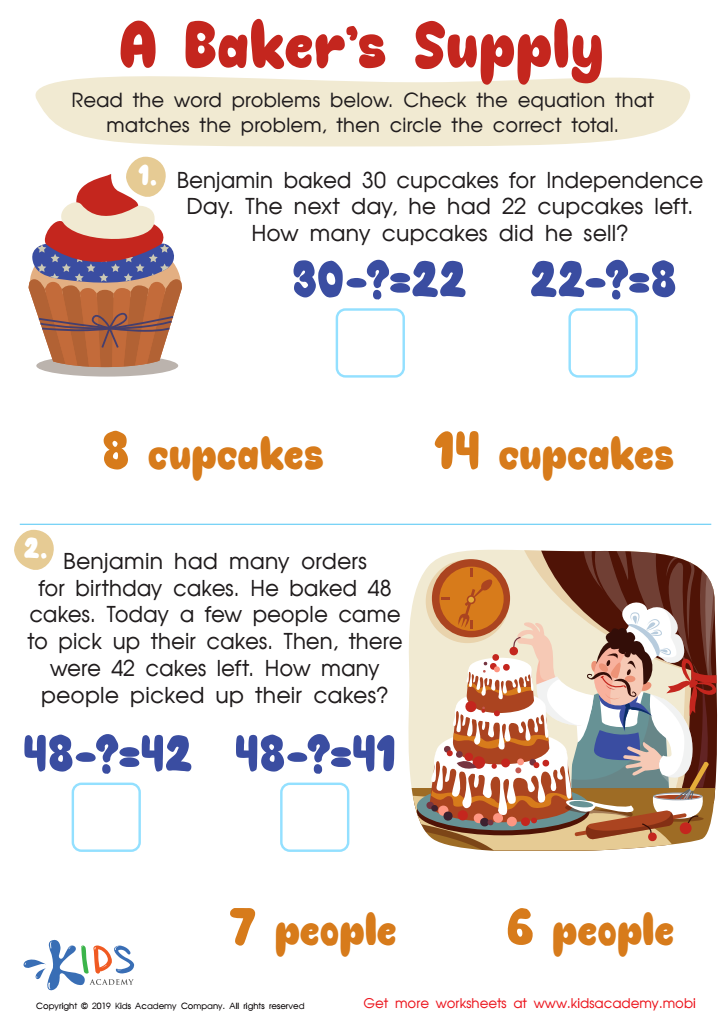
A Baker's Supply Worksheet
 Assign to My Students
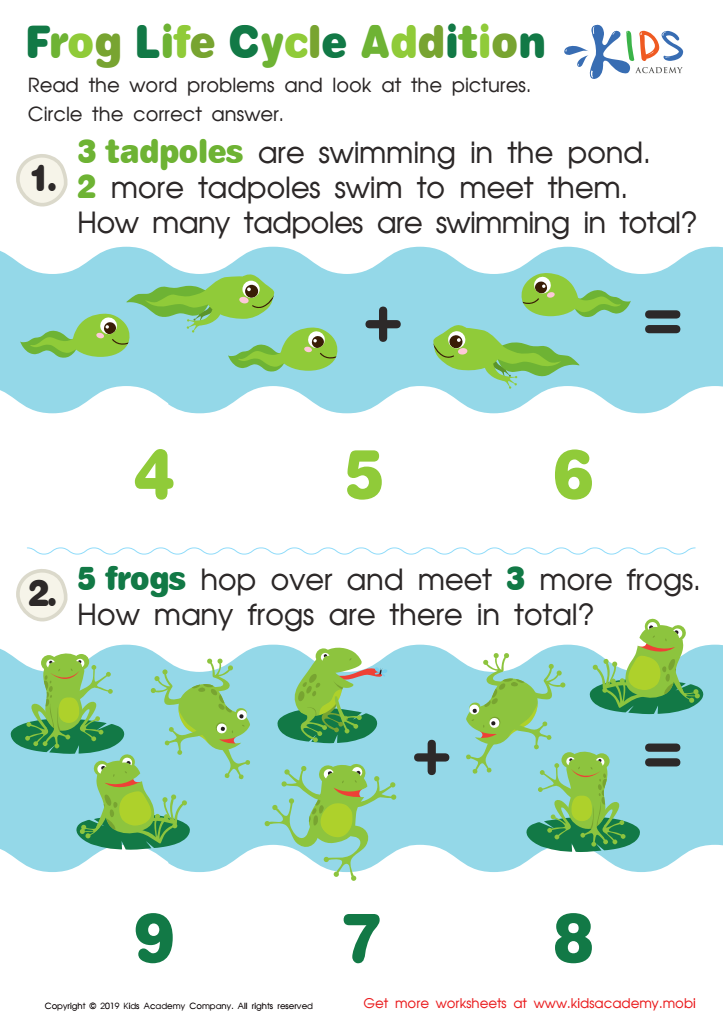
Frog Life Cycle Addition Worksheet
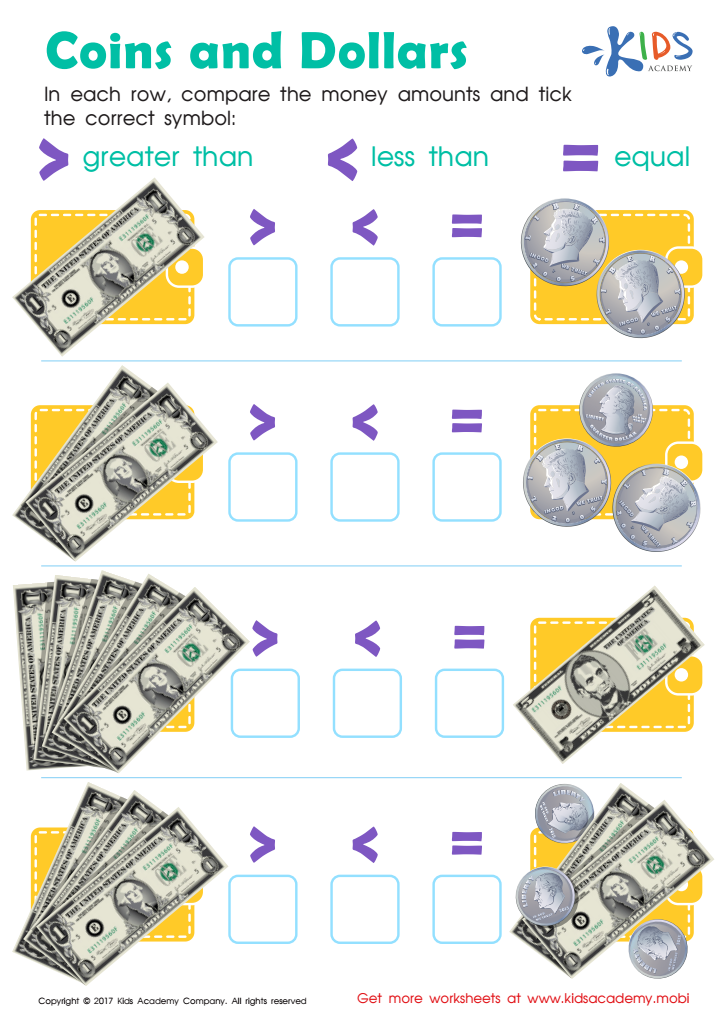
Money: Coins Dollars Printable
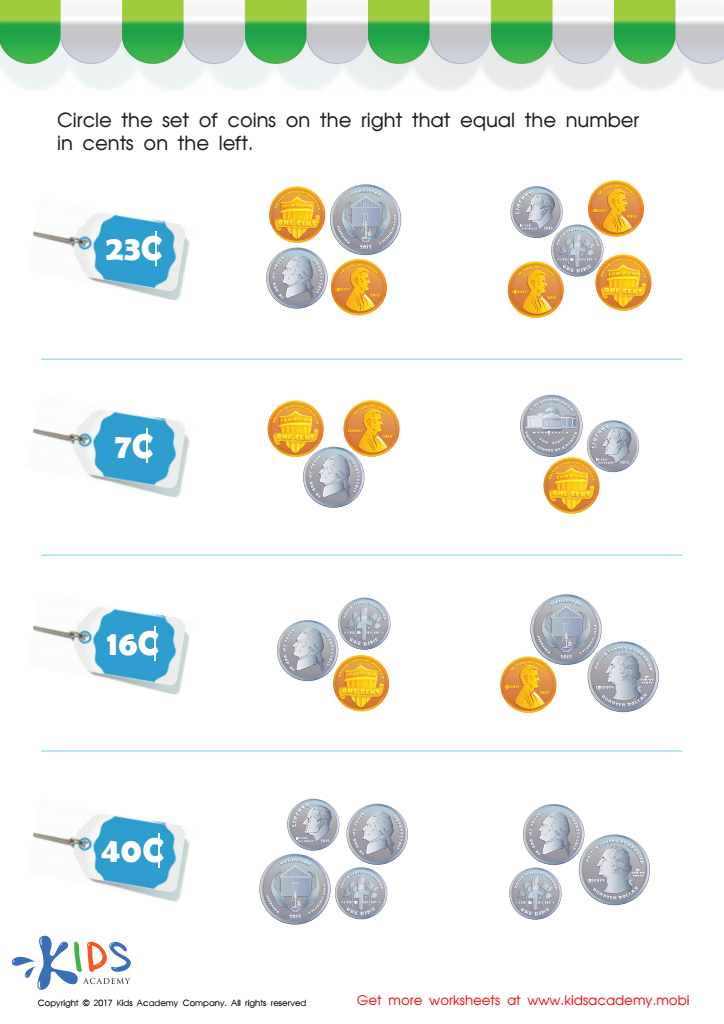
Picking the Coins You Need Money Worksheet
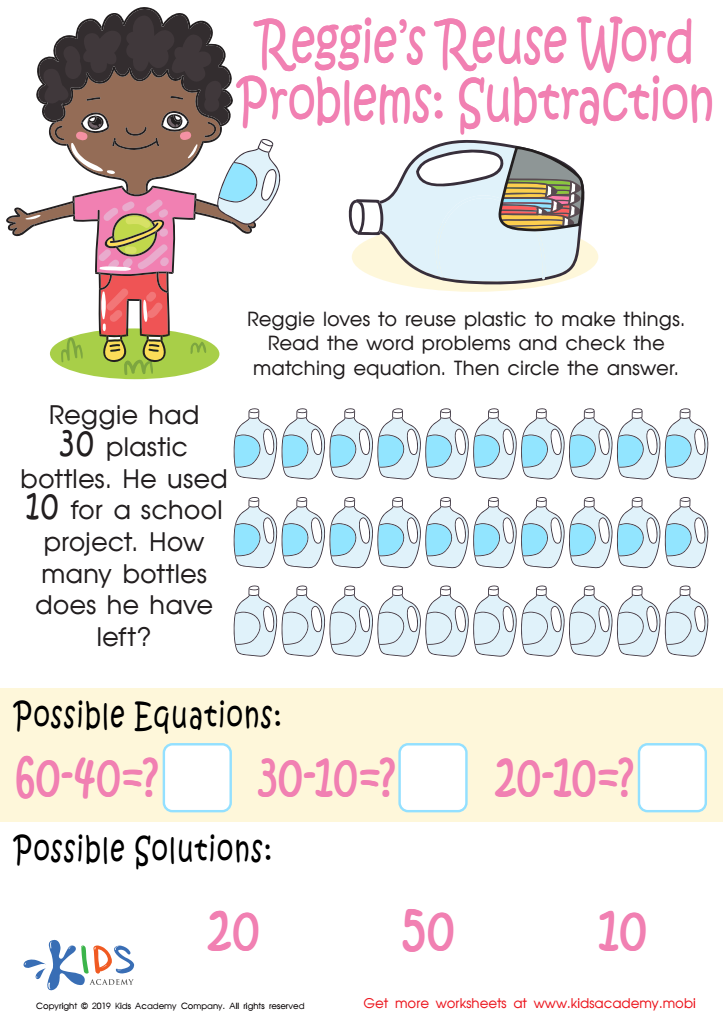
Reggie's Reuse Word Problems: Subtraction Worksheet
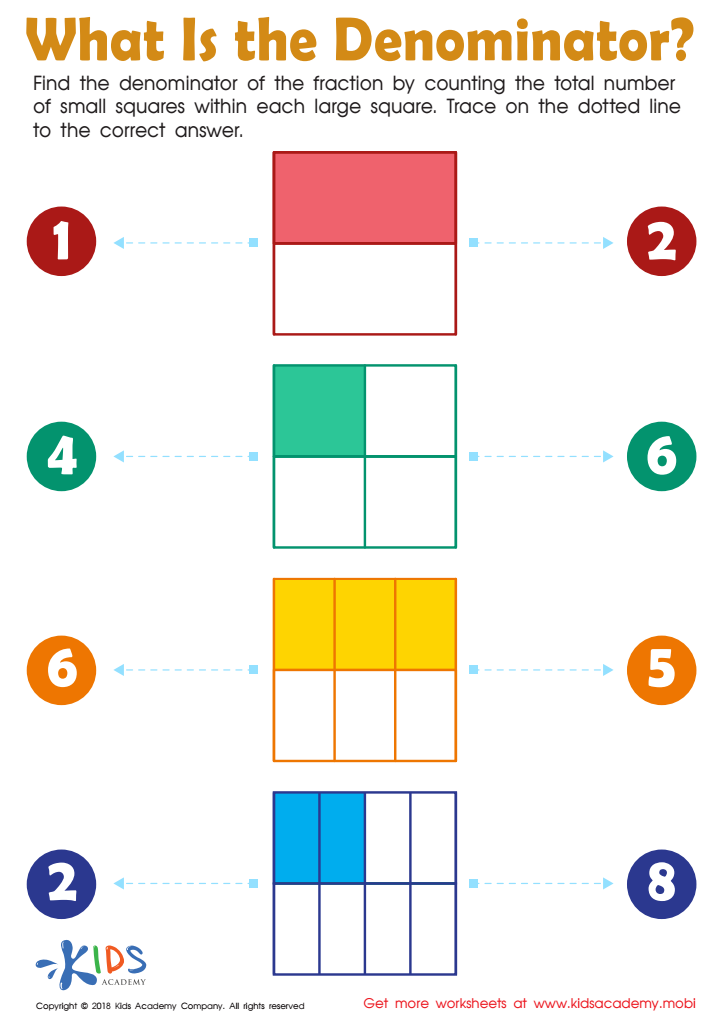
What Is the Denominator? Worksheet

Sweet Shop – Counting Coins Worksheet
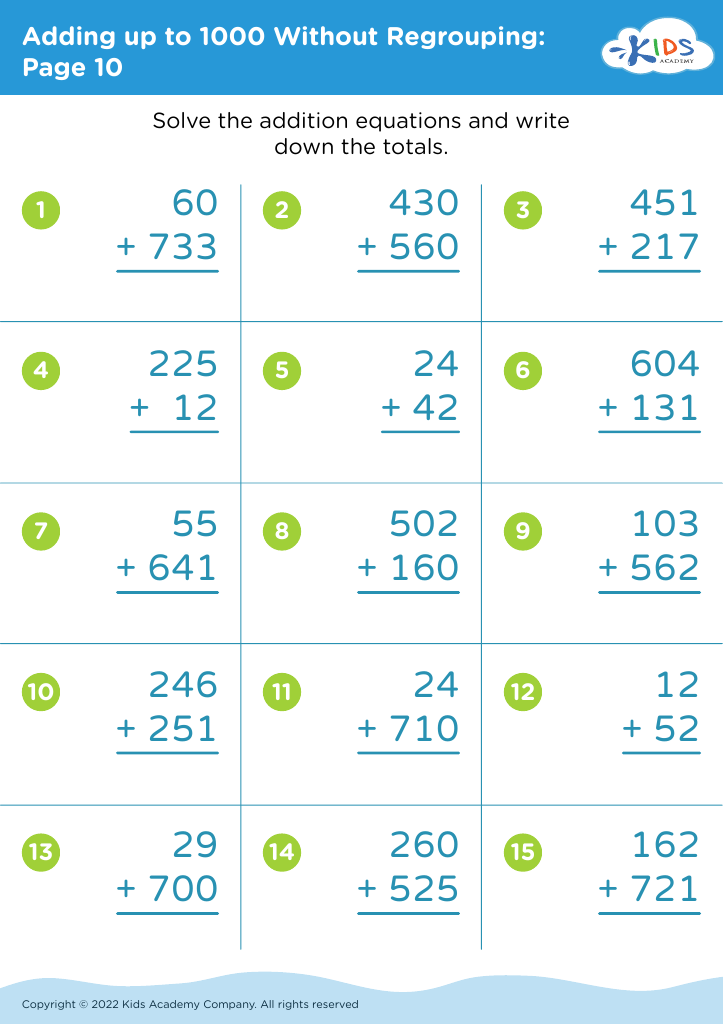
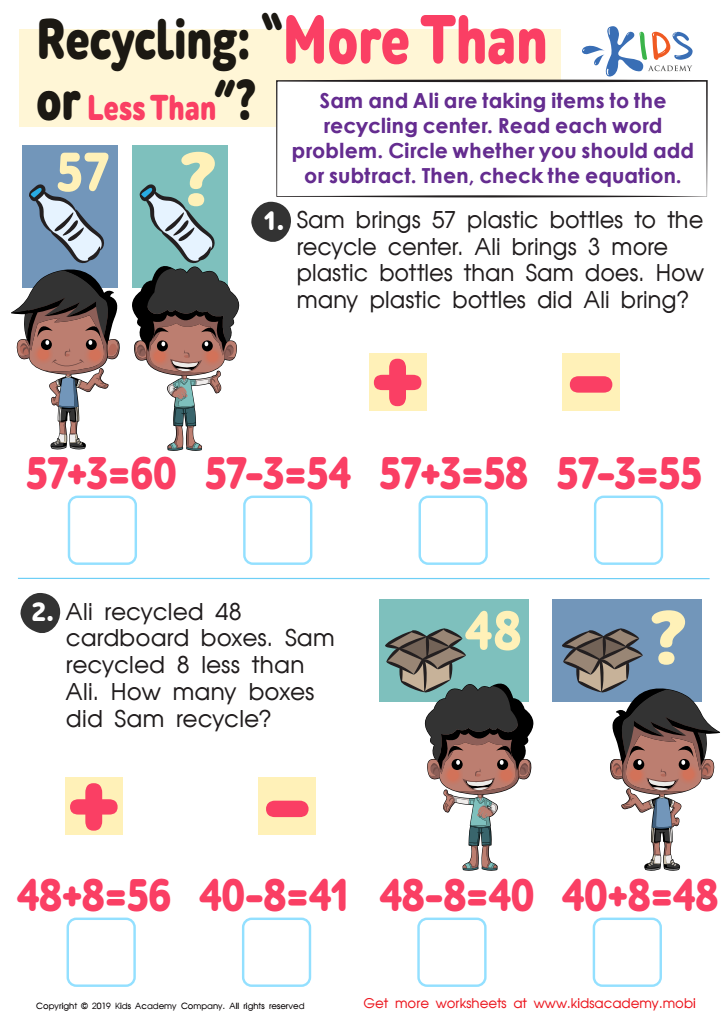
Recycling - More or Less Worksheet
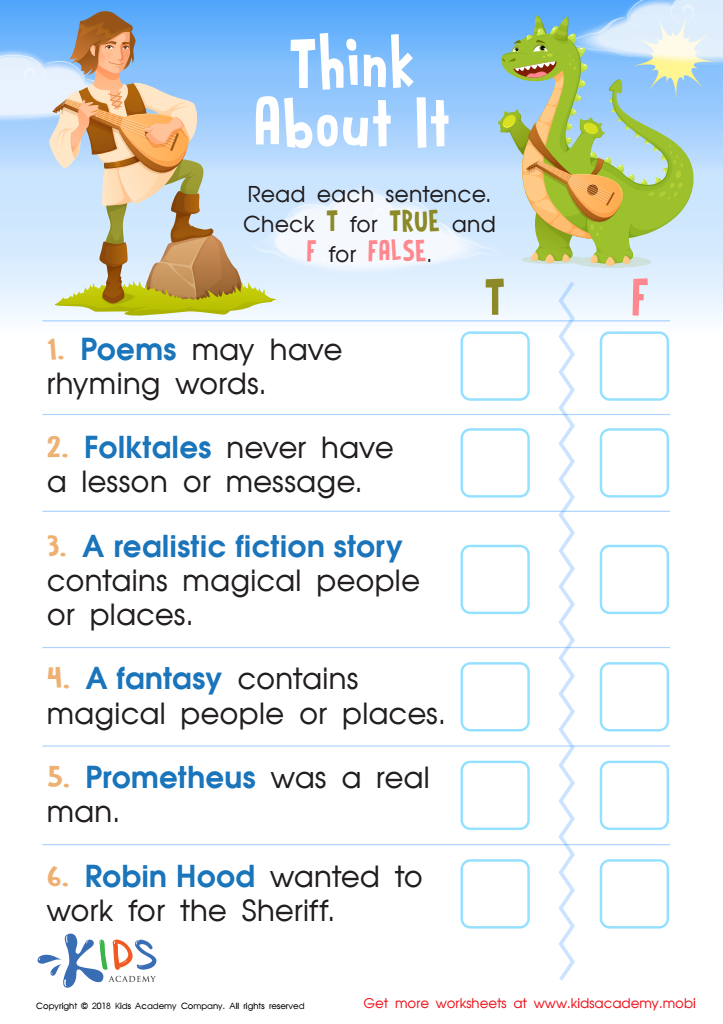
Think About It: Assessment Worksheet
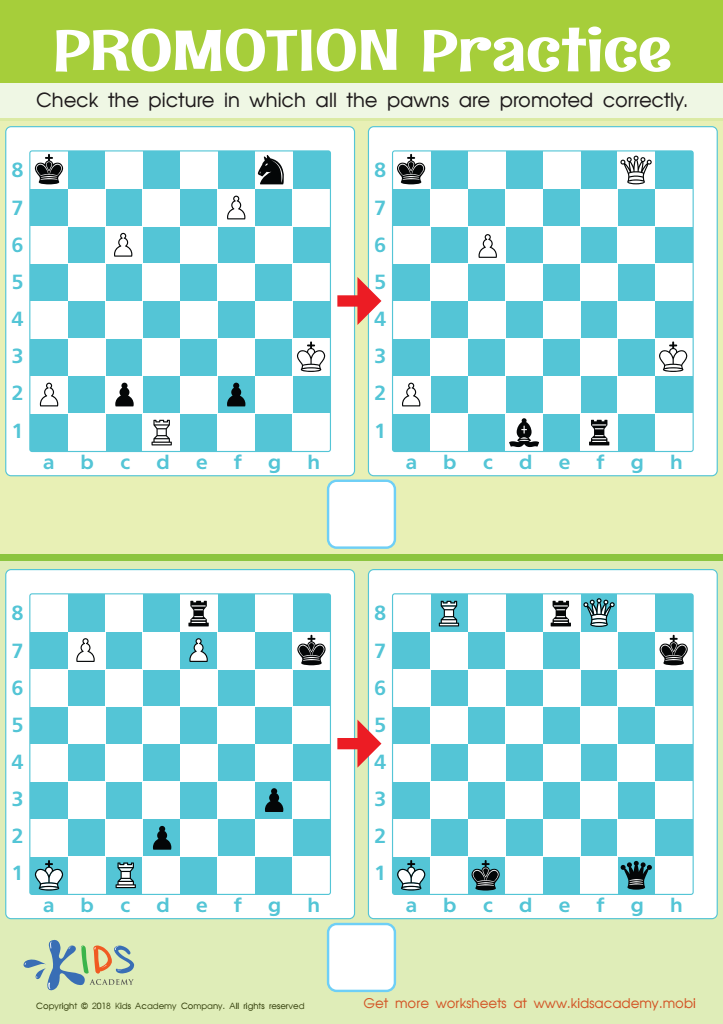
Promotion Practice Worksheet
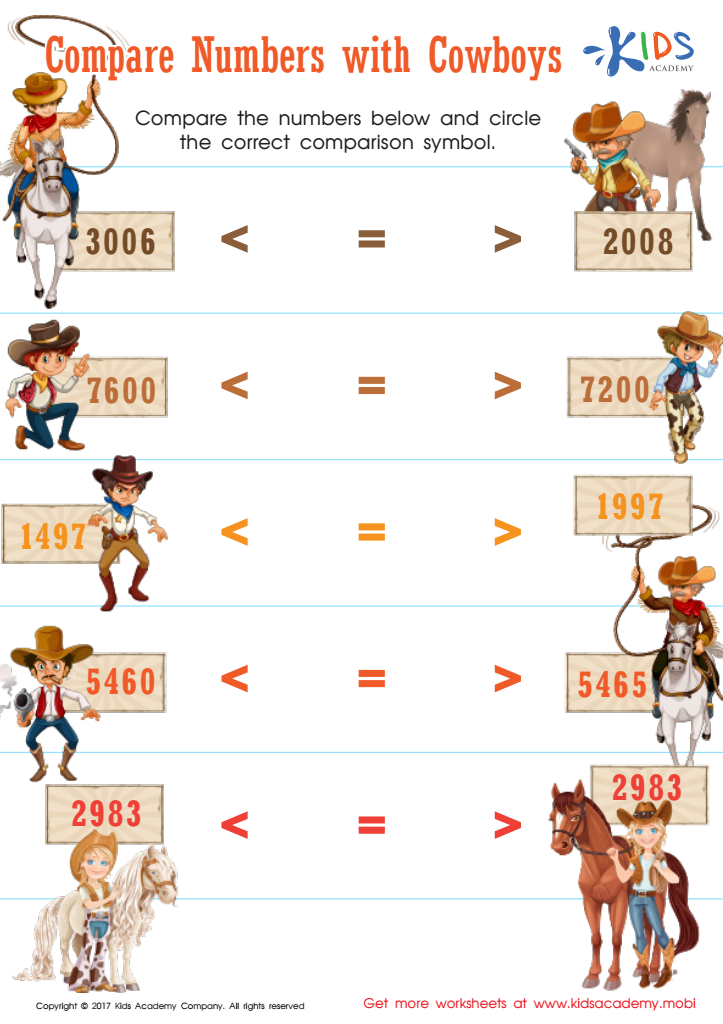
Compare Numbers Worksheet for 3rd Grade
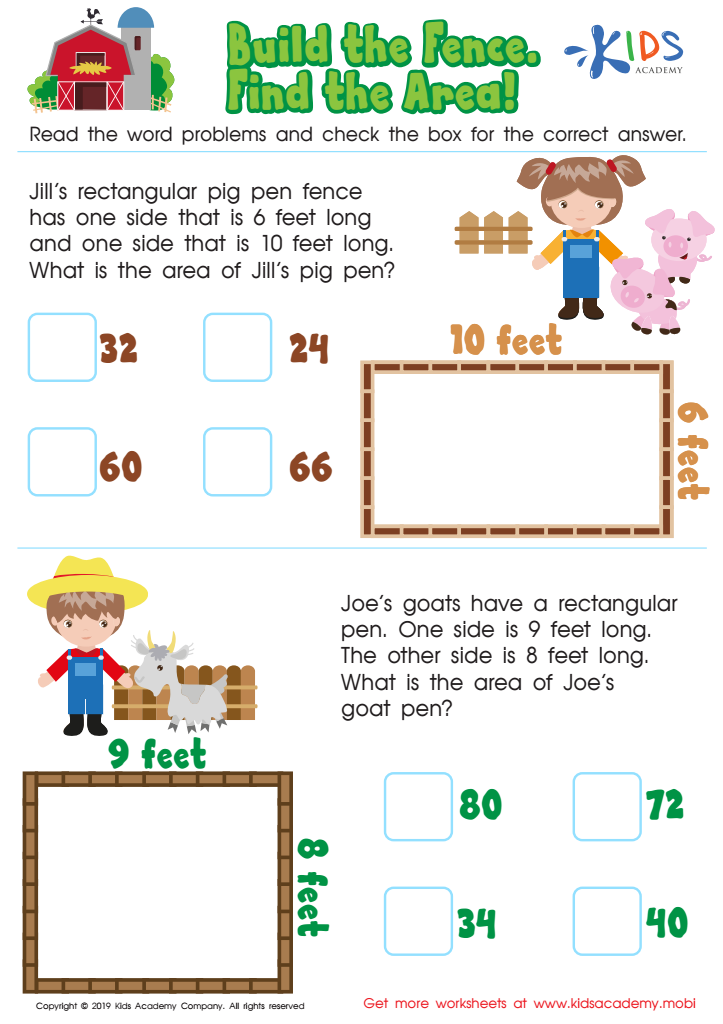
Build the Fence, Find the Area Worksheet
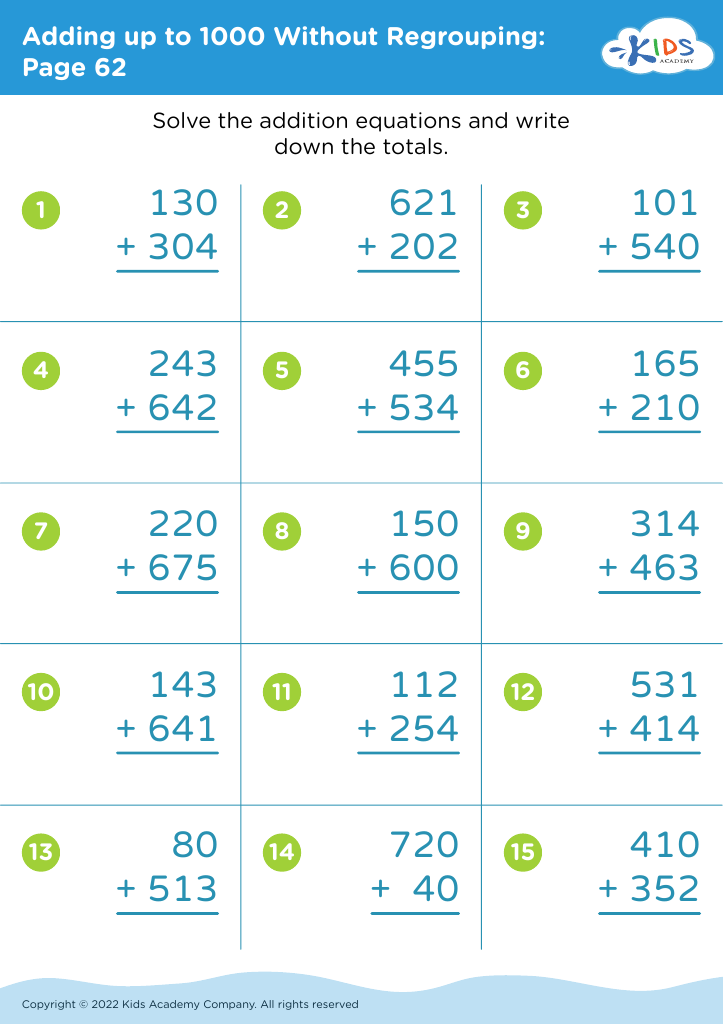
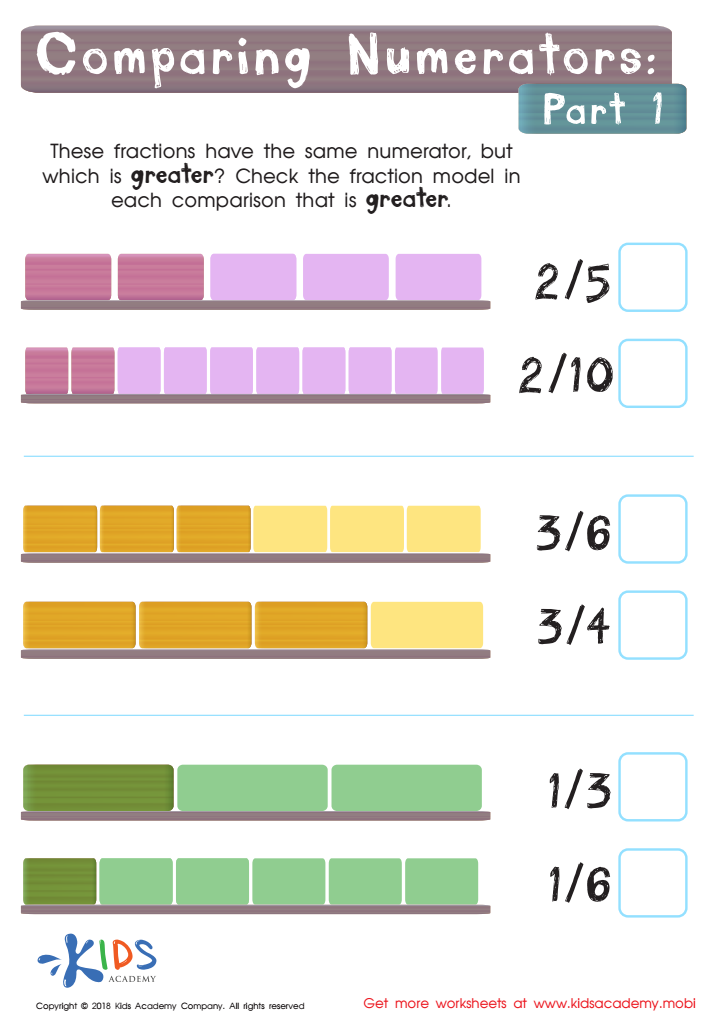
Comparing Numerators Part 1 Worksheet
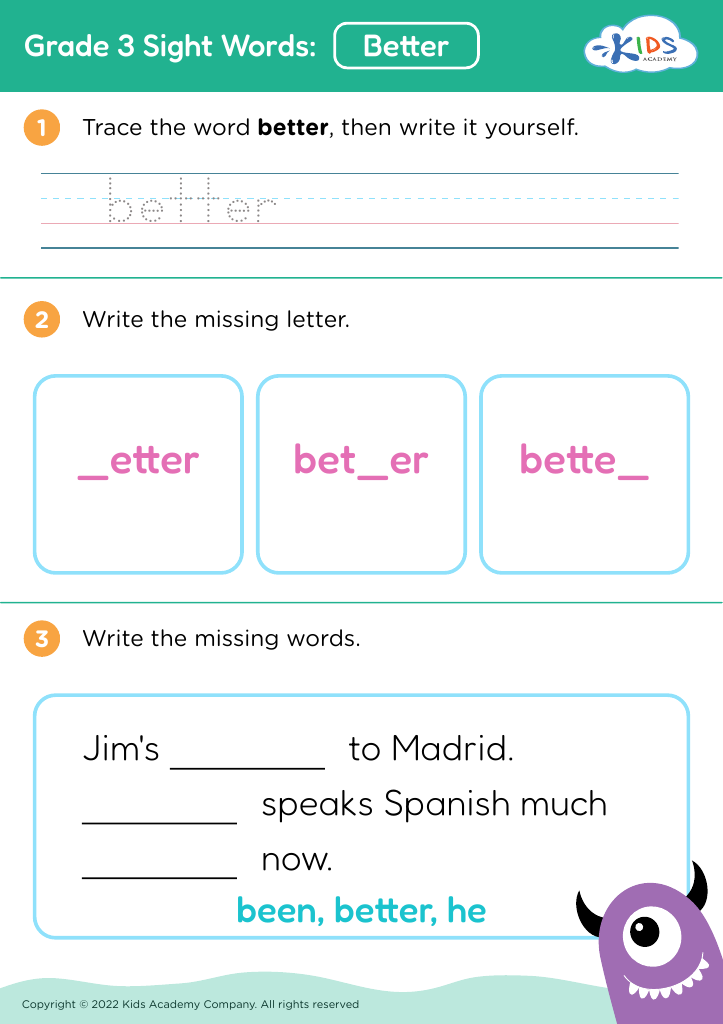








Parents and teachers should prioritize basic math skills for 9-year-olds because these foundational abilities form the cornerstone for future academic success. At this age, children are transitioning from simple arithmetic to more complex concepts like multiplication, division, and fractions. Mastering these skills is crucial as they directly impact proficiency in more advanced mathematics encountered in higher grades.
Additionally, strong math skills enhance critical thinking and problem-solving abilities, empowering children to approach challenges methodically in both academic settings and everyday situations. Moreover, math proficiency can boost a child's self-confidence, making them more willing to participate in class discussions and tackle assignments.
Beyond individual academic growth, understanding basic math also supports essential life skills. Children apply these skills in real-world scenarios, such as budgeting allowance, shopping, and cooking, making math relevant and relatable. Furthermore, early math competence correlates with higher overall academic achievement, influencing future educational and career paths.
Engaging children in math through enjoyable and meaningful activities can nurture their interests and strengthen their understanding. Therefore, investing time in developing basic math skills not only facilitates children's immediate learning but also prepares them for lifelong success. Parents and teachers play a pivotal role in guiding this essential aspect of childhood education.








