Identifying fractions Worksheets for 9-Year-Olds
3 filtered results
-
From - To
Discover a variety of engaging "Identifying Fractions Worksheets" designed specifically for 9-year-olds! These fun and interactive resources help young learners master the concept of fractions by recognizing, comparing, and utilizing them in real-world scenarios. Our worksheets include vibrant visuals and practical activities that cater to different learning styles, making it easy for kids to grasp fraction concepts while enjoying the process. With emphasis on identifying fractions in parts of a whole, understanding numerator and denominator, and problem-solving, these worksheets are perfect for both classroom and home learning environments. Foster a strong foundation in math with our comprehensive fraction resources today!
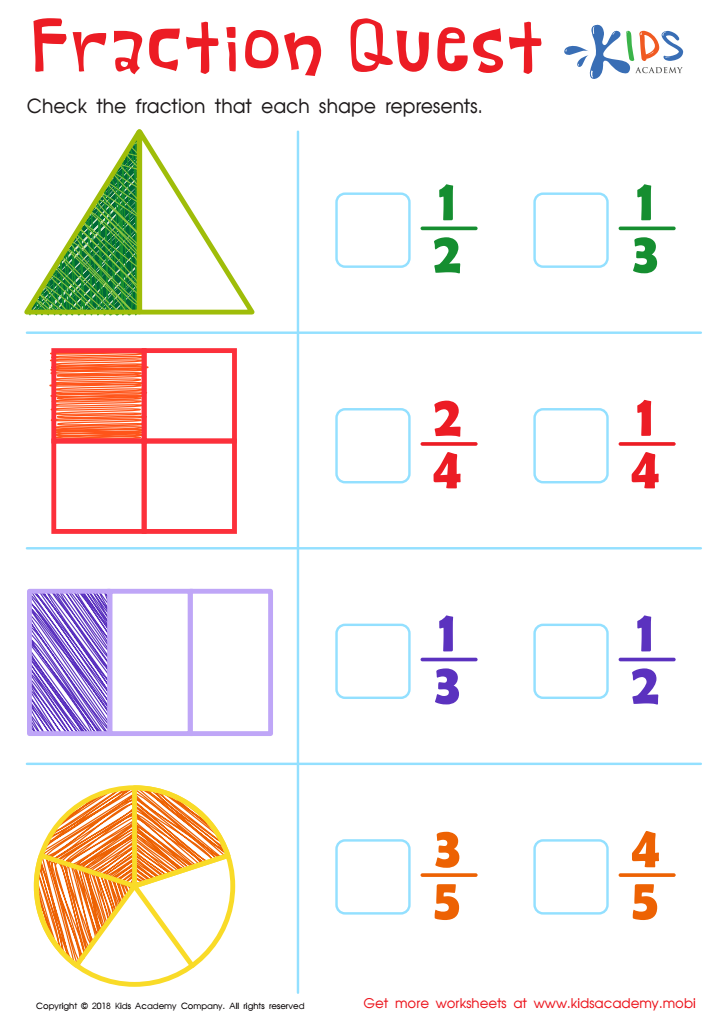
Fraction Quest Worksheet
 Assign to My Students
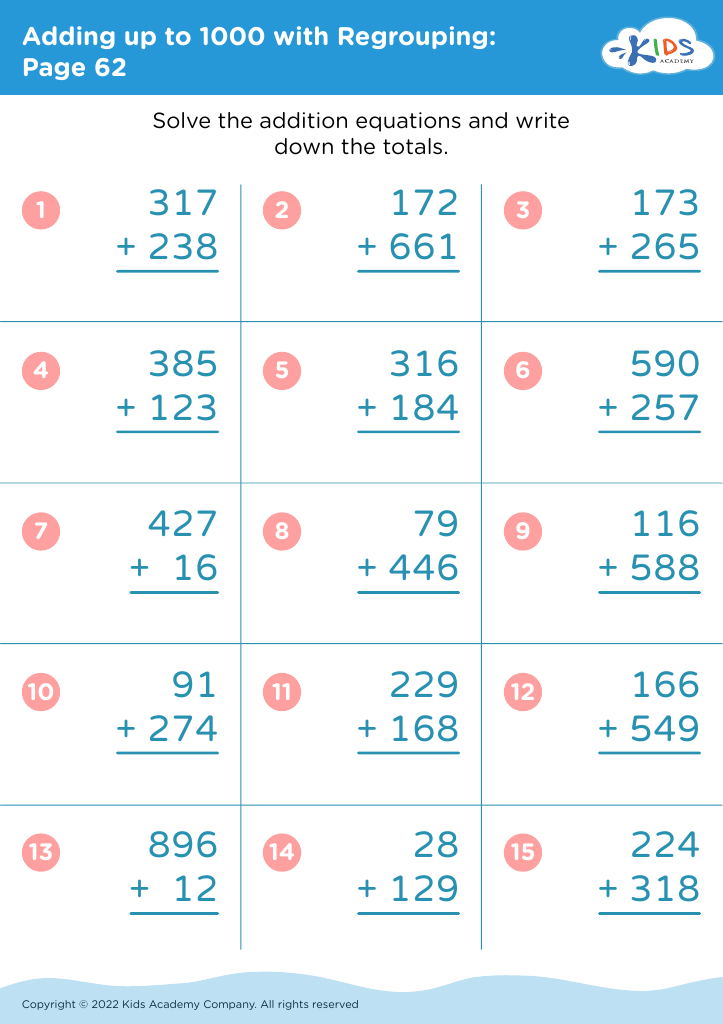
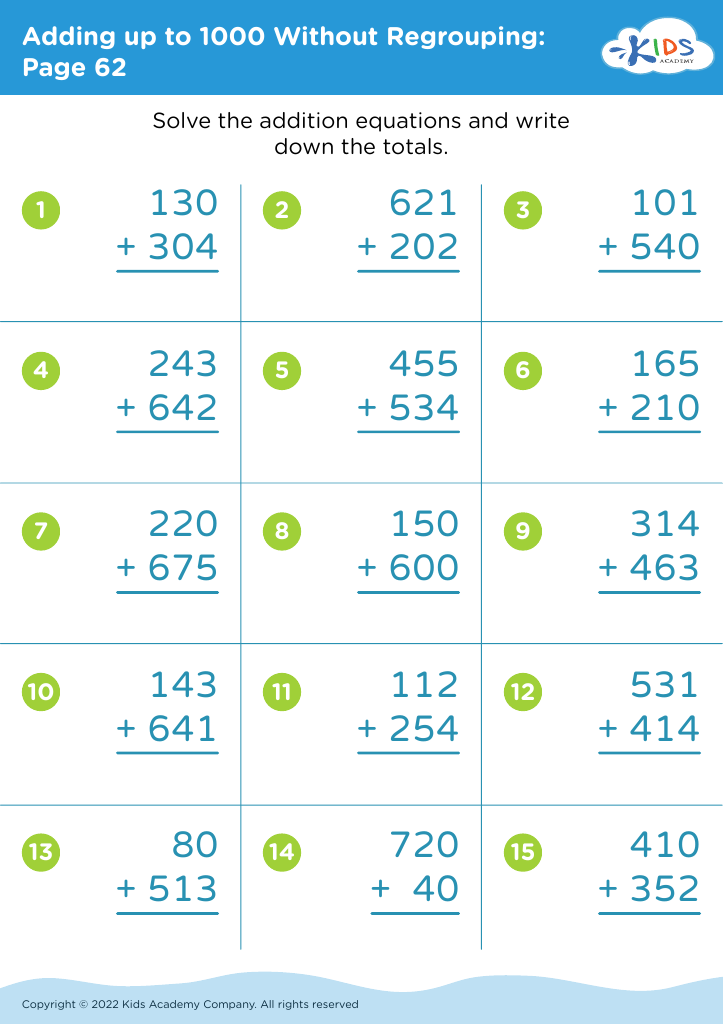






Identifying fractions is a foundational math skill that is critical for 9-year-olds and serves as a building block for more advanced concepts. Parents and teachers should care about this aspect of learning for several reasons.
First, fractions are everywhere in daily life – from sharing food to measuring ingredients in cooking. Understanding fractions empowers children to handle real-world situations confidently. Second, mastery of fractions enhances critical thinking and problem-solving skills. When students learn to identify and work with fractions, they engage in mental exercises that promote logical reasoning and mathematical thinking.
Moreover, a solid grasp of fractions can significantly impact a child’s future academic success. Fractions appear in more advanced math topics, such as ratios, proportions, and algebra. If children struggle with fractions, they may find these subjects more challenging, potentially leading to negative attitudes toward math.
Finally, fostering a positive learning environment around fractions encourages collaboration and communication. Children can learn from peers and work together to solve problems, enhancing social and emotional skills. Overall, investing time and effort in helping 9-year-olds identify fractions lays the groundwork for lifelong learning and success in various disciplines.








