Improve number recognition Worksheets for 9-Year-Olds
3 filtered results
-
From - To
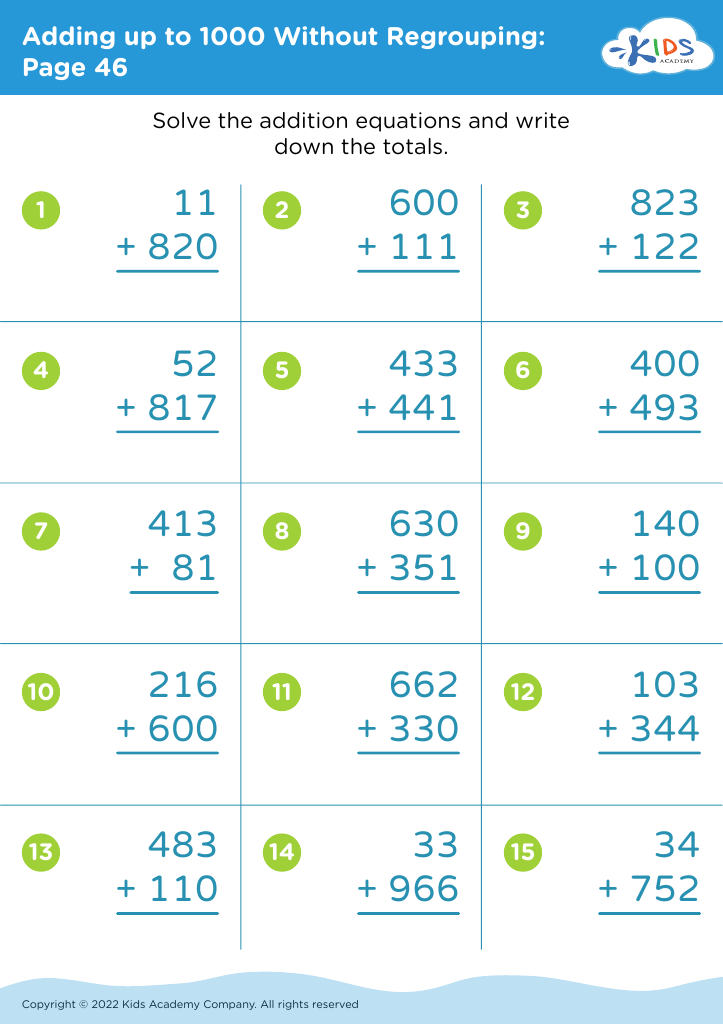
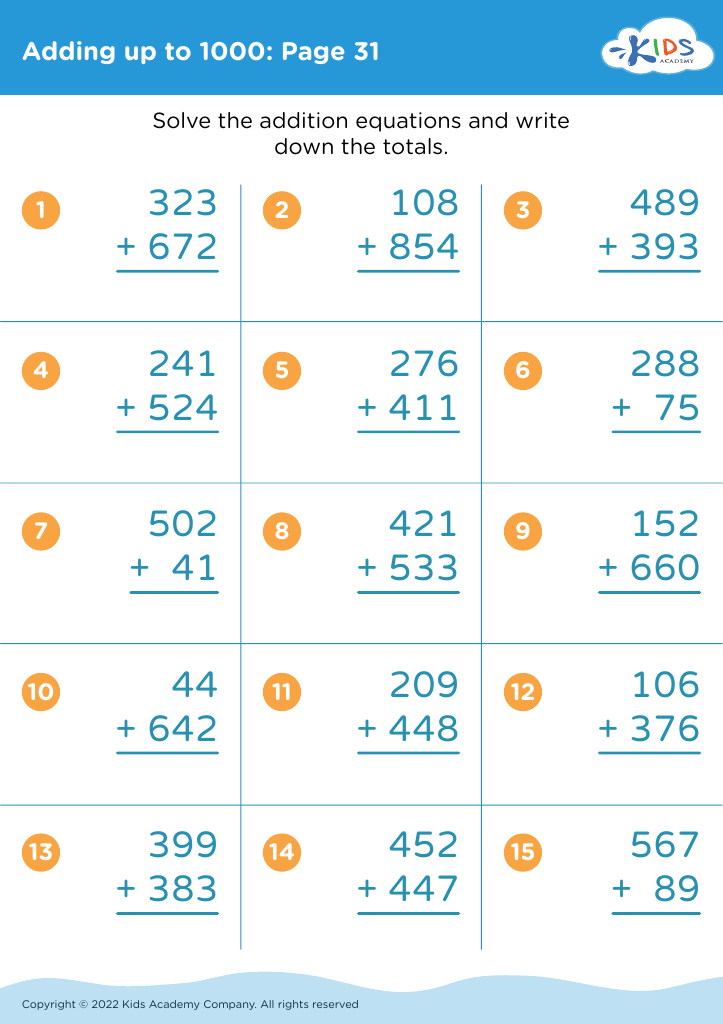
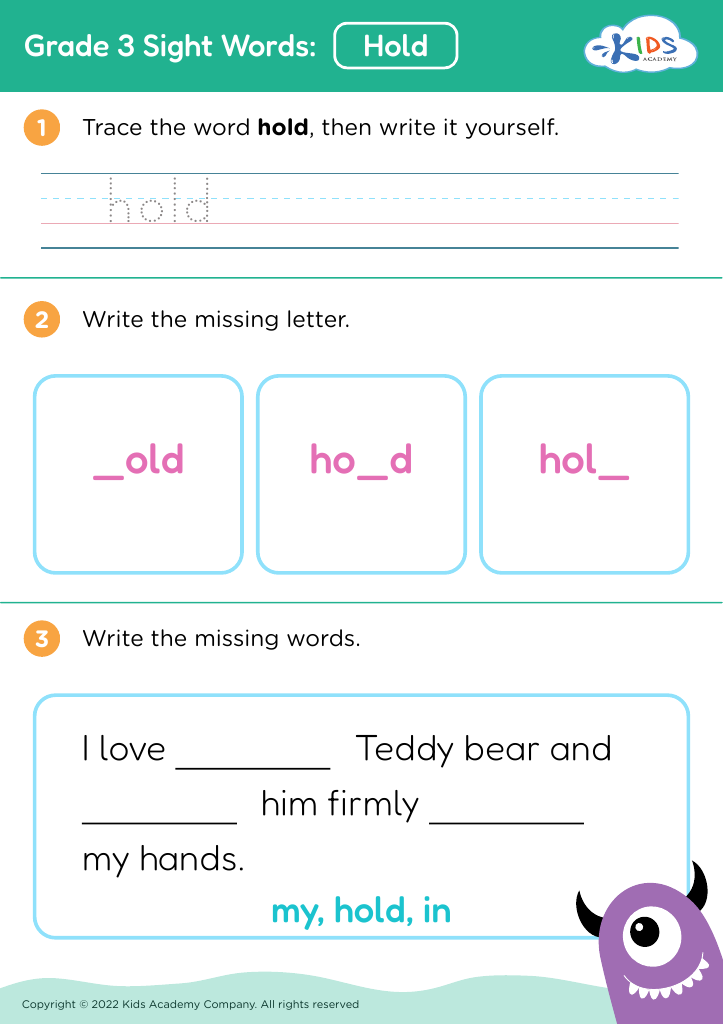
Enhance your 9-year-old's numerical abilities with our "Improve Number Recognition Worksheets". Specifically designed for this age group, these engaging and educational worksheets focus on developing number recognition skills, ensuring a strong foundation in mathematics. Each activity challenges students to identify and comprehend numbers through fun exercises that include matching, counting, and sequence puzzles. Perfect for both classroom and at-home learning, our printable sheets make mastering numbers enjoyable and effective. Help your child build confidence in their math skills with these expertly crafted resources, supporting their journey towards math competence and academic success.







.jpg)
Improving number recognition for 9-year-olds is crucial for several reasons, both in their academic future and daily life. At this stage, children transition from basic arithmetic to more complex mathematical concepts, serving as building blocks for future learning. When children easily recognize numbers, they are better equipped to tackle problems with confidence and speed. This foundational skill streamlines their ability to handle addition, subtraction, multiplication, and division, paves the way for understanding fractions and decimals, and prepares them for algebraic thinking.
Outside the classroom, mastery of number recognition plays a significant role in real-world applications. For instance, it helps in understanding time, managing money, measuring ingredients in recipes, and even playing games that involve scores. Strong number recognition also builds a child's confidence and reduces math anxiety, fostering a positive attitude toward learning.
From an educational perspective, students adept in number recognition can focus better on advanced problem-solving rather than getting bogged down by basic tasks, thereby enhancing their overall academic performance. Parents and teachers can nurture these skills through engaging activities, games, and consistent practice, making math enjoyable and less intimidating. These efforts will not only contribute to the child’s academic success but also equip them with essential life skills.








