Improve vocabulary Worksheets for 9-Year-Olds
5 filtered results
-
From - To
Enhance your 9-year-old's vocabulary with our engaging and effective Improve Vocabulary Worksheets! Designed to foster language development, these worksheets offer a variety of fun activities that challenge children to explore new words, understand their meanings, and use them correctly in sentences. With colorful illustrations and age-appropriate exercises, your child will enjoy learning while building essential communication skills. Perfect for supplementing classroom learning or as home practice, our resources cater to diverse learning styles. Unlock your child’s potential and help them express themselves confidently. Discover our collection today for an exciting journey into the world of words!
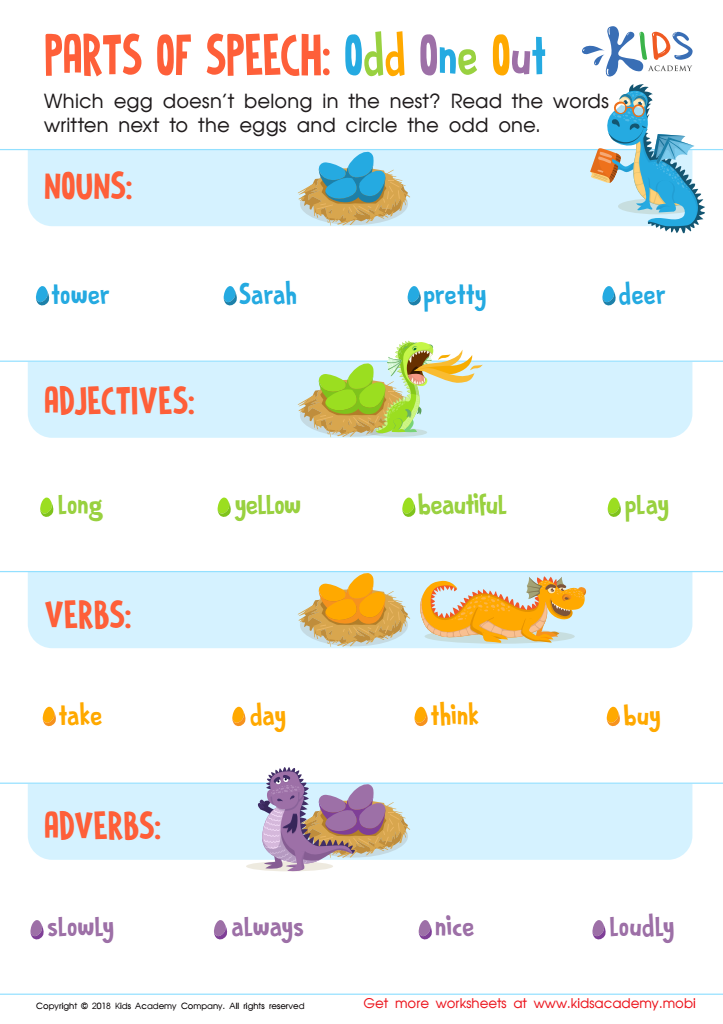
Parts of Speech: Odd One Out Worksheet
 Assign to My Students
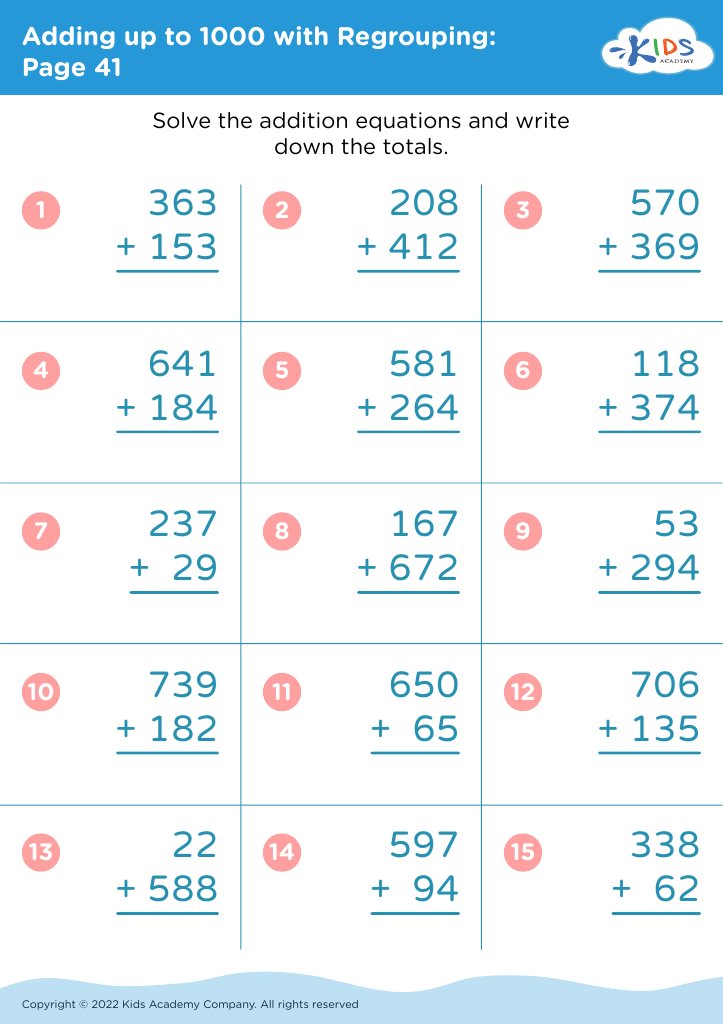
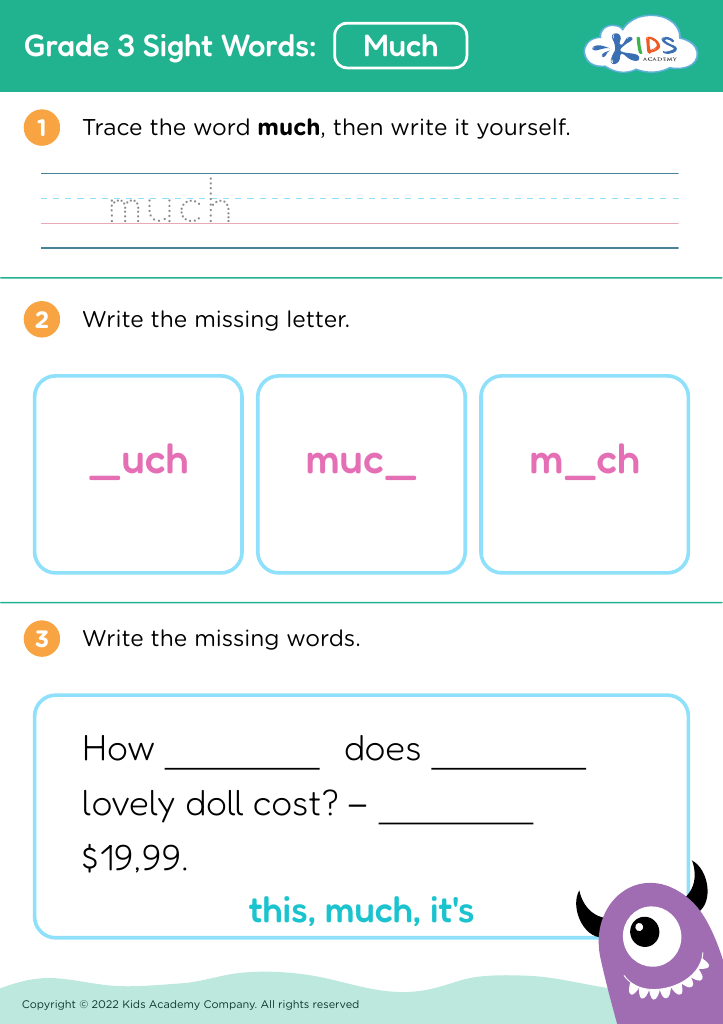
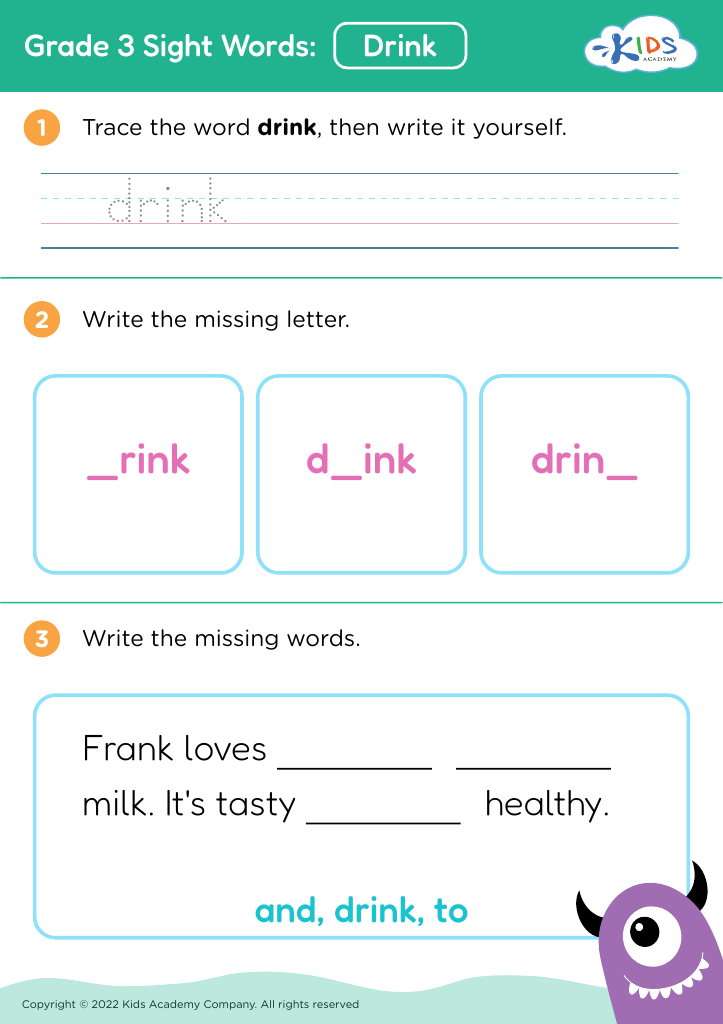








Improving vocabulary for 9-year-olds is crucial for several reasons that concern both parents and teachers. At this developmental stage, children are beginning to encounter more complex reading materials, which requires a richer vocabulary for comprehensive understanding. A strong vocabulary enables children to articulate their thoughts clearly, enhancing their communication skills, both in written and spoken forms.
Additionally, a robust vocabulary contributes to a child's confidence in school. When children can express themselves well, they are more likely to participate in discussions, ask questions, and engage in creative writing, leading to better academic performance. This not only fosters a love for learning but also prepares them for future educational challenges.
Moreover, vocabulary development is closely linked to overall cognitive growth and critical thinking skills. Exposure to a variety of words helps children understand nuances of language, promotes better comprehension, and enriches their ability to analyze and synthesize information. For teachers and parents, fostering vocabulary growth provides a foundation for lifelong learning and intellectual curiosity, and supports a child’s social skills as they navigate interactions with peers. Ultimately, investing time and resources into vocabulary building pays dividends throughout a child's educational journey and beyond.








