Learning about ecosystems Worksheets for 9-Year-Olds
3 filtered results
-
From - To
Discover the wonders of ecosystems with our engaging worksheets designed for 9-year-olds! These interactive activities promote a deeper understanding of the delicate balance of nature, including habitats, food chains, and environmental roles. Perfect for classroom or home use, our worksheets encourage critical thinking and creativity while making learning fun! Equipped with colorful visuals and hands-on tasks, children will explore the importance of biodiversity and learn how various organisms interact within their environments. Foster a love for science and nurture future environmental stewards as students uncover the intricate connections in nature through enjoyable education. Get started today and inspire your young learners!
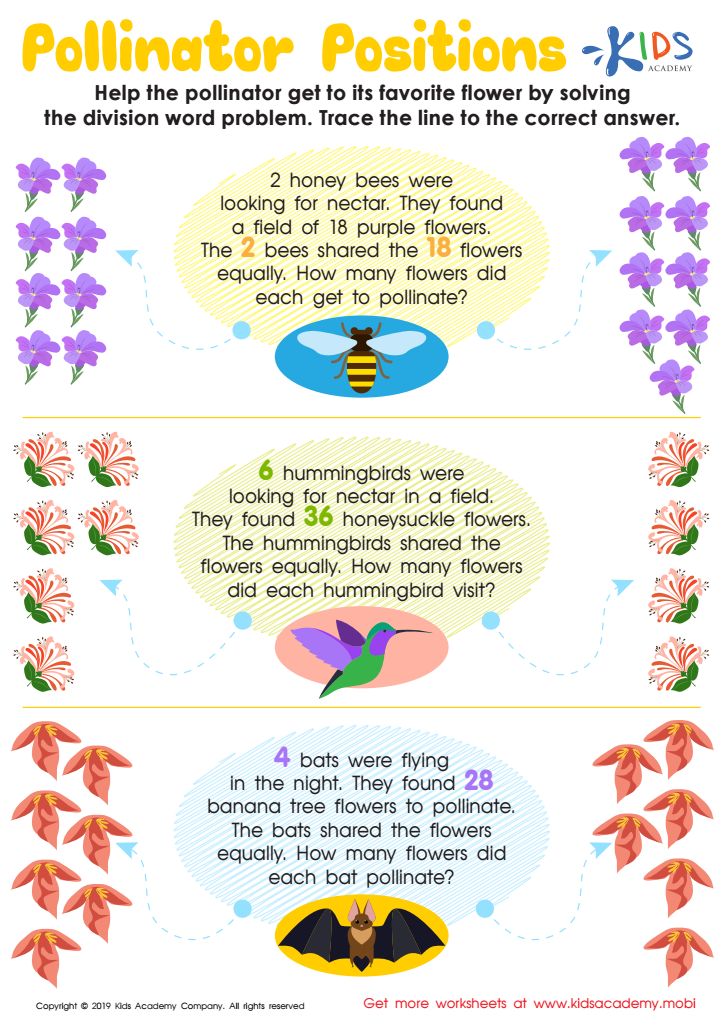
Pollinator Positions Worksheet
 Assign to My Students
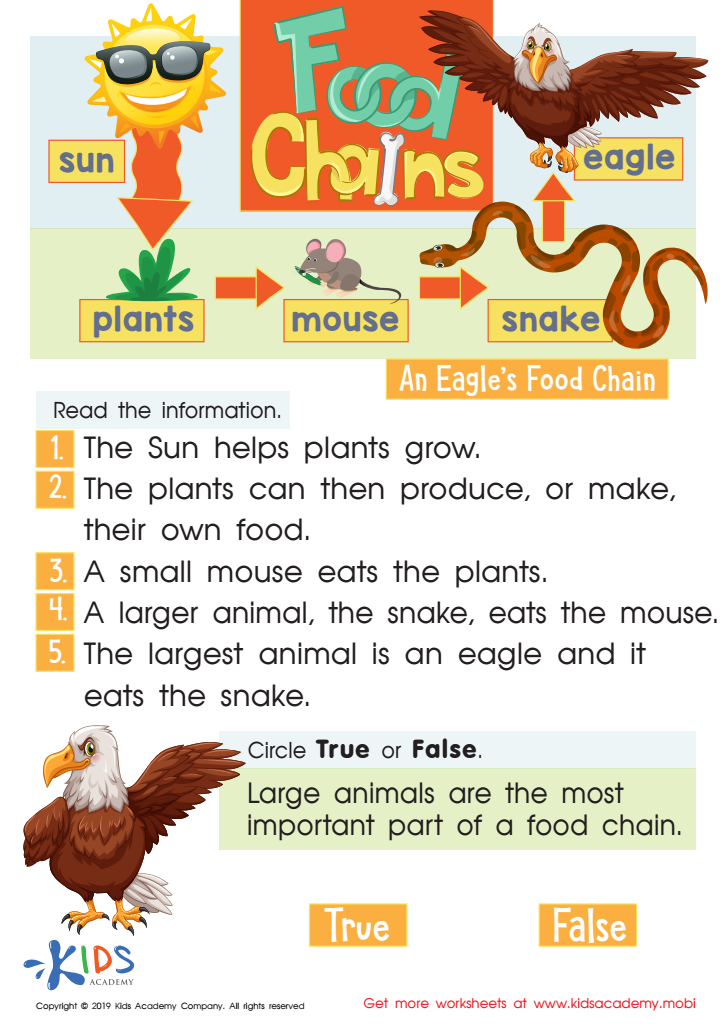
Food Chains Worksheet
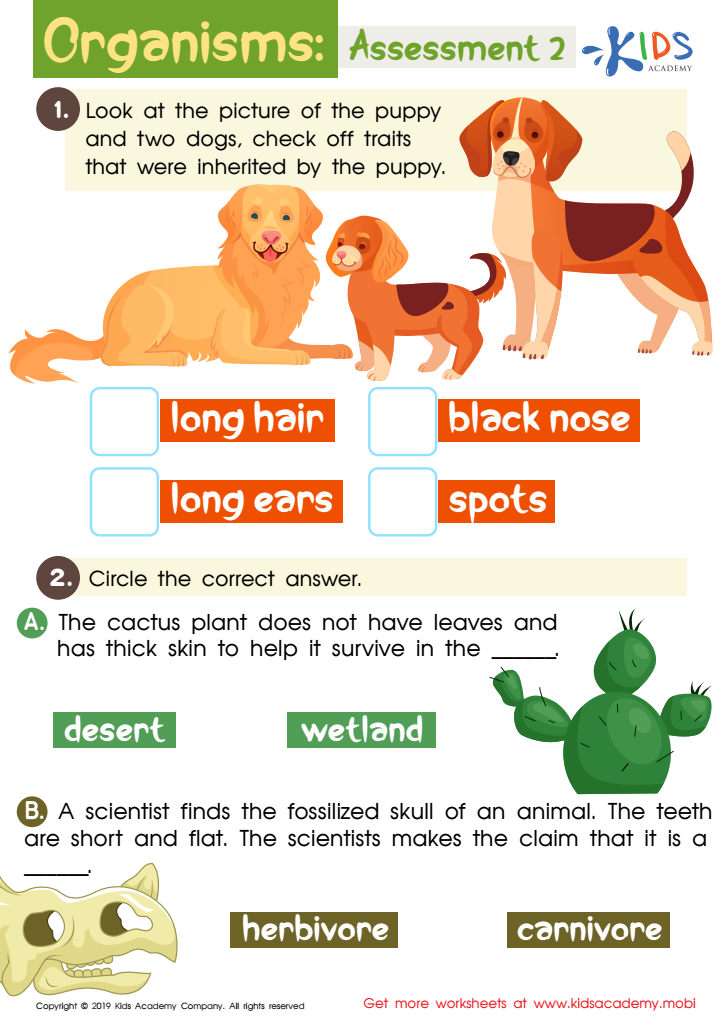
Organisms: Assessment 2 Worksheet






Learning about ecosystems is vital for 9-year-olds as it nurtures important educational and emotional development. At this age, children are naturally curious, making it an ideal time to introduce them to the complexities of the environment around them. Understanding ecosystems helps them grasp how living organisms, including plants, animals, and microorganisms, interact with each other and their surroundings. This foundational knowledge fosters critical thinking skills and encourages them to explore scientific concepts, enhancing their overall education.
Moreover, learning about ecosystems instills a sense of responsibility and stewardship for the environment. As children understand the interconnectedness of life, they begin to appreciate the impact of human activities on nature. This awareness can motivate them to adopt environmentally friendly practices and make informed decisions that contribute to sustainability.
Additionally, engaging with ecosystems often involves hands-on activities, like observing local wildlife or participating in garden projects, which can strengthen their observational skills and encourage teamwork. For parents and teachers, fostering this interest not only enriches a child’s learning experience but also equips them with the values and skills needed to address environmental challenges in the future, ultimately creating a more conscientious and informed generation.








