Letter-sound association Worksheets for 9-Year-Olds
6 filtered results
-
From - To
Enhance your 9-year-old's reading skills with our engaging Letter-Sound Association Worksheets. Carefully designed by education experts, these worksheets reinforce fundamental phonics concepts by connecting letters with their corresponding sounds. Perfect for enhancing reading fluency and boosting decoding skills, the activities make learning fun and effective. Each worksheet includes exercises tailored to strengthen your child's ability to recognize, pronounce, and match letters to sounds. Whether used at home or in the classroom, our worksheets support targeted learning goals, fostering confidence and proficiency in young readers. Visit our website to explore these fantastic resources and watch your child thrive in their literacy journey!
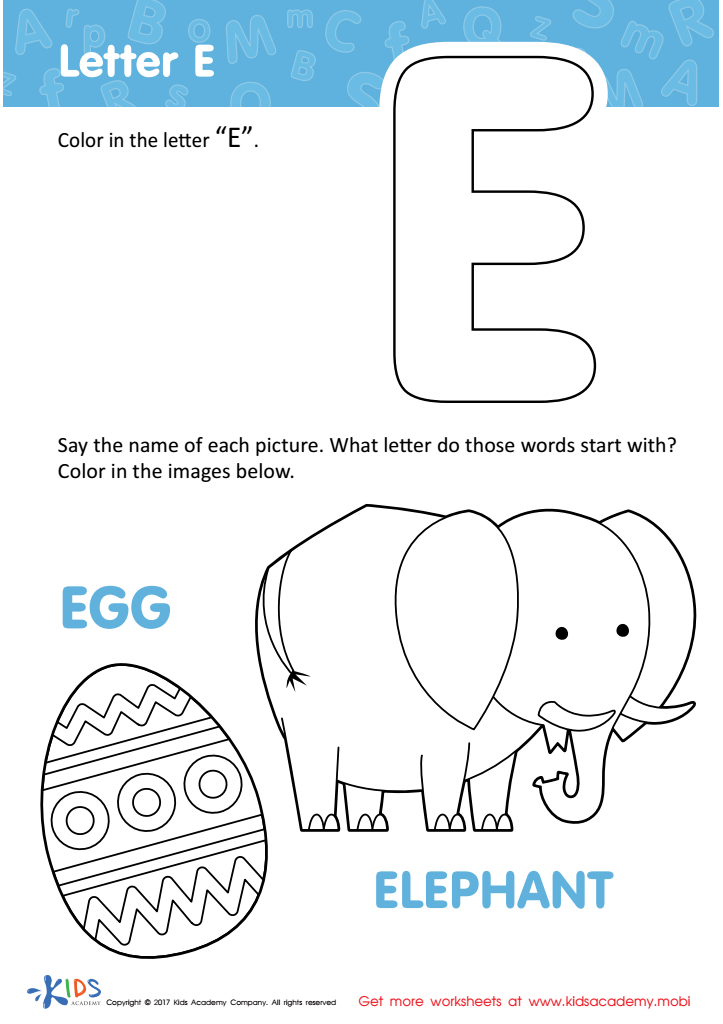
Letter E Coloring Sheet
 Assign to My Students
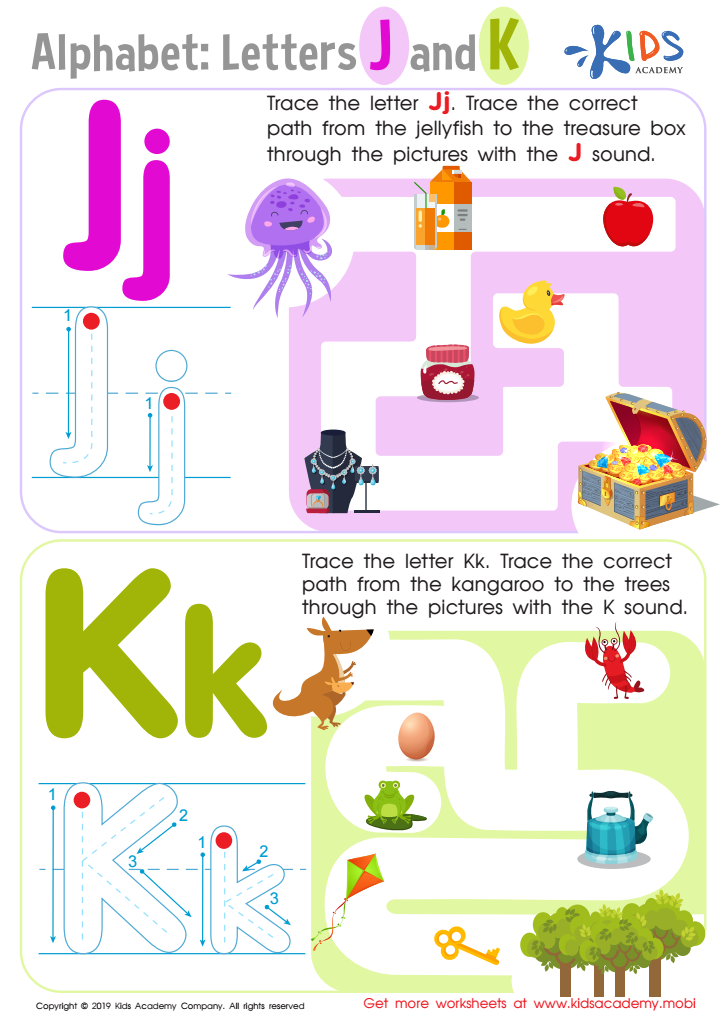
Letters J and K Tracing Worksheet
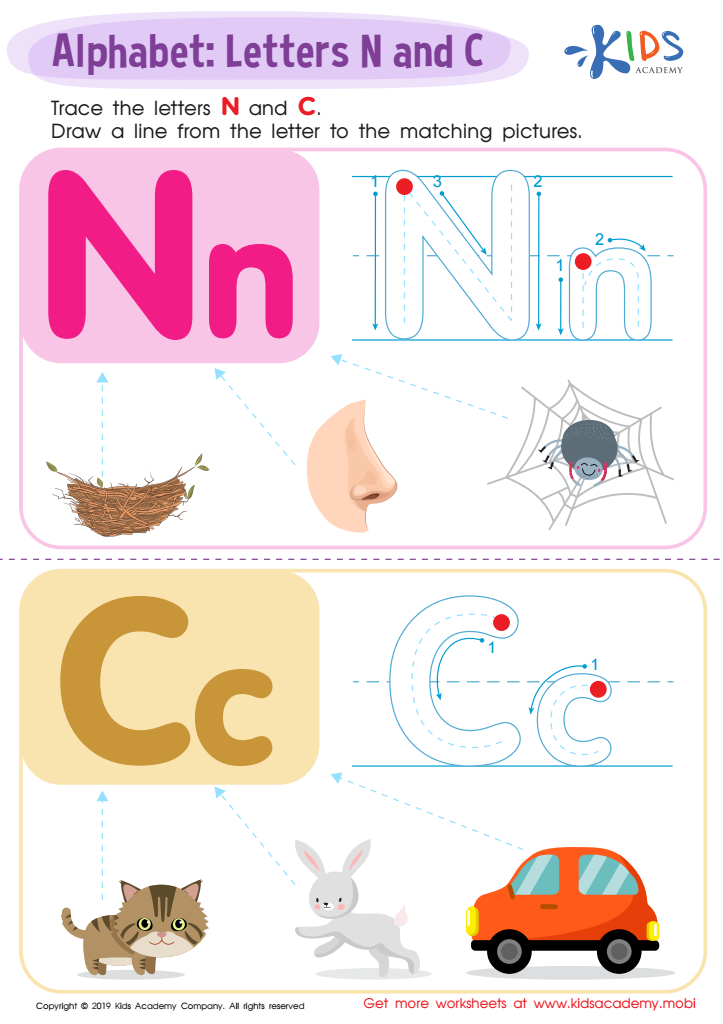
Letter N and C Tracing Worksheet
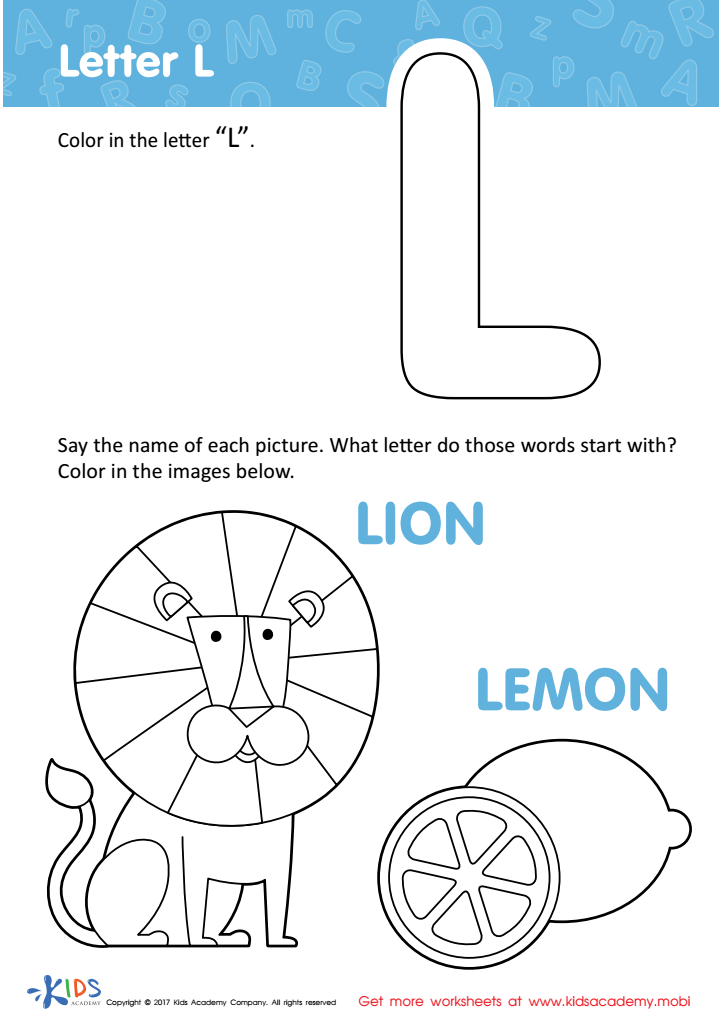
Letter L Coloring Sheet
Assign to My Students
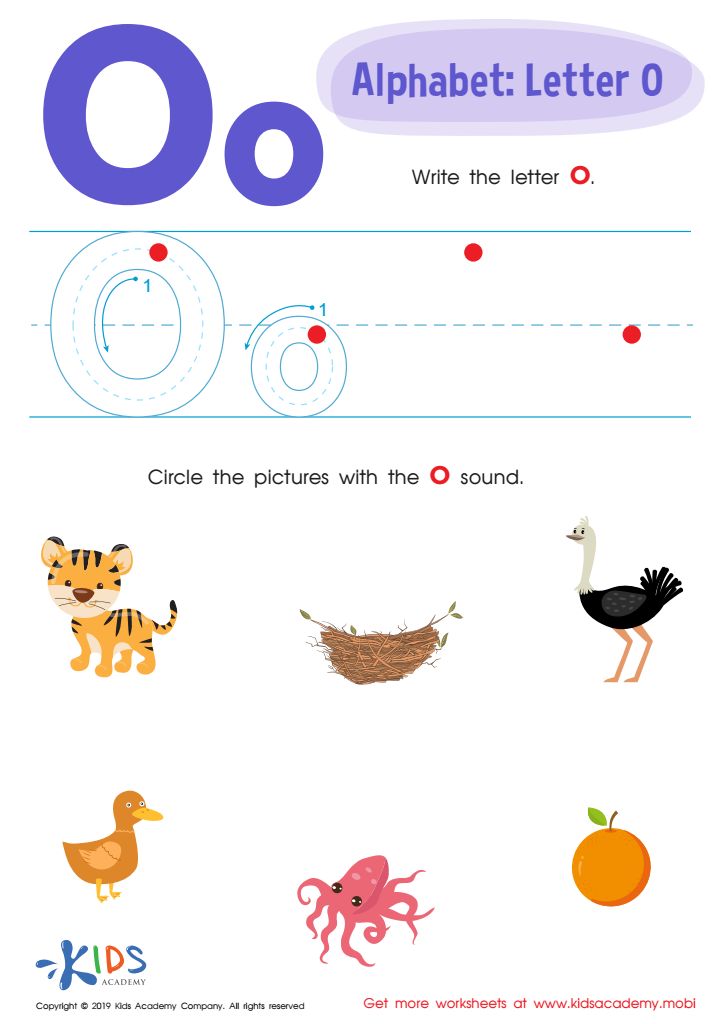
Letter O Tracing Worksheet
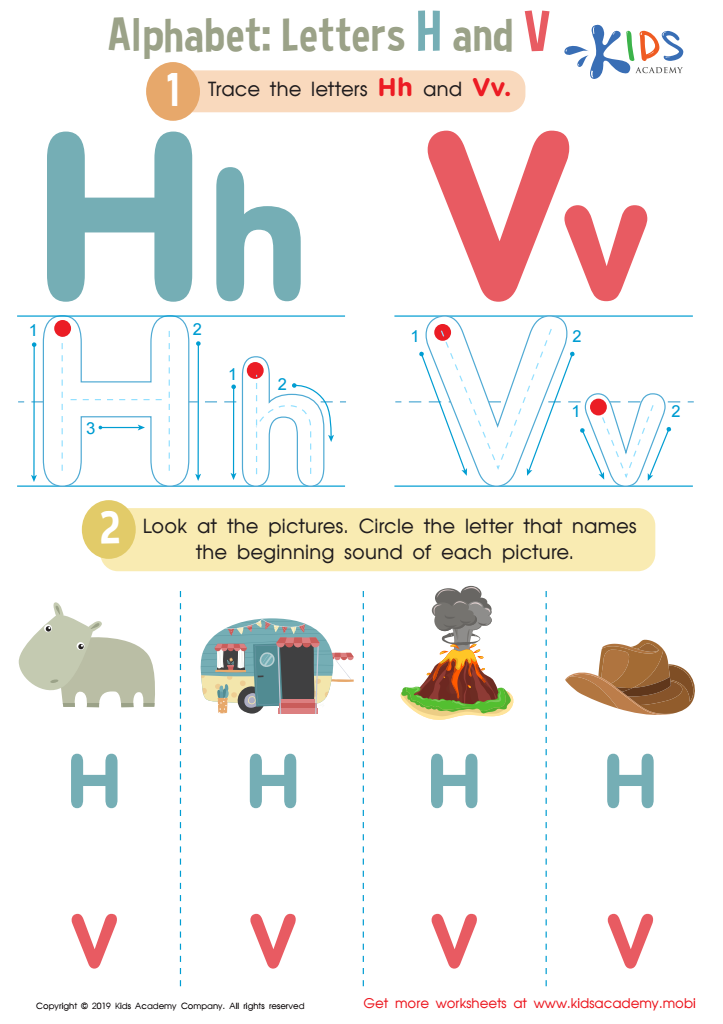
Letters H and V Tracing Worksheet







Letter-sound association is crucial for the development of reading and writing skills in 9-year-olds. By understanding the relationship between letters and their corresponding sounds, children can more effectively decode unfamiliar words, which is foundational for fluent reading. Fluency, in turn, supports better comprehension; when children read smoothly without getting bogged down by decoding, they can focus on understanding the meaning of the text.
Furthermore, strong letter-sound association helps in spelling. Knowing the sounds that letters make enables children to spell words more accurately, an important aspect of written communication. This skill also boosts their confidence and encourages a positive attitude toward learning, benefiting overall academic performance.
Additionally, good letter-sound knowledge aids in vocabulary expansion. As children encounter new words, their decoding skills can help them pronounce these words correctly and incorporate them into their own vocabulary.
Lastly, early literacy skills, such as letter-sound association, are predictors of later success in both academic and professional settings. Investing time in these skills at a young age sets a solid foundation for future learning and cognitive development. Therefore, parents and teachers should prioritize and nurture this critical skill to support long-term educational success.








