Reading analog clocks Worksheets for 9-Year-Olds
3 filtered results
-
From - To
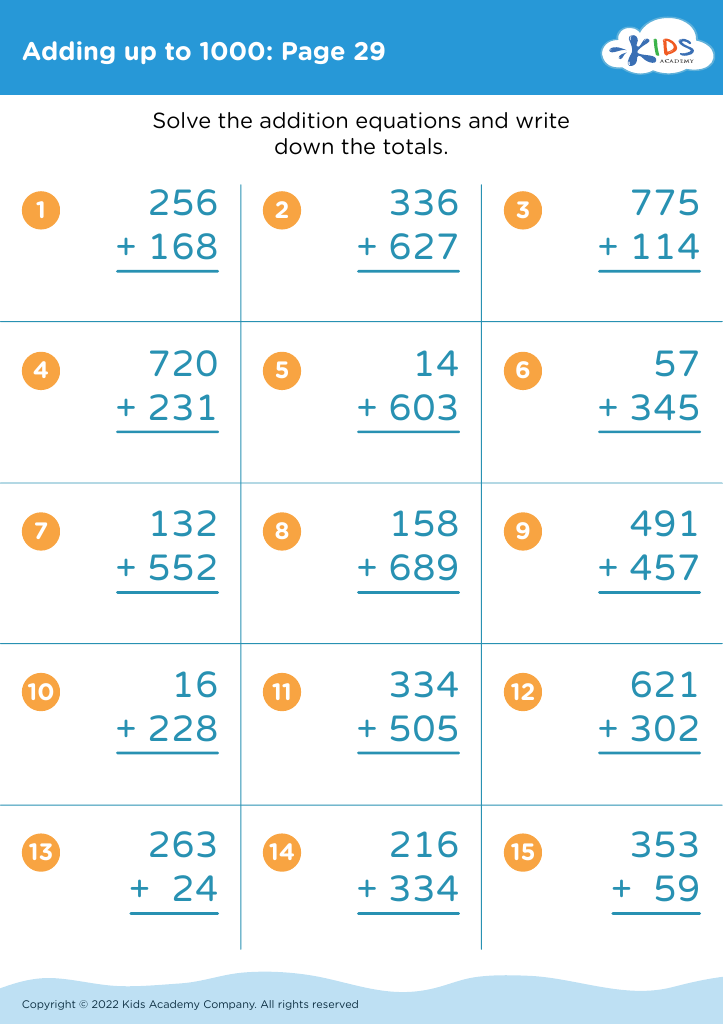
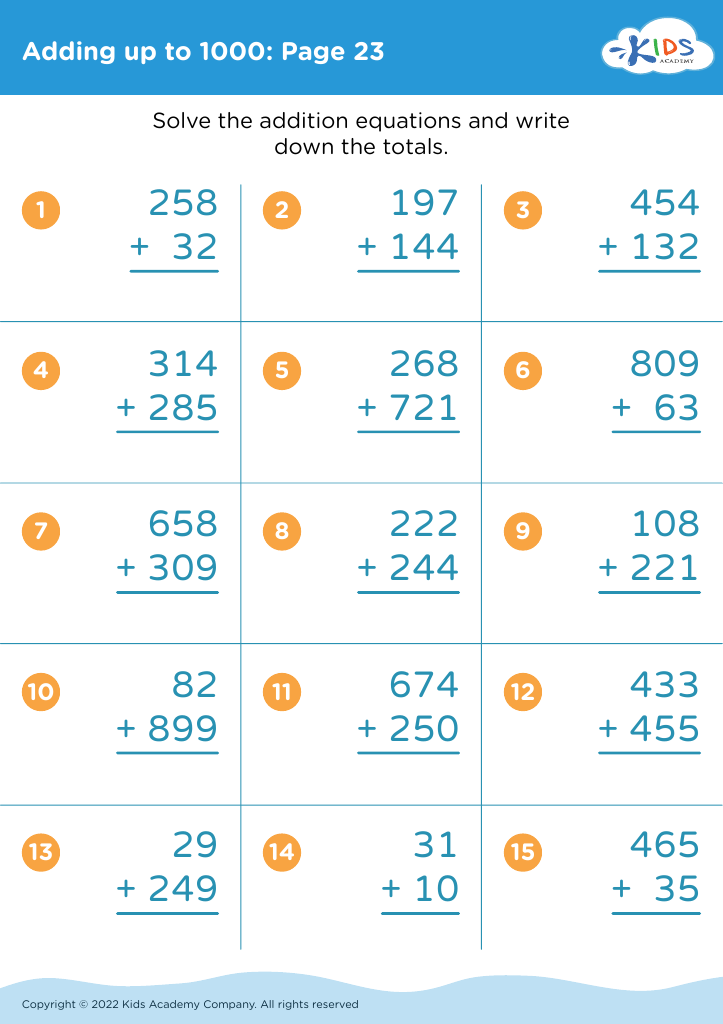
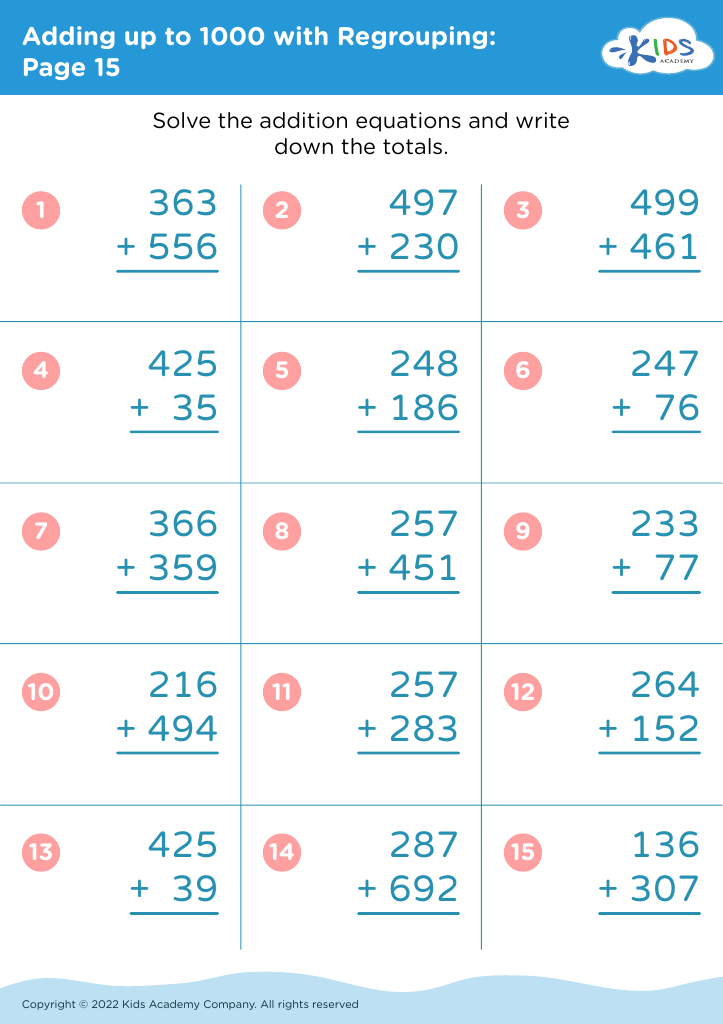
Help your 9-year-old master the art of reading analog clocks with our engaging worksheets! Designed specifically for young learners, these resources offer a variety of exercises that make telling time fun and interactive. Your child will explore different clock faces, practice identifying hour and minute hands, and solve real-life time problems. Each worksheet is crafted to enhance time-telling skills and boost confidence in understanding analog clocks. Ideal for at-home learning or as a classroom supplement, these worksheets are perfect for reinforcing essential math concepts while keeping kids engaged. Download them today and watch your child become a time-telling pro!


.jpg)

Teaching 9-year-olds to read analog clocks is crucial for several reasons. First, developing this skill fosters a sense of independence and helps children manage their time effectively. In a world dominated by digital devices, reading analog clocks invites kids to engage with the traditional methods of timekeeping, promoting cognitive flexibility and adaptability.
Understanding analog clocks also enhances critical thinking. Children learn to interpret a visual representation of time, which helps develop their spatial awareness and numerical skills as they associate positions with values (e.g., hours and minutes). This can translate to improved mathematical abilities over time.
Moreover, knowledge of analog time connects children to societal norms. Many public spaces, such as schools and public transport, still use analog clocks. If children lack this skill, they may miss vital information and feel disoriented.
Additionally, teaching time-telling fosters discussions about routines and responsibilities. It helps promote punctuality and reinforces the concept of managing one's time effectively, which is critical for their daily activities, from school and homework to playdates. Overall, instilling this essential life skill equips children for successful interactions in their homes, schools, and broader communities.








