Sorting skills Worksheets for 9-Year-Olds
3 filtered results
-
From - To
Enhance your 9-year-old's sorting skills with our engaging worksheets designed to foster critical thinking and organization. Our collection features a variety of fun, age-appropriate activities that help children practice categorization, classification, and comparison. These interactive exercises encourage them to sort objects, images, and words based on different attributes such as size, color, or shape. By using these worksheets, children will not only sharpen their sorting abilities but also build a strong foundation for problem-solving skills essential for future learning. Discover the joy of learning through play while supporting your child’s development with our professionally crafted sorting skills worksheets!
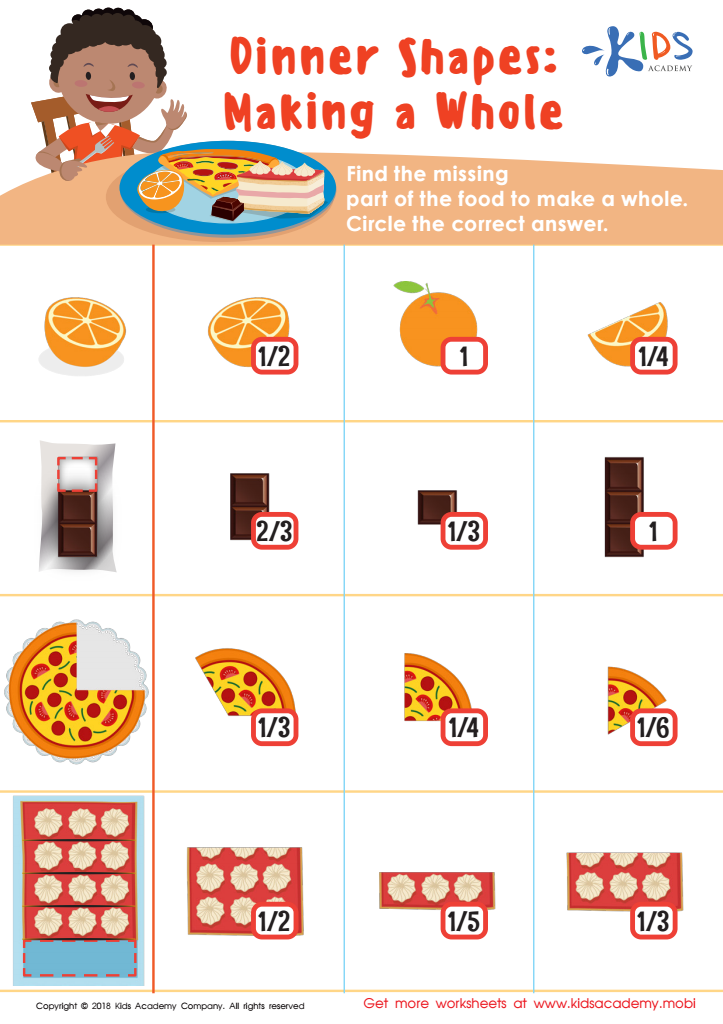
Dinner Shapes: Making a Whole Worksheet
 Assign to My Students
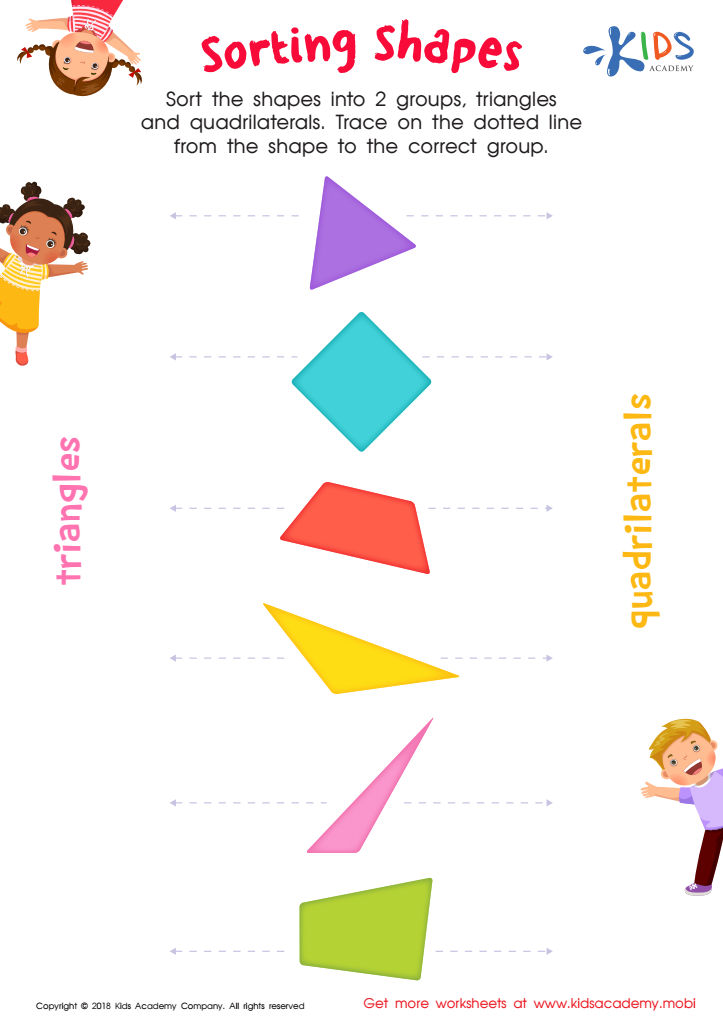
Sorting Shapes Worksheet
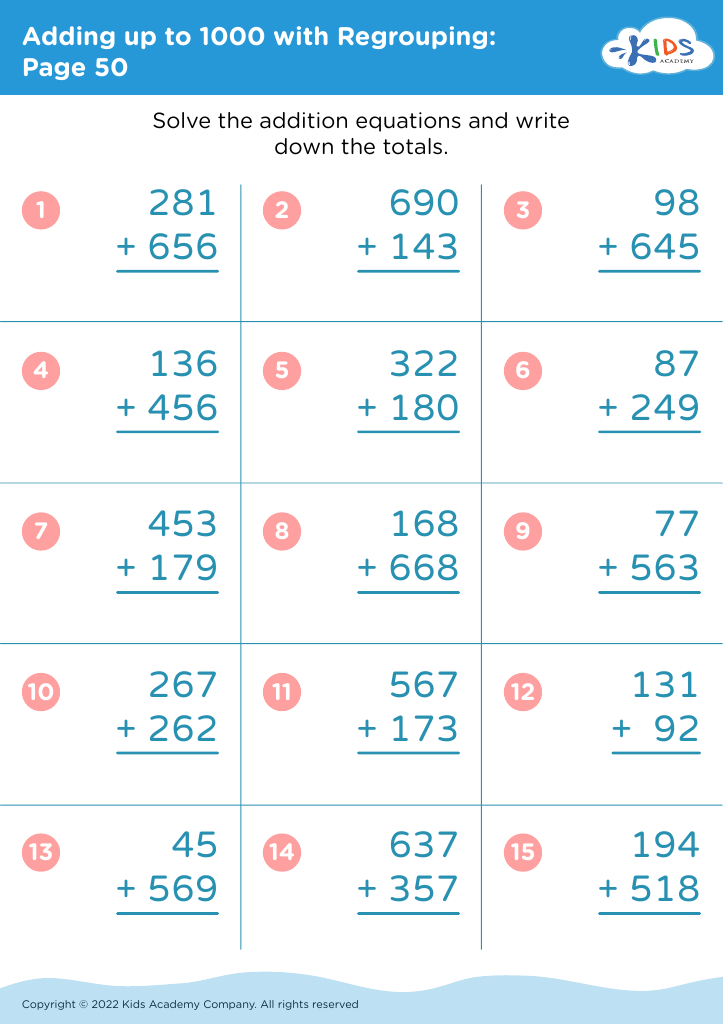








Sorting skills are crucial for 9-year-olds as they serve as foundational cognitive abilities in a child's development. At this age, children are not only refining their sorting abilities but also applying them to various academic and life scenarios. Understanding how to categorize and organize information fosters critical thinking and problem-solving skills. For instance, when children sort objects or information, they practice recognizing similarities and differences, which aids in their comprehension of complex subjects like math, science, and language.
Moreover, sorting encourages the development of logical reasoning. By organizing items based on specific criteria, children learn to think systematically, which can enhance their decision-making skills. These skills are transferable beyond academics; effective sorting can help children navigate social interactions, manage their personal belongings, and develop study habits.
Additionally, engaging in sorting activities can boost a child's engagement with learning materials, making education more interactive. For parents and teachers, supporting the development of sorting skills through games, puzzles, or everyday activities creates a strong foundation for lifelong learning. This investment in children's cognitive abilities fosters independence, enhances academic performance, and prepares them for future challenges in a structured world. Recognizing the importance of sorting can significantly aid children's overall development.








