Spelling practice Worksheets for 9-Year-Olds - Page 2
28 filtered results
-
From - To
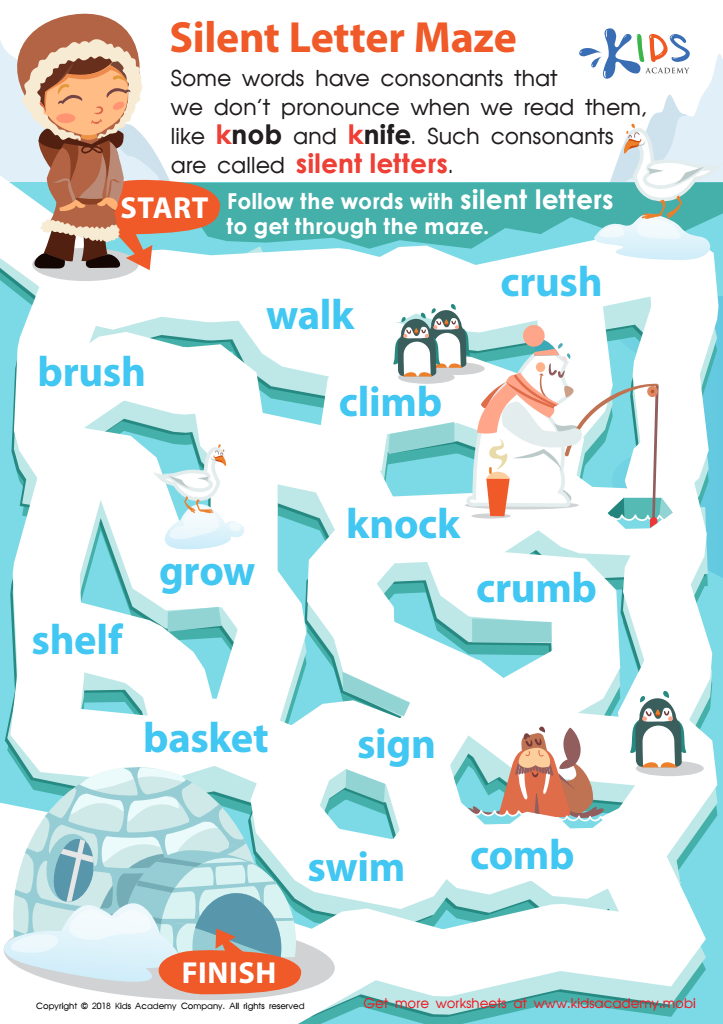
Silent Letter Maze Worksheet
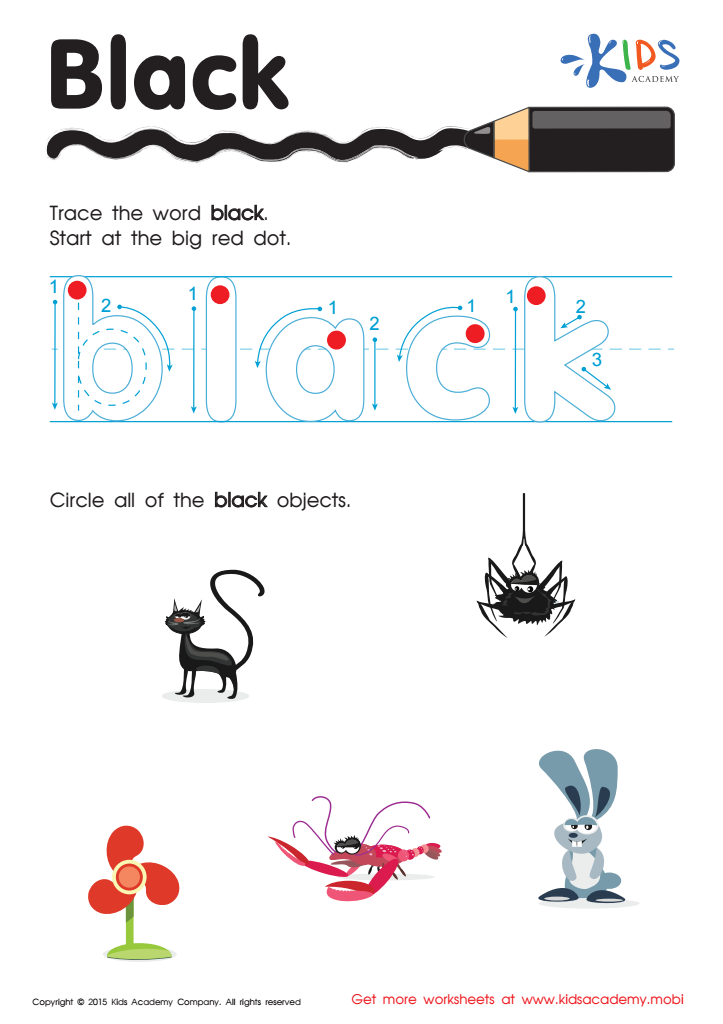
Black Tracing Color Words Printable
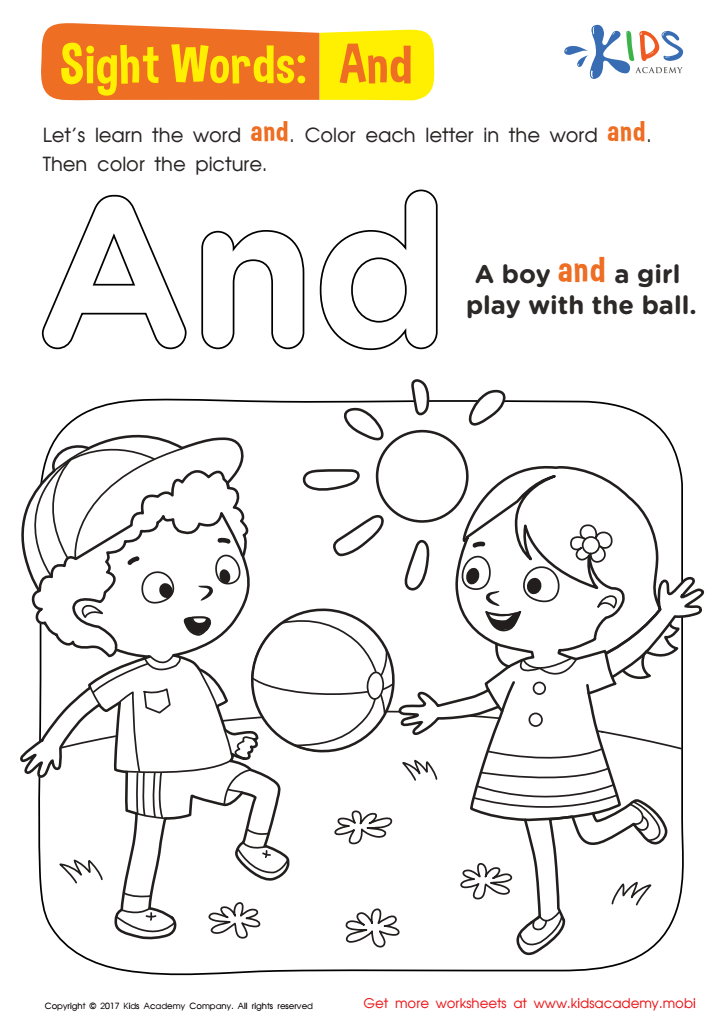
And Worksheet Sight Words Worksheet
 Assign to My Students
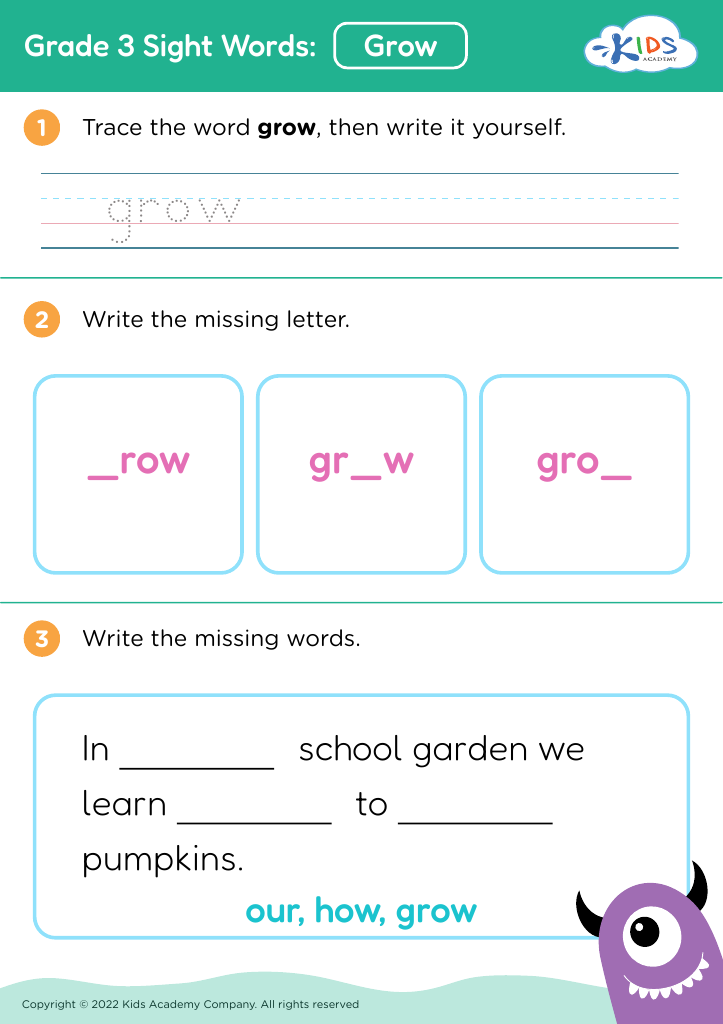




.jpg)



Spelling practice is crucial for 9-year-olds as it lays a foundation for effective communication and academic success. At this age, children are expanding their vocabulary rapidly, and knowing how to spell words correctly helps them to read and write with more accuracy and confidence. Spelling practice not only aids in understanding the structure of words but also enhances cognitive development by improving memory and attention to detail.
For parents and teachers, emphasizing spelling practice can translate to better literacy skills for their children or students. Proper spelling is directly related to a child's proficiency in other subjects, as clear written expression and comprehension are essential in almost every academic discipline. Moreover, consistent practice in spelling fosters a love for reading and writing, which are pivotal elements in lifelong learning.
Additionally, spelling practice encourages curiosity about language and its rules, leading children to be more analytical and motivated learners. It instills discipline as they memorize spellings and adhere to spelling conventions. In today’s digital age, where auto-correct features are prevalent, anchoring foundational spelling skills early on is indispensable. Fostering these habits at a crucial stage of development ensures that children are well-prepared to navigate the rewards and challenges of advanced literacy with unwavering confidence and competence.








