Story sequencing Worksheets for 9-Year-Olds
4 filtered results
-
From - To
Discover our engaging Story Sequencing Worksheets designed specifically for 9-year-olds! These worksheets help young learners enhance their reading comprehension and critical thinking skills by arranging story events in the correct order. Through fun activities, children will not only improve their ability to understand narrative structure but also boost their vocabulary and creativity. Our resources are perfect for both classroom settings and at-home learning, offering a variety of colorful illustrations and captivating scenarios to keep students motivated. Foster a love for storytelling and enhance literacy skills with our thoughtfully crafted story sequencing worksheets—ideal for reinforcing essential learning while igniting imagination!
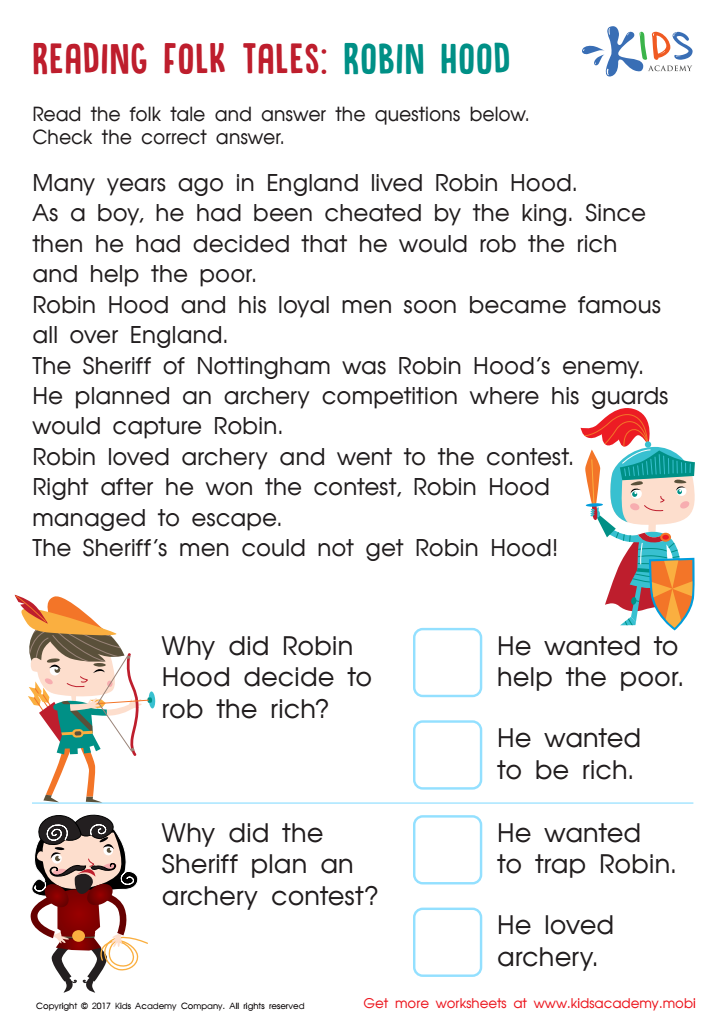
Robin Hood Folktale Worksheet
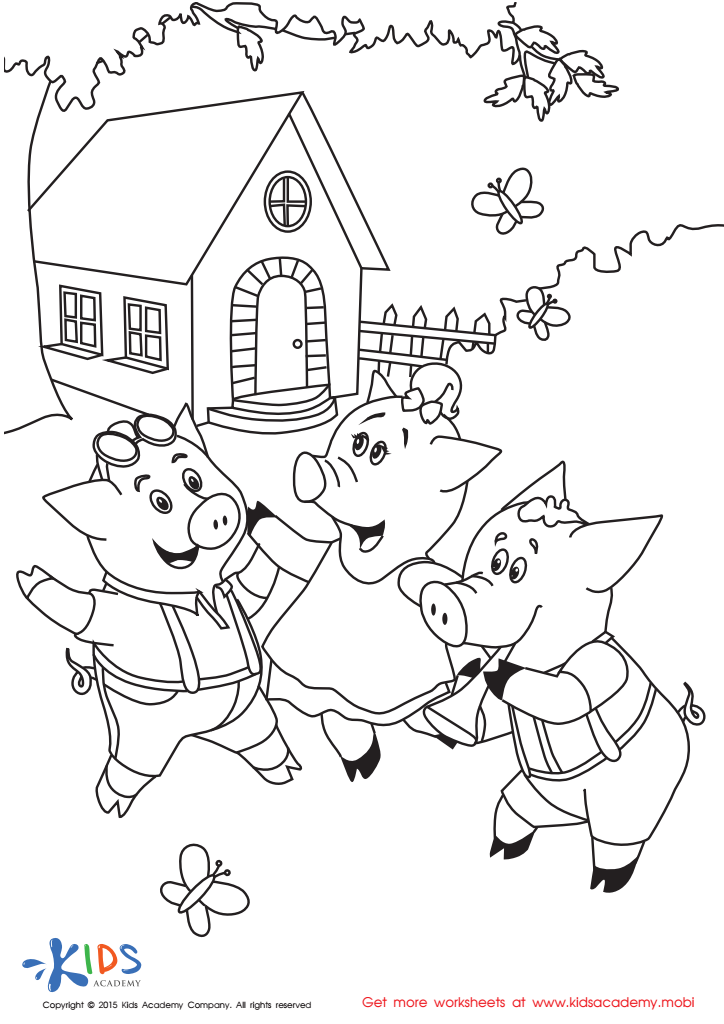
Folktales Printable PDF Worksheet: The 3 Little Pigs
 Assign to My Students
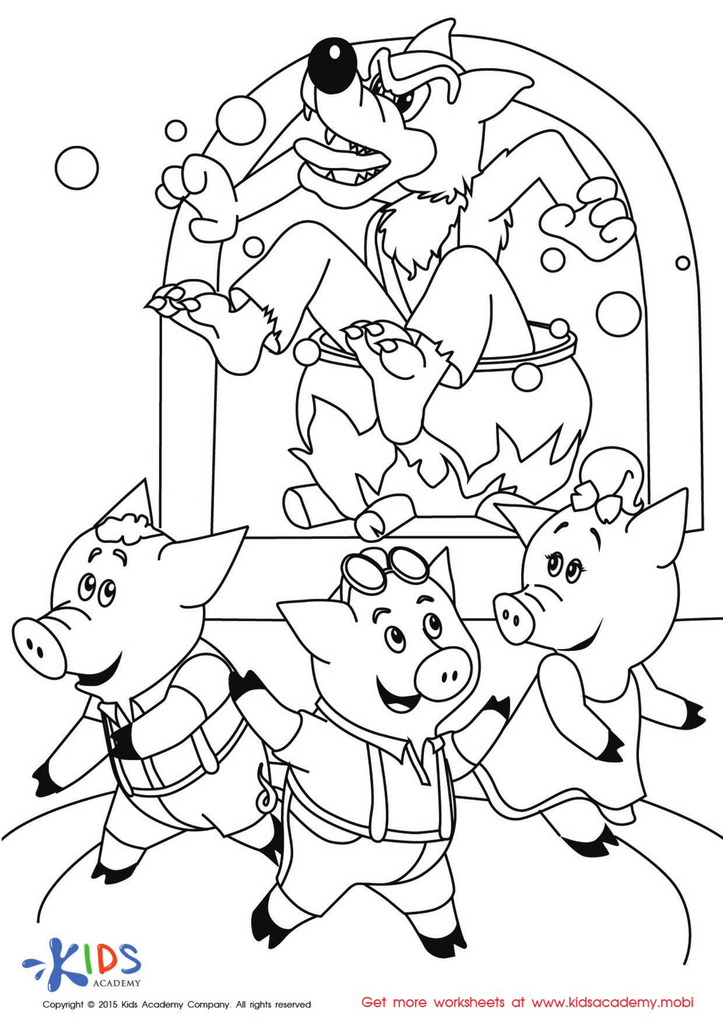
The Three Little Pigs and The Big Bad Wolf Printable
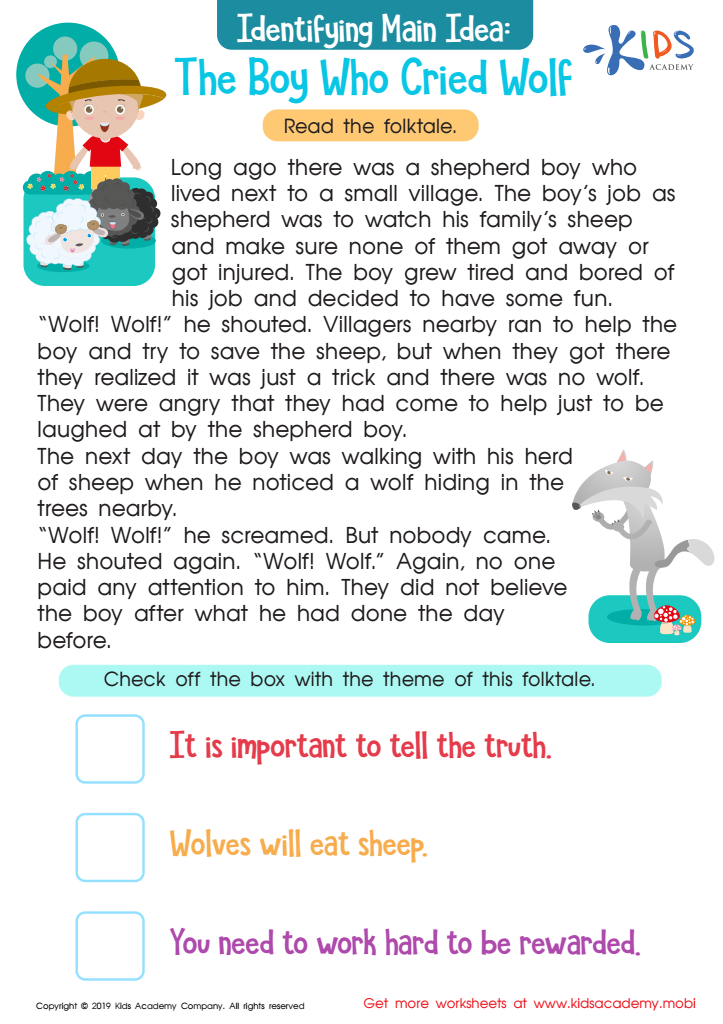
The Boy Who Cried Wolf Part 2 Worksheet








Story sequencing is a fundamental skill that plays a crucial role in developing a child's literacy, comprehension, and cognitive abilities by the age of nine. For parents and teachers, this skill is worth prioritizing for several reasons.
Firstly, story sequencing enhances a child's understanding of narrative structure. Recognizing the beginning, middle, and end of a story helps children grasp the flow of ideas and events, fostering better comprehension and retention. This understanding can translate into more effective reading and writing skills, crucial in academic success.
Additionally, sequencing cultivates critical thinking and reasoning. When children arrange events in the correct order, they practice their analytical skills, which are essential not only in literacy but across all subjects. It encourages them to consider cause-and-effect relationships, fostering deeper engagement with content.
Furthermore, story sequencing aids in building communication skills. Children learn to express their thoughts coherently by discussing and recounting stories accurately. This also nurtures their creativity, as they explore different ways to rearrange tales or create their own narratives.
In essence, prioritizing story sequencing helps children develop a wide range of essential skills that will benefit them academically and socially, making it a vital focus for both parents and educators.








