Understand patterns Worksheets for 9-Year-Olds
3 filtered results
-
From - To
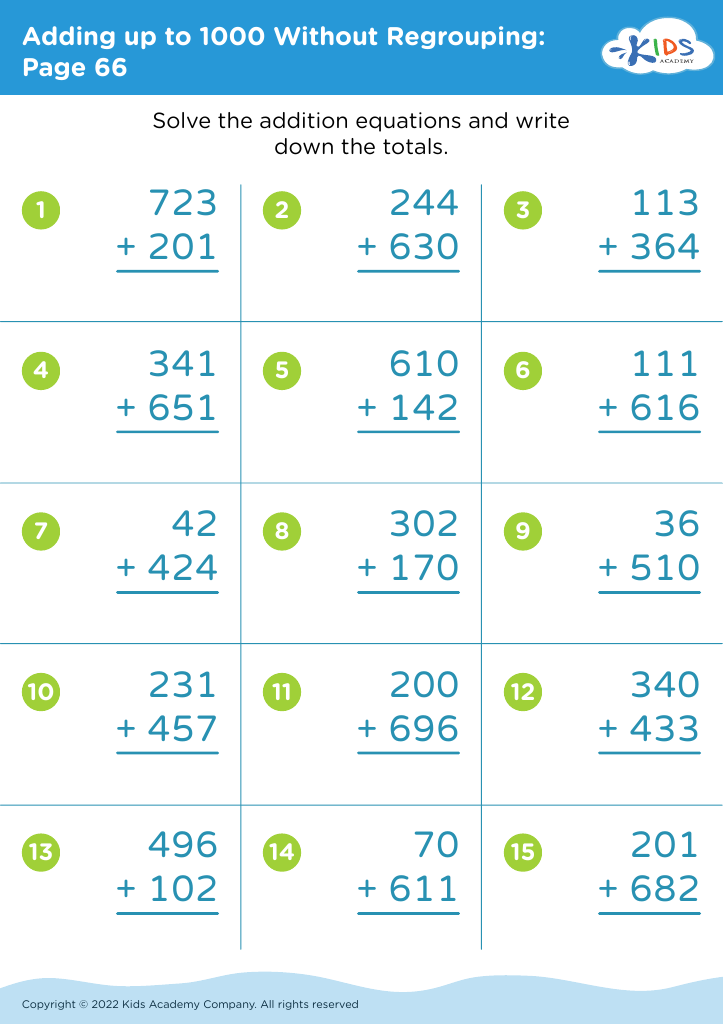
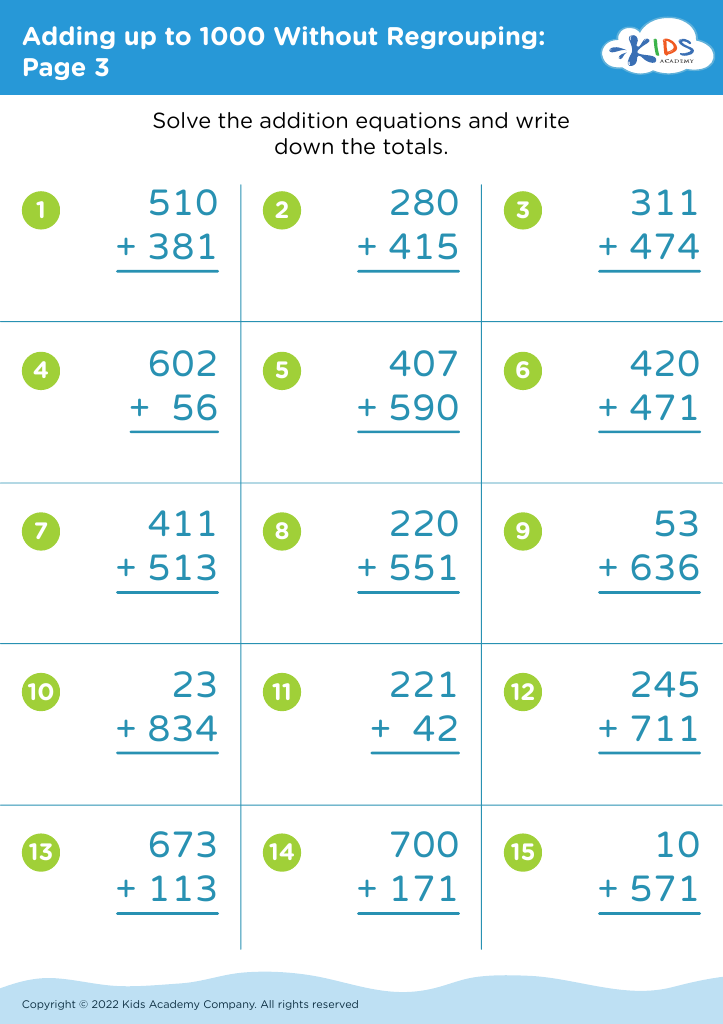
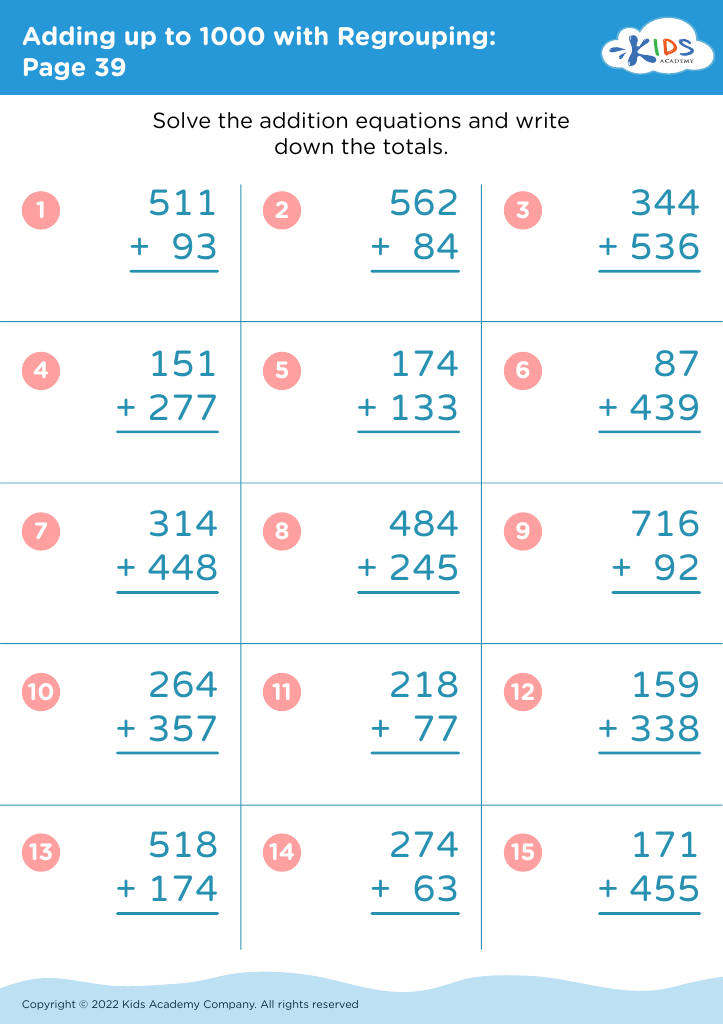
Discover engaging and educational "Understand Patterns Worksheets for 9-Year-Olds" at Kids Academy. These expertly designed worksheets bolster critical thinking and problem-solving skills through various exercises in identifying and creating patterns. Perfect for third graders, our printable activities cover numeric, geometric, and logical patterns, encouraging young minds to explore sequences, predict outcomes, and recognize relationships. Each worksheet is crafted to align with standard learning objectives, ensuring that children have fun while mastering essential skills. Enhance your child’s development and confidence in math with our top-quality, educational worksheets. Unlock their potential today at Kids Academy.







Understanding patterns is foundational for a 9-year-old’s cognitive development and critical thinking skills. For parents and teachers, fostering this understanding is paramount as it forms the bedrock for more complex mathematical concepts, problem-solving, and logical reasoning. Patterns help children predict what comes next and see relationships between different ideas, which are crucial skills not only in math but across various subjects like science, art, and music.
When children recognize and create patterns, they enhance their ability to classify and categorize, skills that are essential for organizing thoughts and understanding the world. Patterns also improve memory and the ability to follow sequences, which are important for reading comprehension, following instructions, and historical timelines.
Moreover, patterns encourage a sense of order and discipline, supporting children in structuring their daily routines. This, in turn, aids in time management and planning skills. Engaging in pattern-finding activities can be fun and stimulating, sparking creativity and enjoyment in learning.
Incorporating activities that emphasize patterns, such as puzzles, rhythm games, and pattern-based exercises, is crucial. This hands-on practice not only solidifies these skills but also builds confidence in children, preparing them for the complexity of higher education and everyday life. Thus, understanding patterns is more than just a curricular goal; it is a critical life skill.








