Fraction comparison Addition Worksheets for 9-Year-Olds
13 filtered results
-
From - To
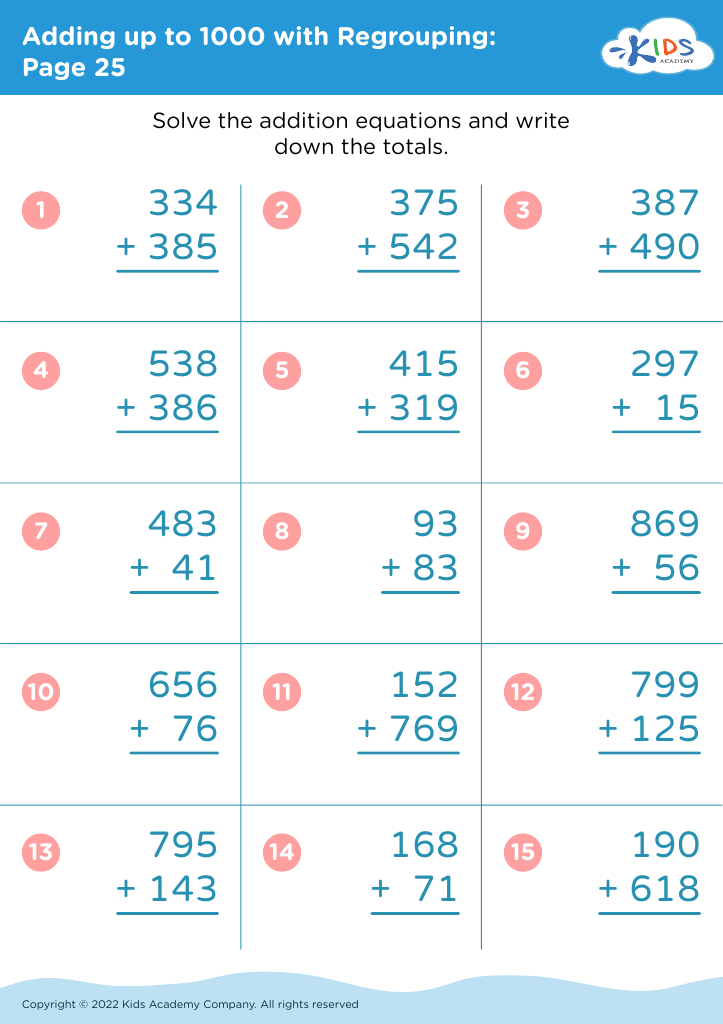
Explore our engaging Fraction Comparison Addition Worksheets designed specifically for 9-year-olds! These worksheets help young learners develop essential math skills by comparing and adding fractions, fostering both their analytical thinking and problem-solving abilities. Aligned with educational standards, each worksheet features colorful visuals and step-by-step instructions to make learning enjoyable. Perfect for classroom use or at-home practice, these resources will boost your child’s confidence in handling fractions as they work through various challenging exercises. Equip your 9-year-old with the tools to succeed in math while having fun! Download and start their math journey today to enhance their skills in a practical, engaging way.
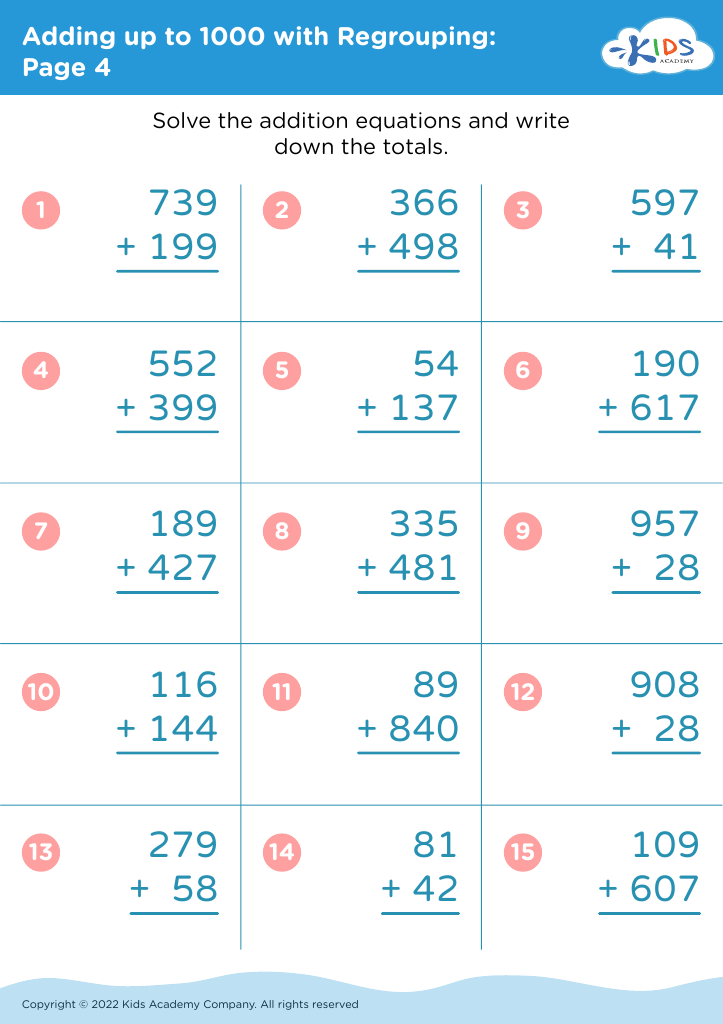
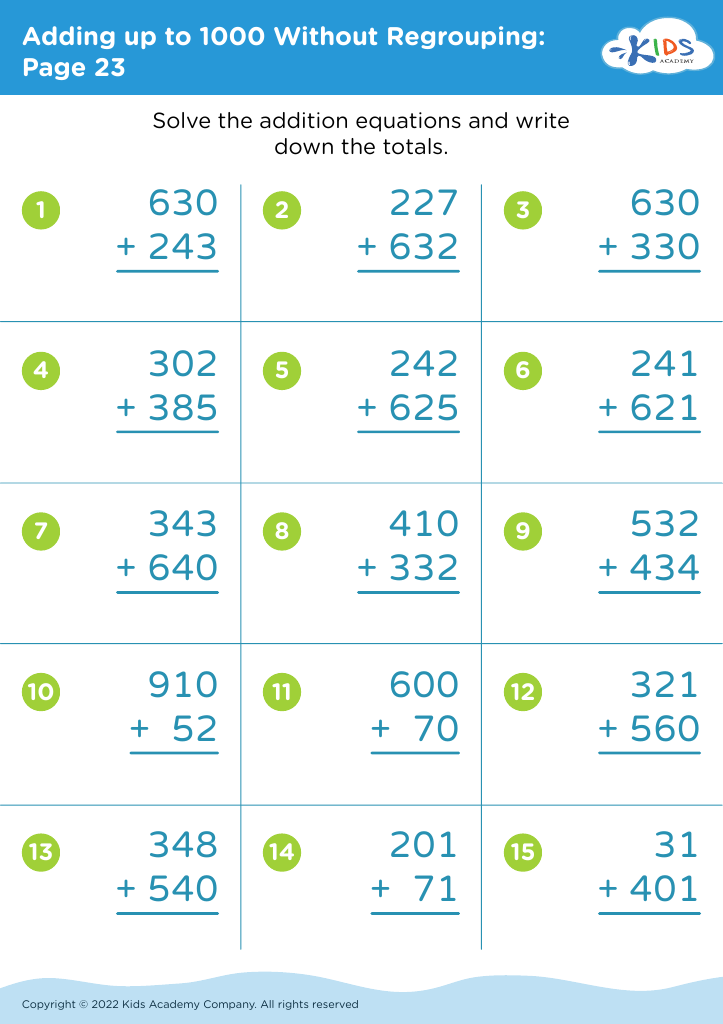
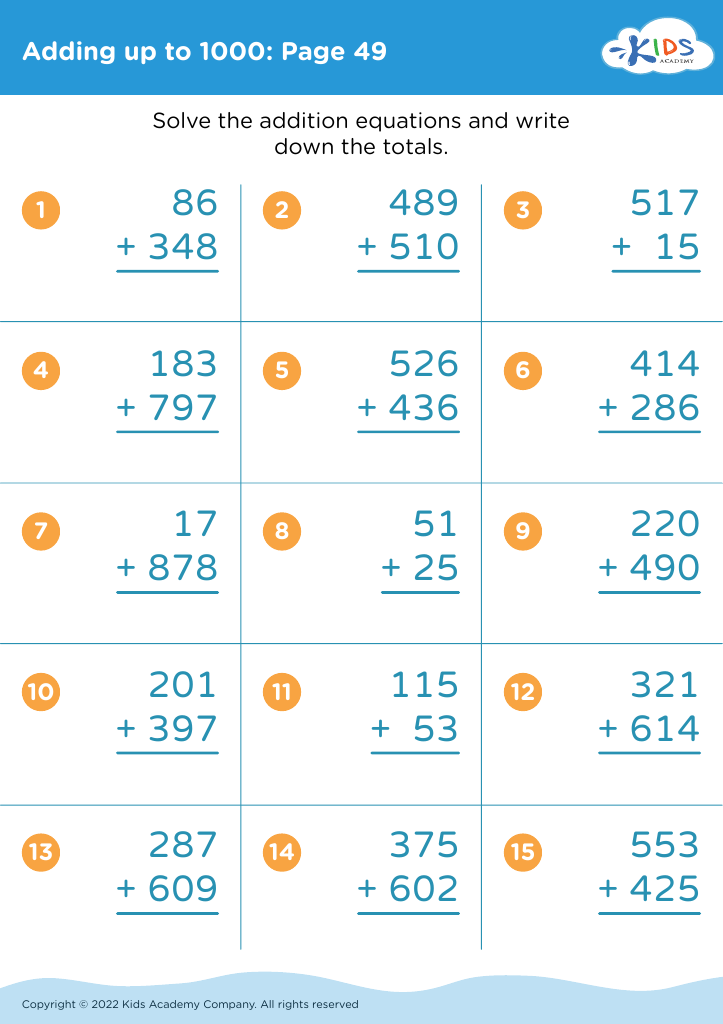
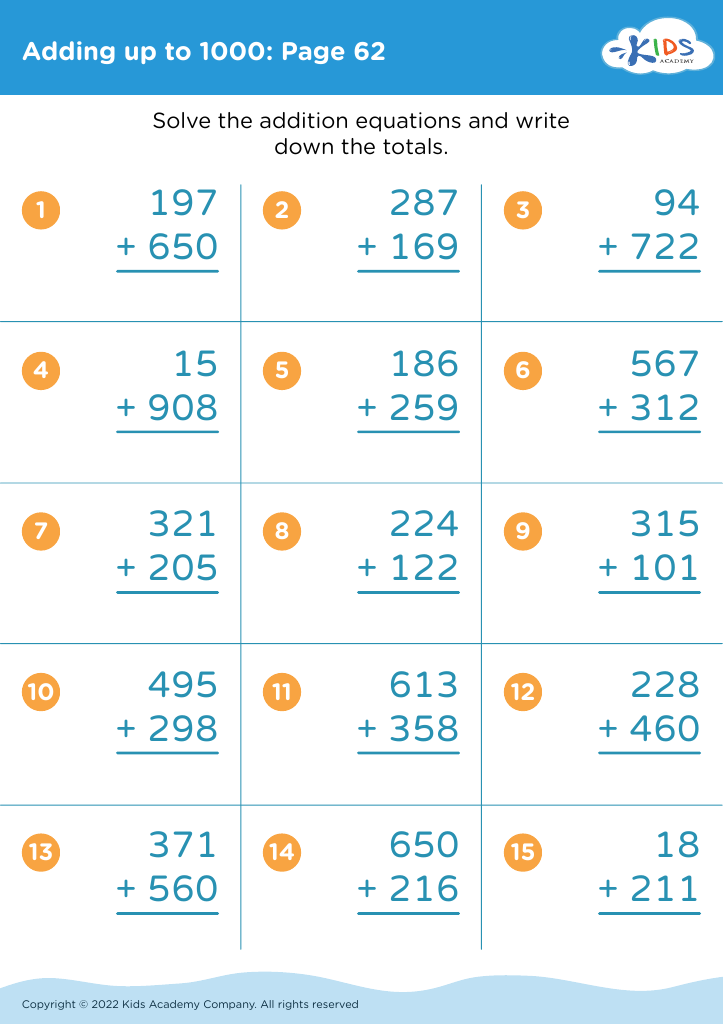



.jpg)



Fraction comparison and addition is a crucial mathematical concept for 9-year-olds, as it lays the foundation for their understanding of more advanced math topics. At this age, children are developing critical thinking and problem-solving skills, making it essential to engage them in learning fractions. Mastering fraction comparison and addition helps students cultivate numeracy skills, enabling them to solve practical everyday problems, such as cooking or shopping, where portions and fractions are commonly involved.
Furthermore, understanding fractions promotes the development of logical reasoning, as children learn to identify equivalent fractions, compare sizes, and understand how different denominators influence the results. This mastery also boosts their confidence, preventing math anxiety and fostering a positive attitude toward learning.
Teachers and parents should focus on creating real-life connections to fractions — for instance, using visual aids like pie charts or conducting cooking activities where measurements are crucial. As children progress in their education, a solid grasp of fractions will facilitate their understanding of more complex concepts, such as ratios and percentages, which are vital for math standardized testing and higher-level coursework. In summary, prioritizing fraction comparison and addition is fundamental for ensuring a child's mathematical success and fostering a love for learning.








