Vocabulary expansion Addition Worksheets for 9-Year-Olds
4 filtered results
-
From - To
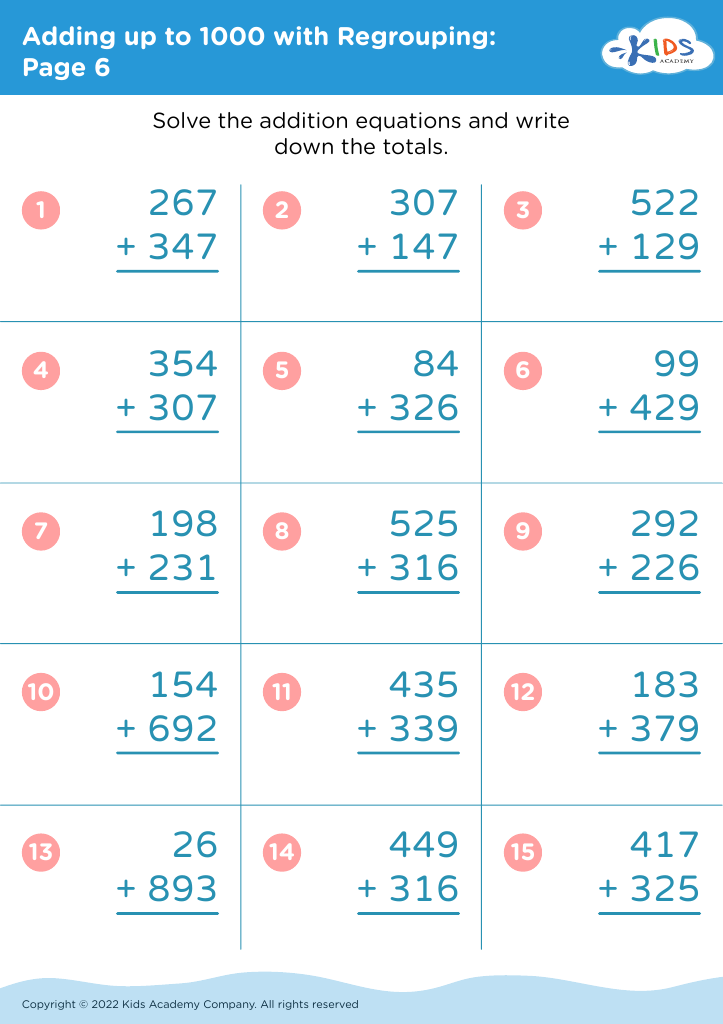
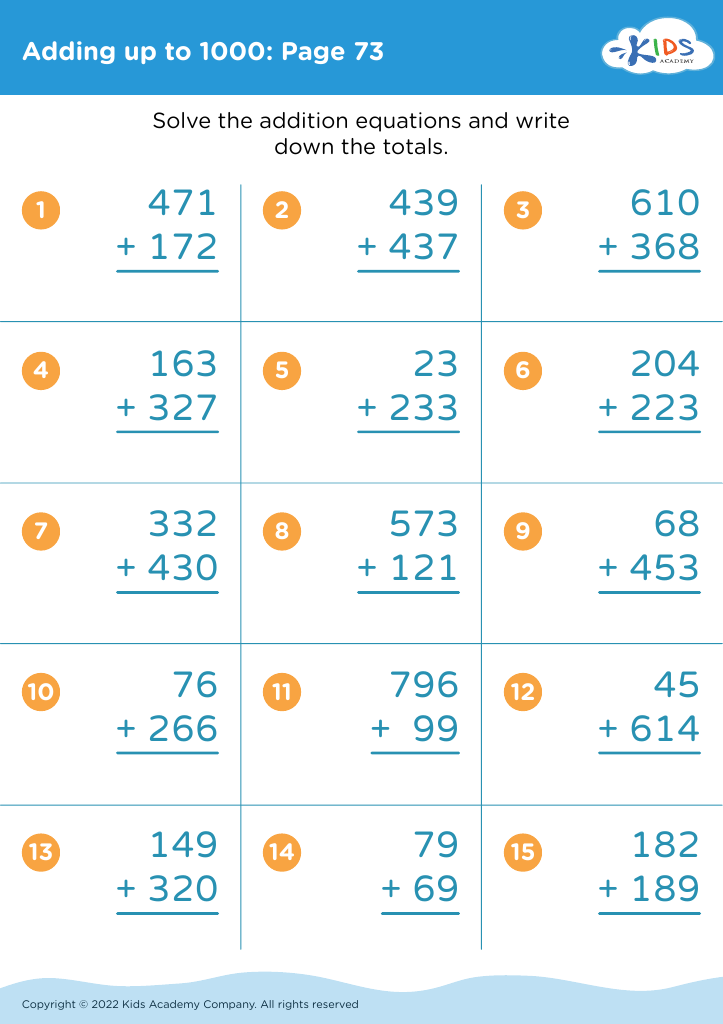
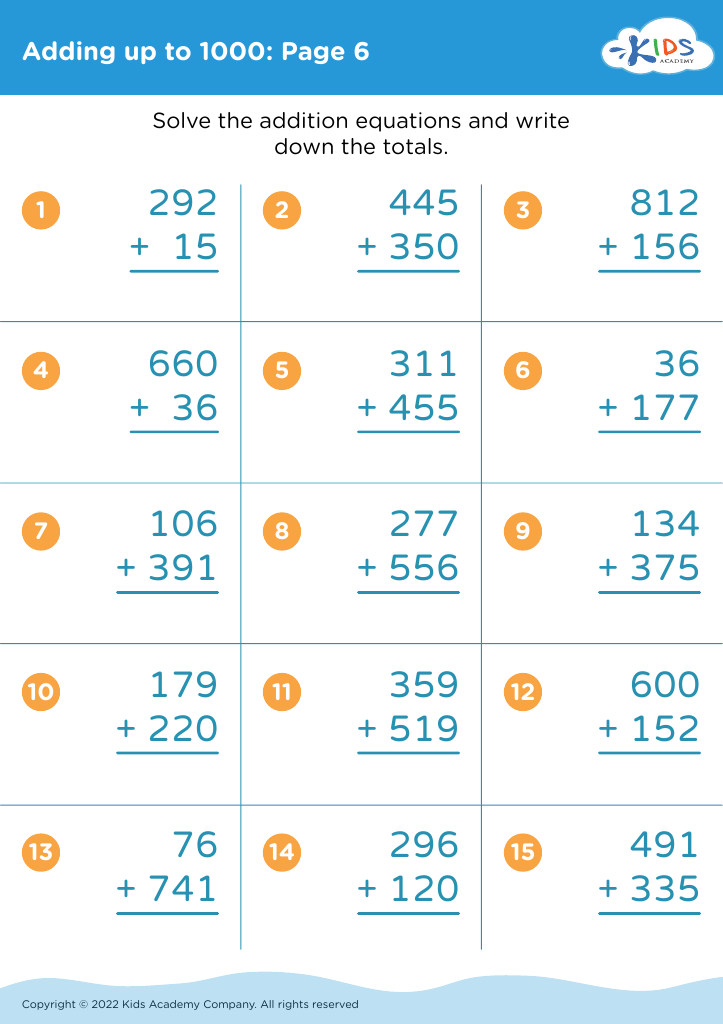
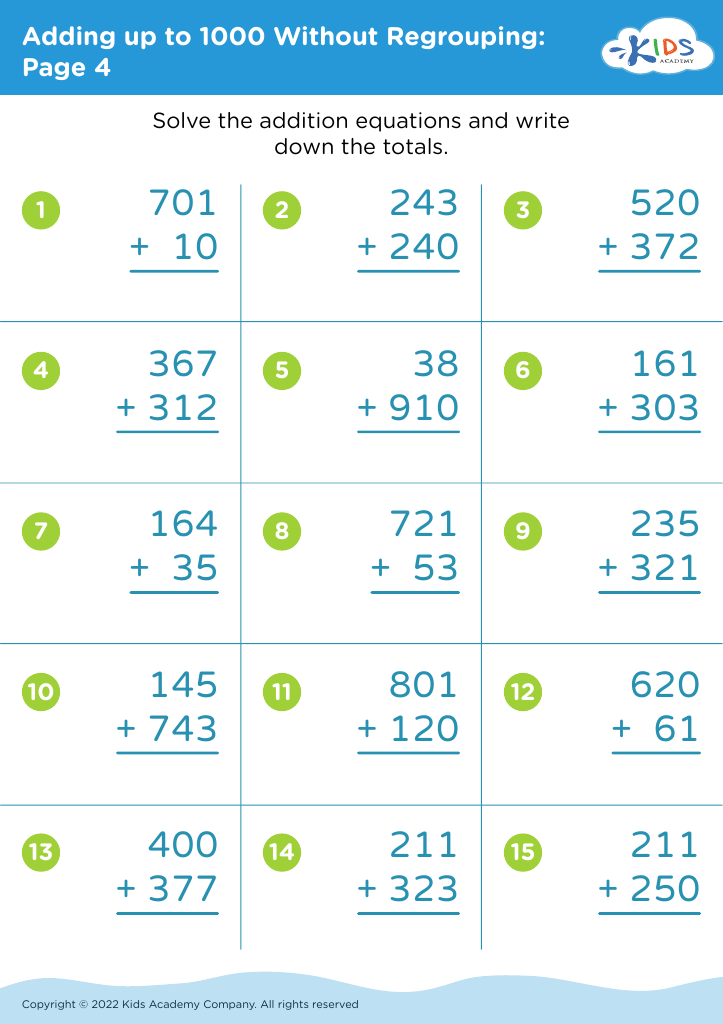
Enhance your 9-year-old's vocabulary with our engaging Vocabulary Expansion Addition Worksheets! Designed to make learning mathematics fun and interactive, these worksheets combine addition skills with vocabulary development. Students will encounter diverse terms while solving addition problems, helping them to not only become proficient in math but also to enrich their word knowledge. Our thoughtfully crafted exercises promote critical thinking and encourage communication skills as children explore new words in context. The worksheets are perfect for home or classroom use, ensuring that learning is dynamic and enjoyable. Download today and support your child's growth in both math and language skills!





.jpg)


Vocabulary expansion for 9-year-olds is crucial for several reasons, making it a priority for both parents and teachers. At this developmental stage, children are enhancing their reading and writing skills, and a rich vocabulary is fundamental for academic success. A broader vocabulary allows children to better comprehend texts, articulate their thoughts clearly, and effectively express their feelings. These skills are essential for engaging in discussions, participating in classroom activities, and developing critical thinking abilities.
Additionally, a strong vocabulary supports social development. As children interact with peers, they learn to communicate effectively and form relationships. Knowing a range of words helps them navigate social situations, understand nuances, and convey their emotions. Furthermore, vocabulary development at this age correlates with higher levels of literacy in the future, paving the way for lifelong learning and opportunities.
Parents and teachers play a vital role in this development. They can introduce new words through reading, conversations, and educational games, fostering an environment that encourages curiosity and exploration of language. Ultimately, vocabulary expansion not only enhances academic performance but also boosts self-confidence and social skills, laying a strong foundation for children’s future endeavors. Investing in vocabulary growth is investing in a child's overall development.








