Basic Math Skills Math Worksheets for 9-Year-Olds - Page 2
36 filtered results
-
From - To
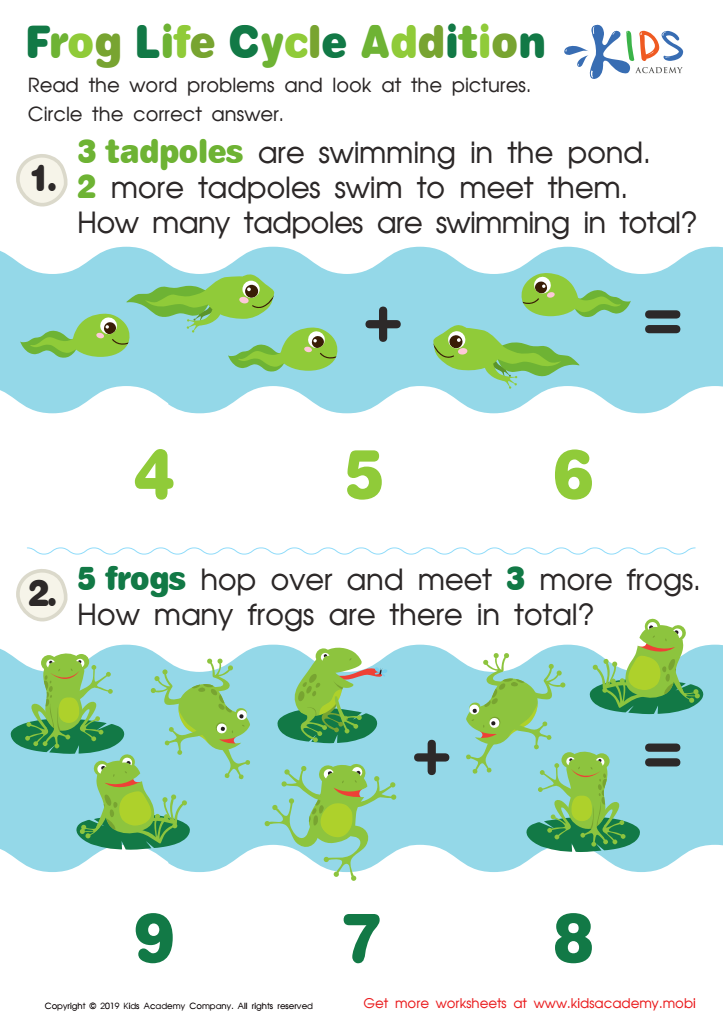
Frog Life Cycle Addition Worksheet
 Assign to My Students
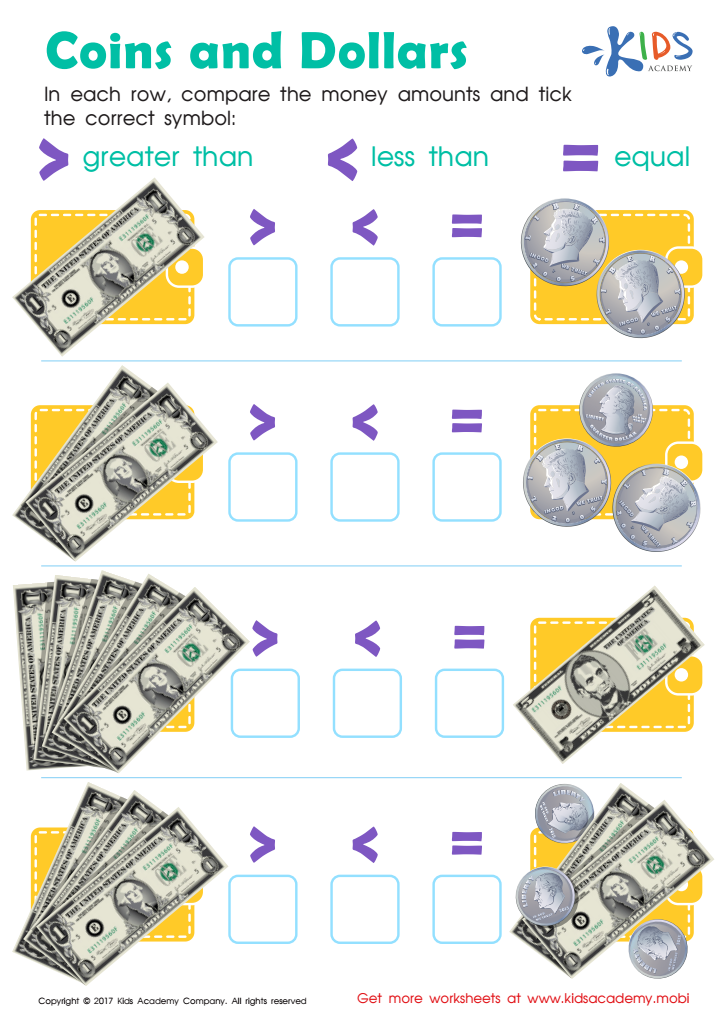
Money: Coins Dollars Printable
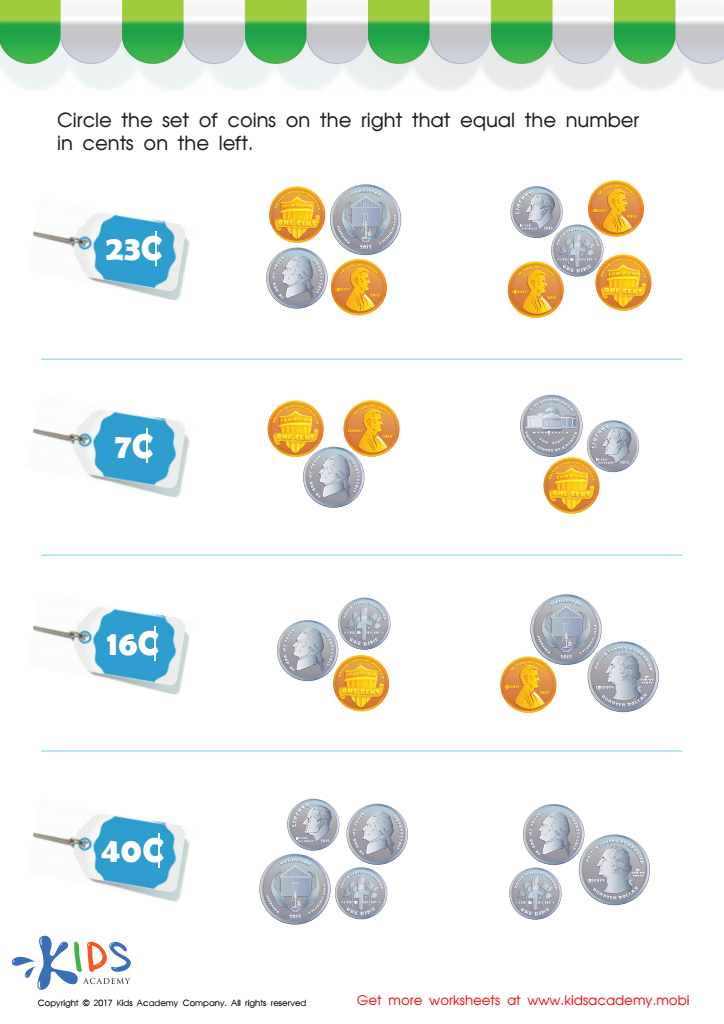
Picking the Coins You Need Money Worksheet
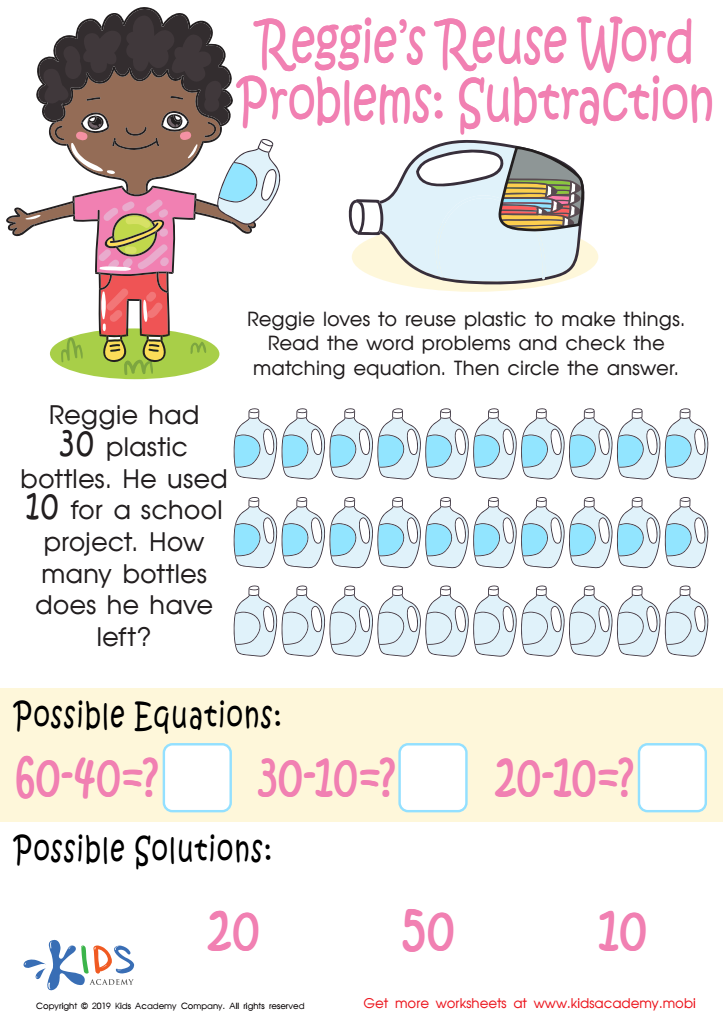
Reggie's Reuse Word Problems: Subtraction Worksheet
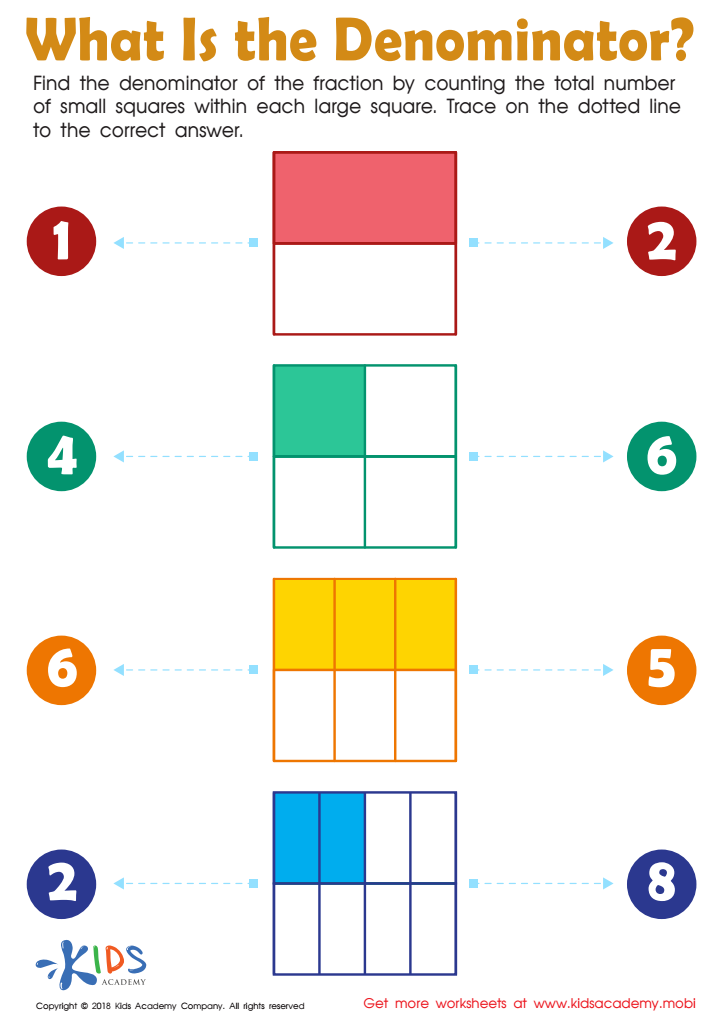
What Is the Denominator? Worksheet
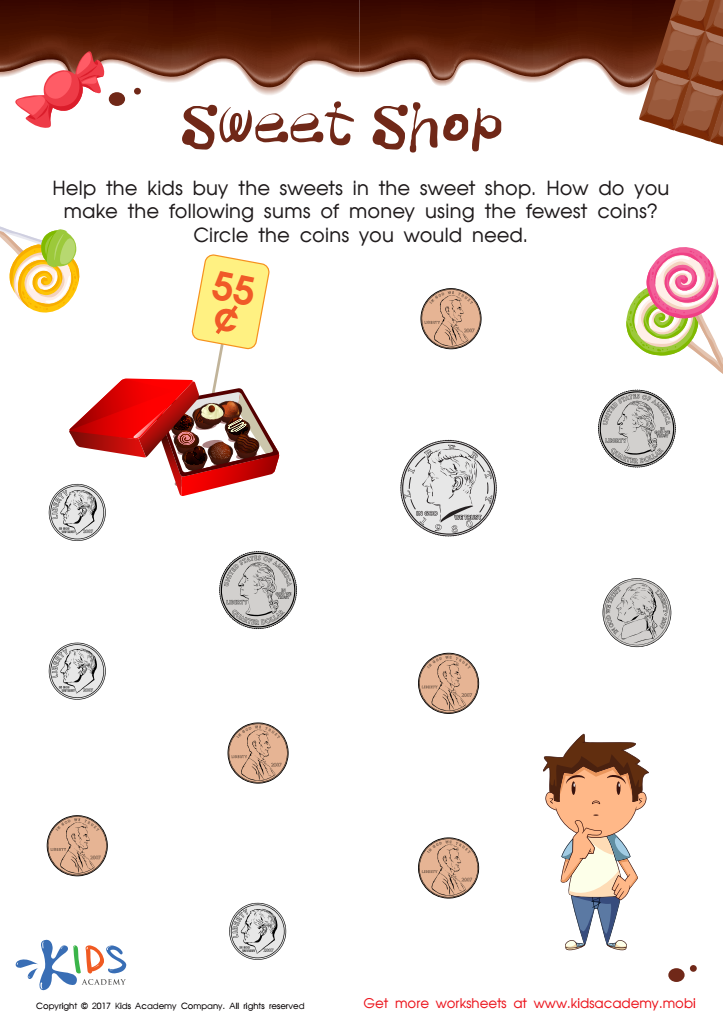
Sweet Shop – Counting Coins Worksheet
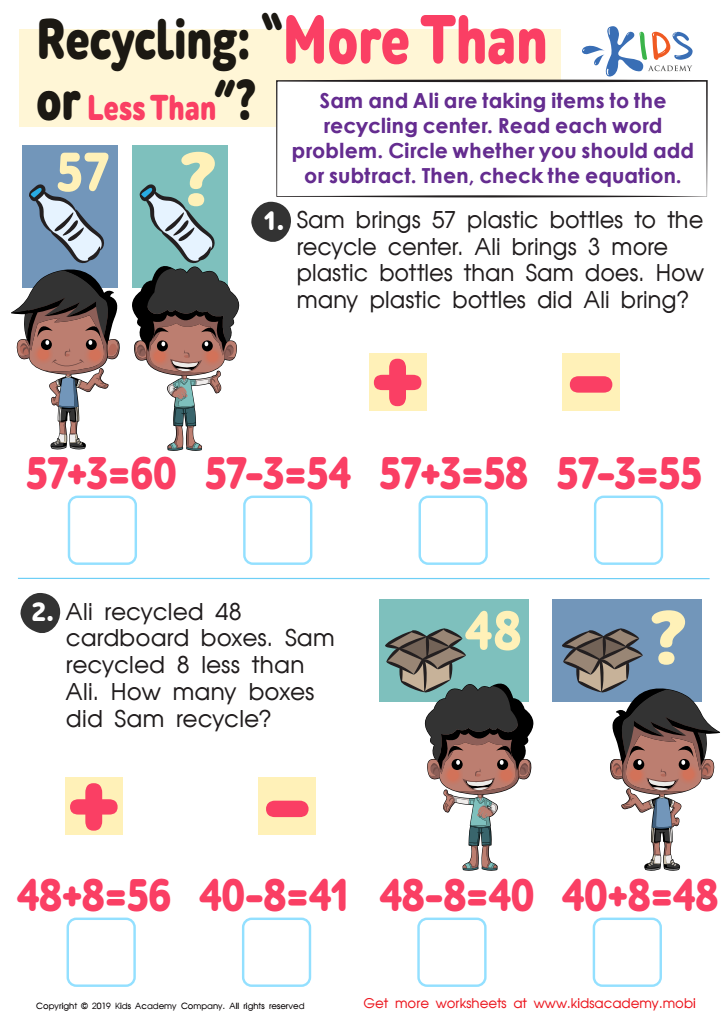
Recycling - More or Less Worksheet
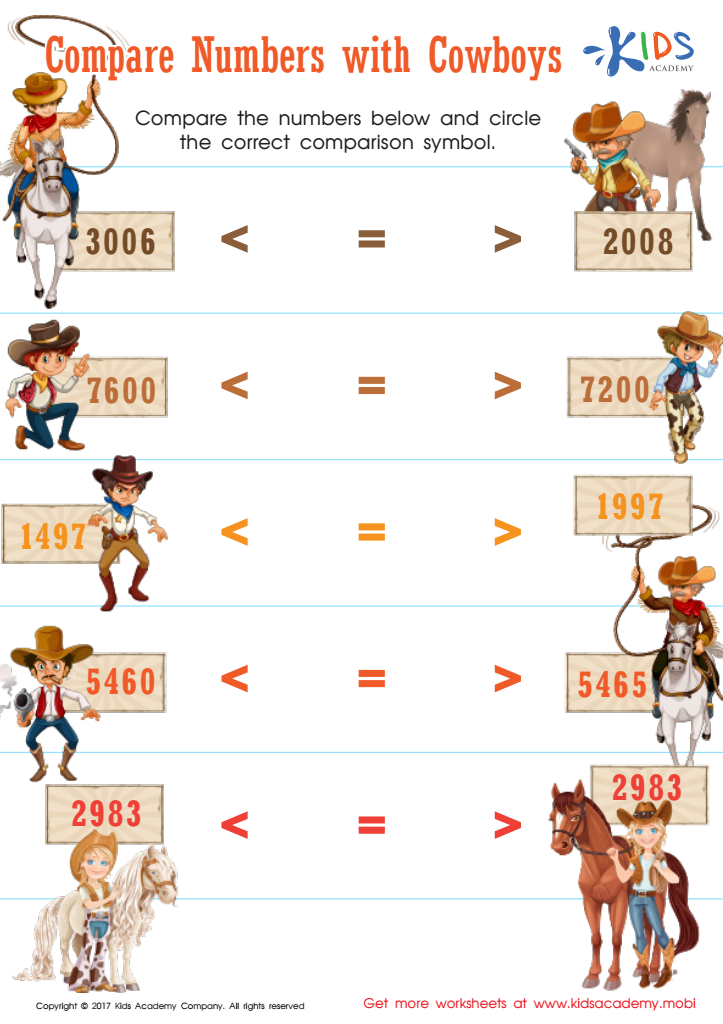
Compare Numbers Worksheet for 3rd Grade
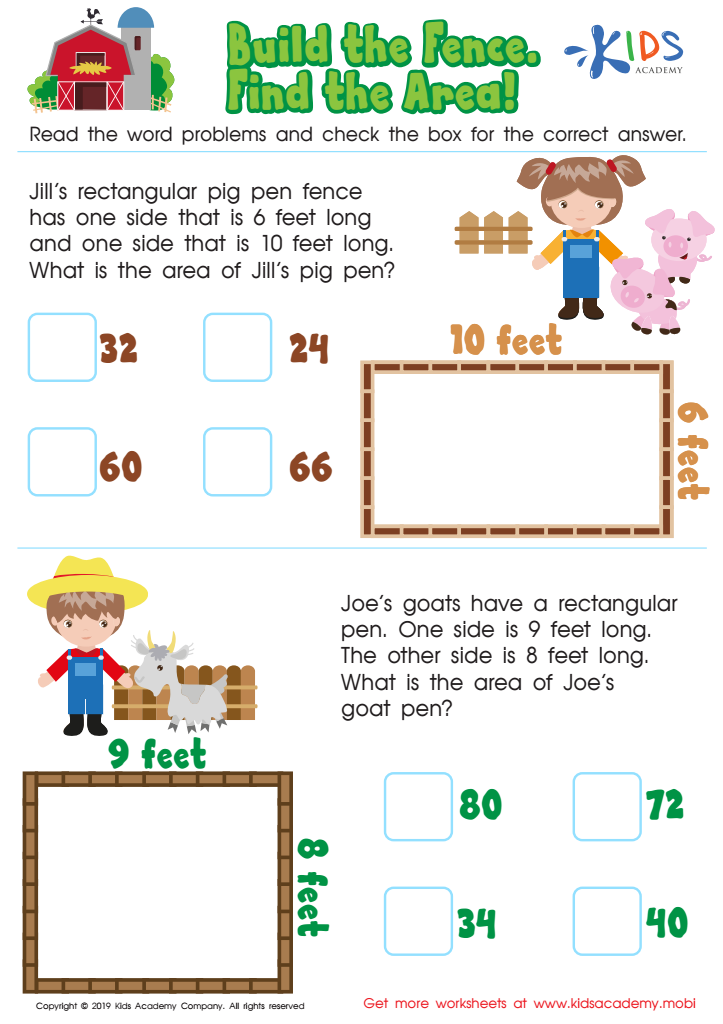
Build the Fence, Find the Area Worksheet
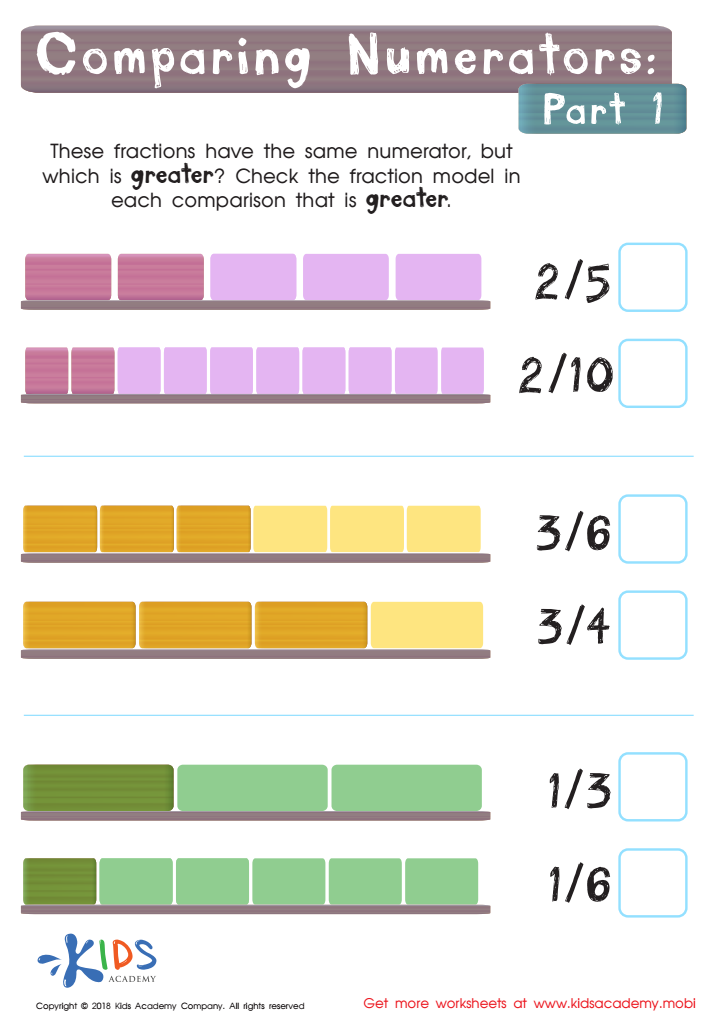
Comparing Numerators Part 1 Worksheet








Parents and teachers should be deeply invested in the development of basic math skills for 9-year-olds, as these foundational skills are critical for their overall academic success and daily life functionality. At this age, children are typically in the latter years of elementary school, focusing on key concepts such as addition, subtraction, multiplication, division, and the basics of geometry. Mastery of these skills is essential for understanding more complex mathematical concepts in the future.
Proficiency in basic math fosters problem-solving skills, logical reasoning, and critical thinking, abilities that are applicable across many disciplines and in everyday situations. Additionally, a strong foundation in math can boost a child’s confidence and enthusiasm for learning, helping to foster a positive attitude towards education in general.
Moreover, early math skills are predictive of later academic achievements not only in math but also in other areas such as science and engineering. Gaps in understanding basic math can lead to struggles and disengagement in higher-level classes, potentially influencing career opportunities and day-to-day decision-making abilities.
By nurturing basic math skills at a young age, parents and teachers help set children on a path toward lifelong learning, empowering them to face academic challenges with confidence and proficiency. The priority given to these fundamental skills can, thus, profoundly impact the child's future success and adaptability in a rapidly advancing world.








