Develop counting skills Math Worksheets for 9-Year-Olds
3 filtered results
-
From - To
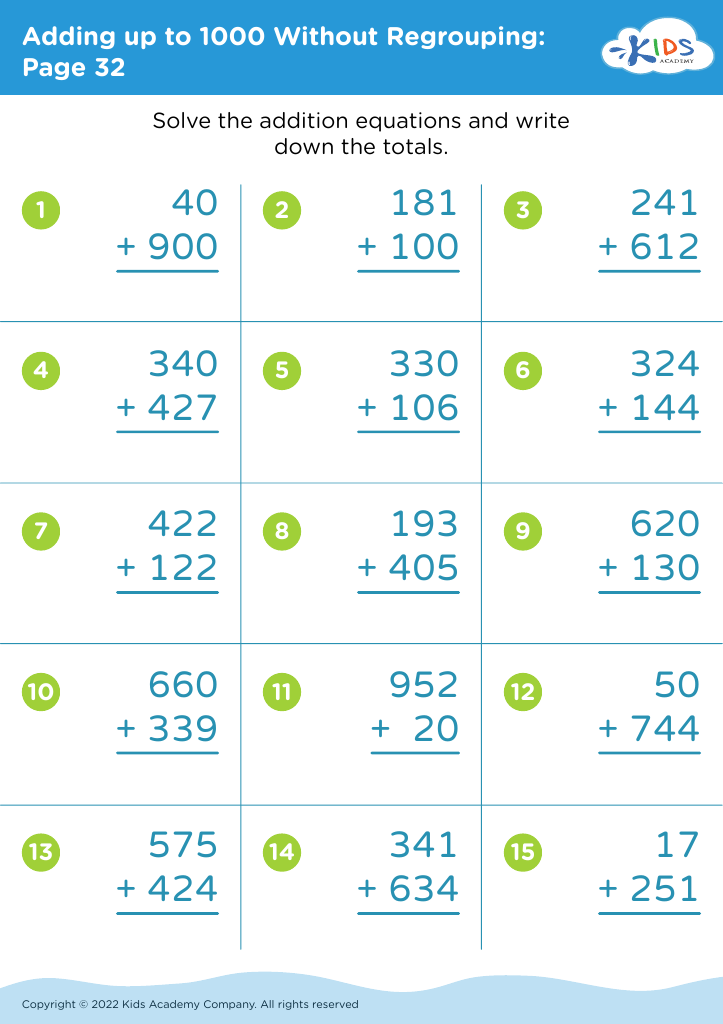
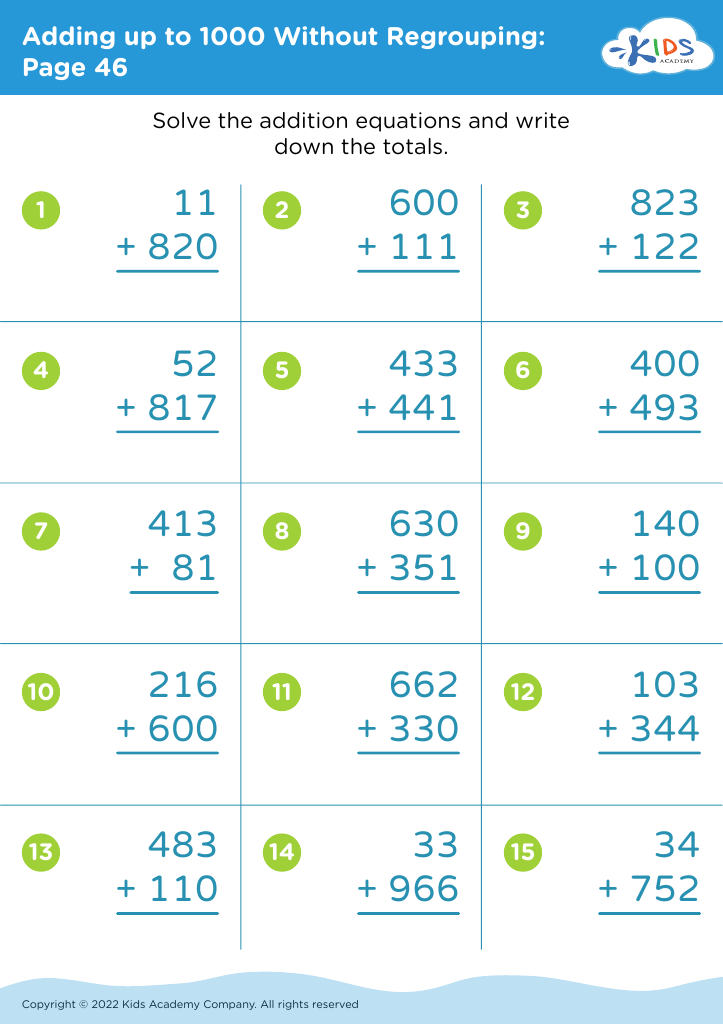
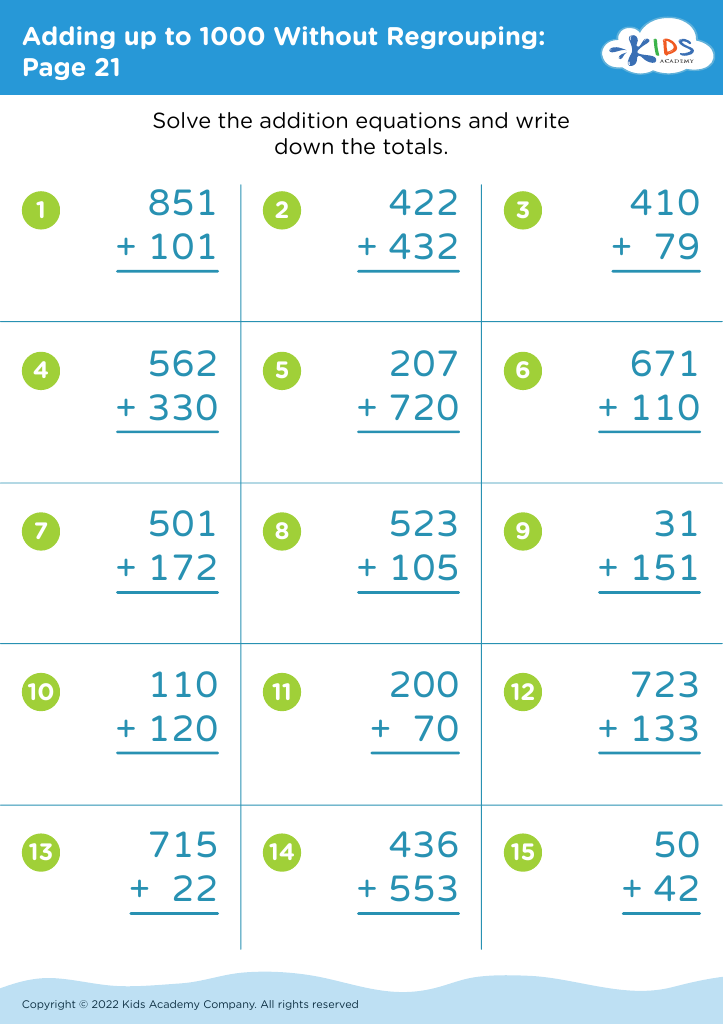
Enhance your 9-year-old's counting skills with our engaging math worksheets! Designed specifically for developing numerical fluency, these worksheets provide a variety of fun activities that make learning to count enjoyable. From counting objects to simple addition exercises, each worksheet aims to reinforce essential math concepts in a playful and interactive way. With colorful visuals and age-appropriate challenges, students will become more confident in their counting abilities. Ideal for classroom use or at-home learning, our materials encourage independent practice while fostering a love for mathematics. Explore our collection and watch your child excel in counting skills today!






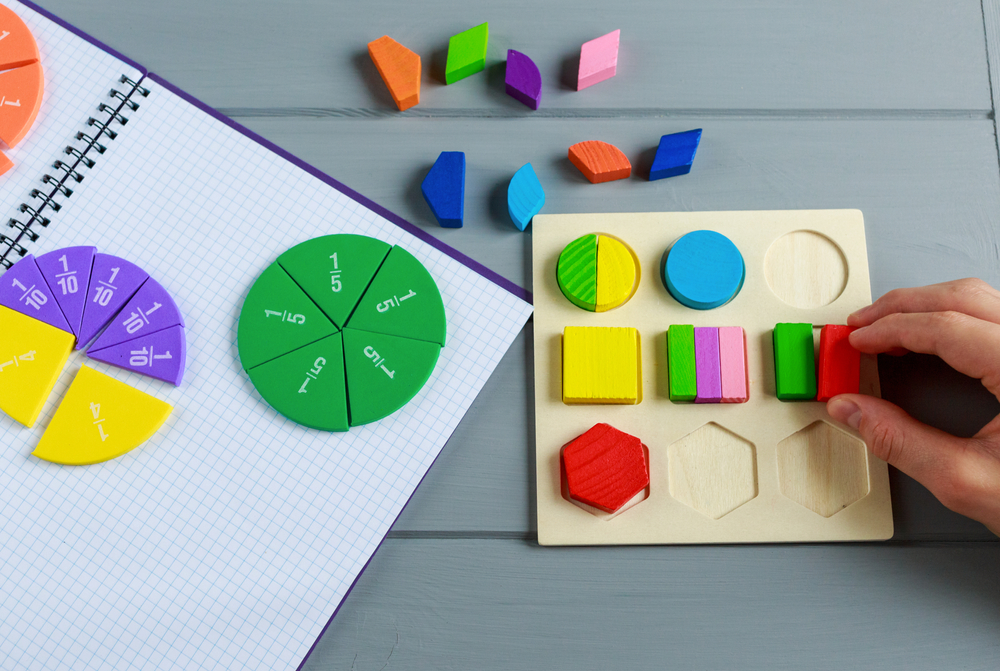
Developing counting skills in 9-year-olds is crucial for several reasons that warrant attention from both parents and teachers. At this age, children are transitioning from simple numeral recognition to more complex mathematical concepts. Mastering counting lays a strong foundation for various math-related skills such as addition, subtraction, and even multiplication.
Firstly, counting is the basis for understanding numbers, enabling children to grasp the concept of quantity and measurement. This foundational skill helps them develop logical thinking and problem-solving abilities. Moreover, strong counting skills correlate with better performance in advanced math topics later on, directly impacting academic success.
Additionally, counting aids in daily life applications, from budgeting allowance to measuring ingredients for cooking. Encouraging counting through games, songs, and real-life experiences engages children, making learning enjoyable.
Furthermore, promoting counting skills nurtures perseverance and confidence. Children who are proficient in counting are less likely to struggle with math concepts, leading to a more positive attitude towards learning. In summary, prioritizing counting skill development not only enhances a child's academic performance but also equips them with essential life skills, fostering independence and critical thinking. Therefore, it’s imperative for parents and teachers to support and stimulate these counting skills at home and in the classroom.








