Real-life application Math Worksheets for 9-Year-Olds
5 filtered results
-
From - To
Discover engaging, real-life application math worksheets designed for 9-year-olds on Kids Academy! Our worksheets effectively blend everyday scenarios with essential math concepts, aiding young learners in understanding the practical uses of math. These fun and educational activities capture kids' curiosity while improving problem-solving and analytical skills. Whether calculating grocery costs or measuring ingredients, each worksheet provides a hands-on approach to learning. Perfect for home or classroom use, our printable worksheets ensure your child grasps math’s relevance in daily life, boosting their confidence and academic success. Empower your child with practical math knowledge today!
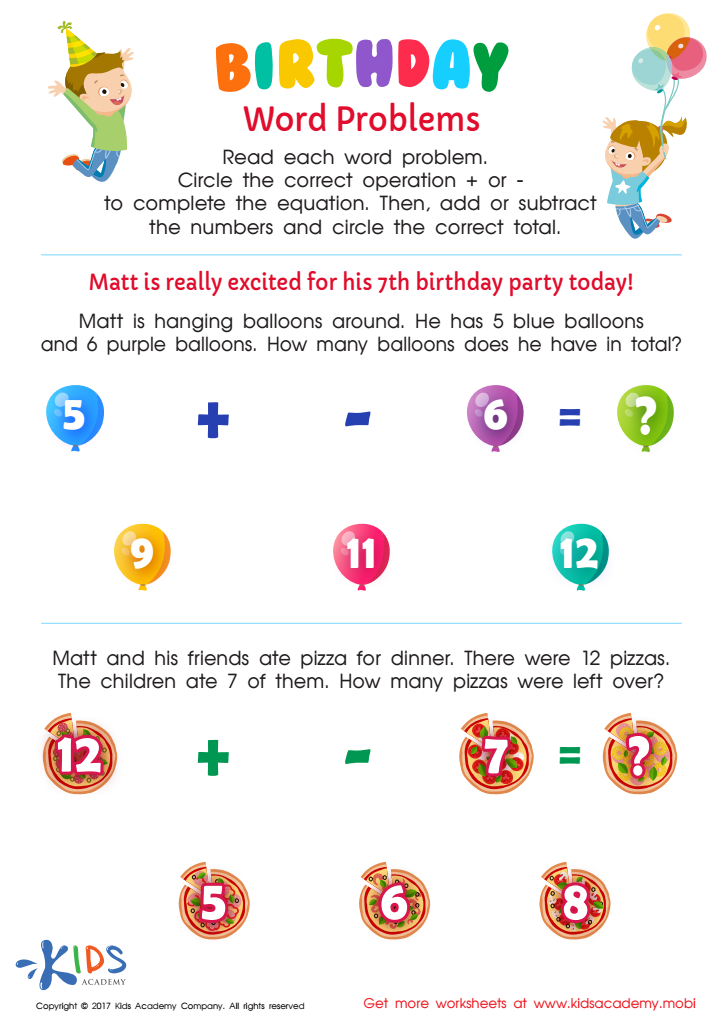
Birthday Word Problems Substraction Worksheet
 Assign to My Students
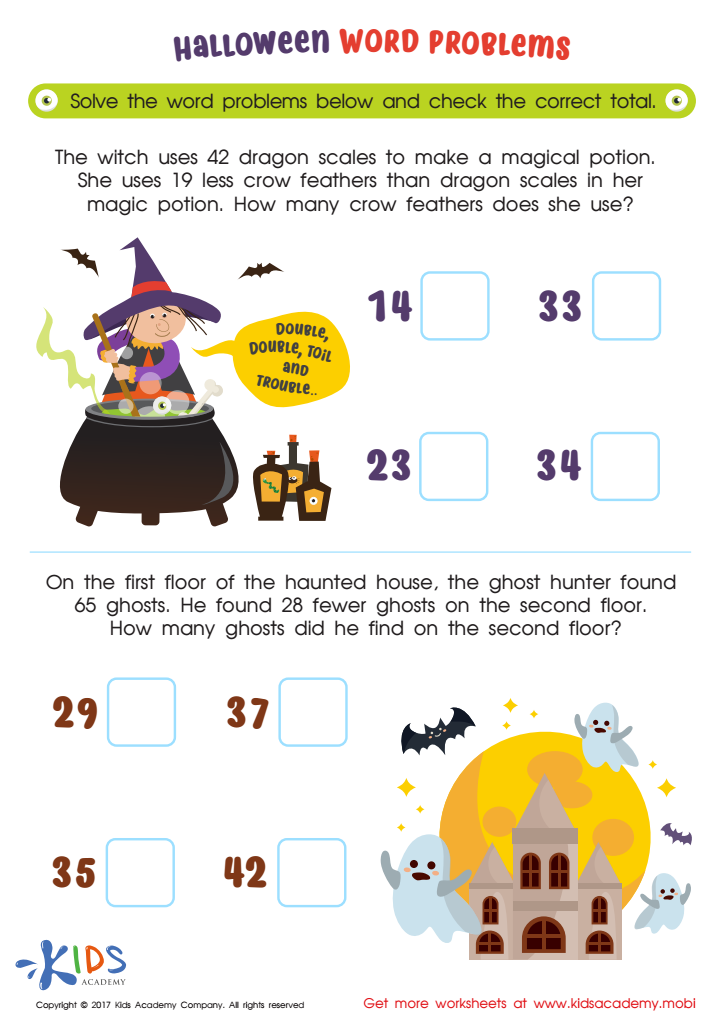
Halloween Word Problems Printable
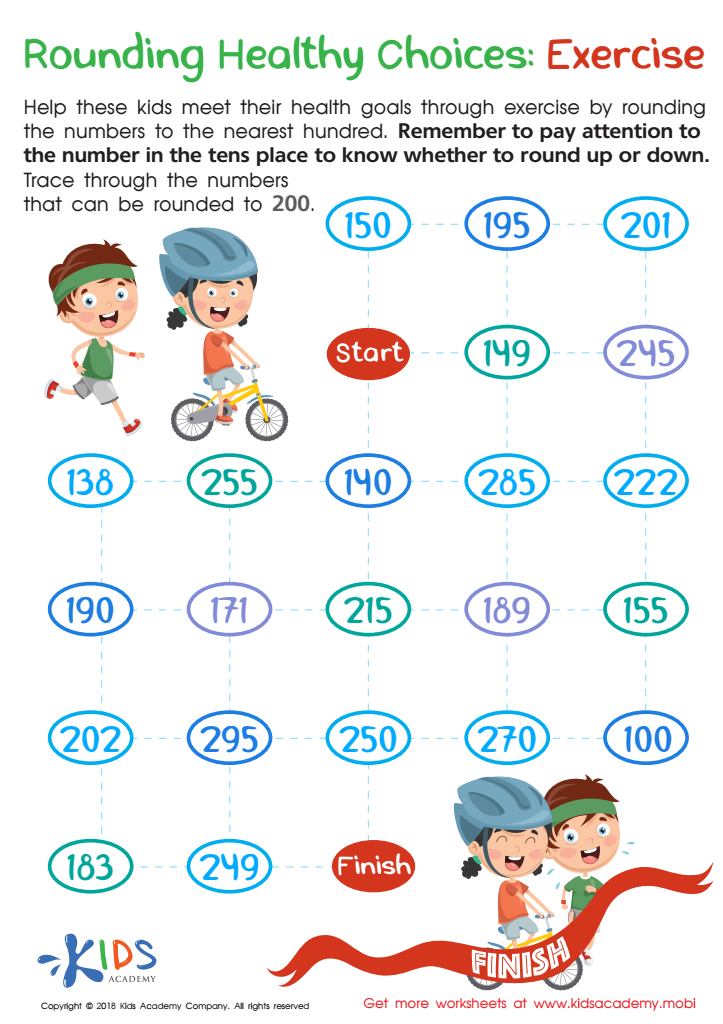
Rounding Healthy Choices Exercise Worksheet
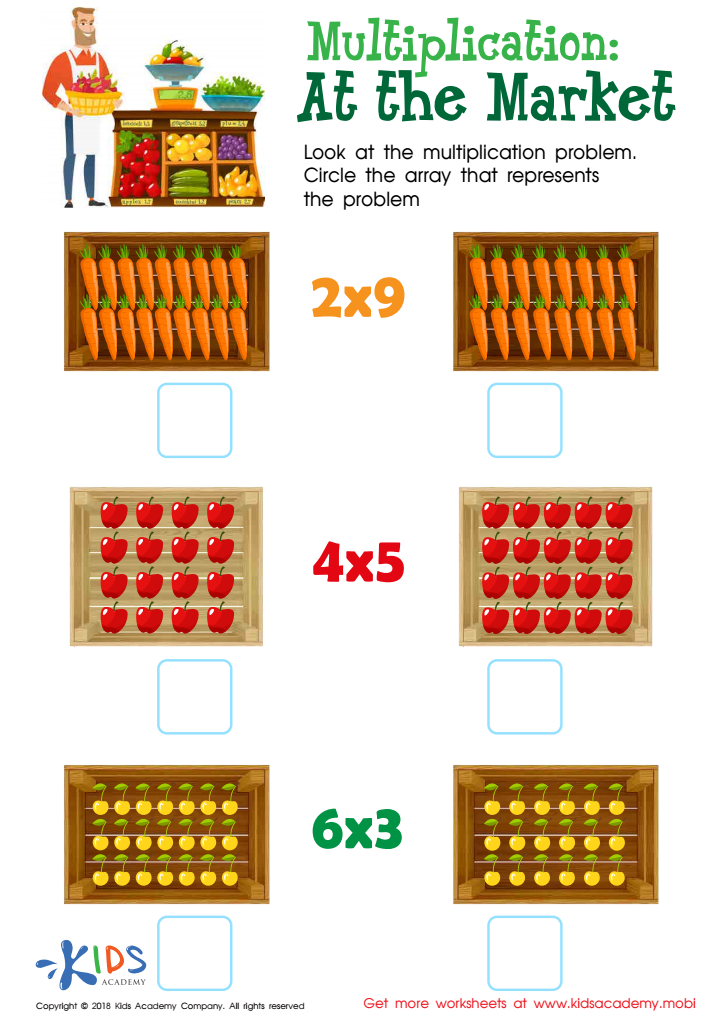
At the Market Worksheet
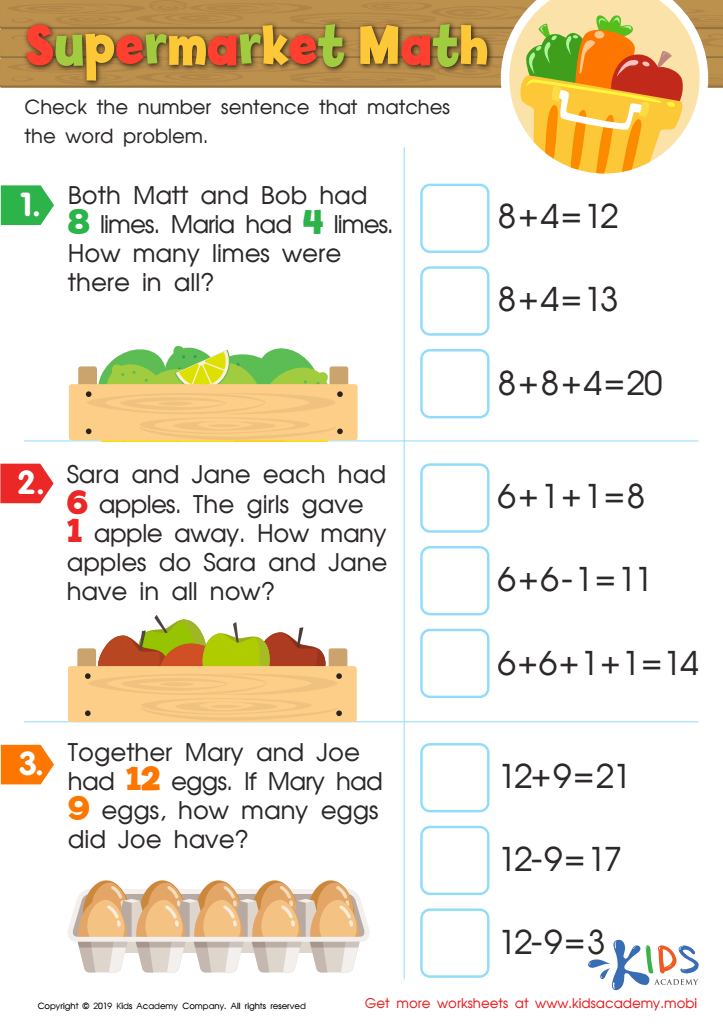
Supermarket Math Worksheet





.jpg)


Parents and teachers should care deeply about the real-life application of math for 9-year-olds because it makes learning relevant, engaging, and practical. When children see how math skills apply to real-world scenarios, they understand the importance and value of what they are learning. This connection helps to cement their knowledge, making it easier to recall and use in the future.
For instance, understanding measurements through cooking, learning fractions by sharing food, or calculating change while shopping can transform abstract numbers into tangible concepts. These activities make math fun and relatable, sparking curiosity and encouraging a positive attitude towards the subject.
Real-life applications also help children develop critical problem-solving skills that are essential for everyday life and future careers. Engaging with practical math tasks enhances analytical thinking, decision-making abilities, and perseverance. Moreover, real-life math experiences foster independence and confidence as children learn to navigate and understand their surroundings better.
Ultimately, emphasizing real-life applications in math for 9-year-olds prepares them for more complex tasks in both academic and personal settings, laying a strong foundation for lifelong learning and success. By integrating math into daily activities, parents and teachers can significantly contribute to a child’s overall cognitive and emotional development.








