
Mental math practice Word Problems Worksheets for 9-Year-Olds
3 filtered results
Difficulty Level
Grade
Age
-
From - To
Subject
Activity
Standards
Boost your 9-year-old's mathematical skills with our Mental Math Practice Word Problems Worksheets. Ideal for improving calculation speed and problem-solving abilities, these worksheets cover a range of real-life scenarios, encouraging students to think critically and apply math concepts effortlessly. Designed to enhance mental agility, each word problem requires children to perform quick arithmetic operations without relying on calculators. Tailored for fun and educational engagement, these worksheets are perfect for classroom activities, homeschool practice, or additional math skill reinforcement. Help your child build confidence and proficiency in mental math with our expertly crafted, age-appropriate worksheets.
Favorites
With answer key
Interactive
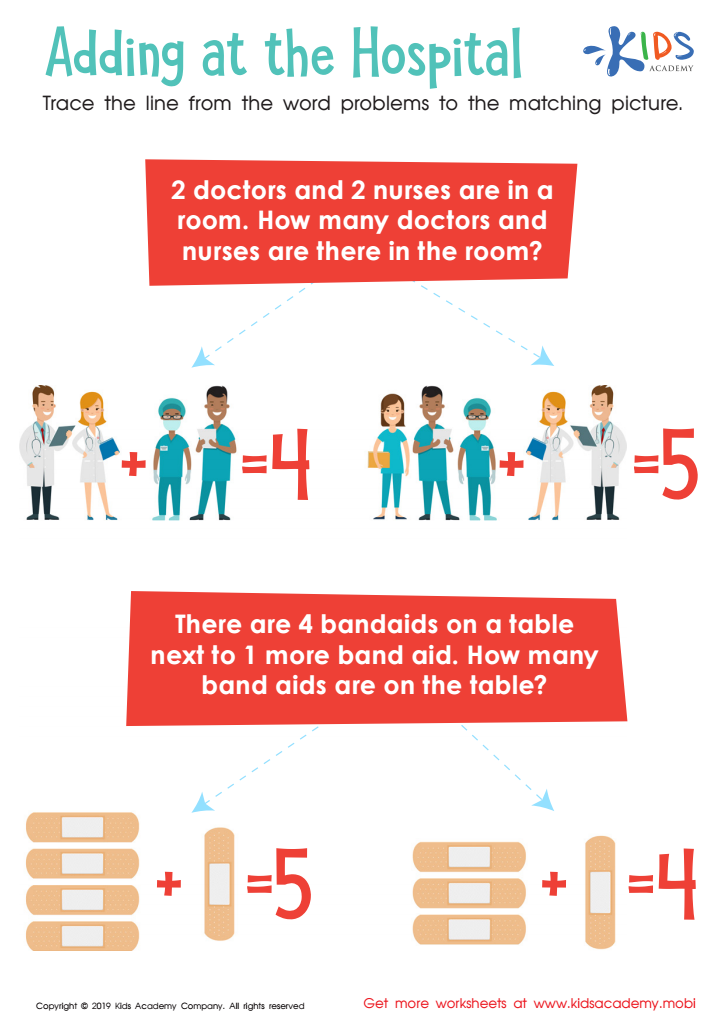
Adding at the Hospital Worksheet
A hospital visit doesn't have to be scary for kids. With this worksheet, they can count along with doctors and nurses, by reading the word problems and tracing lines to the corresponding picture. Guide them through it and you'll help them have a fun experience.
 Assign to My Students
Adding at the Hospital Worksheet
Worksheet
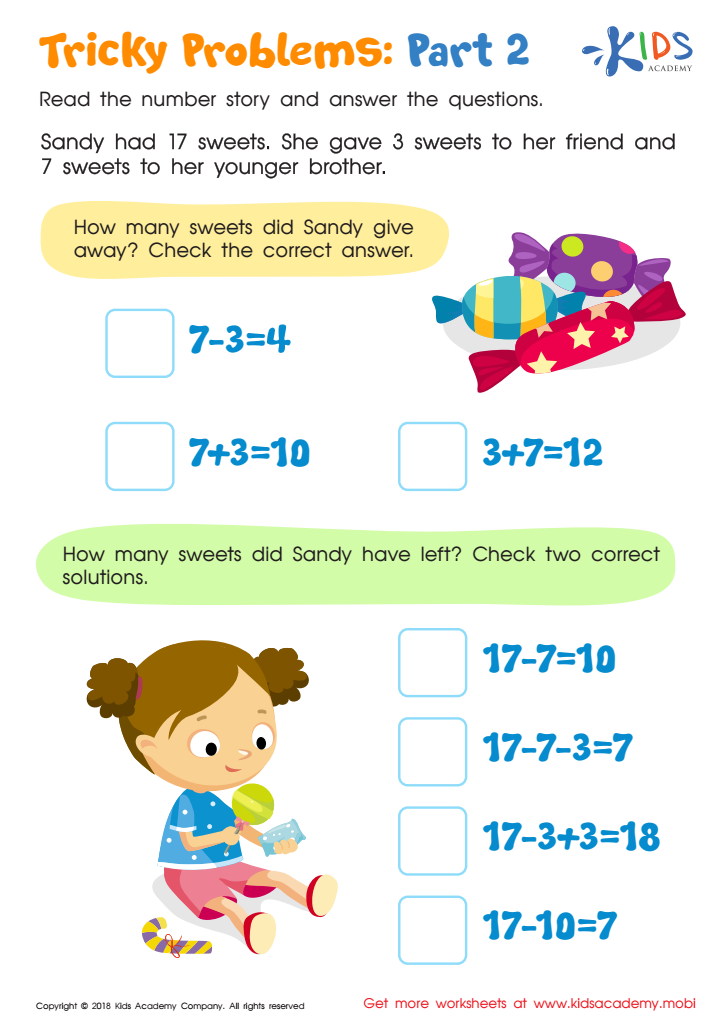
Tricky Problems Worksheet: Part 2
Help your little math learner visualize number stories with this engaging worksheet. They'll connect pictures to the story and use math facts to find the sums. After that, they'll be able to identify the correct number sentences to match. Let them practice and get better at problem solving!
Tricky Problems Worksheet: Part 2
Worksheet
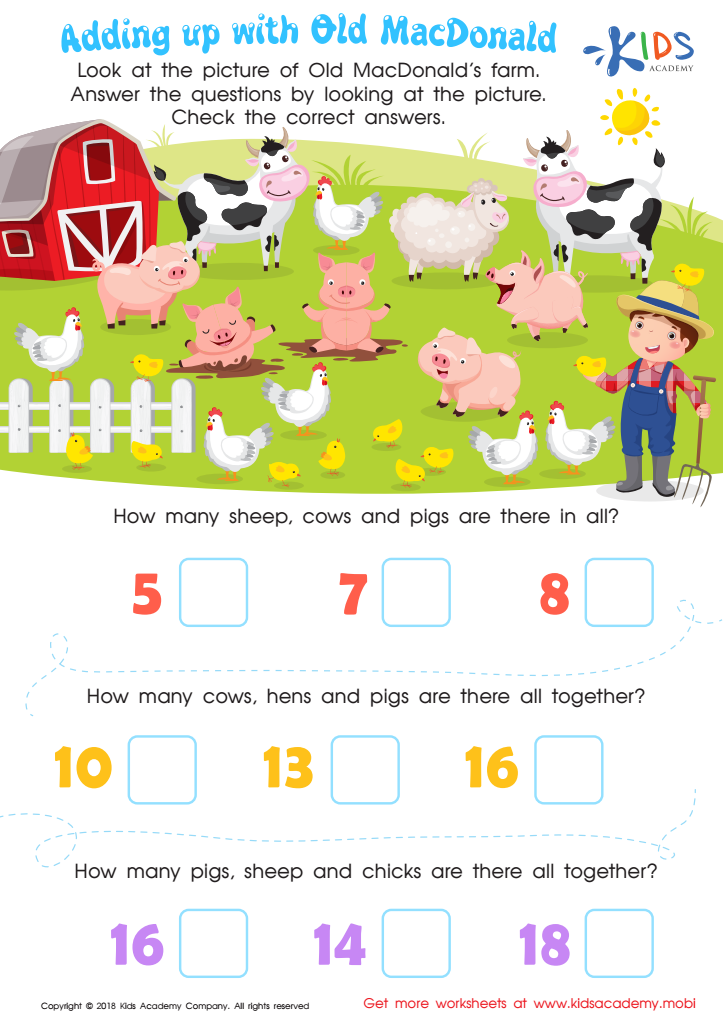
Adding Up with Old MacDonald Worksheet
Old MacDonald needs help counting his animals! Give your little math whiz a fun challenge with a free PDF worksheet. They'll love counting the animals and doing basic addition with two or three addends. Who knew math could be so much fun on the farm?
Adding Up with Old MacDonald Worksheet
Worksheet
Join Kids Academy for Free
Who is primarily going to use this learning content?





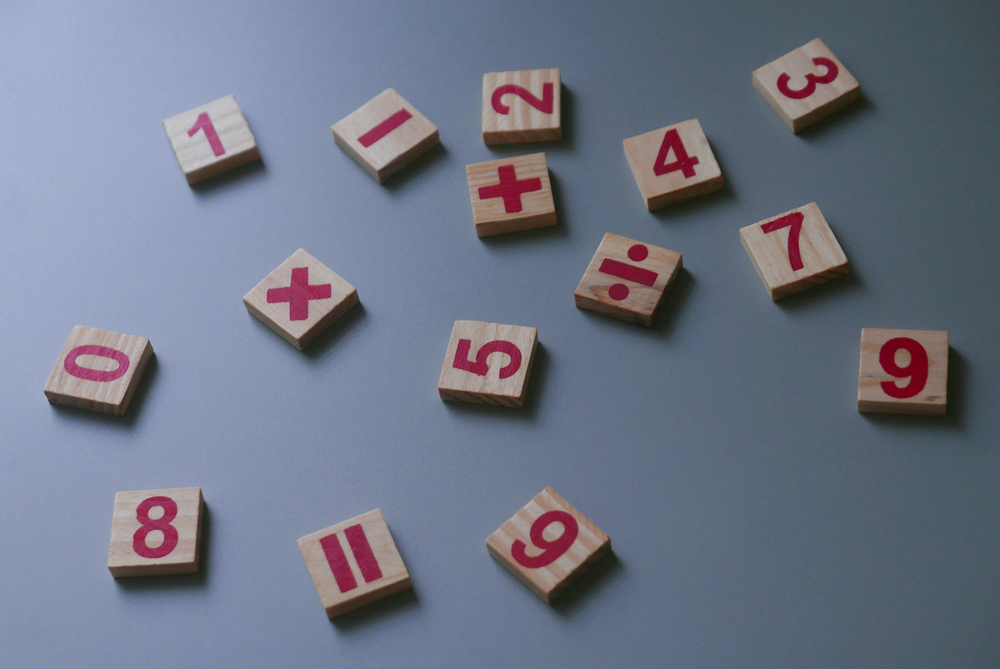


Mental math practice word problems are essential for 9-year-olds, and both parents and teachers should pay close attention to this aspect of learning. At this developmental stage, children begin to move from tangible counting to more abstract reasoning, a critical thinking skill crucial for their academic growth. Practicing mental math deepens their understanding of basic math concepts and promotes quicker calculations without the crutch of physical tools like pencils or calculators.
This practice helps improve memory and cognitive capabilities. Children learn to retain and manipulate numbers in their heads, which can benefit them in everyday tasks such as making change, estimating time, or measuring ingredients. Additionally, by grappling with word problems, students enhance their problem-solving skills, reading comprehension, and logical reasoning—all foundational skills for more complex math problems they will encounter in higher grades.
In a world that values quick decision-making and problem-solving abilities, developing these skills at a young age sets children up for long-term success. Mental math practice fosters confidence in their abilities, reduces math anxiety, and instills a sense of competence that can translate to improved performance across other subjects and real-life situations. Therefore, encouraging and prioritizing this practice aligns with the holistic development of well-rounded, capable learners.








