Attention to Detail Building Vocabulary Worksheets for 9-Year-Olds
3 filtered results
-
From - To
Unlock your 9-year-old's potential with our "Attention to Detail Building Vocabulary Worksheets"! Designed to enhance reading comprehension and vocabulary skills, these engaging worksheets focus on cultivating attention to detail—a crucial skill for lifelong learning. Through fun and interactive activities, children will explore words in context, make connections, and improve their ability to analyze text. Perfect for at-home practice or classroom use, these worksheets provide a valuable resource for fostering critical thinking and enhancing language proficiency. Give your child the opportunity to thrive academically and become a confident reader with our thoughtfully crafted materials. Start building vocabulary skills today!
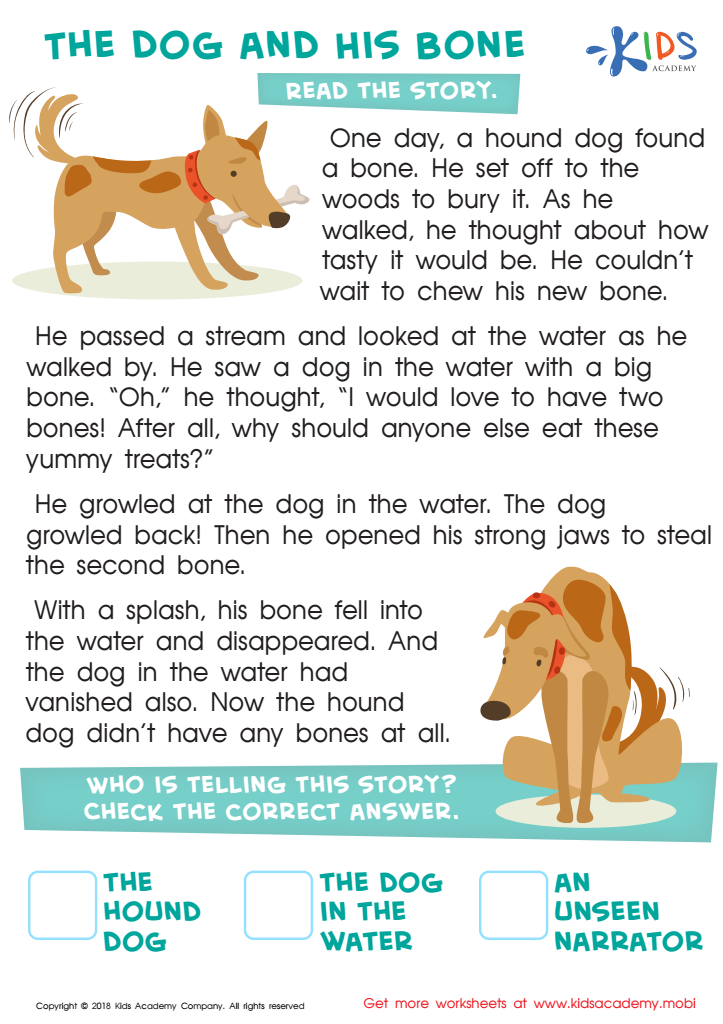
The Dog and His Bone Worksheet
 Assign to My Students











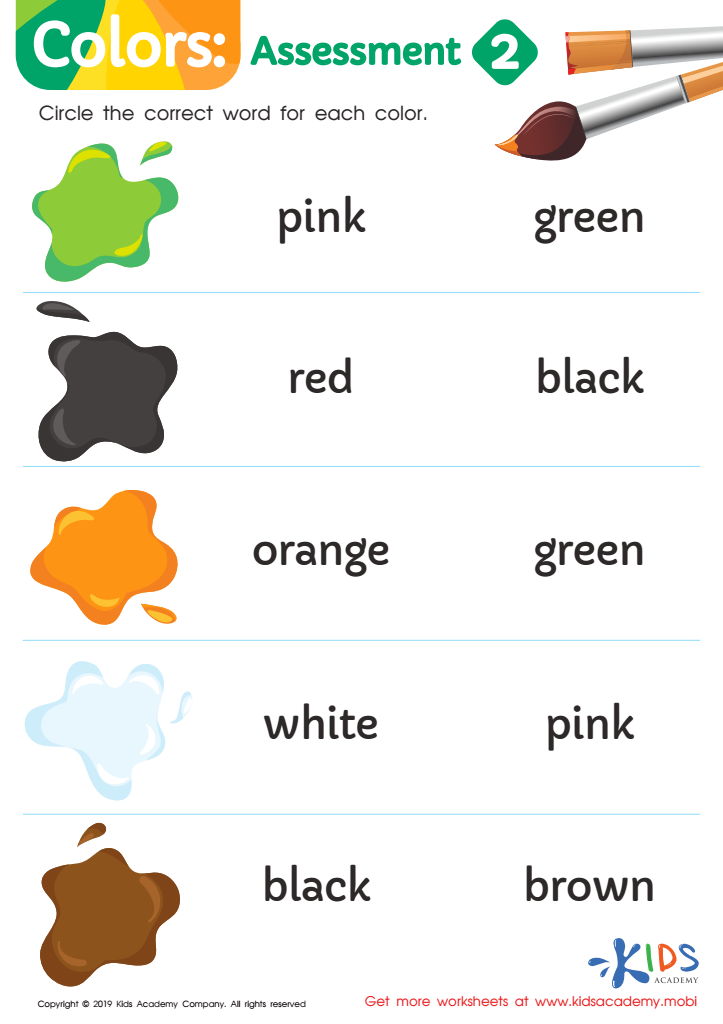
Colors: Assessment 2 Worksheet
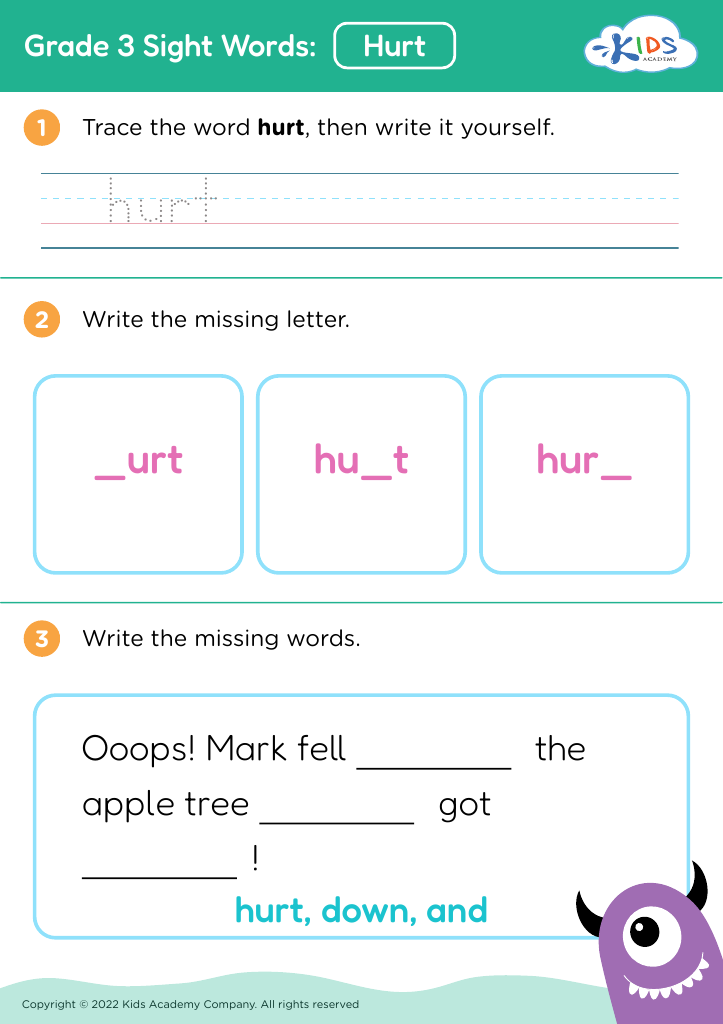


.jpg)





Attention to detail and vocabulary building are crucial for 9-year-olds as they serve as foundational skills that significantly impact a child's overall academic and social development. At this age, children are transitioning into more complex reading and writing tasks. A sharpened attention to detail enables them to comprehend intricate instructions, analyze texts, and follow through on assignments accurately. This ability fosters critical thinking and enhances their problem-solving skills—benefits that will extend beyond the classroom.
Building a rich vocabulary complements this skill by empowering children to express themselves more articulately, understand various subjects deeply, and engage in meaningful discussions. A robust vocabulary also boosts reading comprehension, aiding in the absorption of new concepts across all subjects, from science to history. Moreover, improving vocabulary sets the foundation for effective communication, crucial for social interactions, teamwork, and peer relationships.
For parents and teachers, focusing on these areas equips children with essential tools for success. Encouraging curiosity about language and promoting careful observation of their environment can nurture these skills. Together, attention to detail and vocabulary development enhances a child's learning experience, fosters self-confidence, and prepares them for future academic challenges. Ultimately, investing in these skills supports lifelong learning and personal growth.








