Fraction simplification Building Vocabulary Worksheets for 9-Year-Olds
4 filtered results
-
From - To
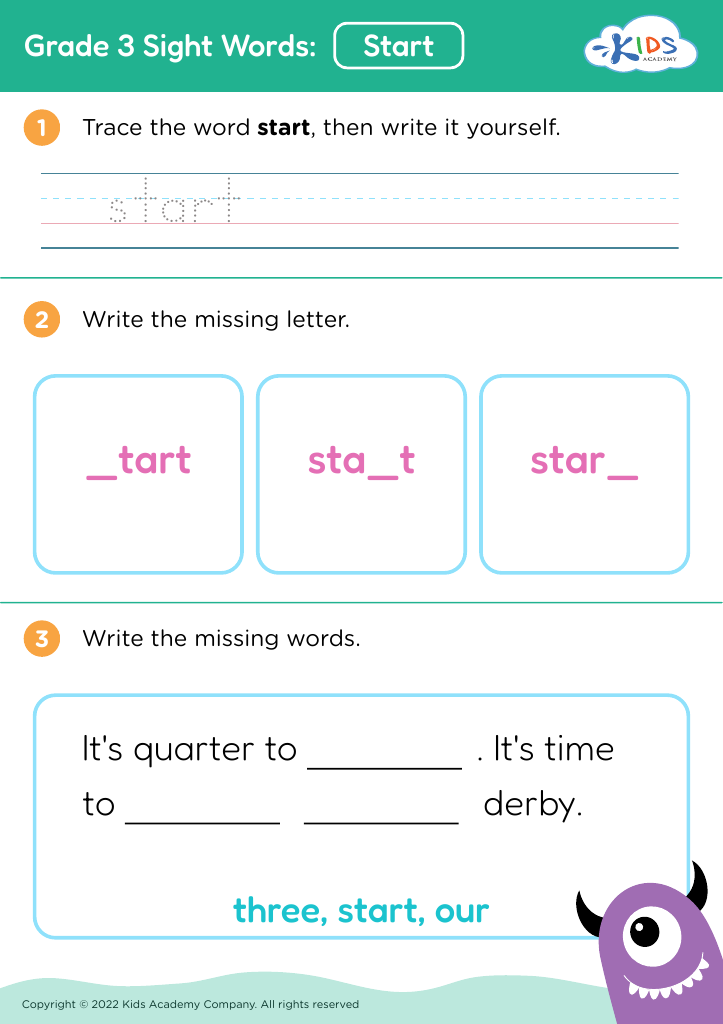
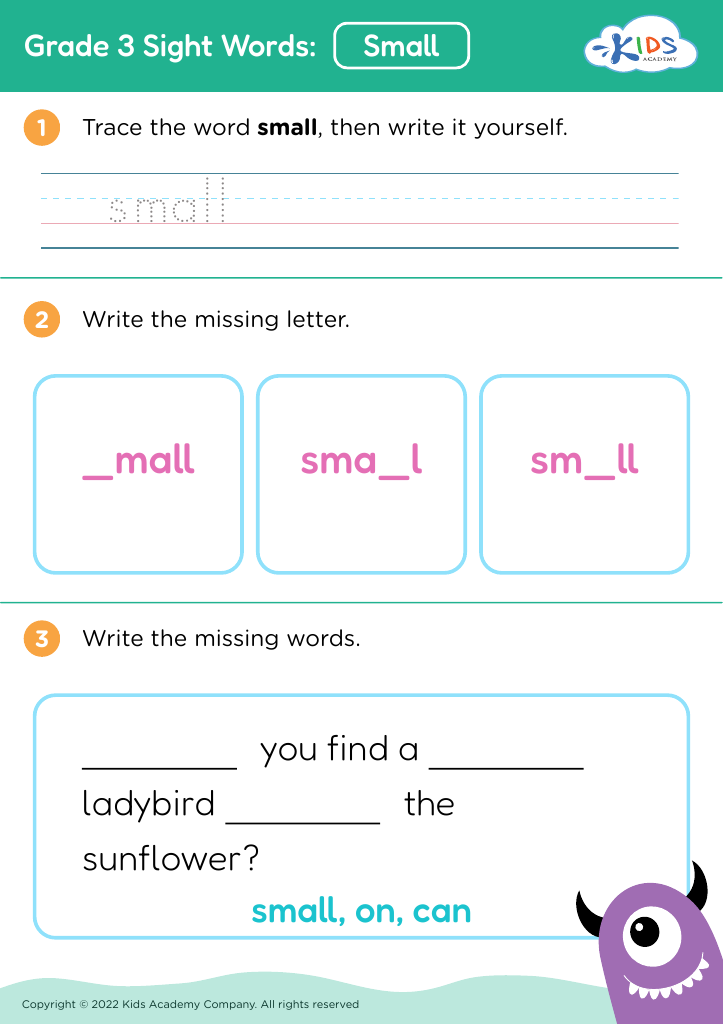
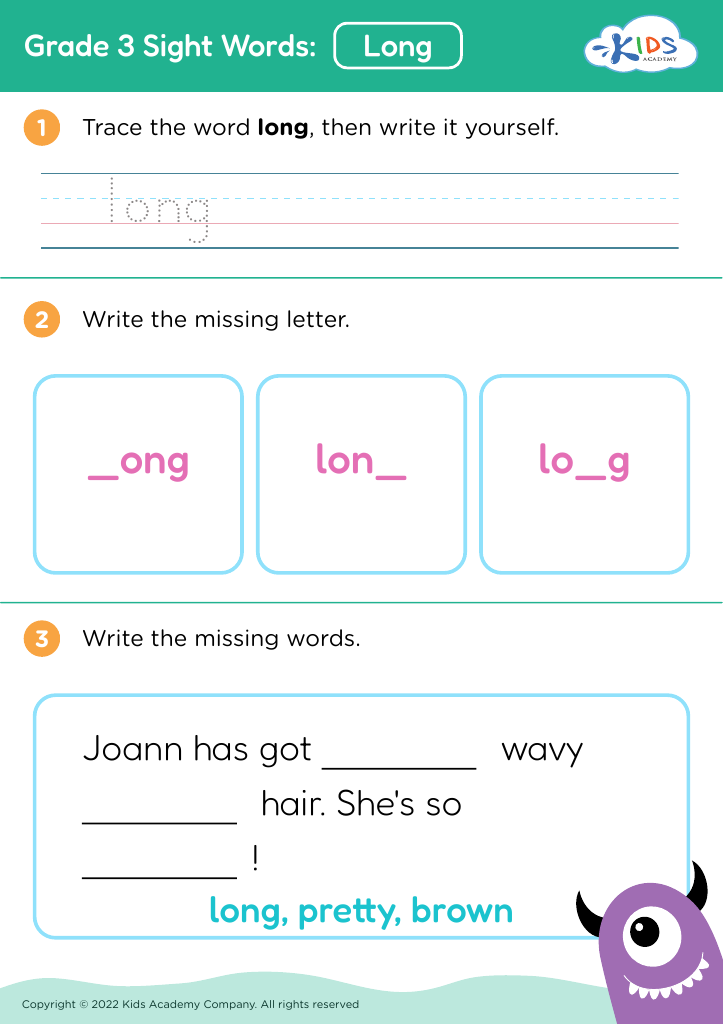
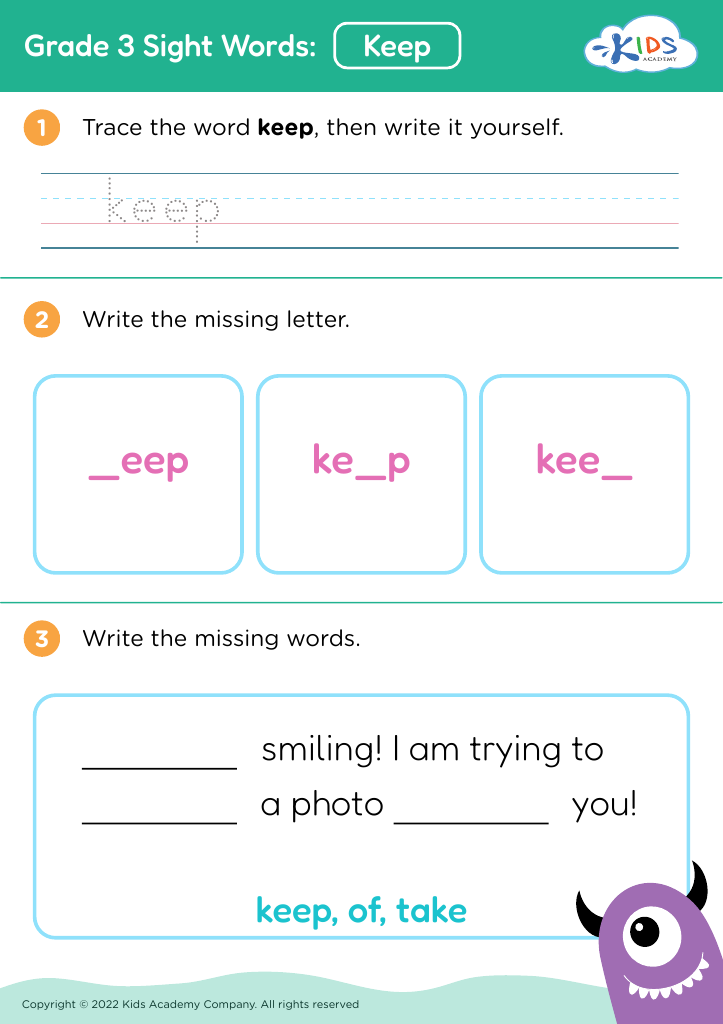
Help 9-year-olds master fraction simplification while expanding their math vocabulary with our engaging worksheets. Designed for young learners, these printables combine fraction problems with vocabulary skills, promoting a profound understanding of fraction concepts. Each worksheet presents simplified steps to break down complex fractions, and includes fun, colorful exercises that make learning enjoyable. Perfect for classroom or home use, these printables encourage independent learning and critical thinking. Enhance your child's math confidence and vocabulary simultaneously with our comprehensive fraction simplification worksheets, specifically crafted to cater to diverse learning needs and ensure academic success.



















Parents and teachers play a pivotal role in a child's educational journey, and understanding concepts such as fraction simplification and vocabulary building are foundational skills for 9-year-olds. Simplifying fractions is crucial because it enhances a child's ease with numerical operations, setting a strong base for more complex math concepts they'll encounter later. When children learn to simplify fractions, they not only improve their mathematical proficiency but also enhance problem-solving skills and critical thinking.
Building vocabulary is equally important because it directly impacts a child's ability to understand and engage with reading materials, follow instructions, and express their thoughts effectively. A robust vocabulary enriches a child's comprehension and communication skills, which are vital for all academic subjects and social interactions.
Together, these skills foster confidence and academic success. Simplifying fractions enables children to tackle math problems efficiently, making math feel less daunting and more accessible. Meanwhile, an expanded vocabulary allows them to better articulate their ideas and understand others, promoting empathy and collaboration. Thus, emphasizing these areas provides children with the tools they need to excel academically and socially, leading to a well-rounded education. Parents and teachers should therefore prioritize these foundational skills to help children embrace learning with enthusiasm and confidence.








