
Vocabulary Building Building Vocabulary Worksheets for 9-Year-Olds
4 filtered results
Difficulty Level
Grade
Age
-
From - To
Subject
Activity
Standards
Unlock your 9-year-old’s potential with our Vocabulary Building Worksheets! Designed to be both fun and educational, these worksheets foster language growth and enhance reading comprehension through engaging exercises and activities. Our expertly crafted resources target critical thinking and literacy skills, helping children expand their vocabulary and understand word meanings in context. Perfect for both classroom and home use, these worksheets are an essential tool for educators and parents dedicated to enhancing their child’s reading abilities. Dive into our robust collection at Kids Academy and make vocabulary building an exciting journey for your young learner!
Favorites
With answer key
Interactive
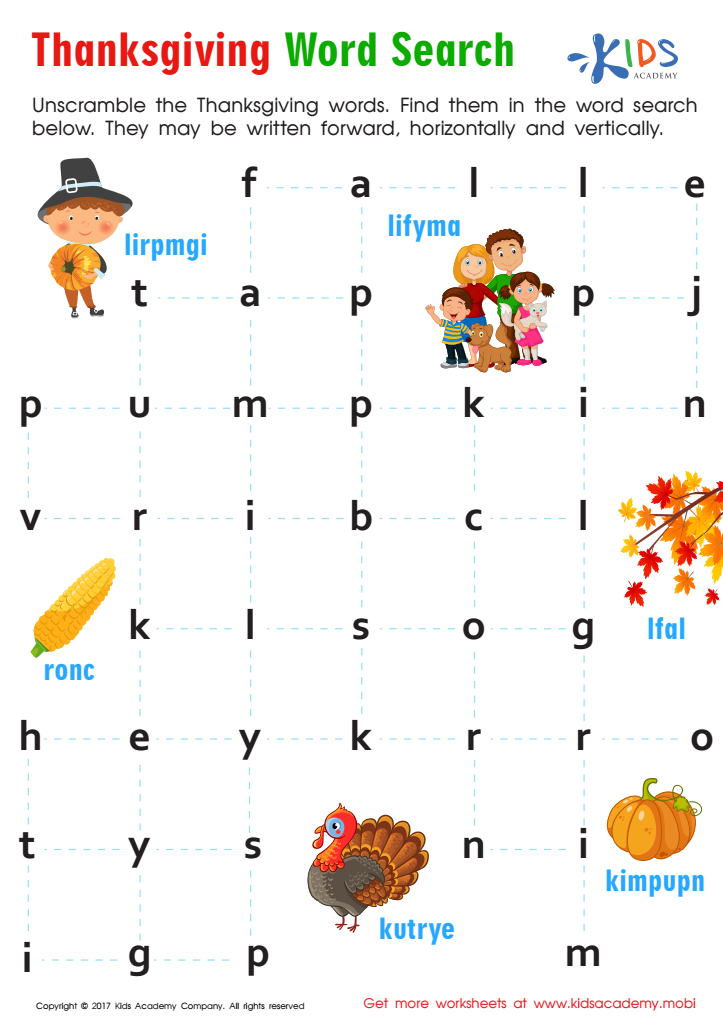
Thanksgiving Word Search Sight Words Worksheet
Unscramble letters to find Thanksgiving-themed sight words with this free worksheet! It's an exciting way to boost your child's reading skills. Download the PDF and enjoy!
 Assign to My Students
Thanksgiving Word Search Sight Words Worksheet
Worksheet











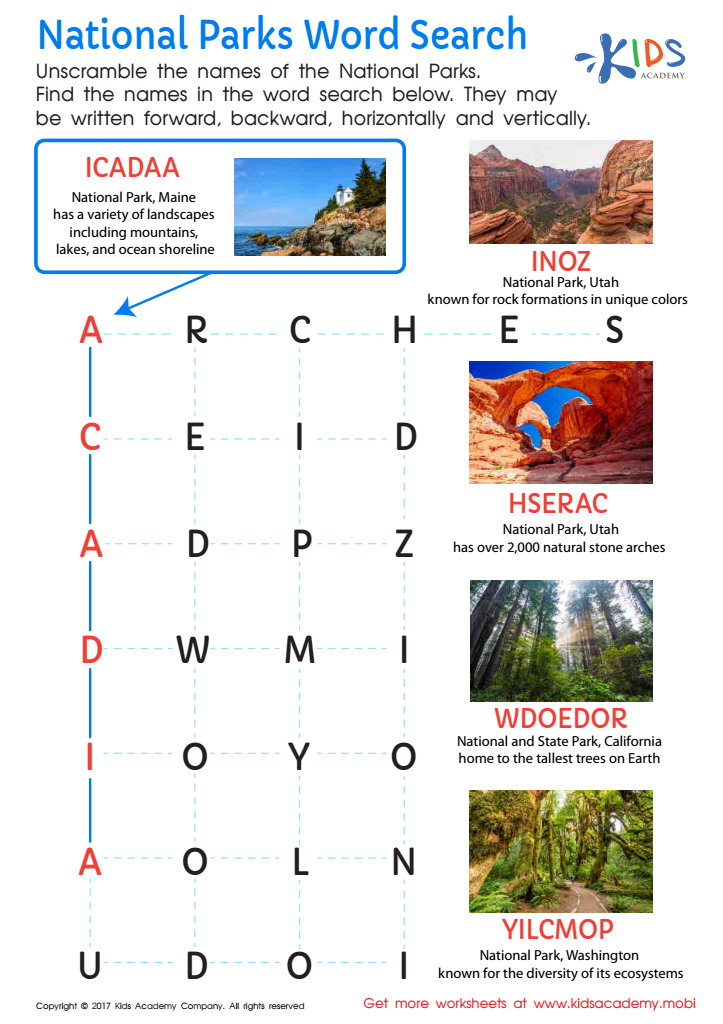
National Parks Word Search Worksheet
Explore the beauty of the USA’s national parks with this fun National Parks word search! Learn more about these majestic sites and boost your knowledge. Take a trip through the sights and sounds of our country with this motivating worksheet.
National Parks Word Search Worksheet
Worksheet
Join Kids Academy for Free
Who is primarily going to use this learning content?








Parents and teachers should prioritize vocabulary building for 9-year-olds because it serves as a cornerstone for their overall academic and social development. At this age, children's brains are exceptionally receptive to learning new words and linguistic structures. A rich vocabulary enables them to comprehend reading materials more accurately and express their thoughts and emotions more clearly, both essential skills for academic success across all subjects.
Furthermore, a broad vocabulary equips children with the tools they need for effective communication. This not only enhances their social interactions but also boosts their confidence. A well-developed vocabulary has been linked to improved critical thinking and problem-solving abilities because children can articulate and process complex ideas more effectively.
Vocabulary building also lays the groundwork for lifelong learning. The more words children know, the easier it is for them to learn new concepts and engage with varied content, from literature to scientific texts. Early vocabulary development has even been associated with greater professional success later in life.
Hence, nurturing a robust vocabulary in 9-year-olds isn't just about language; it's about empowering them with the skills they need to succeed both in school and in life. Interactive reading sessions, engaging word games, and everyday conversations can significantly enrich their linguistic reservoirs.








