
Vocabulary development Building Vocabulary Worksheets for 9-Year-Olds
5 filtered results
Difficulty Level
Grade
Age
-
From - To
Subject
Activity
Standards
Enhance your 9-year-old's vocabulary with our engaging Vocabulary Development Building Vocabulary Worksheets! Designed to make learning enjoyable, these worksheets encourage young learners to discover new words and their meanings in a fun and interactive way. Each activity is tailored to develop critical reading skills, comprehension, and expressive language. From matching exercises to fill-in-the-blanks, our carefully crafted resources foster a love for words while boosting academic performance. Ideal for classroom use or homeschooling, these worksheets support vocabulary expansion and strengthen language foundations. Start your child's journey towards language mastery today with our user-friendly and effective vocabulary-building materials!
Favorites
With answer key
Interactive
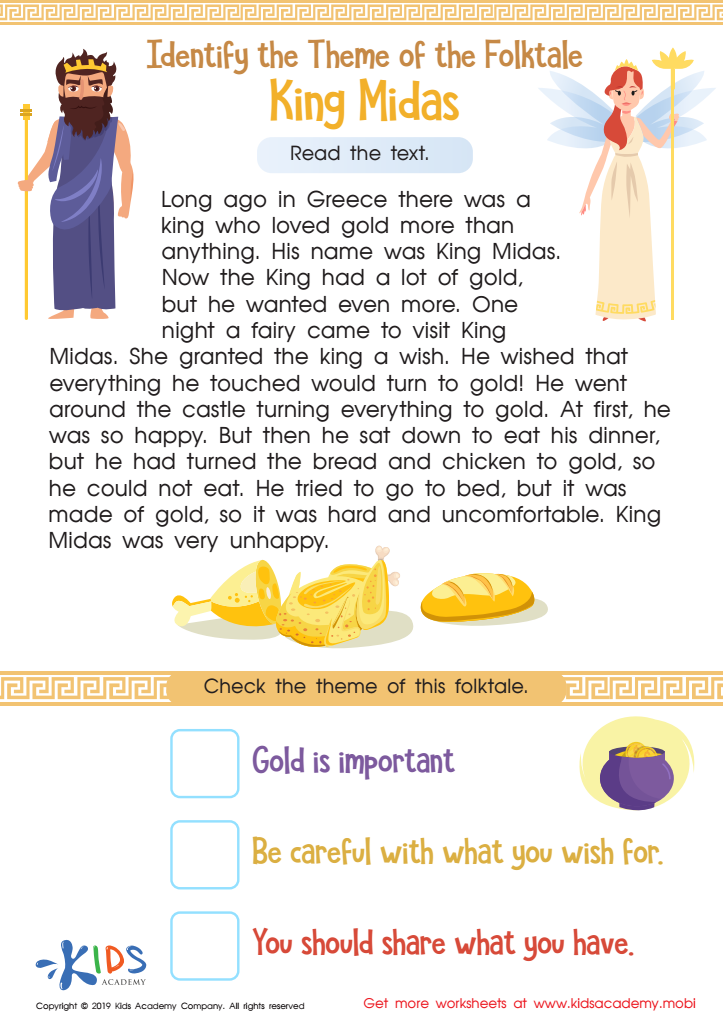
King Midas Worksheet
Read the ancient Greek history of King Midas to your kids. If they're into Greek gods and mythology, they'll be excited to complete the exercise. Read the text carefully, and if needed, twice. Help your kids locate the story's theme at the bottom of the page. 80 words.
 Assign to My Students
King Midas Worksheet
Worksheet











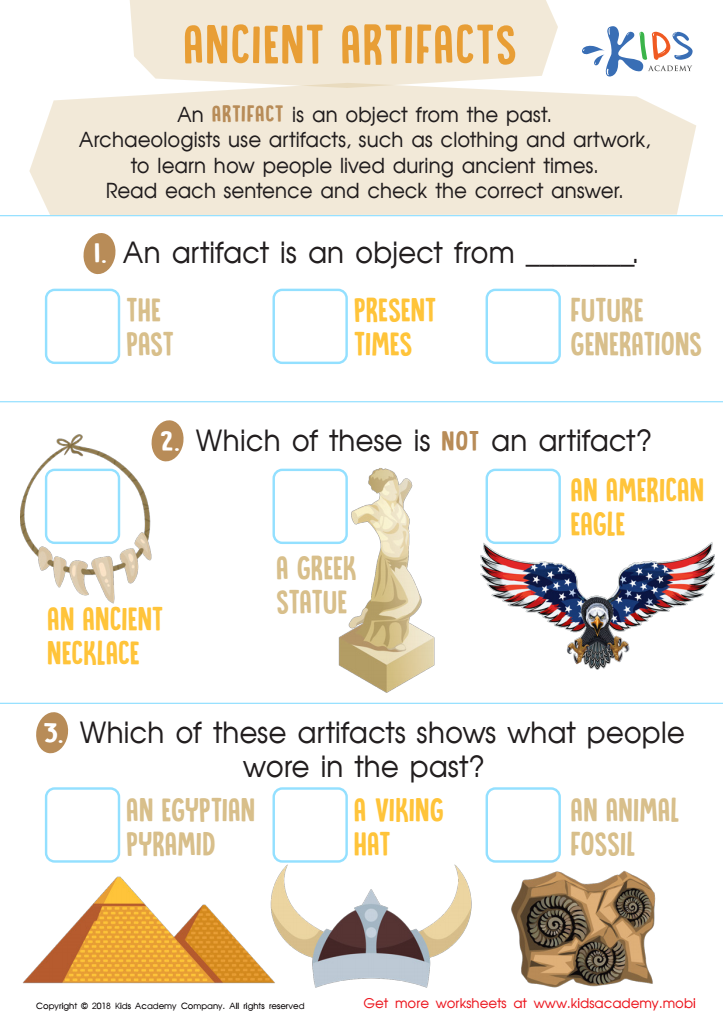
Ancient Artifacts Worksheet
This free worksheet helps kids understand ancient artifacts, from statues to necklaces to fossils. They'll read comprehension questions and select answers from multiple choice options, with pictures to help them grasp the concept. It's a great way for children to learn about artifacts and what they may look like.
Ancient Artifacts Worksheet
Worksheet
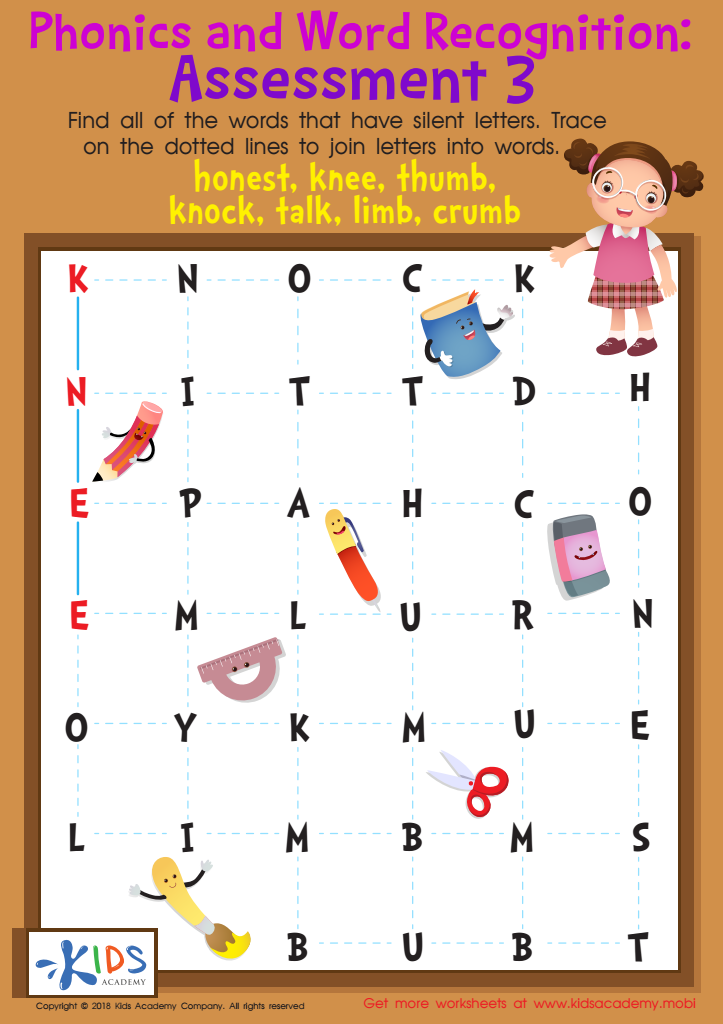
Phonics and Word Recognition: Assessment 3 Worksheet
Silent letters can be tricky for kids learning to read and write. Show them how they work with words like 'knee' and 'dumb'. Then, challenge them to come up with their own. Give them a worksheet with silent letters and trace the lines to join the letters into words.
Phonics and Word Recognition: Assessment 3 Worksheet
Worksheet
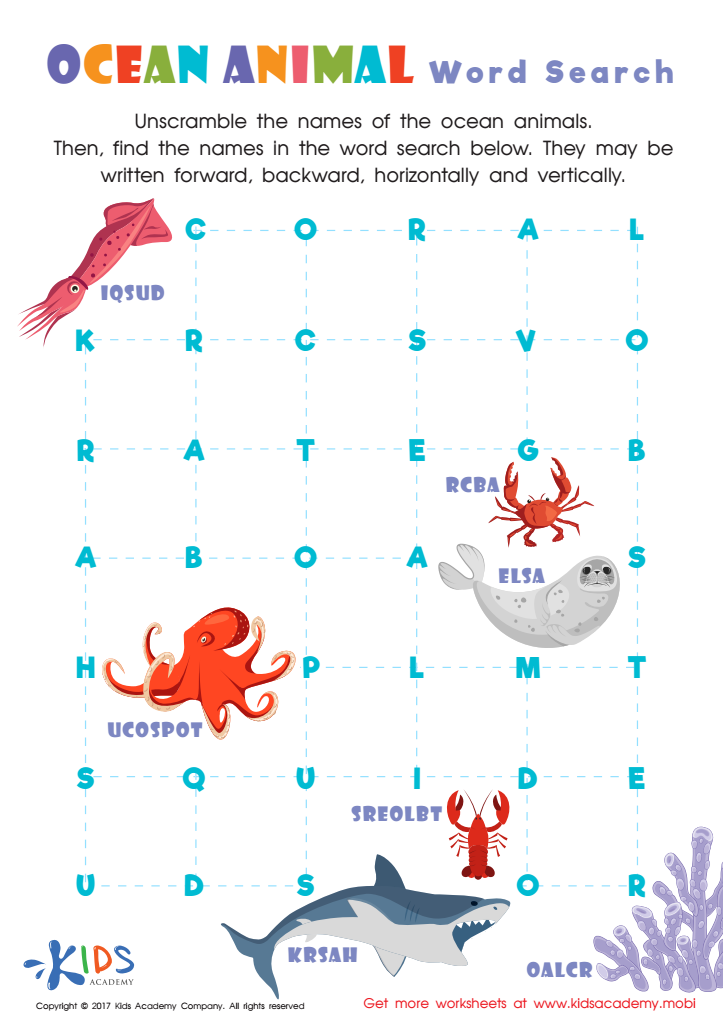
Ocean Animals Word Search Printable
Challenge your child to unscramble the names of ocean animals and find them in the word search. This ocean animals printable is a fun way to teach kids more about these fascinating creatures!
Ocean Animals Word Search Printable
Worksheet
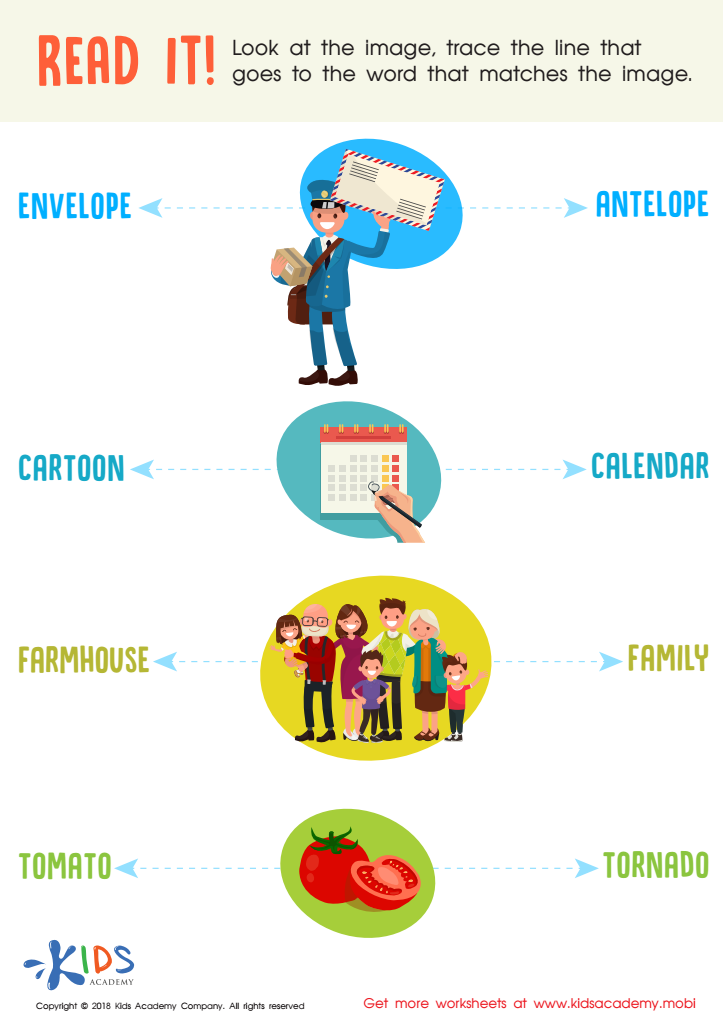
Read It! Worksheet
Point to each image on this worksheet, asking your child what it is. Read the 2 options then help your child trace the line to the correct word. It'll keep them engaged and provide visual stimulation.
Read It! Worksheet
Worksheet
Join Kids Academy for Free
Who is primarily going to use this learning content?


.jpg)




.jpg)
Vocabulary development is crucial for 9-year-olds as it directly influences their academic success, communication skills, and overall cognitive growth. At this age, children expand their language abilities, laying the foundation for reading comprehension and written expression. A rich vocabulary allows them to understand more complex texts, engage in nuanced conversations, and express their thoughts and emotions effectively. Teachers and parents should be particularly attentive to vocabulary development, as this creates opportunities for learning and boosts confidence in young learners.
Engaging with new words promotes critical thinking and imagination. When children explore different meanings and contexts through various activities—like reading diverse literature, participating in discussions, or playing word games—they develop curiosity and a love for language. Furthermore, strong vocabulary skills contribute to social interaction, enabling children to connect with peers and adults alike, fostering meaningful relationships.
Additionally, adults can support vocabulary enrichment by modeling language use, promoting a print-rich environment, and encouraging conversations that challenge children to think about word use. By prioritizing vocabulary development, parents and teachers equip children with essential tools for academic achievement and lifelong learning, empowering them to navigate and thrive in an increasingly complex world.








