Story sequencing Reading Worksheets for 9-Year-Olds
3 filtered results
-
From - To
Enhance your 9-year-old's reading and comprehension skills with our engaging story sequencing worksheets. These printables from Kids Academy are designed to help children understand the order of events within a story, improving their ability to predict outcomes and recall details. Each worksheet is thoughtfully crafted to align with educational standards, making learning fun and effective. Ideal for both classroom and home use, these sequencing activities are perfect for boosting your child's confidence in reading and critical thinking. Empower your young reader today with our expertly designed sequencing worksheets!
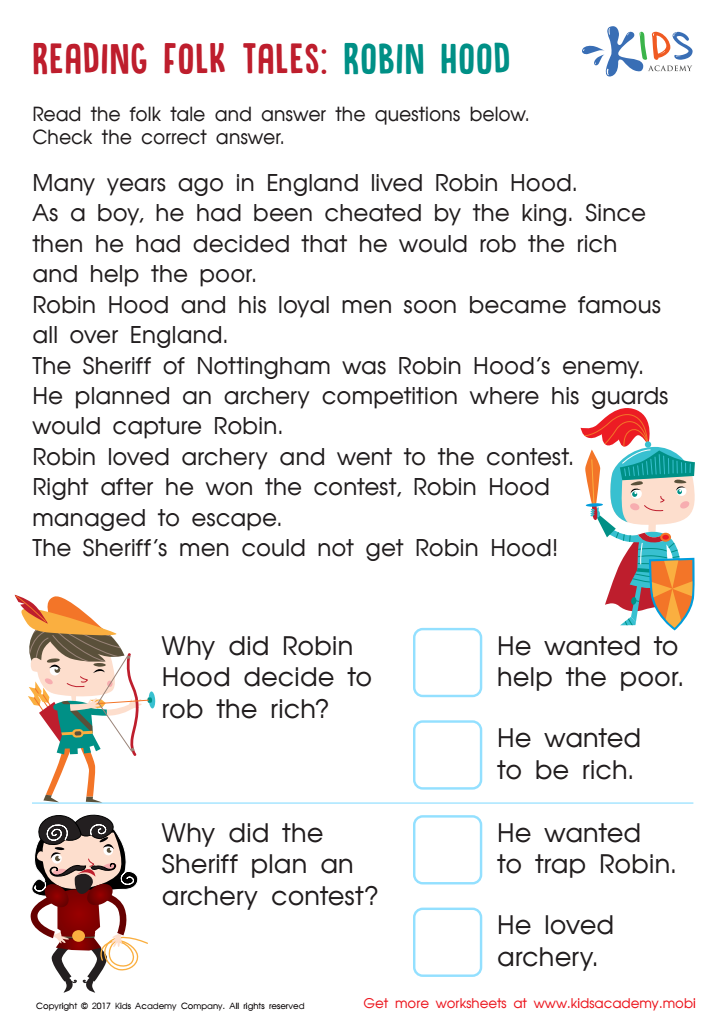
Robin Hood Folktale Worksheet
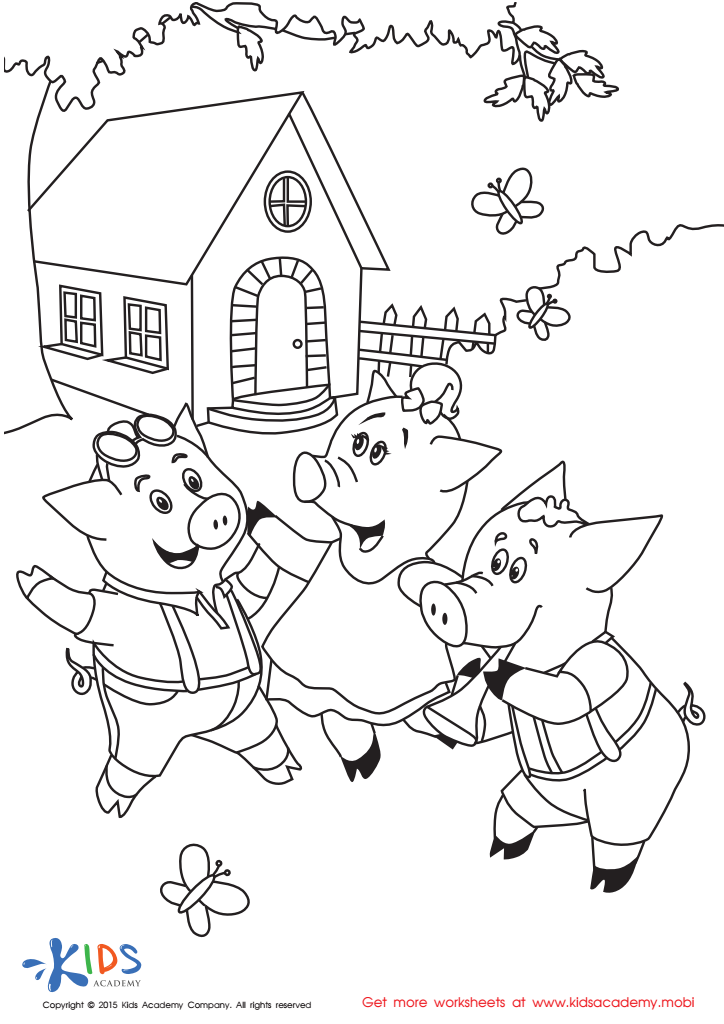
Folktales Printable PDF Worksheet: The 3 Little Pigs
 Assign to My Students
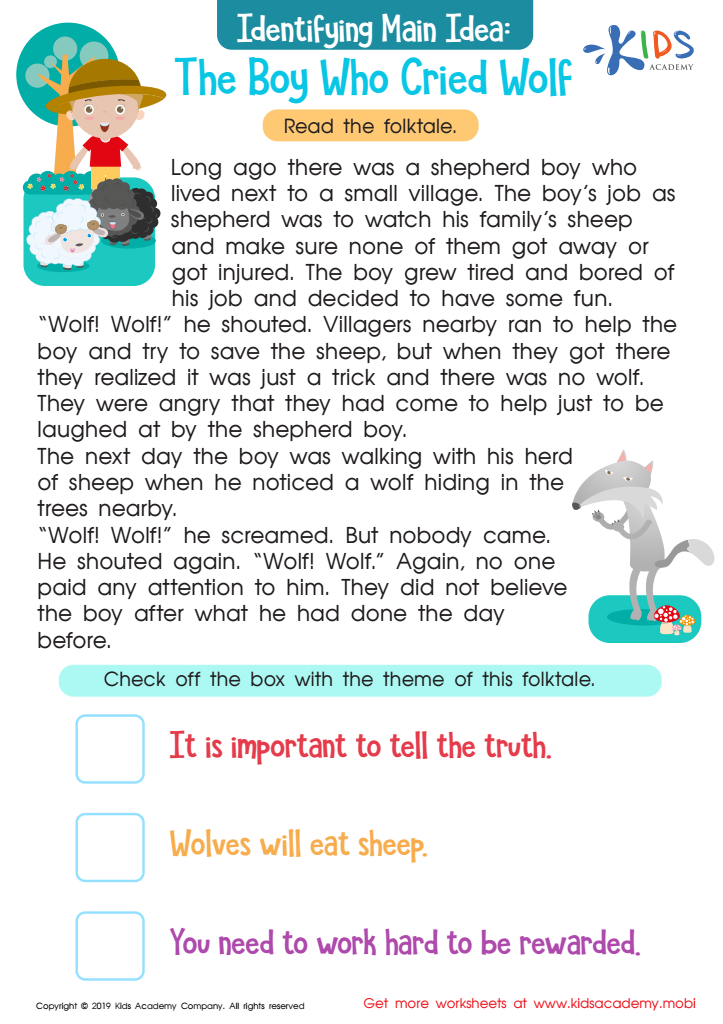
The Boy Who Cried Wolf Part 2 Worksheet







Story sequencing reading is crucial for 9-year-olds because it significantly contributes to their cognitive and academic development. When children engage in sequencing exercises, they learn to identify the beginning, middle, and end of a story, which enhances their comprehension skills. Understanding the logical progression of events helps children grasp the cause-and-effect relationships, improving their critical thinking and problem-solving abilities.
Moreover, sequencing skills are foundational for effective communication. By mastering this skill, children can better organize their thoughts, prioritize information, and articulate their ideas coherently. This not only aids in their writing and speaking but also boosts their confidence in social interactions.
For teachers and parents, focusing on story sequencing nurtures a child's ability to follow directions and predict outcomes, skills that are essential for success in all academic subjects. It fosters a love for reading by making stories more comprehensible and enjoyable, encouraging children to engage with texts more frequently.
Additionally, story sequencing activities, whether through reading or storytelling, encourage family and classroom bonding. They create opportunities for discussions and shared activities that promote a supportive learning environment. In essence, investing in story sequencing for 9-year-olds establishes a solid foundation for language development, critical thinking, and social interaction, setting the stage for lifelong learning and success.








