Color recognition Reading Comprehension Worksheets for 9-Year-Olds
4 filtered results
-
From - To
Elevate your child's learning with our Color Recognition Reading Comprehension Worksheets tailored for 9-year-olds. These engaging worksheets blend color identification with compelling reading exercises to enhance reading comprehension and visual differentiation skills. Each worksheet presents unique stories or passages followed by questions focusing on color-based contexts, fostering an interactive learning experience. Perfect for classroom or at-home practice, these activities not only improve literacy but also bolster cognitive abilities and attention to detail. Offered in vibrant printable formats, they are designed to make learning both effective and enjoyable, capturing the interest of young learners while supporting educational development.
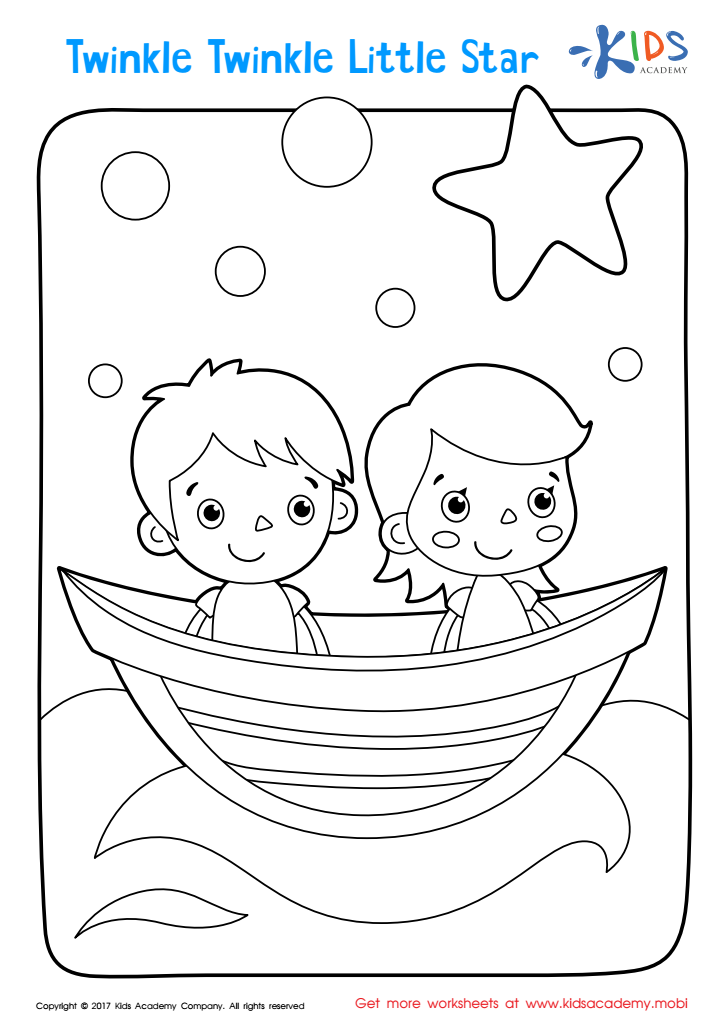
Twinkle Twinkle Little Star Coloring Page
 Assign to My Students
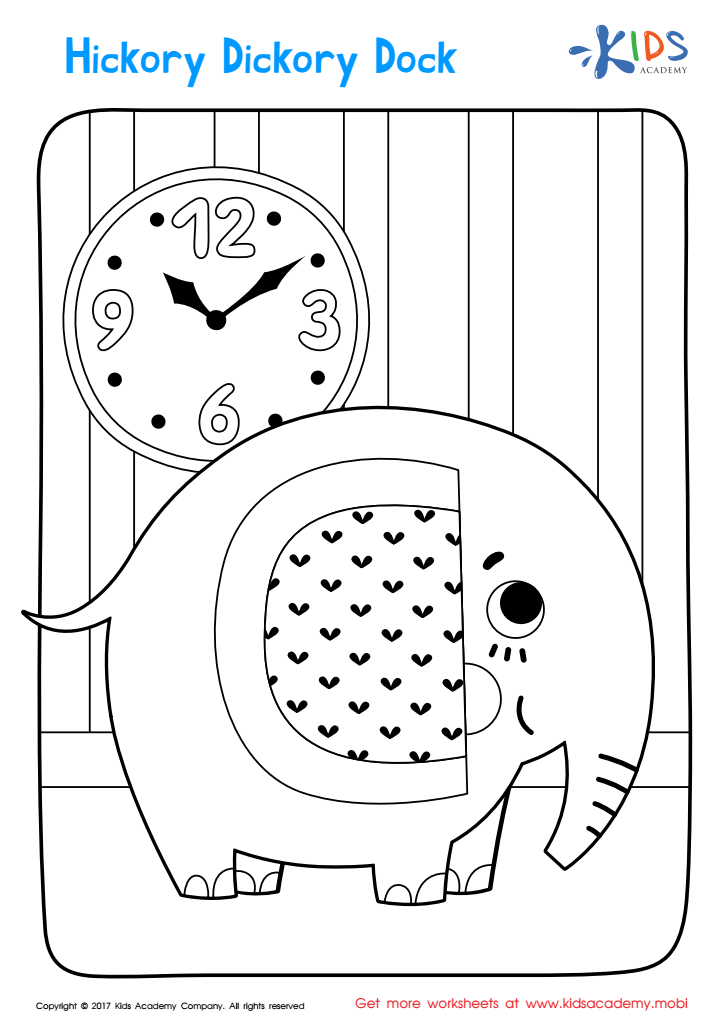
Hickory Dickory Dock Coloring Page
Assign to My Students
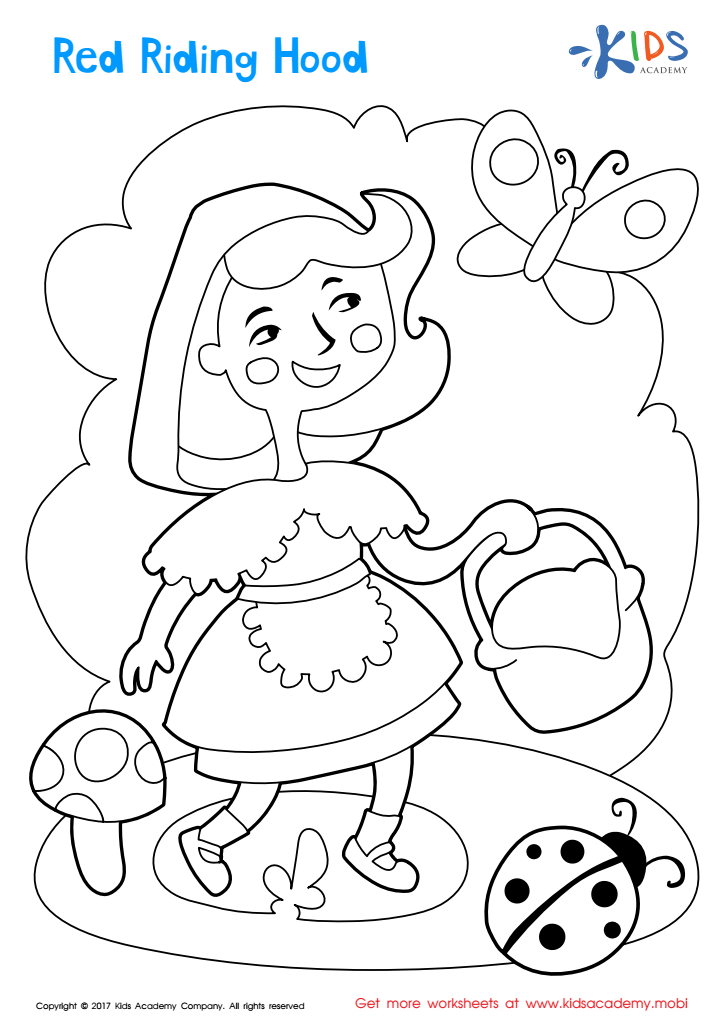
Red Riding Hood Coloring Page
Assign to My Students
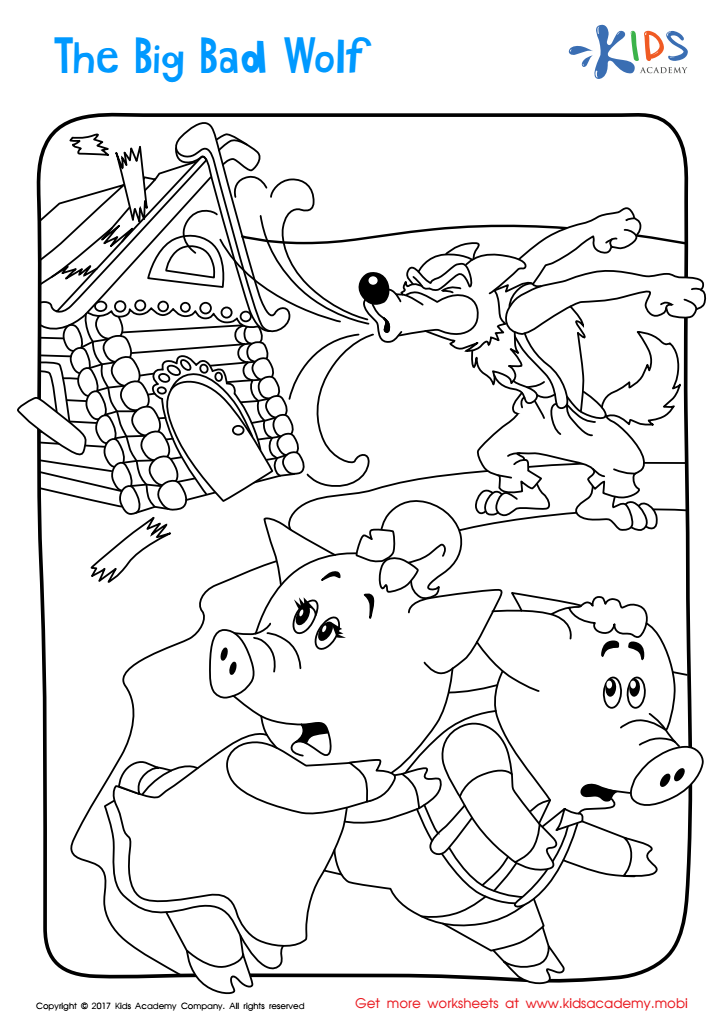
Big Bad Wolf Printable Coloring Page
Assign to My Students








Color recognition and reading comprehension are crucial developmental milestones for 9-year-olds. At this age, children are rapidly expanding their cognitive abilities, and both skills play a significant role in their overall academic and personal growth.
First, color recognition is not just about identifying colors; it directly ties into cognitive and motor skills development. When children learn to distinguish between different colors, they enhance their attention to detail and improve their visual and cognitive processing abilities. This skill is foundational for other learning areas, such as sorting and classifying objects, which are essential components of science and math education.
On the other hand, reading comprehension is the ability to understand and interpret written text. It’s a fundamental skill that affects all academic areas, as well as daily functioning. Good reading comprehension enables children to follow instructions, engage with stories, and gather information effectively. It also encourages critical thinking and empathy by allowing children to explore different perspectives and ideas.
Together, these skills foster a well-rounded learning experience. Parents and teachers should prioritize color recognition and reading comprehension because they lay the groundwork for higher cognitive functions, academic success, and general life skills. Neglecting these areas can create gaps in a child’s education, potentially leading to future learning difficulties.








