Critical Thinking Reading Fiction Worksheets for 9-Year-Olds
6 filtered results
-
From - To
Unlock your child's potential with our "Critical Thinking Reading Fiction Worksheets for 9-Year-Olds." These carefully designed worksheets encourage young readers to delve deeper into fiction, enhancing their analysis and reasoning skills. Each activity prompts thoughtful questions about characters, plot, and themes, fostering a rich understanding of literature. Kids will enjoy engaging with interesting stories while developing critical thinking abilities necessary for academic success. Perfect for home use or classroom activities, our worksheets support comprehensive literacy skills and inspire creativity. Equip your 9-year-old with the tools to think critically about what they read and enjoy the journey of exploration through fiction!
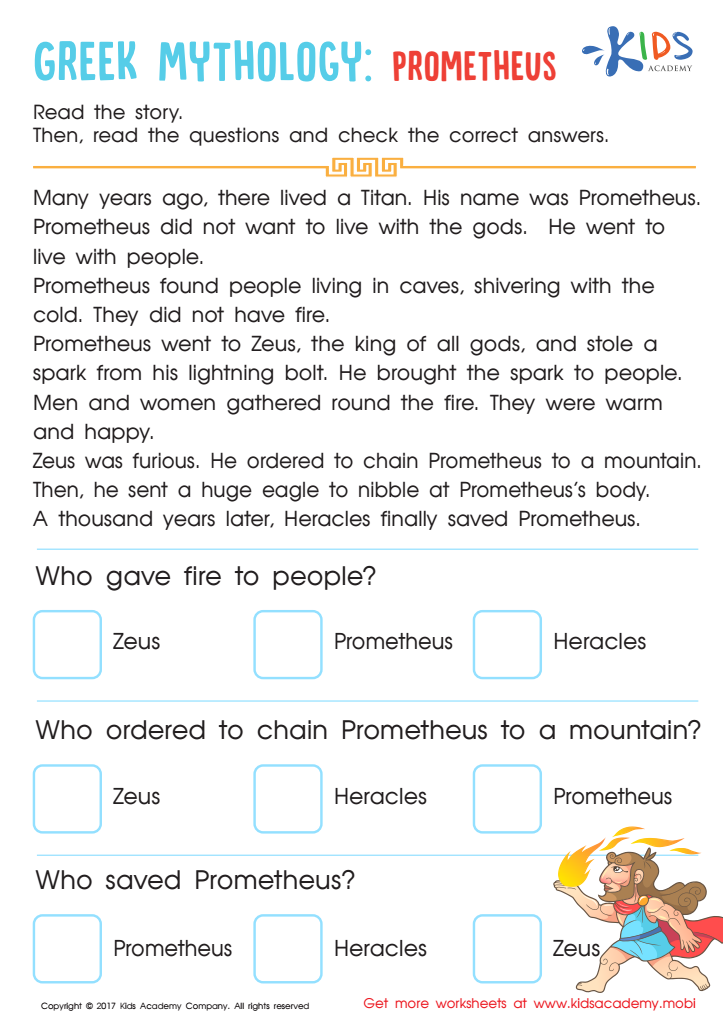
Prometheus Story Worksheet
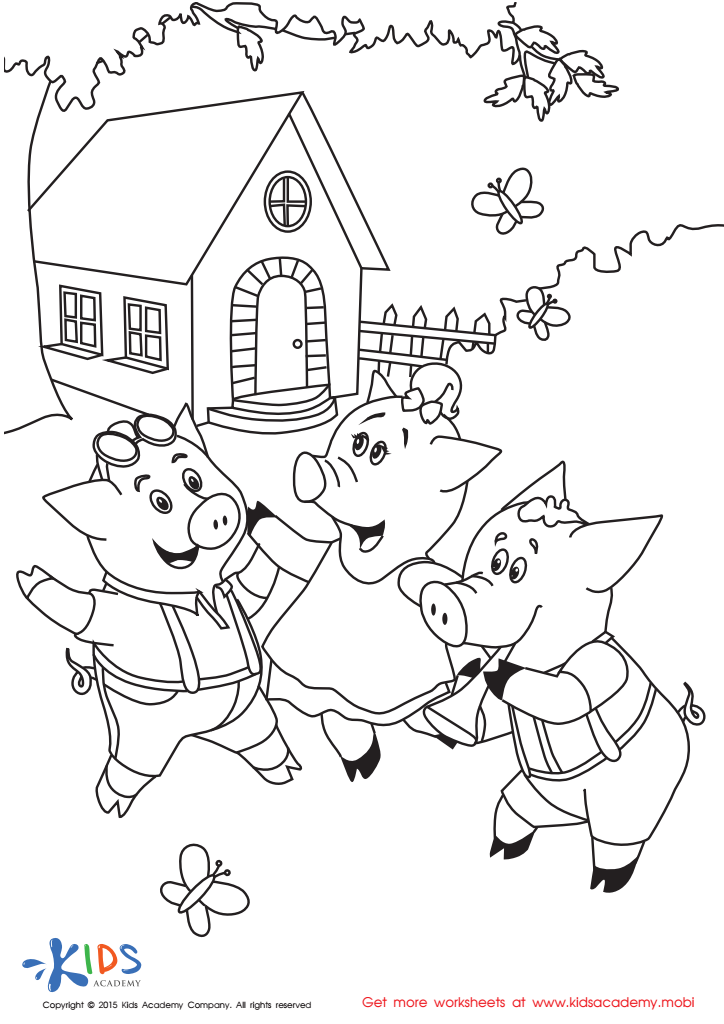
Folktales Printable PDF Worksheet: The 3 Little Pigs
 Assign to My Students
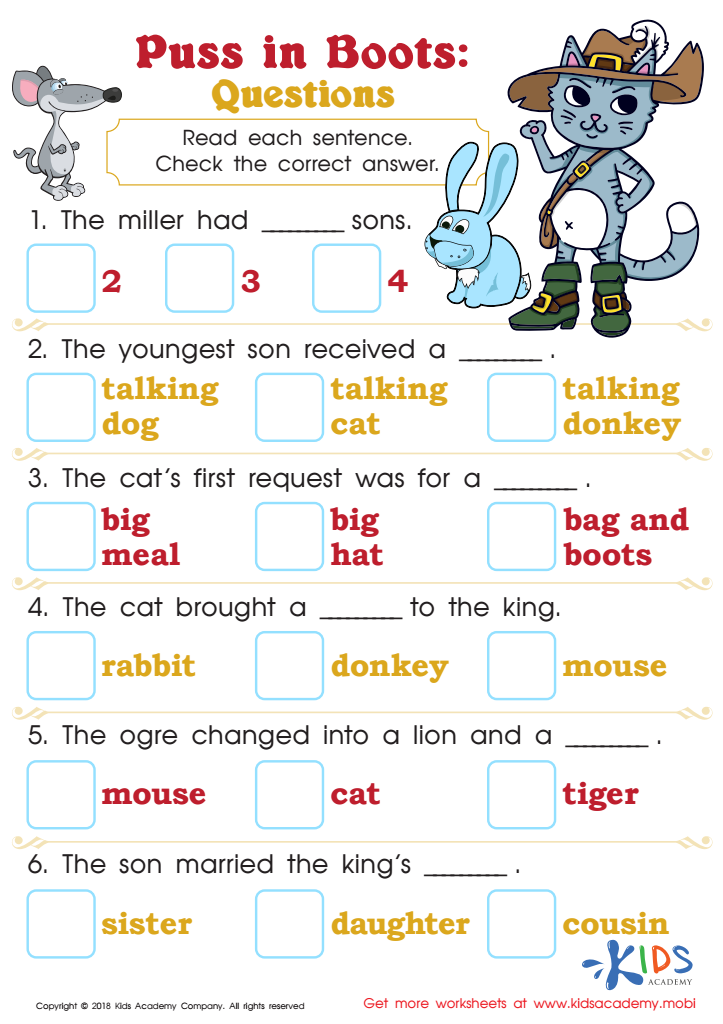
Puss in Boots: Questions Worksheet
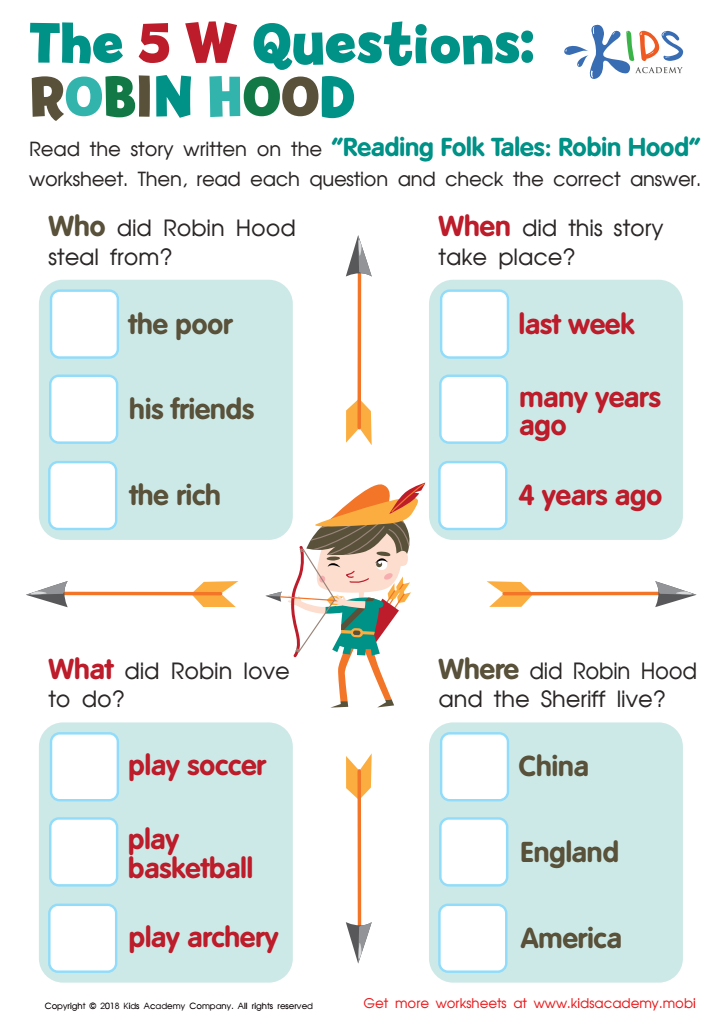
The 5 W Questions: Robin Hood Worksheet
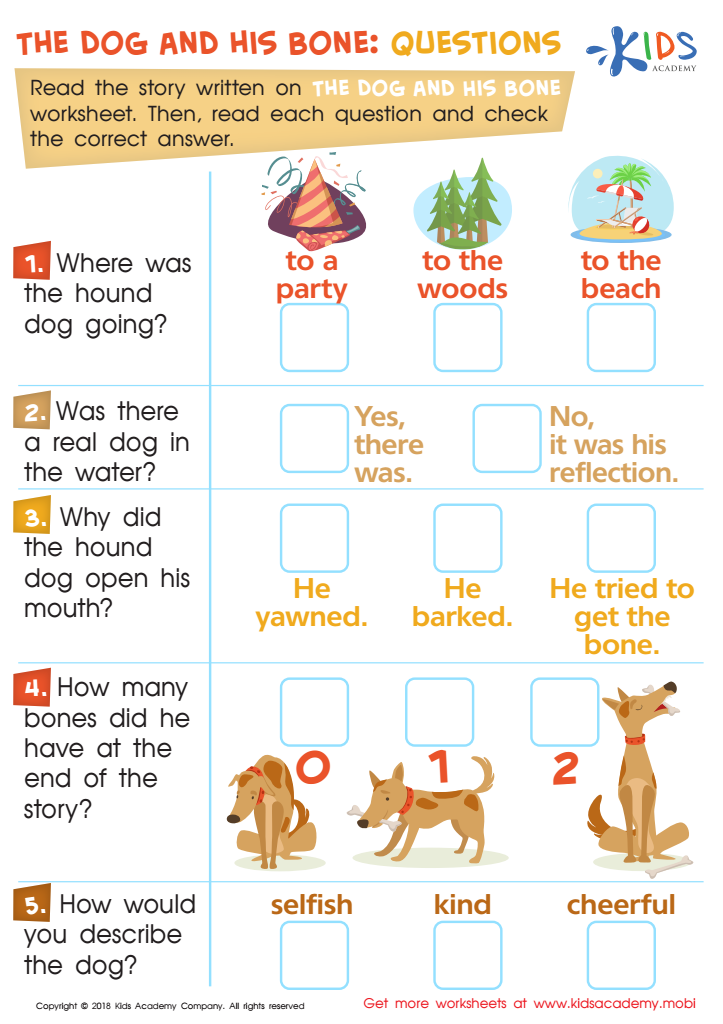
The Dog and His Bone: Questions Worksheet
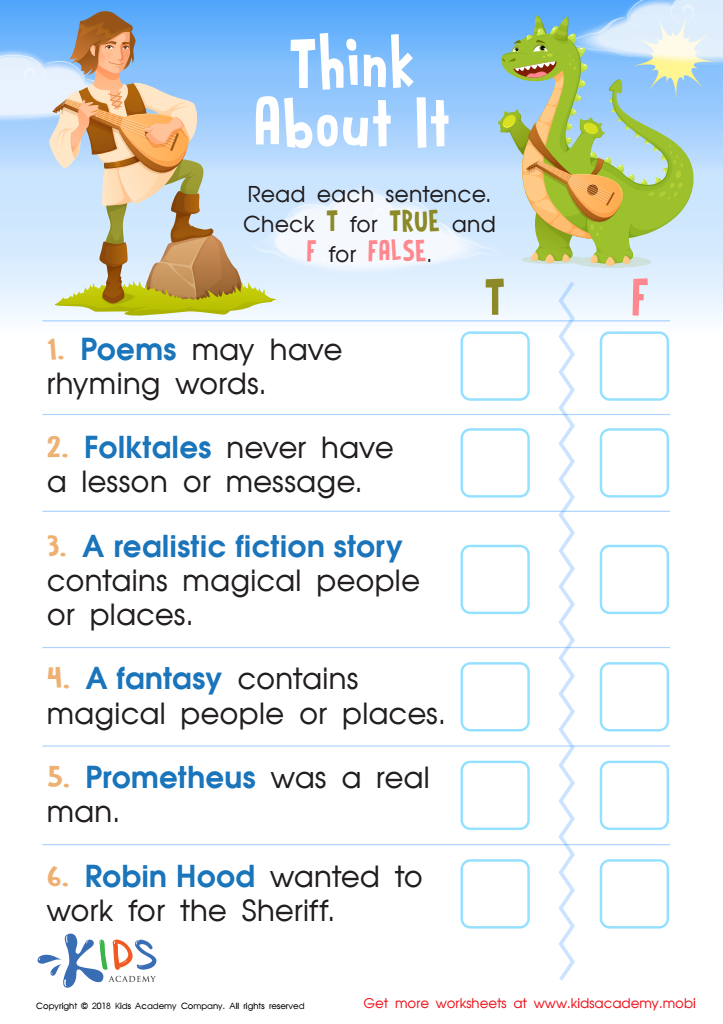
Think About It: Assessment Worksheet








Critical thinking in reading fiction for 9-year-olds is essential for nurturing well-rounded, independent learners. At this age, children are developing their ability to analyze, evaluate, and synthesize information while exploring diverse narratives. Engaging with fiction helps them to comprehend complex themes, recognize different perspectives, and question motives—skills crucial for effective critical thinking.
Parents and teachers should prioritize nurturing these skills as fiction encourages empathy, creativity, and curiosity. By discussing characters’ choices, consequences, and the moral dilemmas they face, children learn to articulate their thoughts and expand their viewpoints. This process not only enhances their comprehension and vocabulary but also fosters a love for reading.
Furthermore, critical thinking skills developed through fiction can translate to other academic subjects and real-life situations. Children learn to approach challenges thoughtfully, consider varying outcomes, and cultivate logical reasoning. In a world laden with information and diverse viewpoints, equipping students with the capability to analyze and question is paramount for their personal growth and civic responsibility.
In summary, encouraging critical thinking through reading fiction at an early age prepares 9-year-olds to become thoughtful, informed citizens, empowering them to navigate and contribute meaningfully to the world around them.








