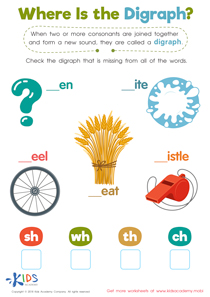
Phonics practice Beginning Consonants Worksheets
4 filtered results
-
From - To
Boost your child's reading skills with our "Phonics Practice: Beginning Consonants Worksheets." Specifically designed for young learners, these printable worksheets focus on the fundamental building blocks of phonics, helping kids recognize and sound out beginning consonants. Engaging activities and age-appropriate exercises ensure that learning is fun and effective. Perfect for both classroom and at-home use, our worksheets support early literacy development and pave the way for confident reading. Visit us now to explore our wide collection of resources and give your child the head start they deserve on their reading journey.
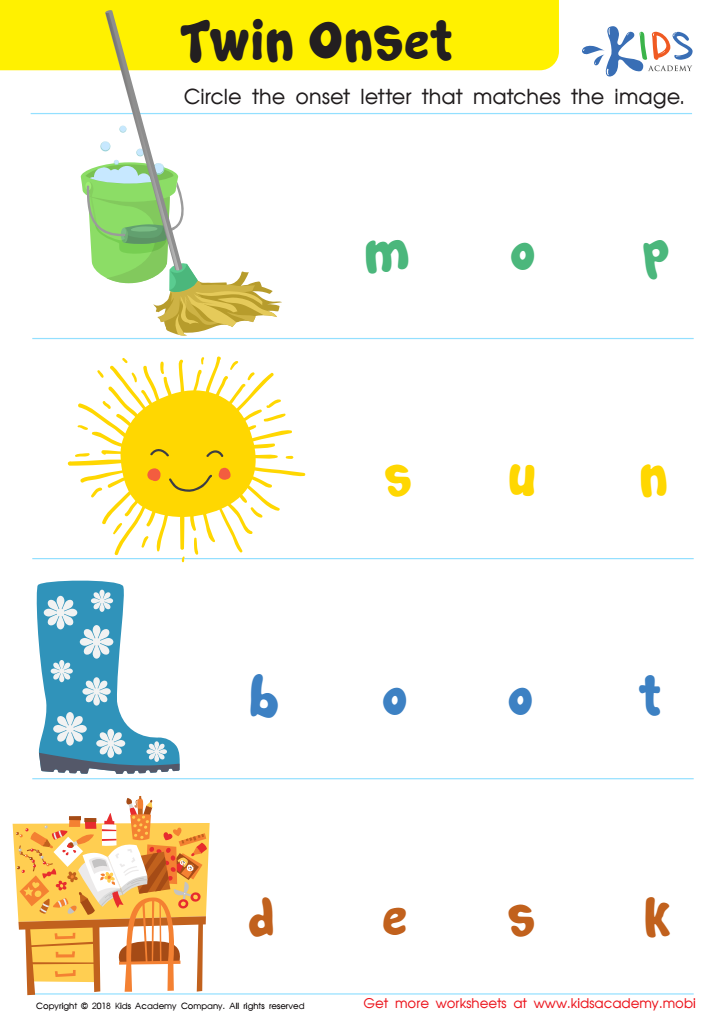
Twin Onset Worksheet
 Assign to My Students
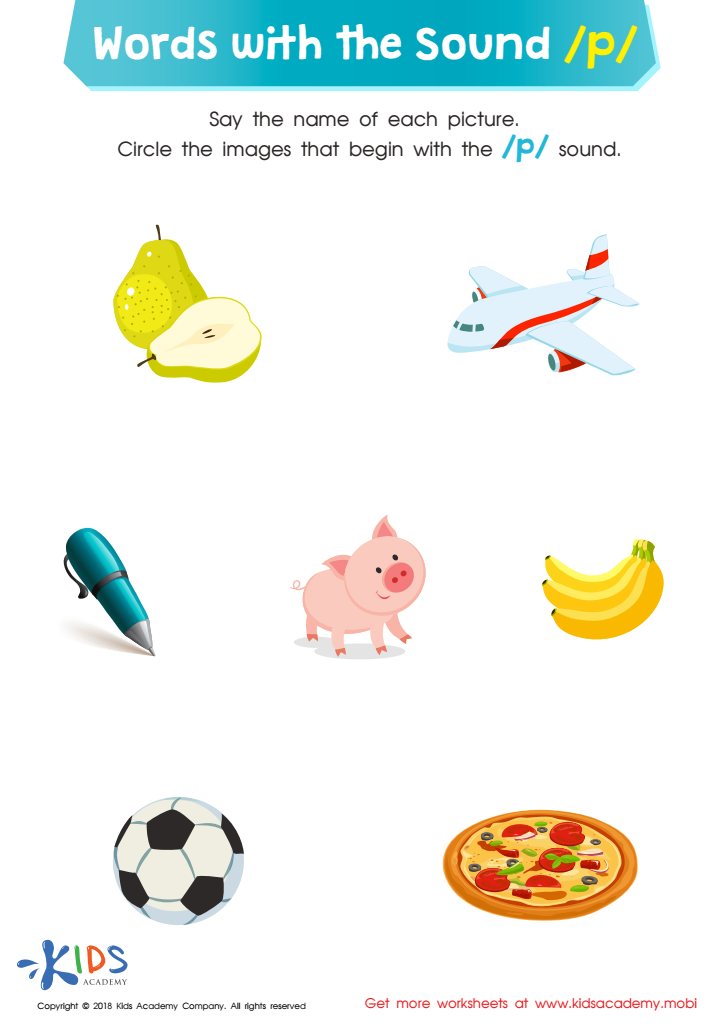
Words with sound p Reading Worksheet
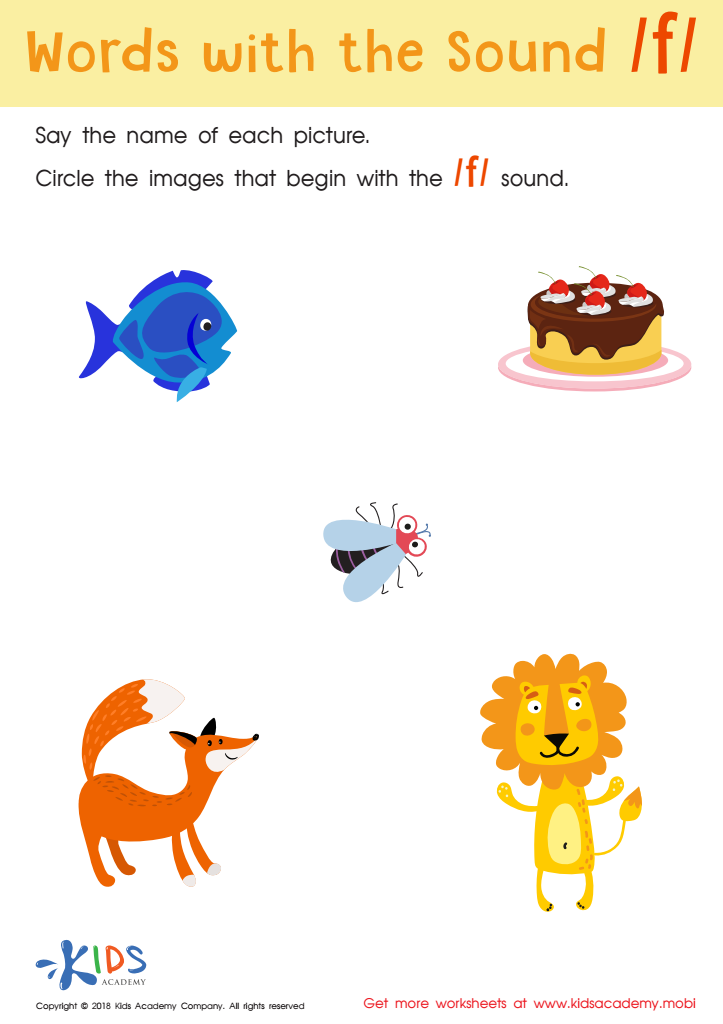
Words with sound f Reading Worksheet
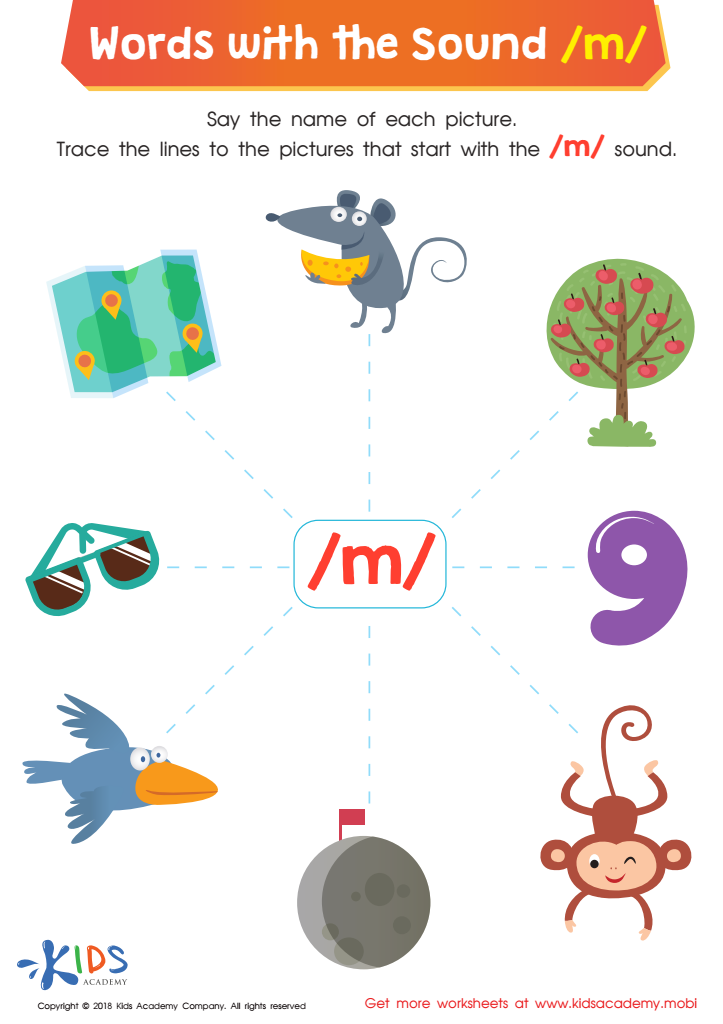
Words with Sound M Reading Worksheet


Phonics practice, particularly beginning consonants, is foundational in early childhood literacy and comprehension. When parents and teachers prioritize this aspect, they furnish children with critical skills that form the basis of reading proficiency. Beginning consonants, the sounds letters make at the start of words, are among the first building blocks in the reading process. Understanding these sounds helps children decode and recognize words, fostering smoother and more confident reading.
Phonics instruction enhances phonemic awareness, enabling children to identify, segment, and blend sounds effectively, which is crucial for reading fluency. Additionally, mastering beginning consonants bolsters vocabulary development and helps in correct pronunciation, both of which are essential for effective communication.
Parents and teachers who emphasize phonics practice create an enriching learning environment by supporting synaptic connections in a child's brain conducive to reading and learning proficiency. Early and consistent practice in phonics can prevent future reading difficulties, improve spelling skills, and ensure overall academic success. Collaboration between parents and teachers amplifies this effect, as reinforcing these principles across different settings aids in solidifying a child's understanding and application of reading skills. Hence, dedication to phonics practice, particularly in early years, yields long-term educational benefits for children.