Vocabulary expansion Elementary Phonics Worksheets
6 filtered results
-
From - To
Welcome to our Vocabulary Expansion Elementary Phonics Worksheets section! Designed for young learners, these engaging worksheets focus on enhancing vocabulary skills through phonics activities. Each worksheet features fun exercises that promote sound-letter recognition, helping students connect sounds with words. By incorporating interactive elements, kids will enjoy learning new vocabulary while improving their reading fluency. Ideal for classroom or home use, these worksheets support phonics-based learning and encourage kids to explore language meaningfully. Foster a love for language and ensure a solid foundation in vocabulary development with our thoughtfully crafted resources. Explore our collection and empower your child's reading journey today!
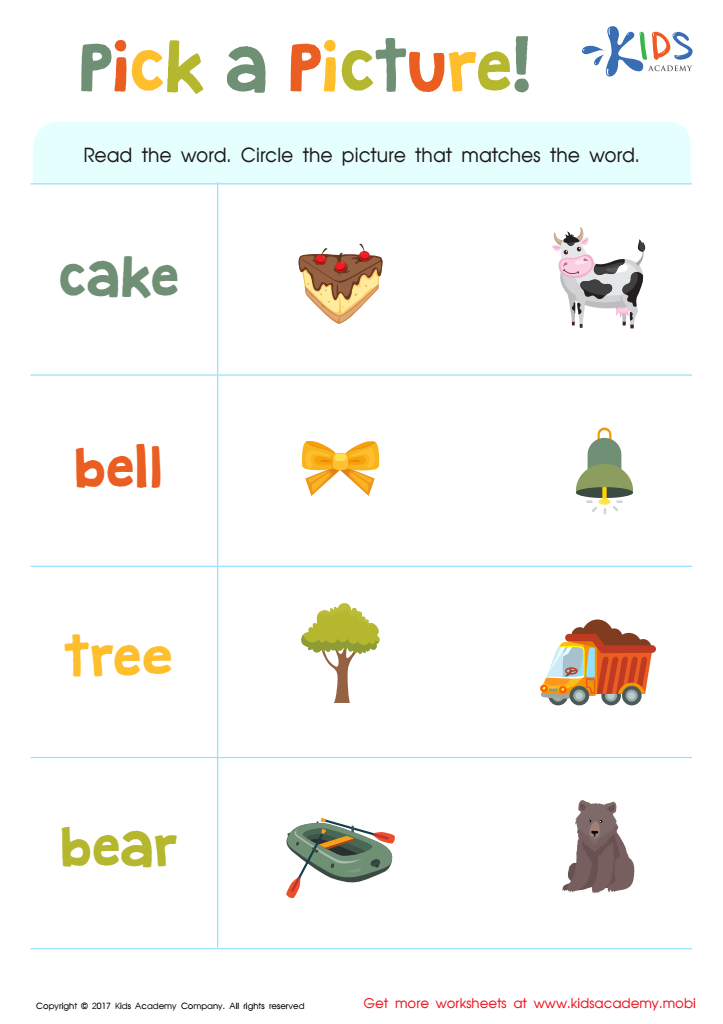
Pick a Picture Word Recognition Worksheet
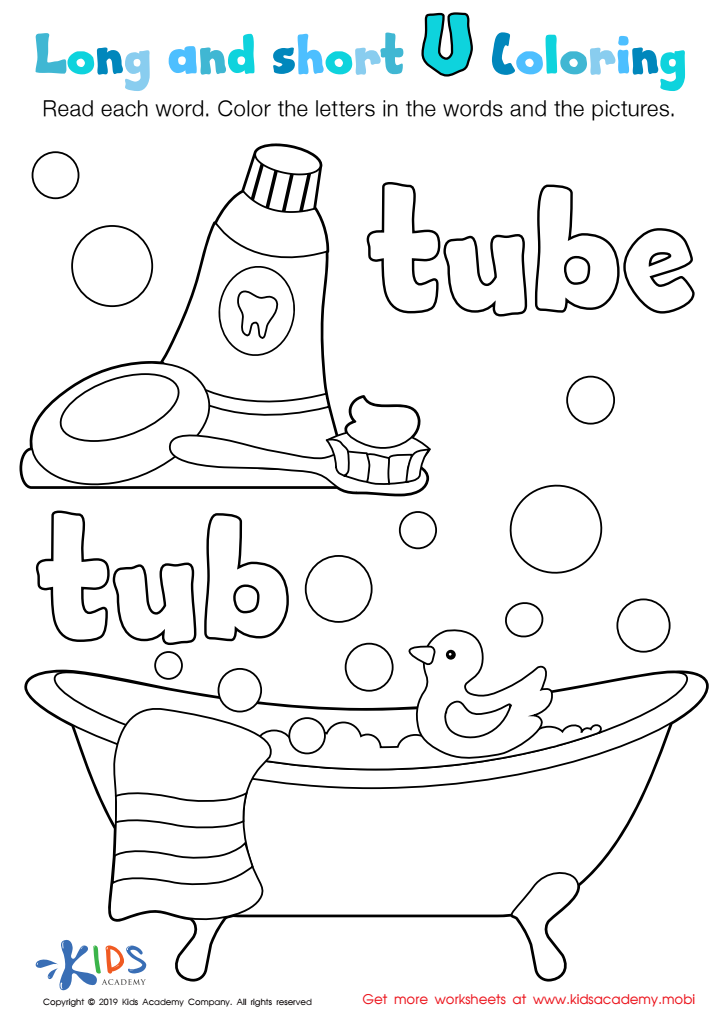
Long and Short U Worksheet
 Assign to My Students
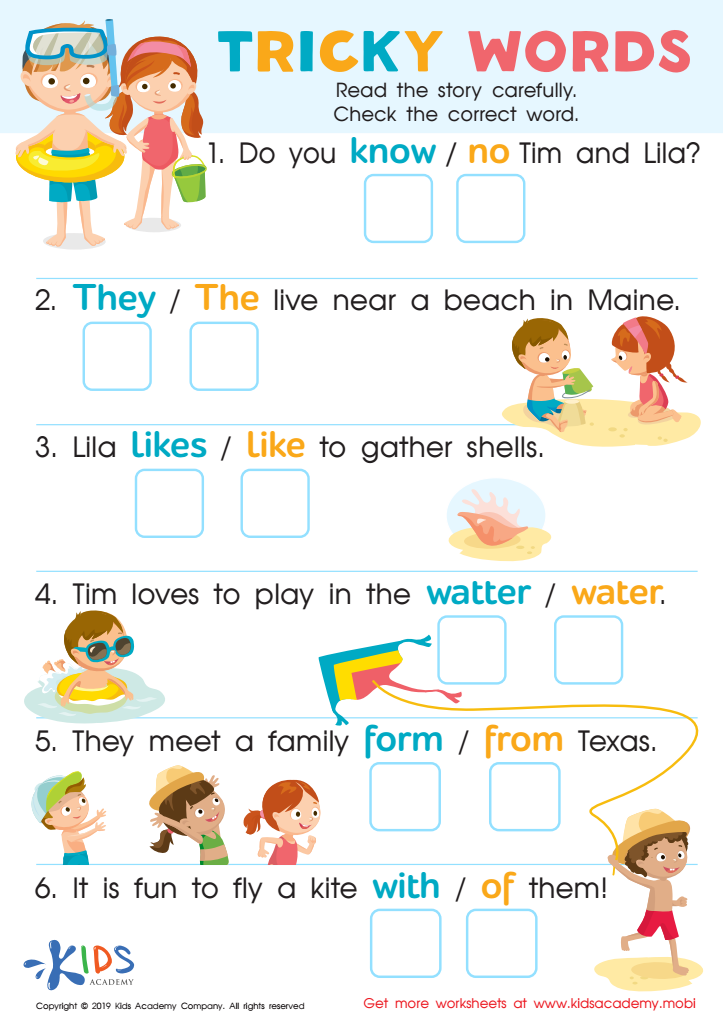
Tricky Words Worksheet
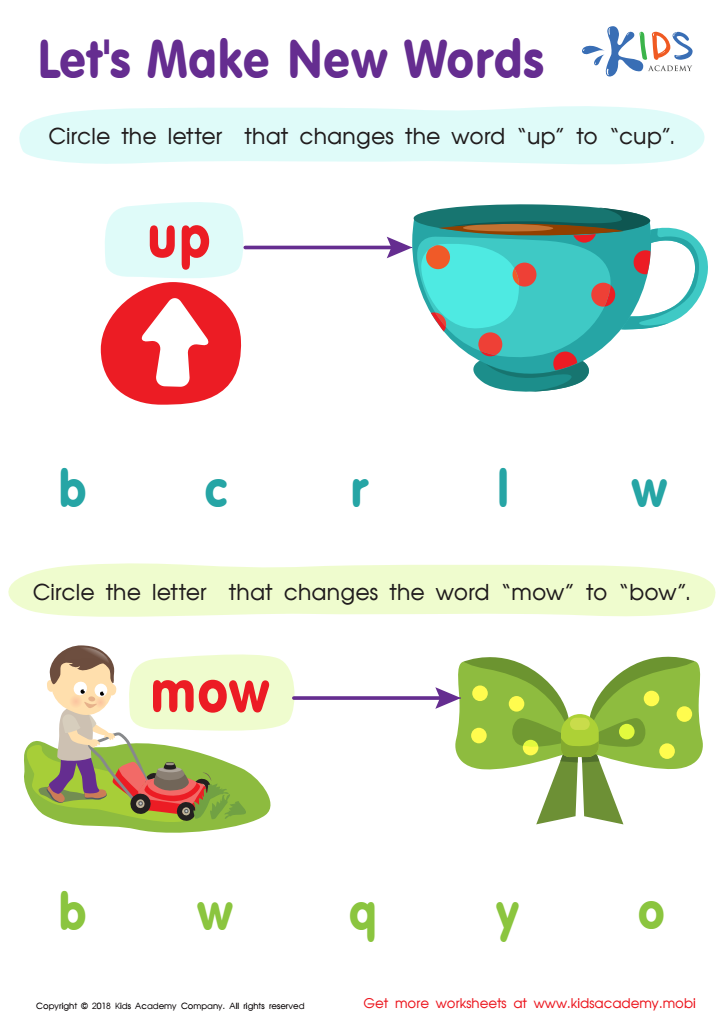
Let's Make New Words Worksheet
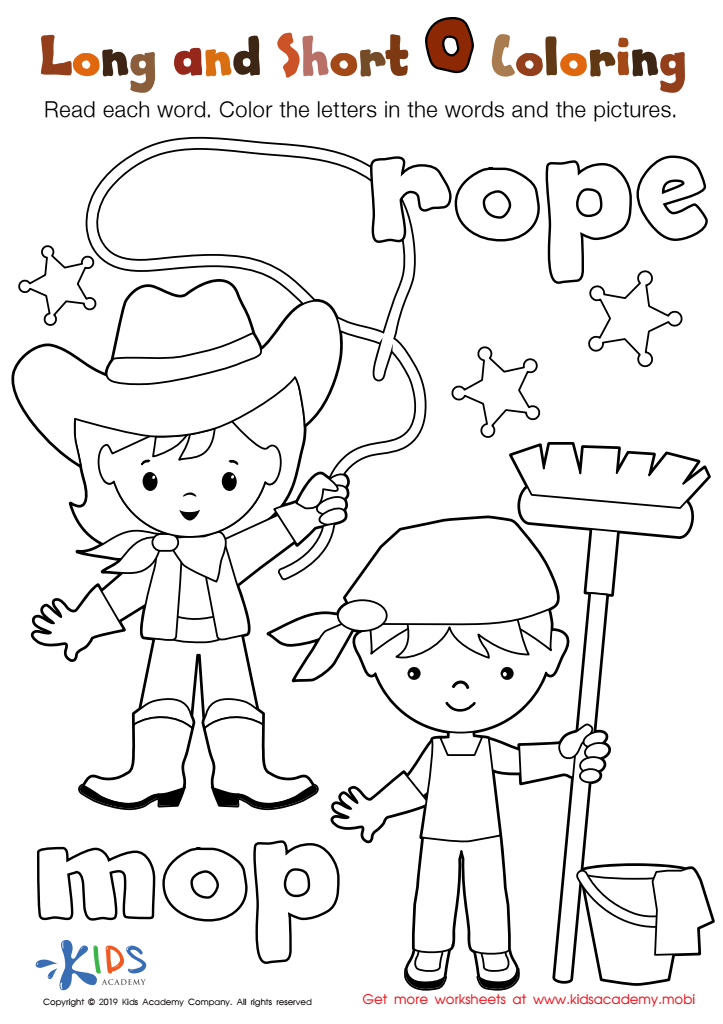
Long and Short O Worksheet
Assign to My Students
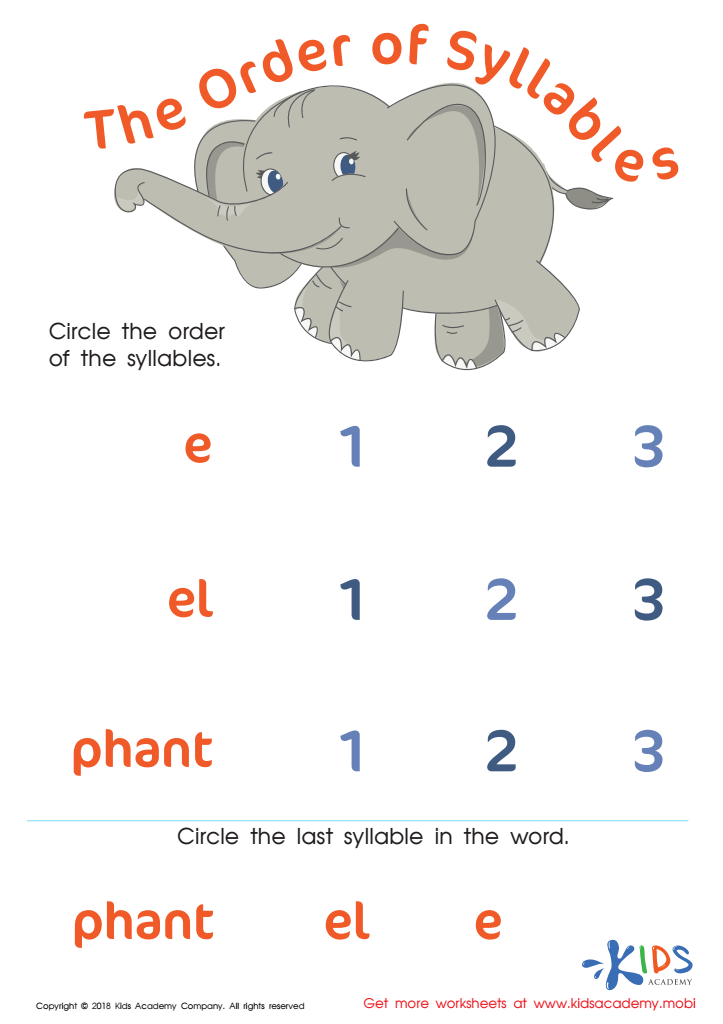
The Order of Syllables Worksheet




Parents and teachers should prioritize vocabulary expansion and elementary phonics because they are fundamental to literacy development in young learners. Phonics, the relationship between sounds and letters, equips students with essential tools to decode words, leading to improved reading fluency. When children grasp phonetic principles, they can tackle unfamiliar words confidently, fostering a love for reading.
Moreover, expansion of vocabulary significantly enhances comprehension skills. A rich vocabulary allows children to understand and engage with the texts they encounter across subjects, which is crucial for academic success. As they delve into stories and content, a strong vocabulary enables them to express their thoughts more clearly and creatively, improving their writing skills.
Relationship-building also comes into play; discussions around vocabulary can promote deeper conversations between parents, teachers, and children. Engaging in language-rich interactions boosts critical thinking and stimulates interest in learning.
Furthermore, vocabulary knowledge is a predictor of later academic achievement. Research shows that students who have a vast vocab are better prepared for advanced literacy tasks. By focusing on vocabulary and phonics, parents and teachers lay a strong foundation for lifelong learning and intellectual growth, ultimately supporting children in becoming confident, capable, and enthusiastic learners.







