Motor skills development Letter Recognition Worksheets
5 filtered results
-
From - To
Discover the perfect tool for early childhood education with our "Motor Skills Development Letter Recognition Worksheets." Designed specifically to enhance fine motor skills, these engaging activities help young learners improve hand-eye coordination while mastering letter recognition. Packed with a variety of tracing, matching, and coloring exercises, our worksheets make learning the alphabet both fun and effective. Ideal for home or classroom use, these expertly crafted resources support children in building foundational skills necessary for reading and writing success. Foster your child's growth and confidence with our high-quality educational materials from Kids Academy.
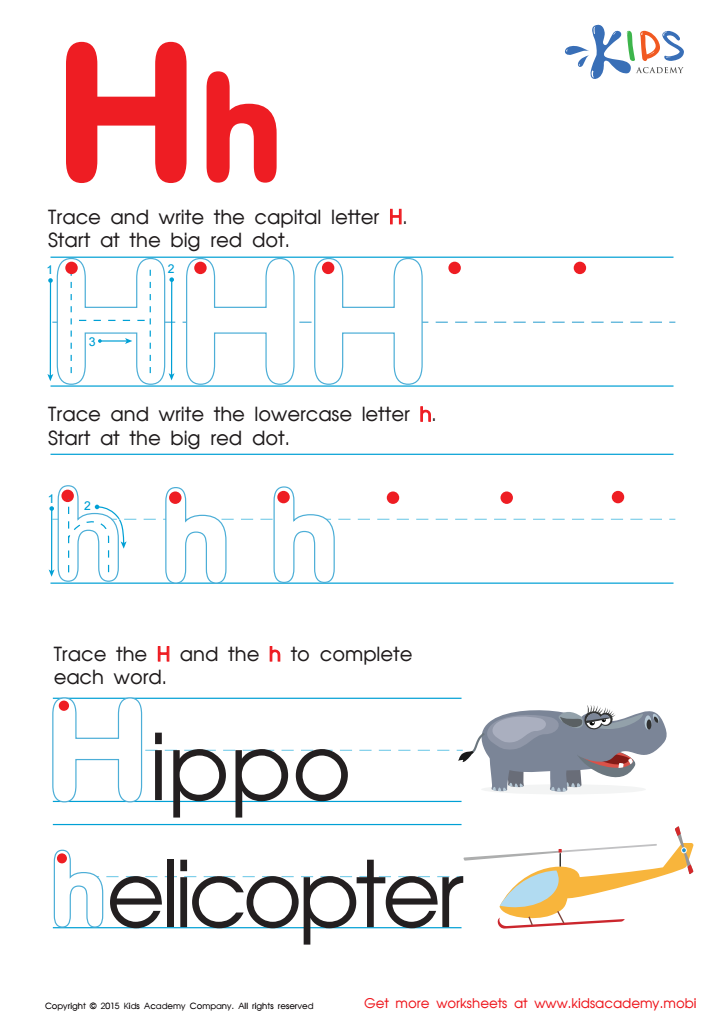
Letter H Tracing Page
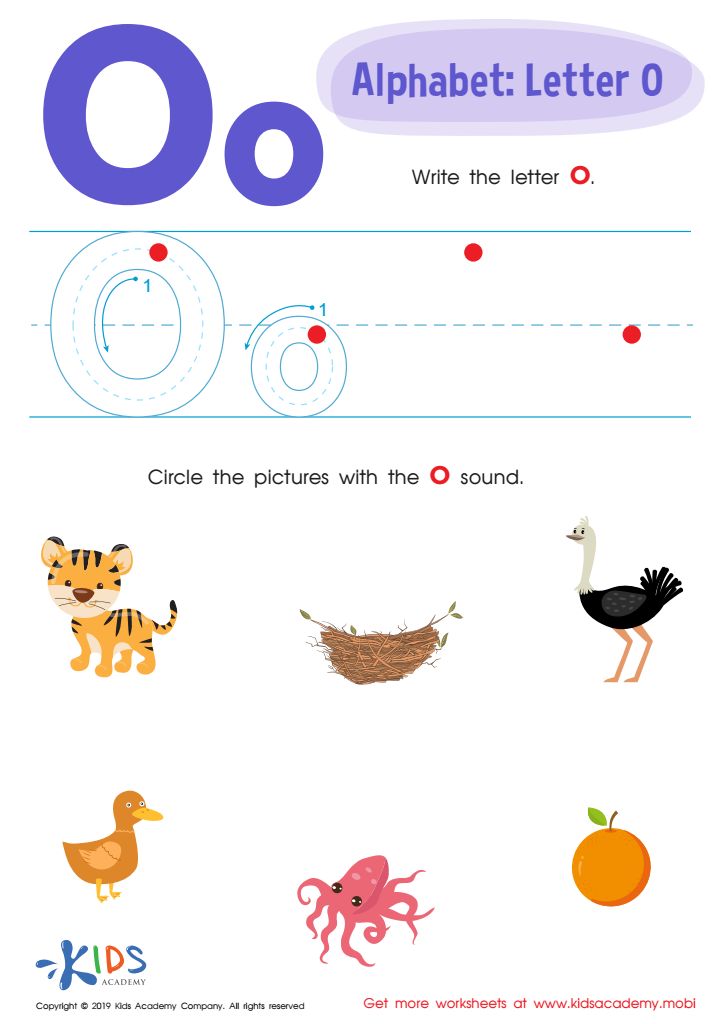
Letter O Tracing Worksheet
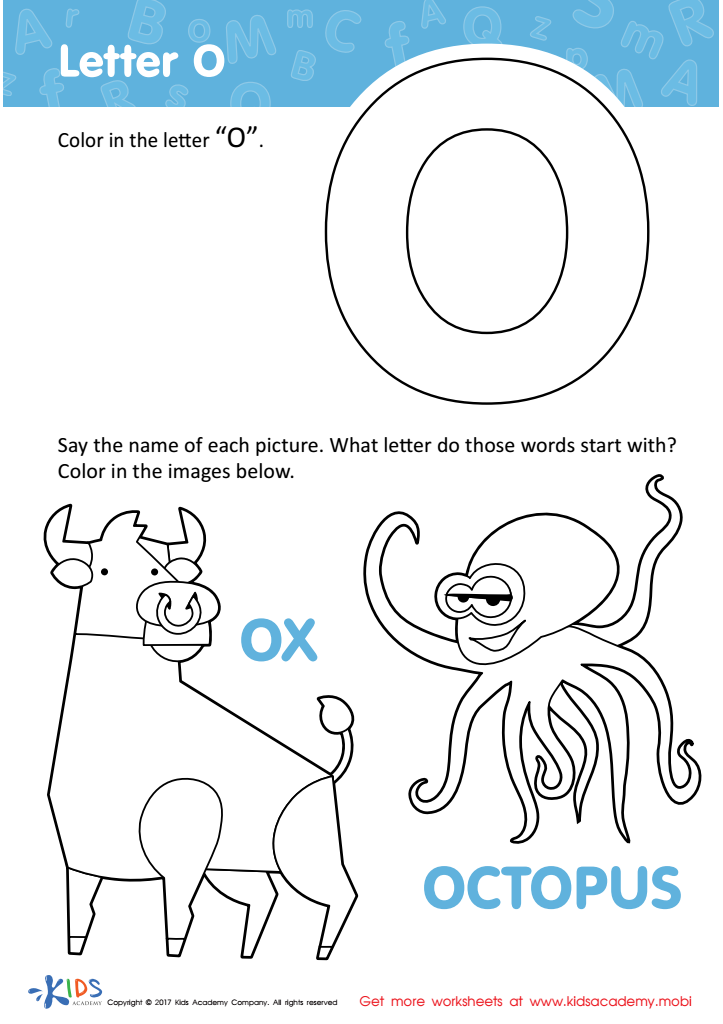
Letter O Coloring Sheet
 Assign to My Students
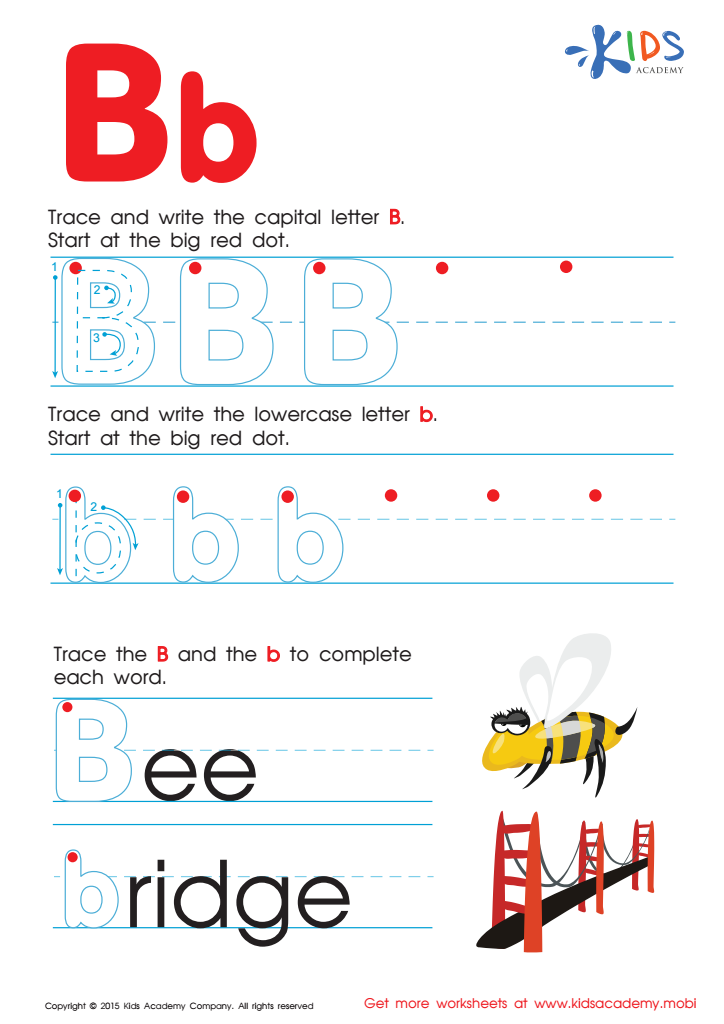
Letter B Tracing Page
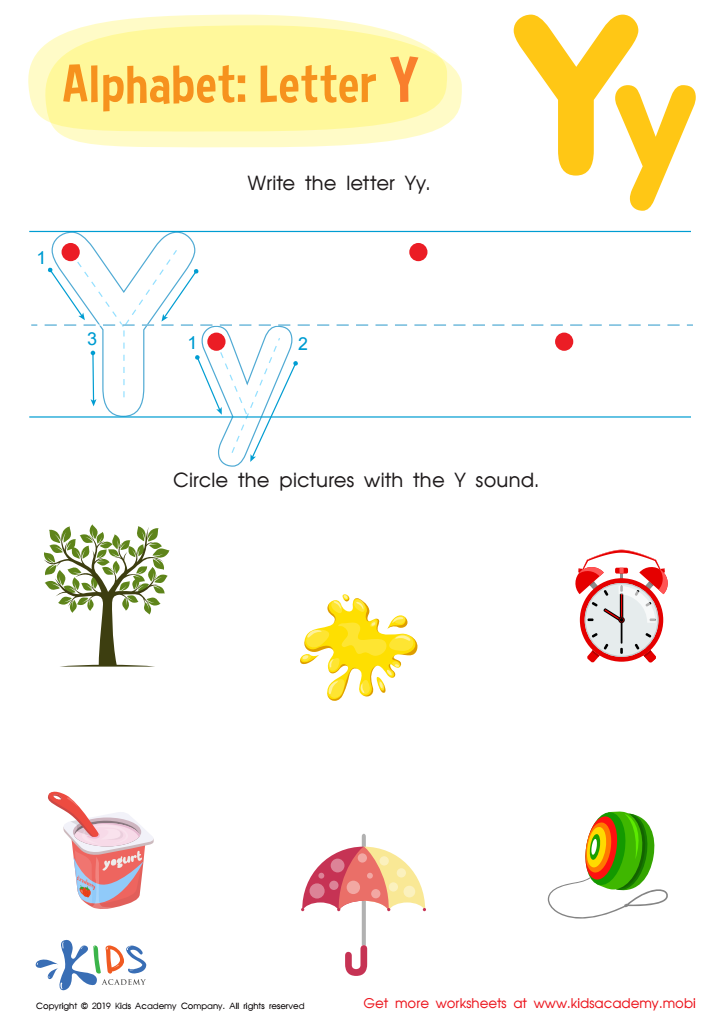
Letter Y Tracing Worksheet








Motor skills development and letter recognition are critical foundational components for a child's overall growth and academic success. Motor skills—both fine (small muscle movements like holding a pencil) and gross (larger movements like jumping)—are integral for children's development because they directly impact their ability to perform everyday tasks, engage in play, and, crucially, succeed in school settings.
Fine motor skills are particularly significant as they enable children to hold and maneuver a pencil, draw, and eventually write letters and numbers clearly. Letter recognition, on the other hand, is a precursor to reading and writing. It involves distinguishing between different letters and understanding their shapes, sounds, and eventually, their associated words. This foundational literacy skill is essential for early reading development and subsequent academic progress.
When parents and teachers focus on nurturing fine motor skills, they’re equipping children with the physical ability to write letters properly. Simultaneously, emphasizing letter recognition helps build cognitive associations vital for language development. Together, these skills form the bedrock for later complex literacy tasks, including reading comprehension and fluent writing. A strong foundation in these areas fosters confidence, encourages a love for learning, and prepares children for future academic challenges, thus highlighting the critical role that parents and teachers play in early child development.







