Phonics practice Letter Recognition Worksheets
5 filtered results
-
From - To
Discover our engaging Phonics Practice Letter Recognition Worksheets, designed to enhance young learners' understanding of the alphabet. These printable resources help children master letter identification and sound association through fun activities. With colorful illustrations and diverse exercises, our worksheets promote interactive learning, making it easy for teachers and parents to support literacy development. Perfect for preschool and early grade students, these worksheets encourage phonemic awareness and fine motor skills while providing a solid foundation for reading success. Explore our collection today to make learning letters enjoyable and effective! Ideal for classrooms and home education alike.
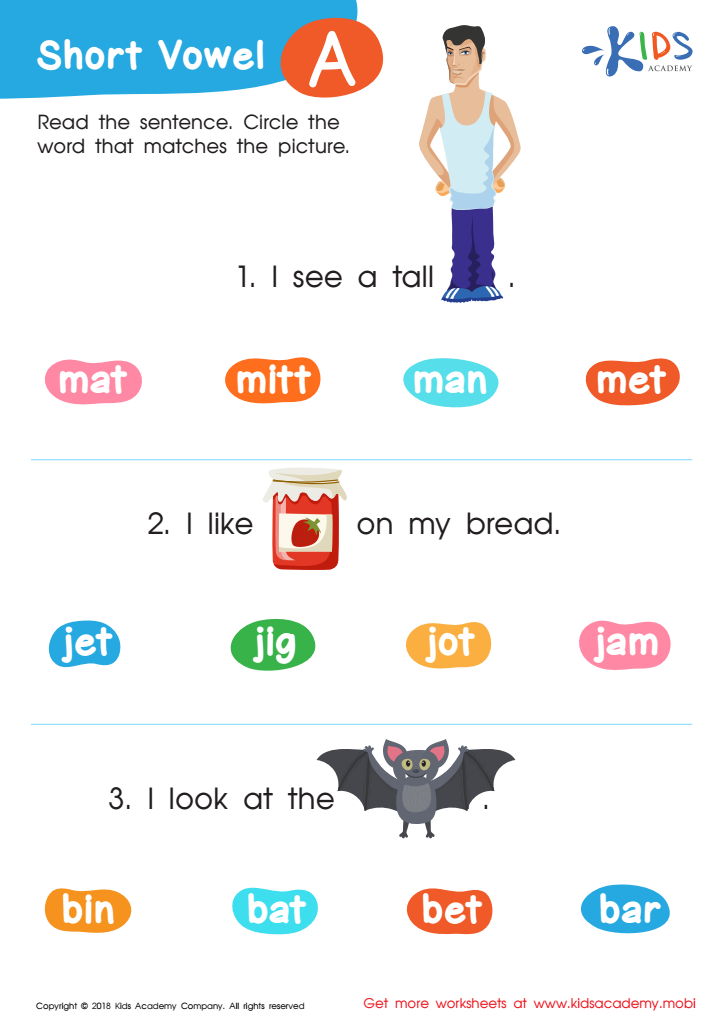
Short Vowel /a/ Worksheet
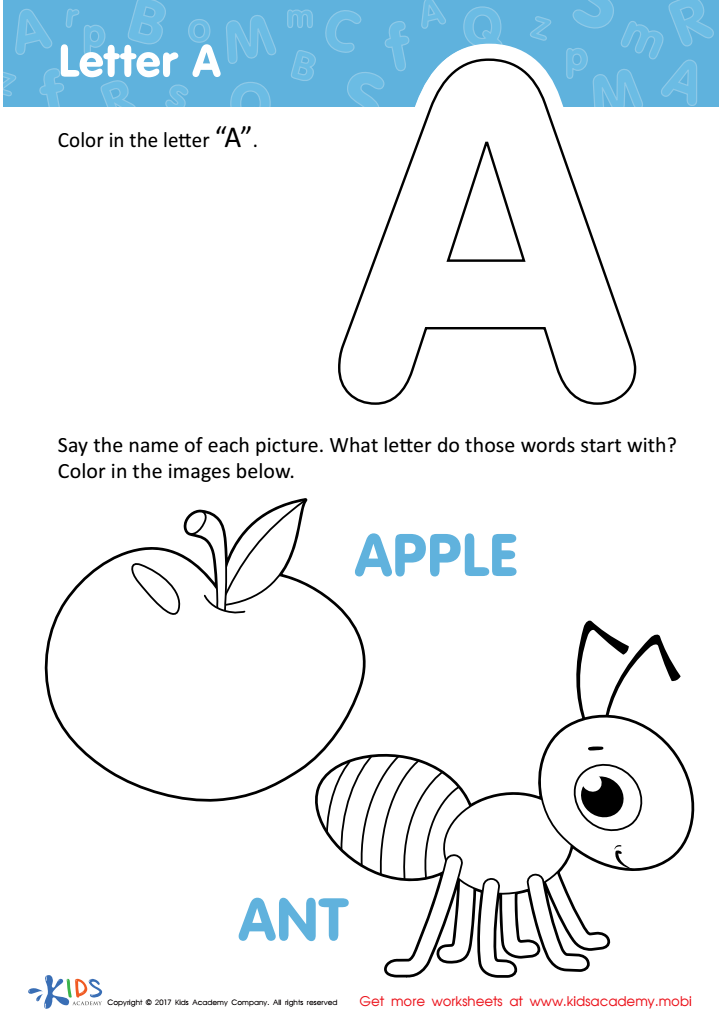
Letter A Coloring Sheet
 Assign to My Students
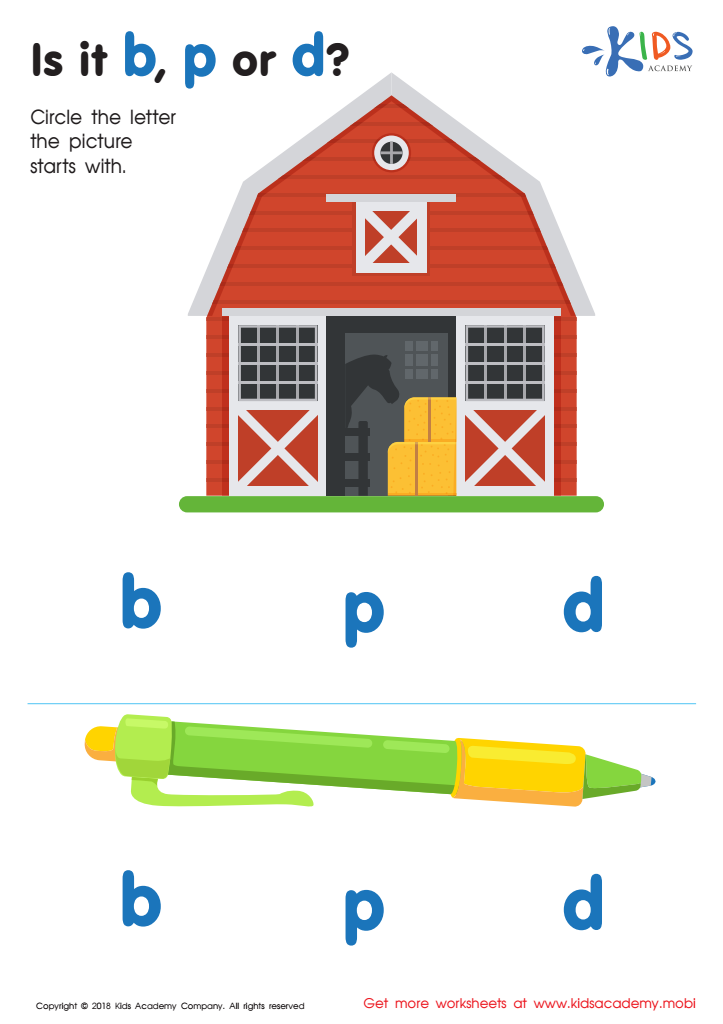
Is it b, p or d? Worksheet
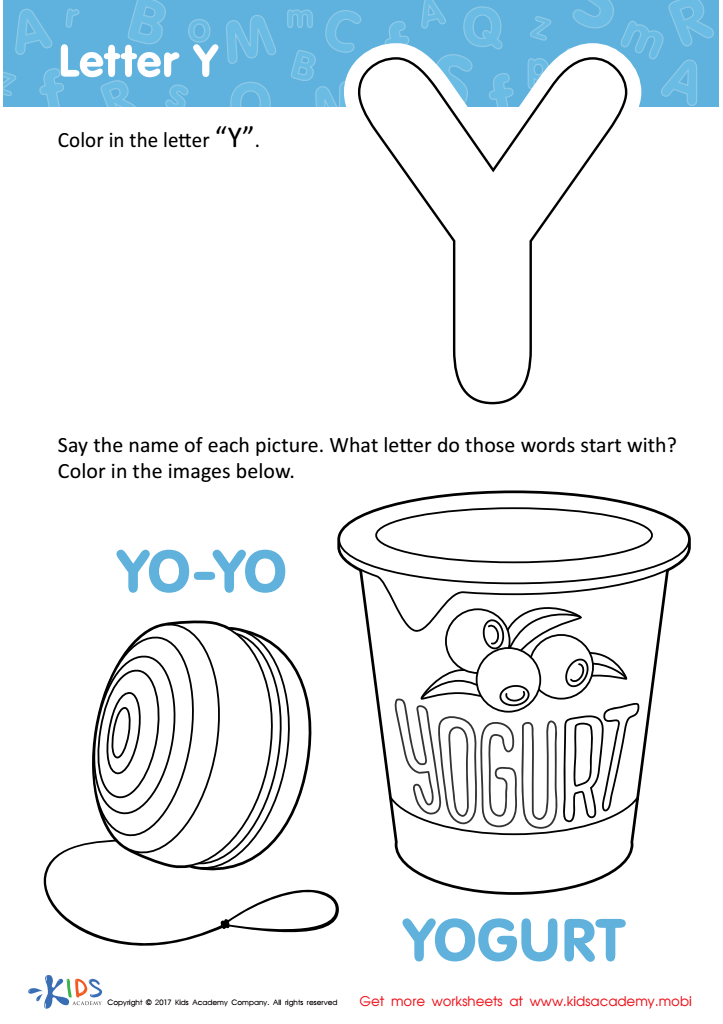
Letter Y Coloring Sheet
Assign to My Students
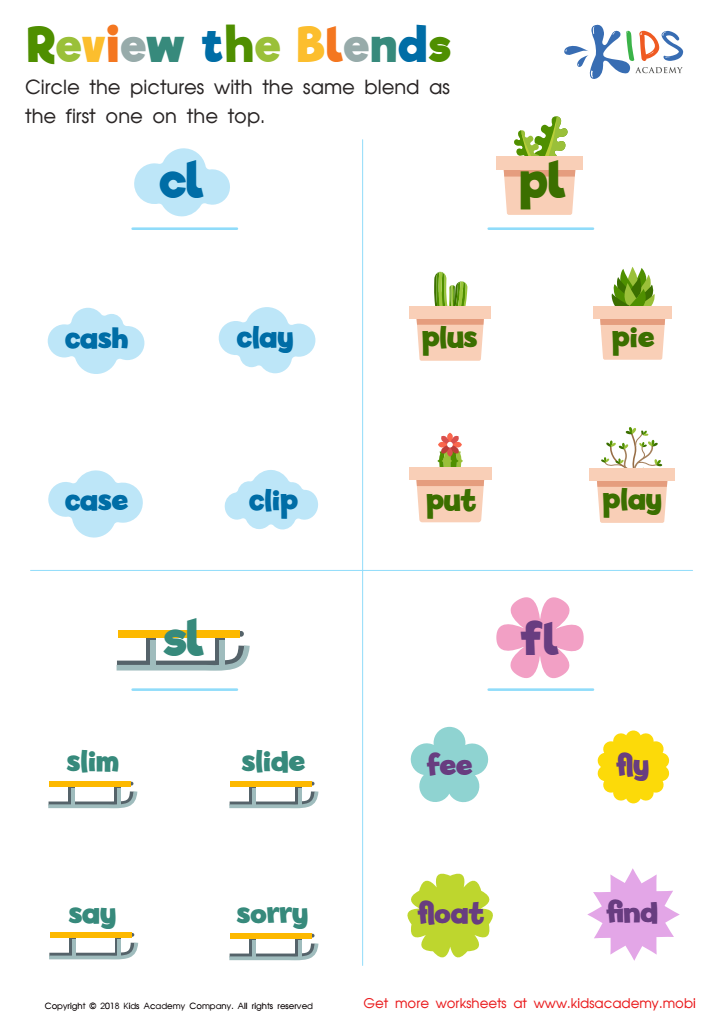
Review the Blends Worksheet








Parents and teachers should prioritize phonics practice and letter recognition because they form the foundation of early literacy development. Phonics instruction teaches children the relationship between letters and their corresponding sounds, which is crucial for reading proficiency. When children can recognize letters and understand their sounds, they are better equipped to decode words, making reading less daunting and more enjoyable.
Letter recognition aids in building a child’s confidence as they become readers. The more familiar they are with letters, the more empowered they feel when facing new texts. This growth in self-esteem can foster a lifelong love of reading, which has numerous academic and cognitive benefits.
Additionally, phonics practice helps strengthen memory and cognitive skills. Activities designed for letter recognition engage critical thinking and problem-solving, which are vital for overall academic success.
Moreover, by instilling these foundational skills early on, parents and teachers play a significant role in reducing future reading difficulties. Children who possess strong letter recognition and phonics skills tend to be better communicators, perform better academically, and have improved socio-emotional development. Ultimately, fostering these skills early helps equip children for a diverse range of future learning opportunities.







