Spelling practice Two Letter Phonics Worksheets
8 filtered results
-
From - To
Enhance your child's reading and writing skills with our "Spelling Practice Two Letter Phonics Worksheets". These meticulously designed worksheets focus on two-letter combinations, creating a strong phonics foundation for emerging readers. Engaging activities and fun visuals make learning enjoyable while reinforcing spelling and pronunciation. Ideal for early learners, these worksheets boost confidence, strengthen fine motor skills, and improve literacy. Perfect for classroom use or at-home practice, our worksheets offer an interactive way to master basic phonics effortlessly. Start your child's journey to reading success with our expertly curated spelling practice tools. Download and print now!
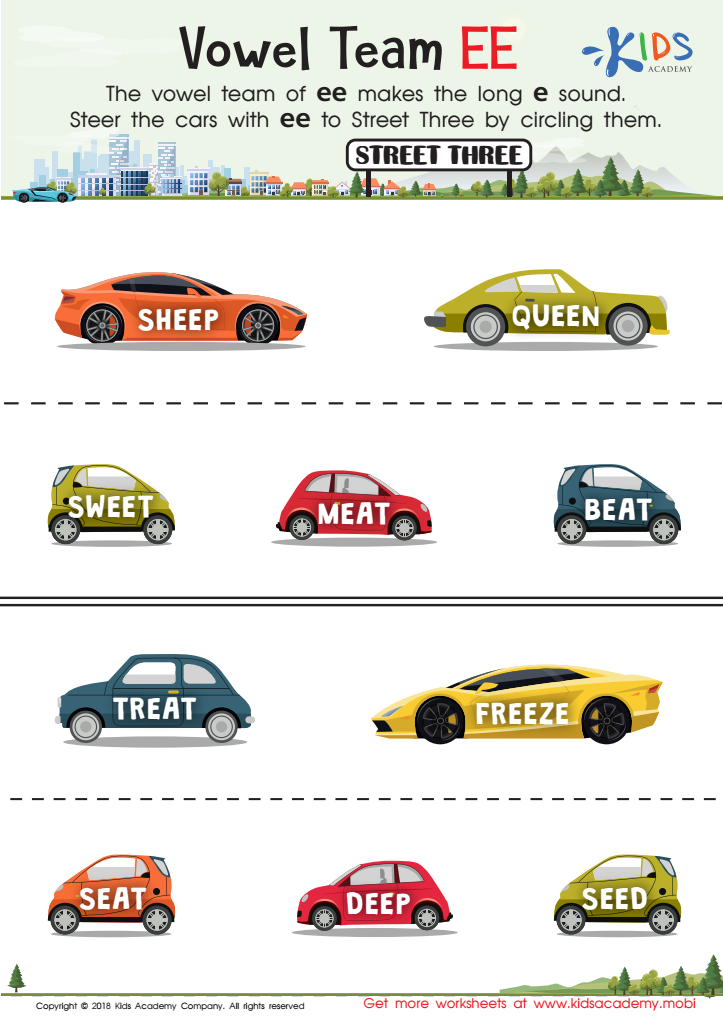
Vowel team ee Worksheet
 Assign to My Students
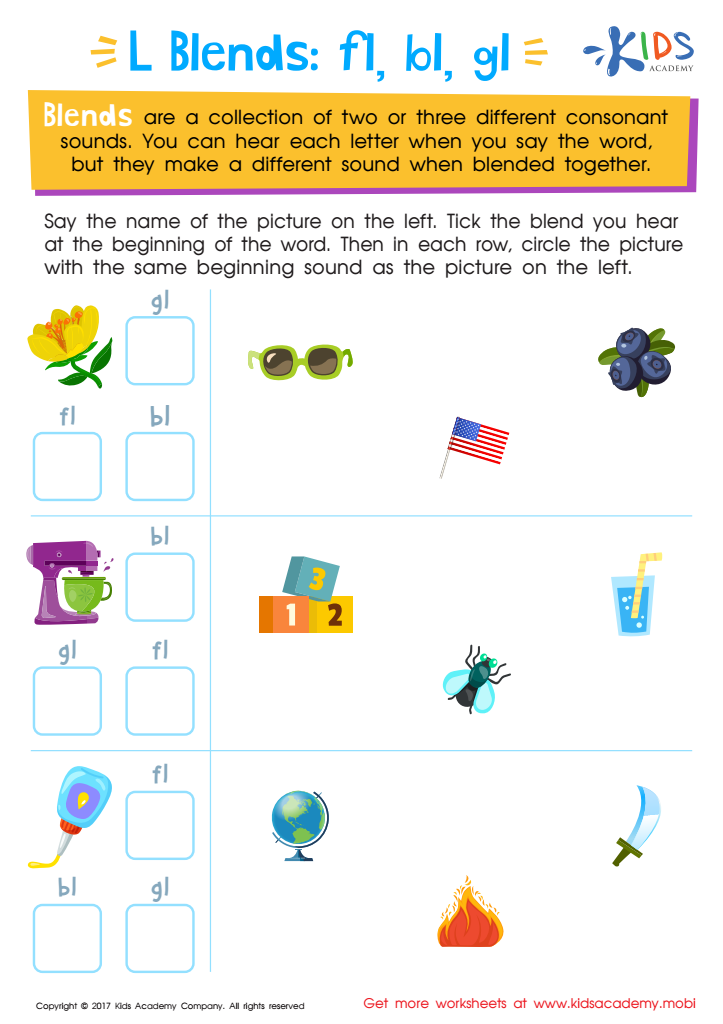
Blending Consonants: "Fl", "Bl" and "Gl" Printable
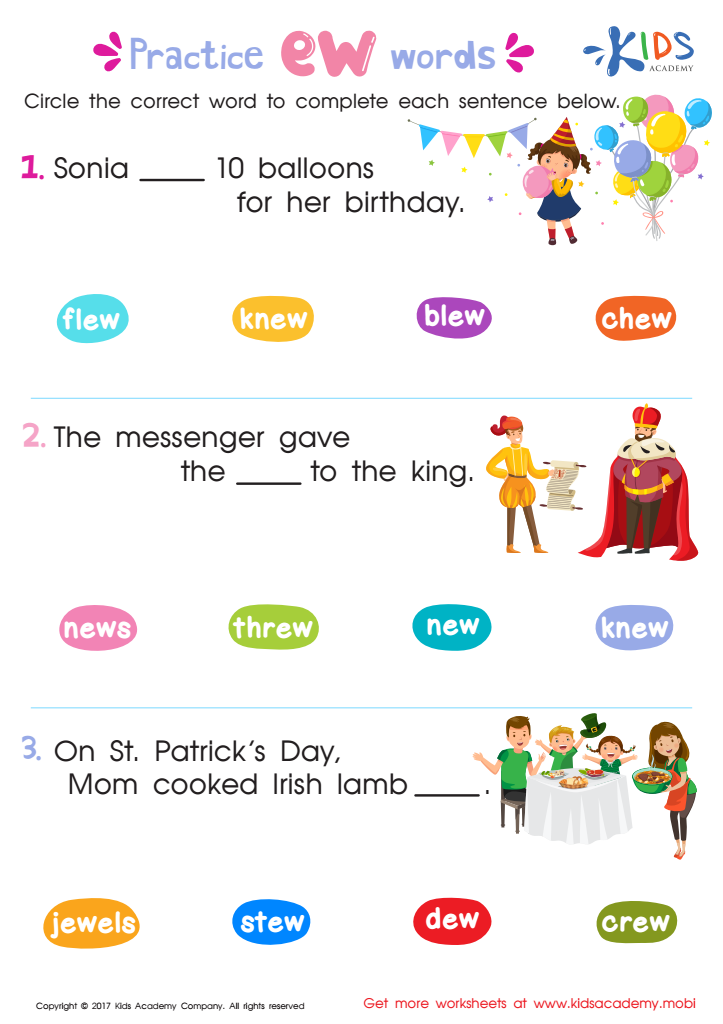
EW Words Worksheet
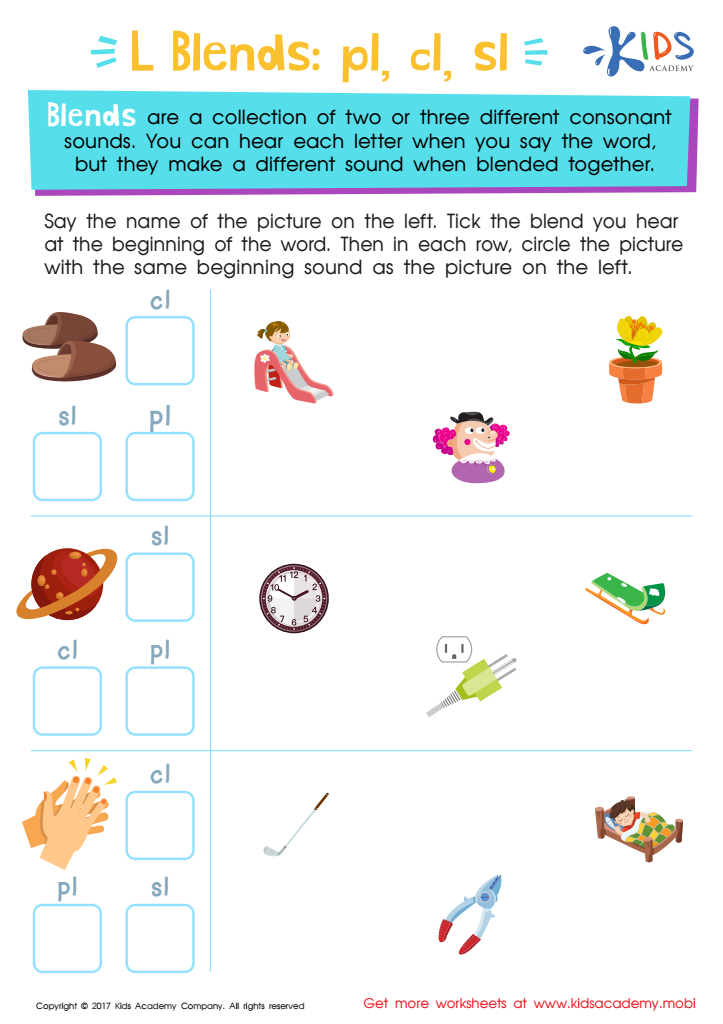
L Blends: "Pl", "Cl" and "Sl" Printable
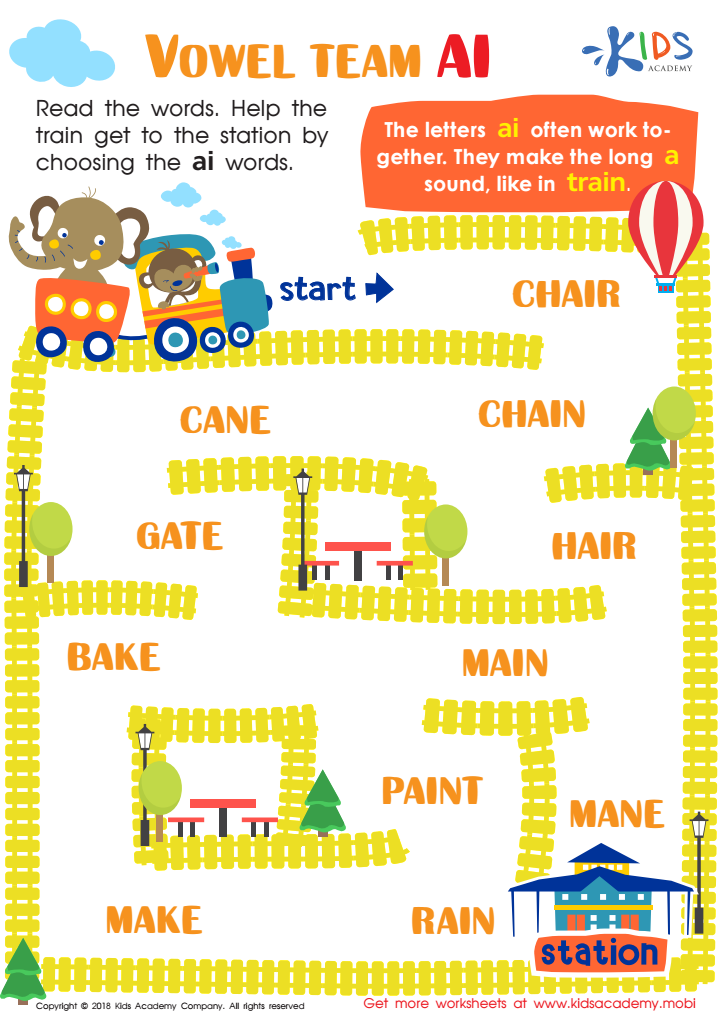
Vowel team ai Worksheet
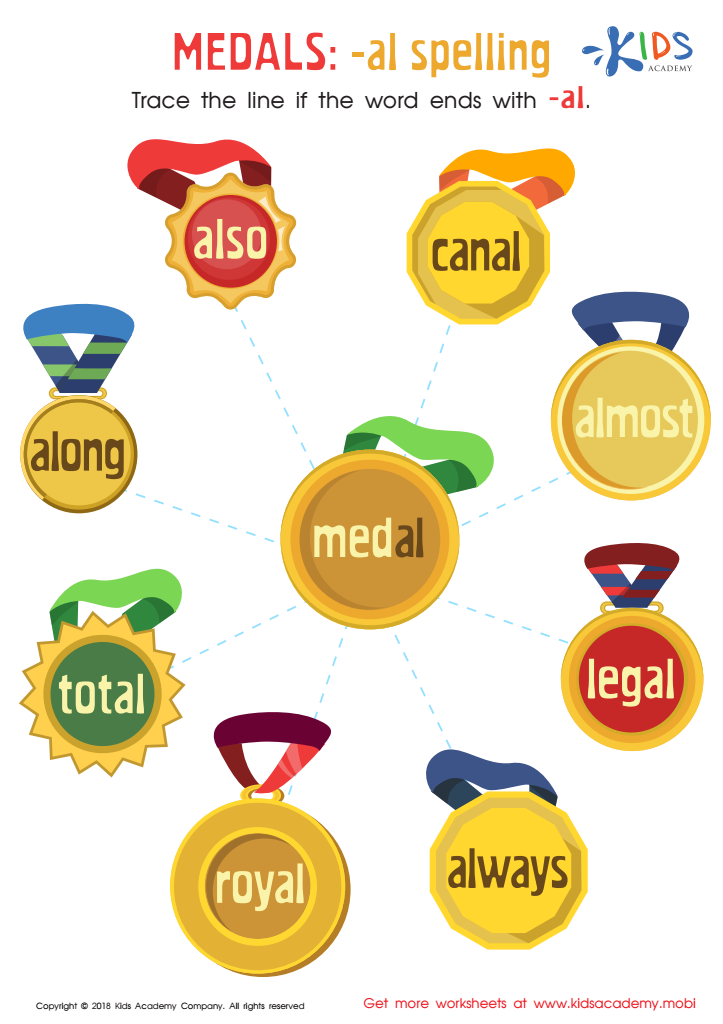
Medals: Al Spelling Worksheet
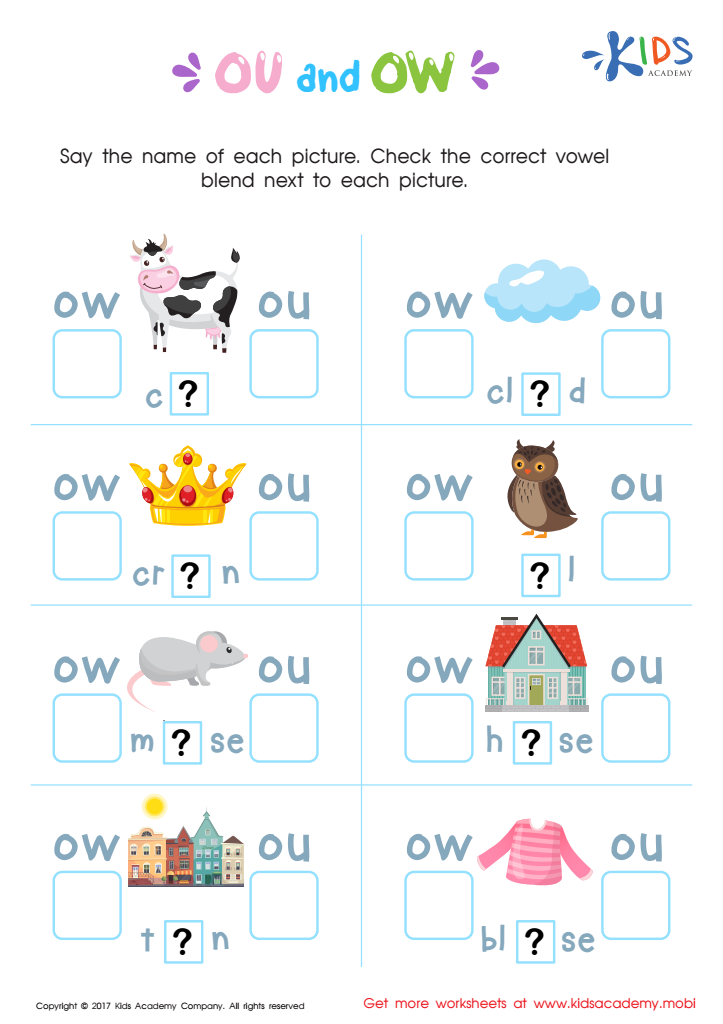
OU and OW Words Worksheet
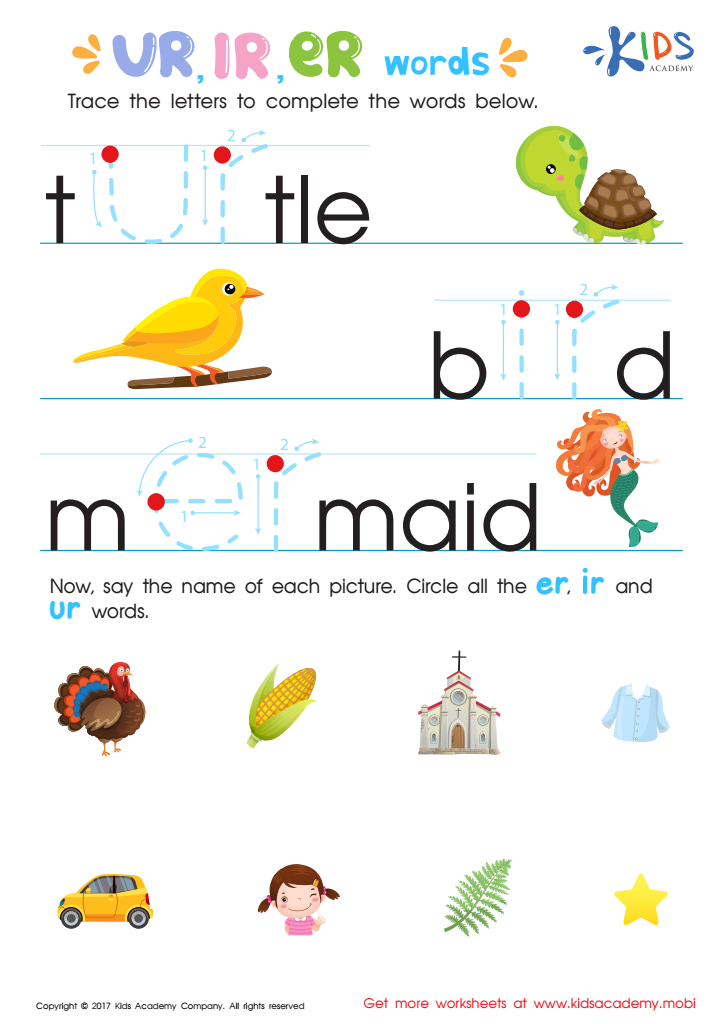
IR UR ER Words Worksheet



Spelling practice with two-letter phonics is fundamental in early education as it establishes the foundation for literacy — a critical skill in child development. For young learners, the mastery of two-letter phonics facilitates the transition from recognizing individual letters to understanding how letters combine to form sounds, which is essential for reading and writing. This foundational practice helps children decode words more efficiently and builds their confidence.
Engaging with two-letter phonics enhances vocabulary by allowing children to learn numerous high-frequency words. Success in spelling these simple words can motivate them to tackle more complex vocabulary, creating a positive feedback loop in their learning journey. Spelling practice also refines phonological awareness, which is the sensitivity to the sound structures in language, thus improving pronunciation and listening skills.
Furthermore, personalized spelling activities can accommodate various learning styles. Practical exercises, such as word games, flashcards, and writing prompts, make learning fun and impact retention positively. For parents and teachers, consistent spelling practice aligns with language arts curricula, paving the path to academia success. When children possess strong spelling and phonics skills early on, they are better prepared for future academic challenges. Hence, by prioritizing two-letter phonics, parents and teachers invest in the child's long-term educational and cognitive development.







