Alphabet sequencing Upper & Lowercase Letters Worksheets
4 filtered results
-
From - To
Discover our engaging Alphabet Sequencing Upper & Lowercase Letters Worksheets! Perfect for early grade learners, these worksheets help kids master the order of the alphabet while distinguishing between uppercase and lowercase letters. Each activity is thoughtfully designed to challenge and excite young minds, aiding in the development of essential literacy skills. Through vibrant and fun exercises, students can enhance their cognitive abilities and gain confidence in recognizing letter patterns. Ideal for both classroom and at-home learning, our Alphabet Sequencing Worksheets are a valuable resource for fostering a love for reading and writing. Try them today for free!
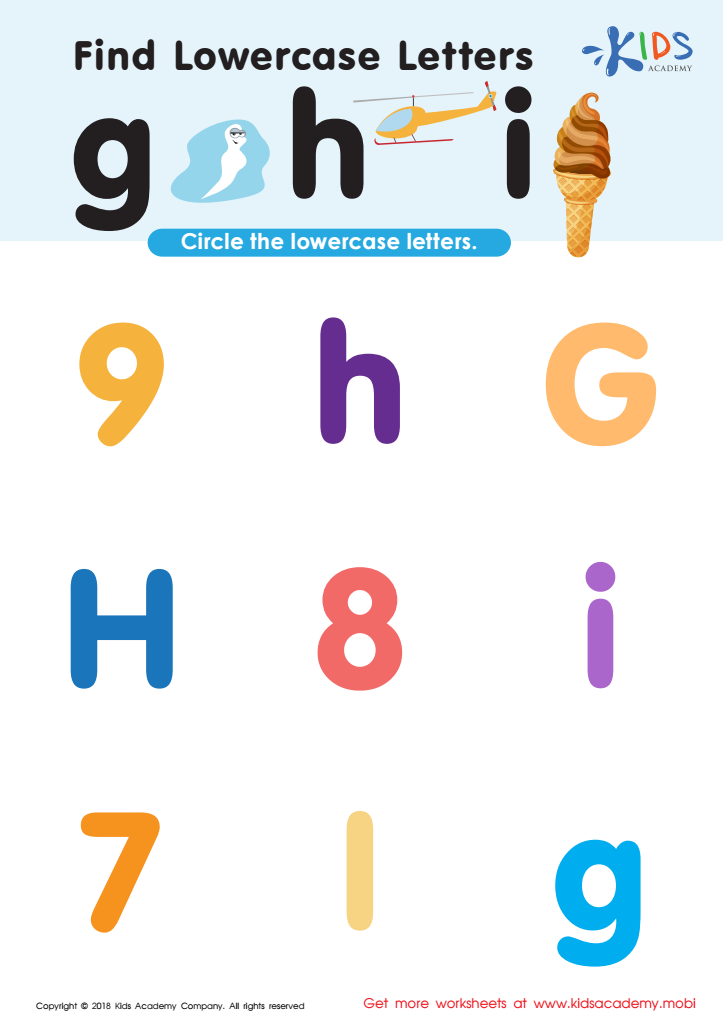
Find Lowercase Letters g h i Worksheet
 Assign to My Students
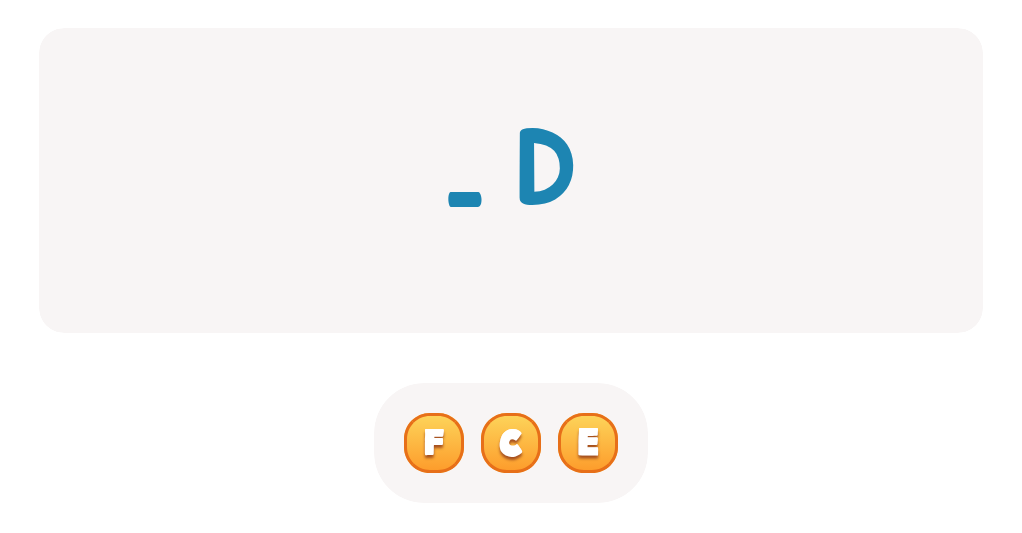

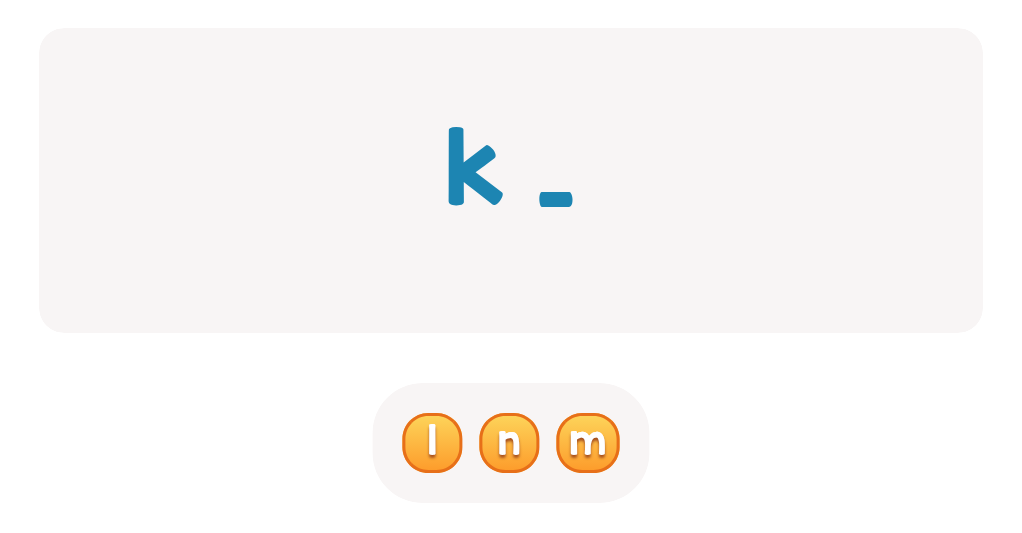
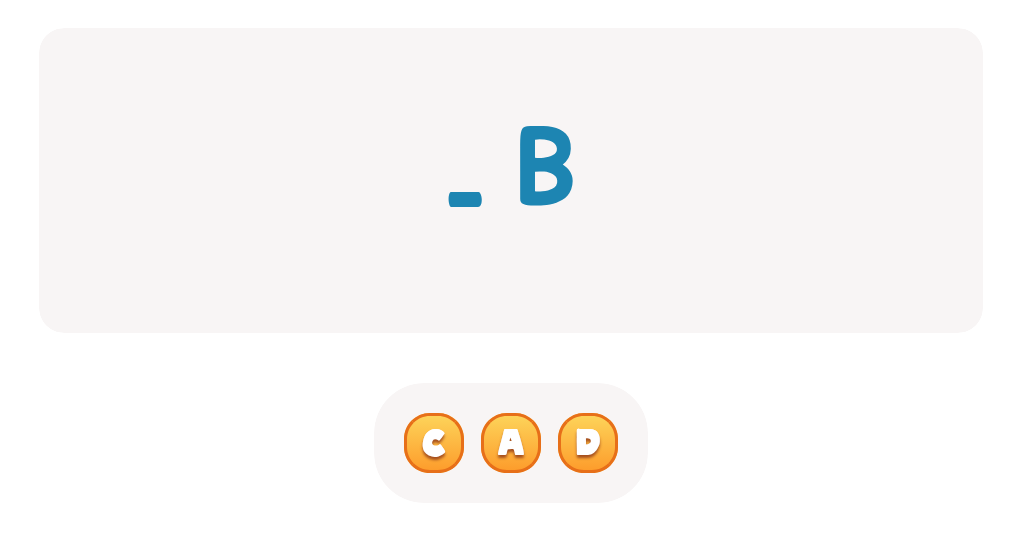

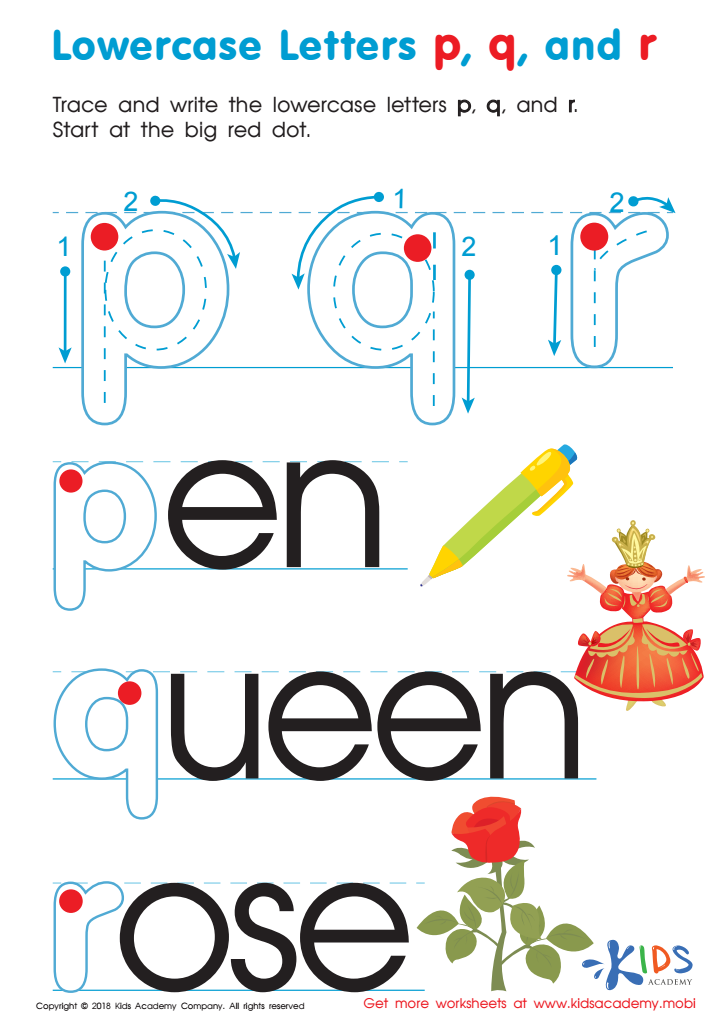
Lowercase Letters p q r Worksheet
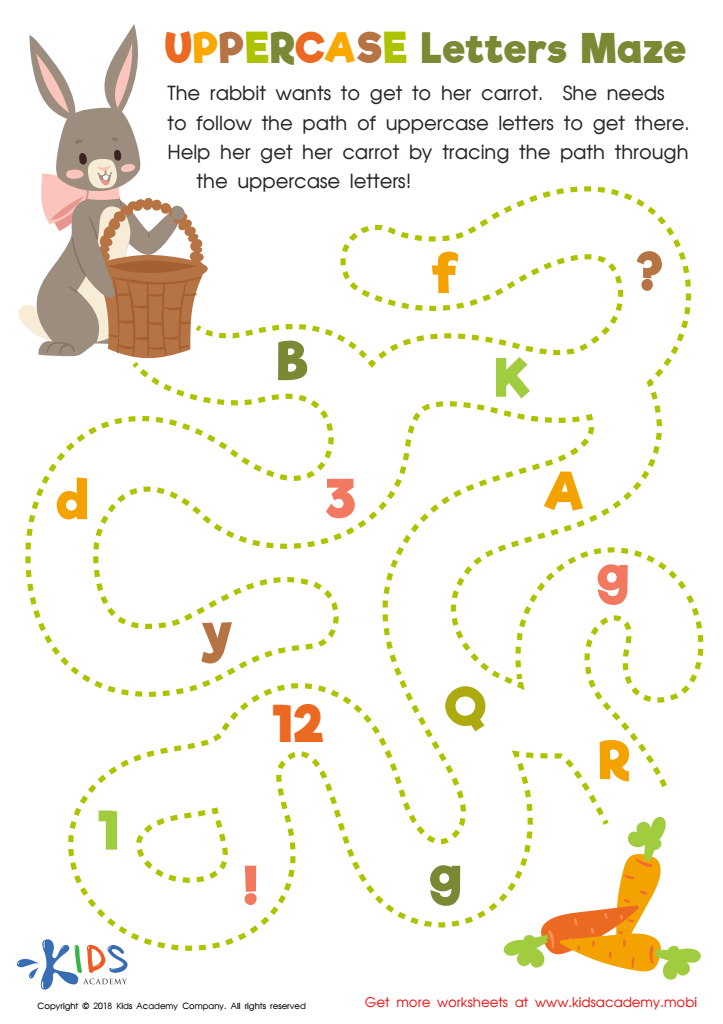
Uppercase Letters Maze Worksheet
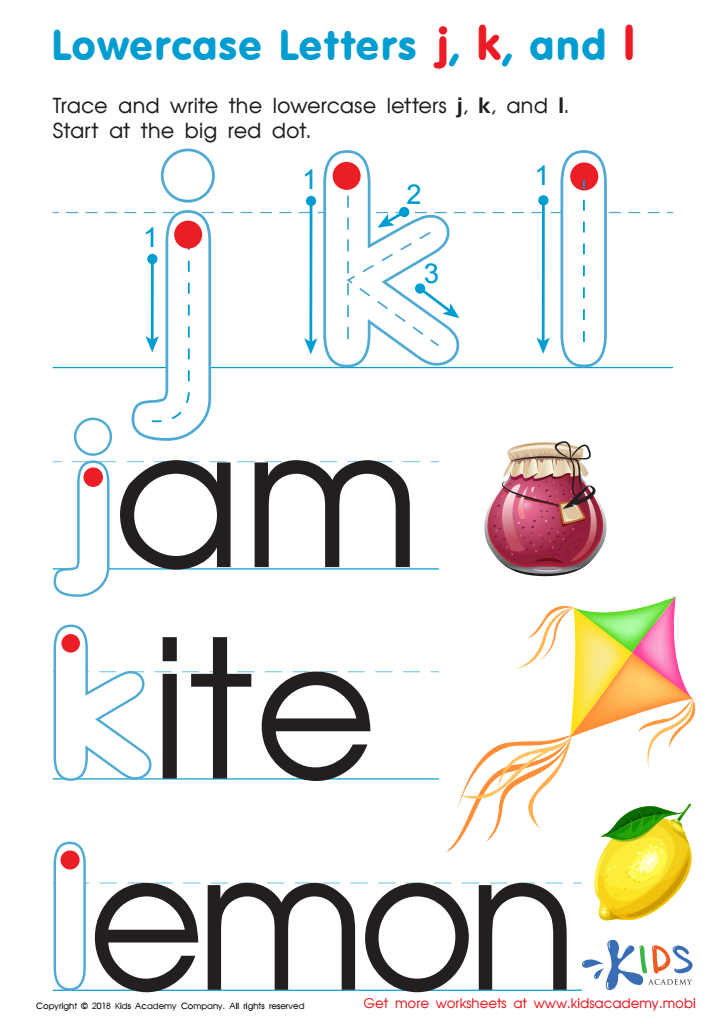
Lowercase Letters j k l Worksheet






Alphabet sequencing with both upper and lowercase letters is fundamental for young learners, providing a crucial foundation for reading, writing, and overall literacy. Parents and teachers should prioritize this skill for several key reasons.
Firstly, recognizing and understanding the alphabetical order helps children with a variety of tasks, such as using dictionaries, encyclopedias, and other reference materials efficiently. This organization skill becomes vital as they progress through their schooling.
Secondly, familiarity with both uppercase and lowercase letters ensures that children can read and write more proficiently. Many words in the English language contain both types of letters (for example, in proper nouns and the beginnings of sentences), so recognizing both forms reduces confusion and enhances reading fluency.
Moreover, engaging in alphabet sequencing enhances cognitive skills like memory, attention to detail, and pattern recognition. These skills are transferable to other areas of learning, making students more adept at problem-solving and critical thinking.
Lastly, sequencing activities can be a fun and engaging way to learn. Through songs, games, and interactive lessons, children can associate letters with sounds and words, making the learning experience enjoyable and memorable. Therefore, mastering alphabet sequencing in both cases not only equips children with necessary language skills but also fosters a positive attitude towards learning.







