Building Vocabulary Worksheets Activities With Answers for Ages 3-8
14 filtered results
-
From - To
Explore our comprehensive collection of "Building Vocabulary Worksheets Activities With Answers" designed for children aged 3-8. These engaging worksheets help young learners expand their vocabulary through fun, interactive exercises that challenge their understanding of words and enhance language skills. Featuring a variety of activities, including matching, fill-in-the-blanks, and word searches, our worksheets make learning enjoyable and effective. Each worksheet comes with an answer key, making it easy for parents and teachers to track progress and provide support. Perfect for classrooms or at-home learning, these resources foster a love for language while building a strong vocabulary foundation in early learners.
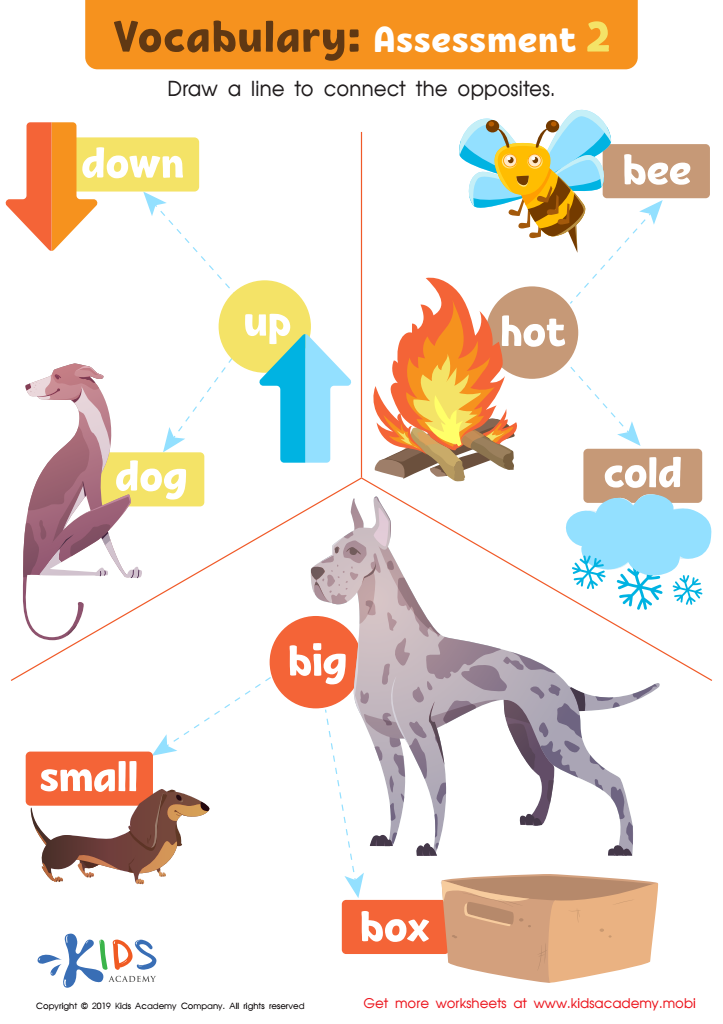
Vocabulary: Assessment 2 Worksheet
 Assign to My Students
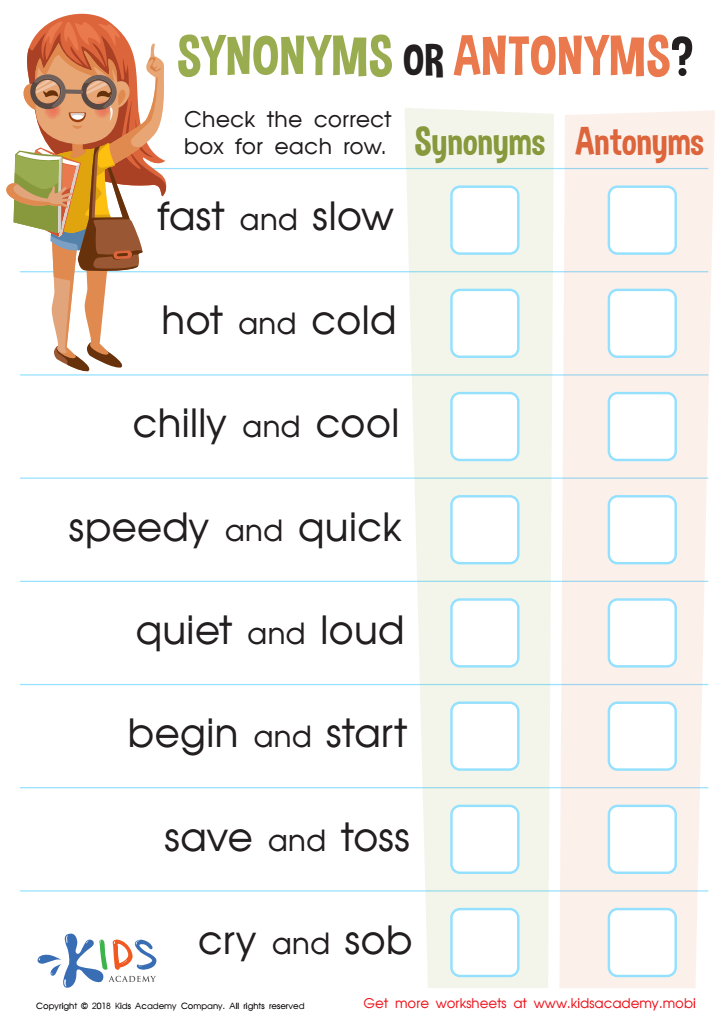
Synonyms or Antonyms: Assessment Worksheet
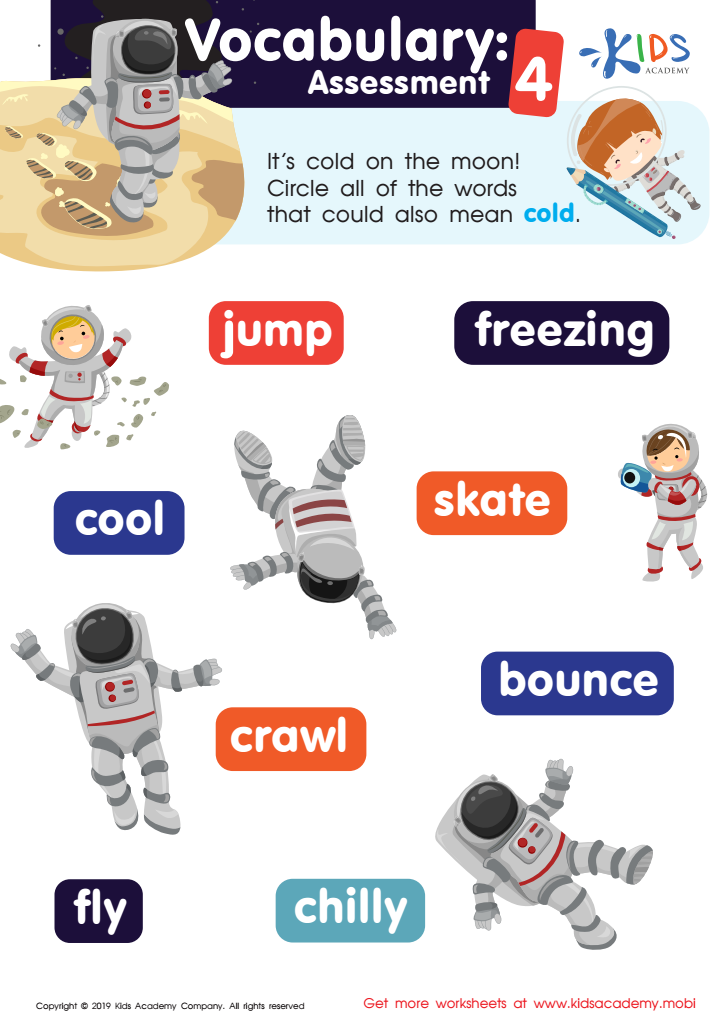
Vocabulary: Assessment 4 Worksheet
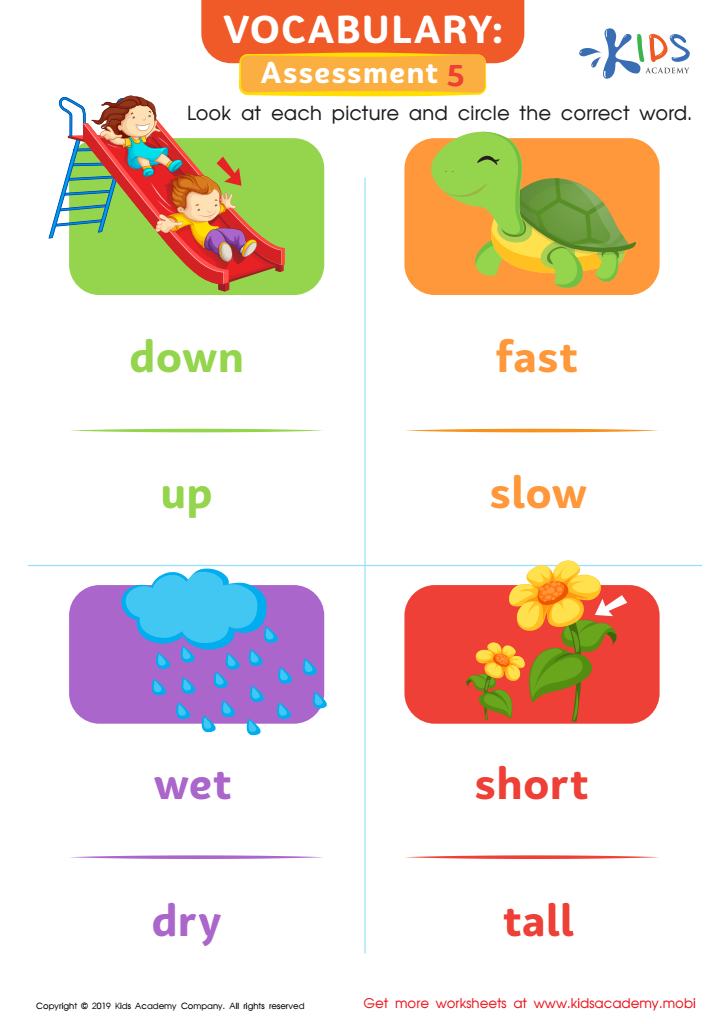
Vocabulary: Assessment 5 Worksheet
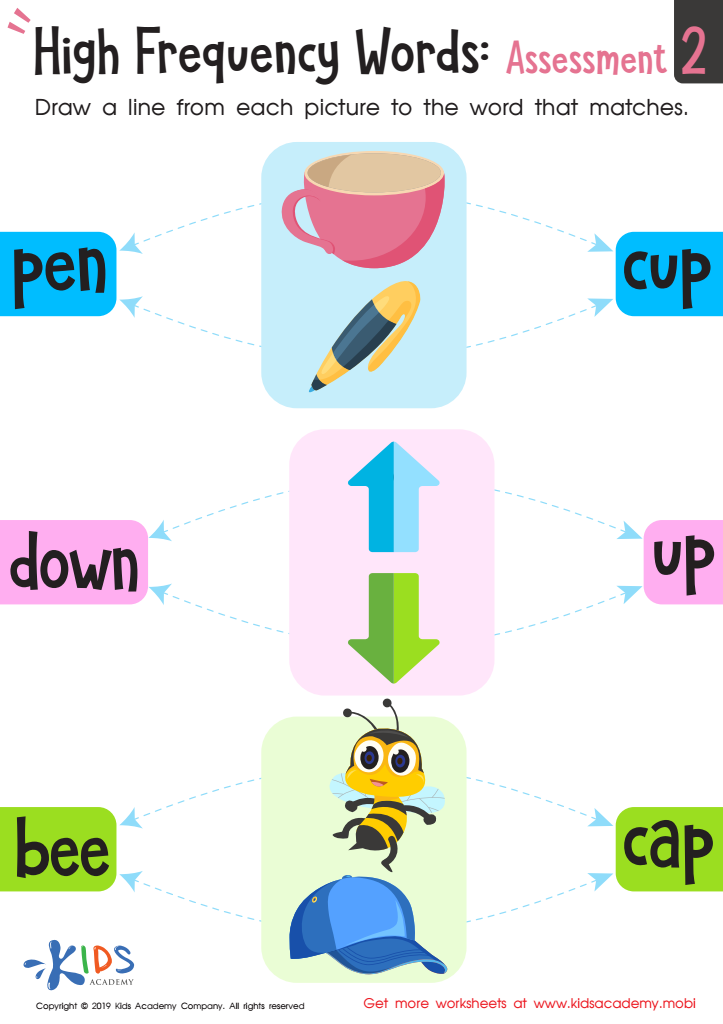
High Frequency Words: Assessment 2 Worksheet
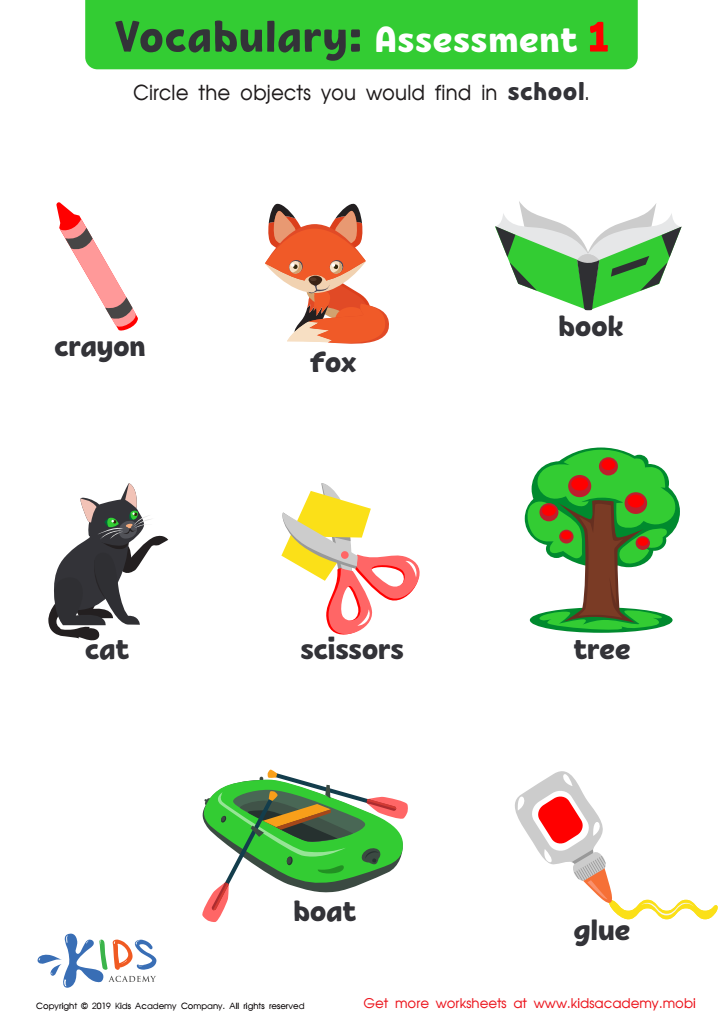
Vocabulary: Assessment 1 Worksheet
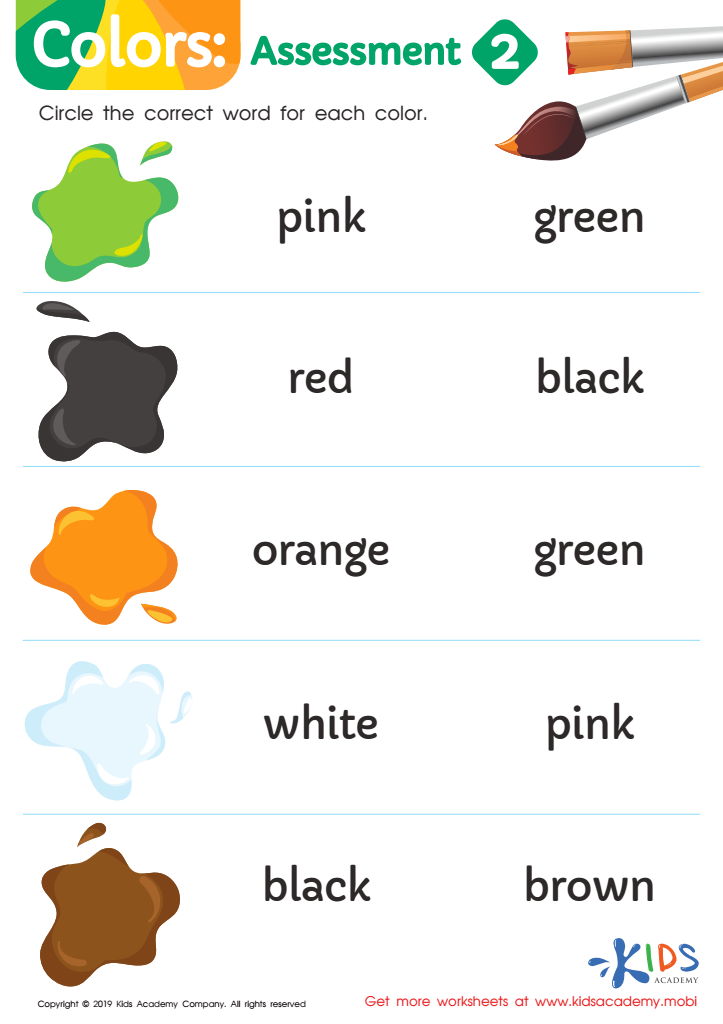
Colors: Assessment 2 Worksheet
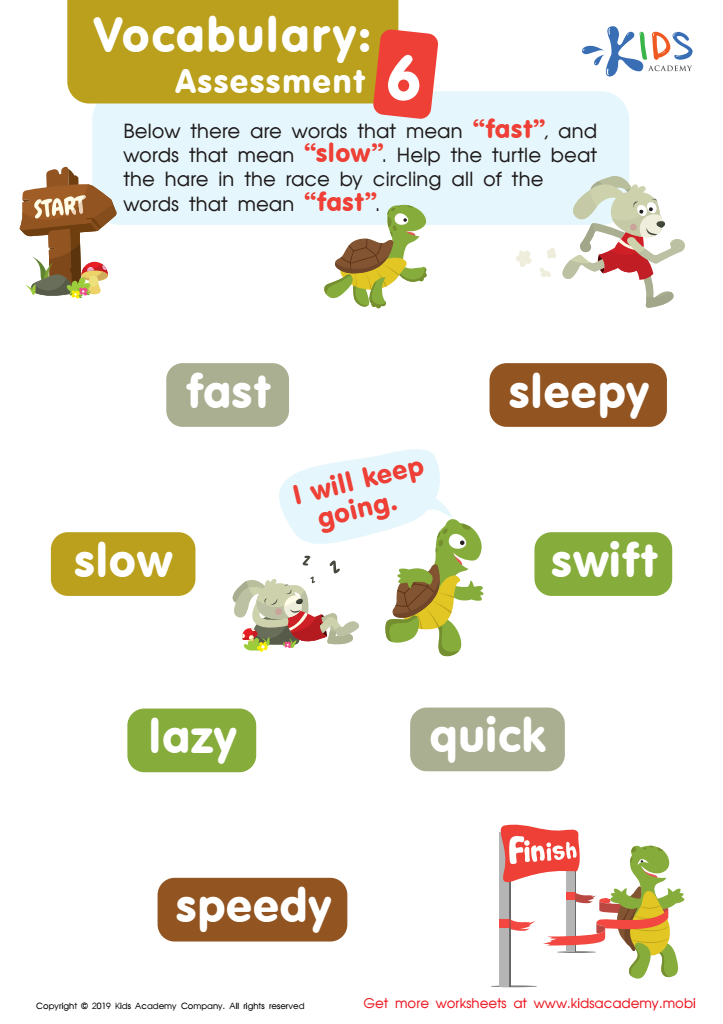
Vocabulary: Assessment 6 Worksheet
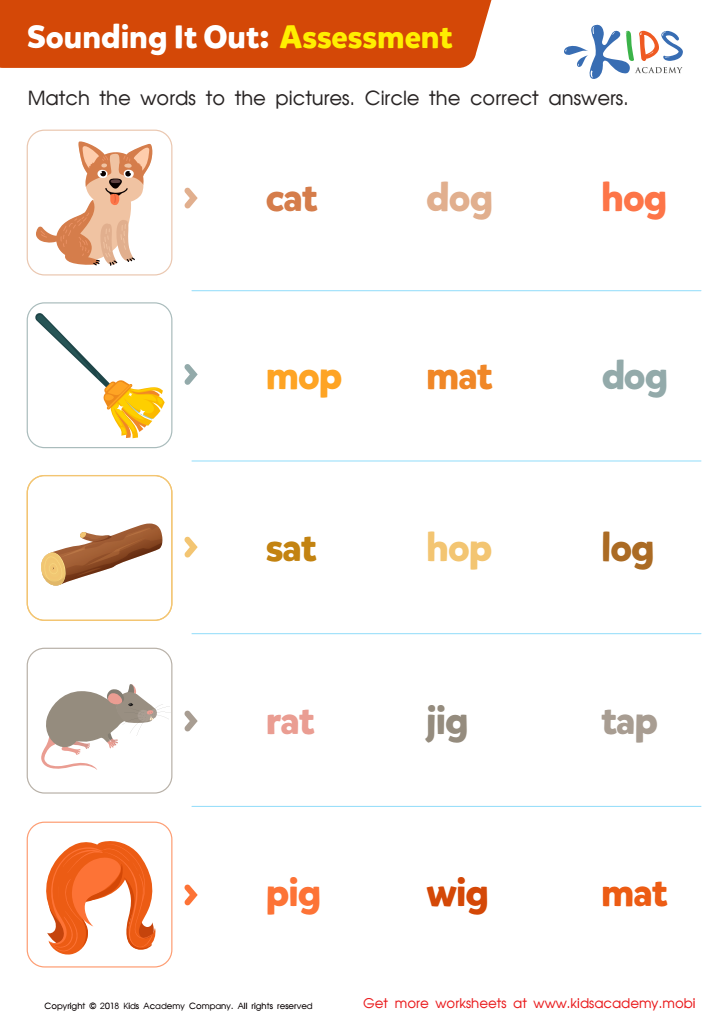
Sounding it Out: Assessment Worksheet
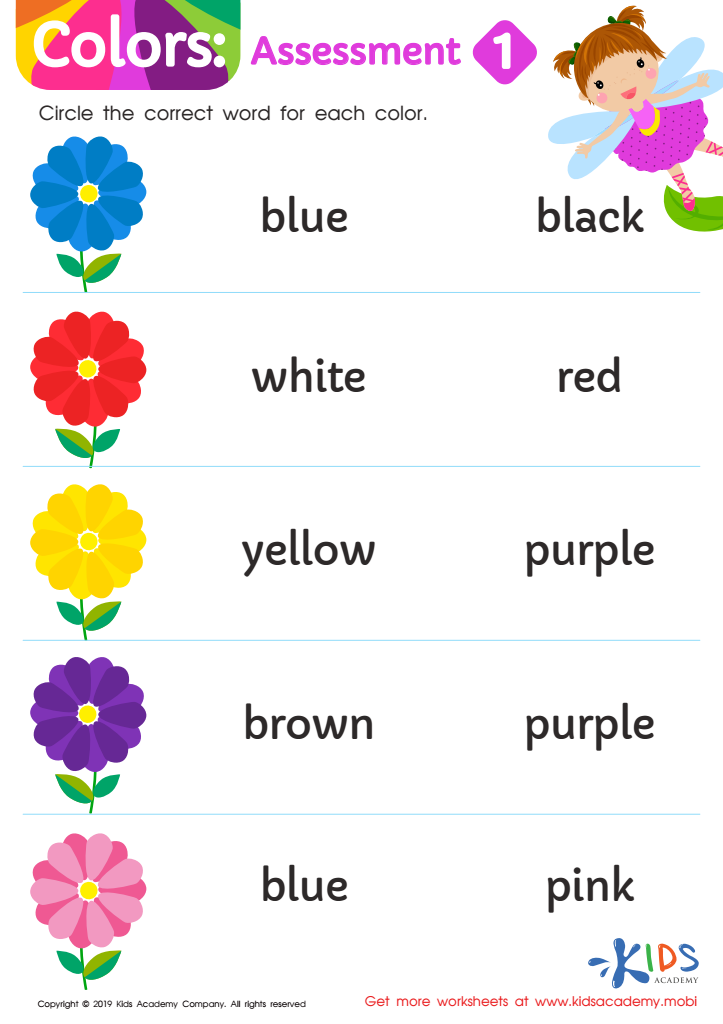
Colors: Assessment 1 Worksheet
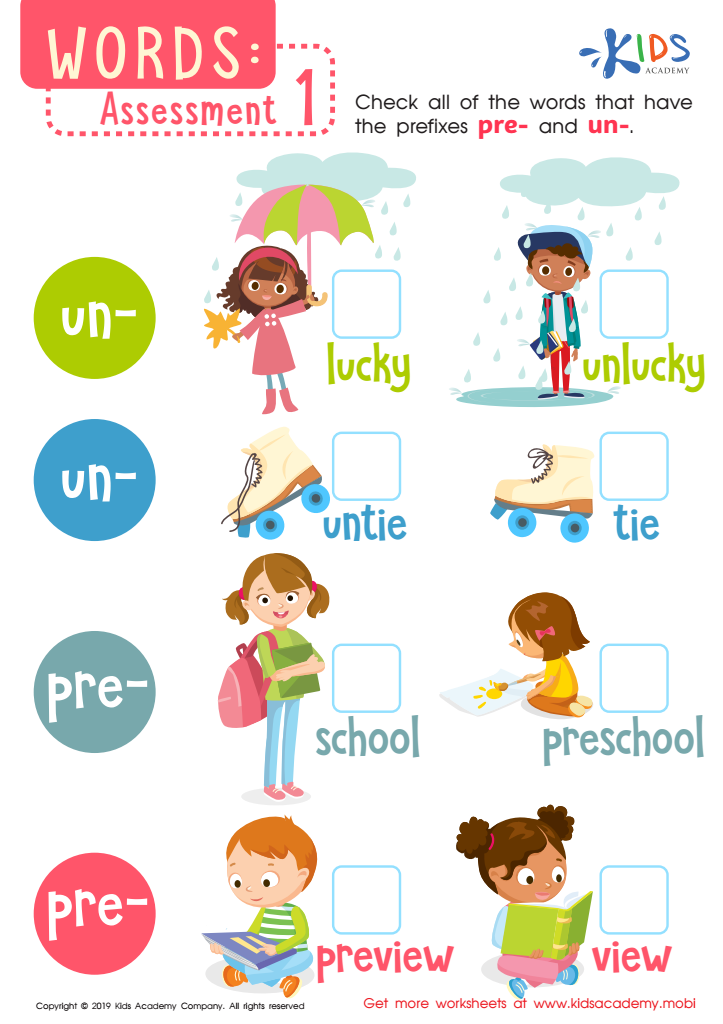
Words: Assessment 1 Worksheet
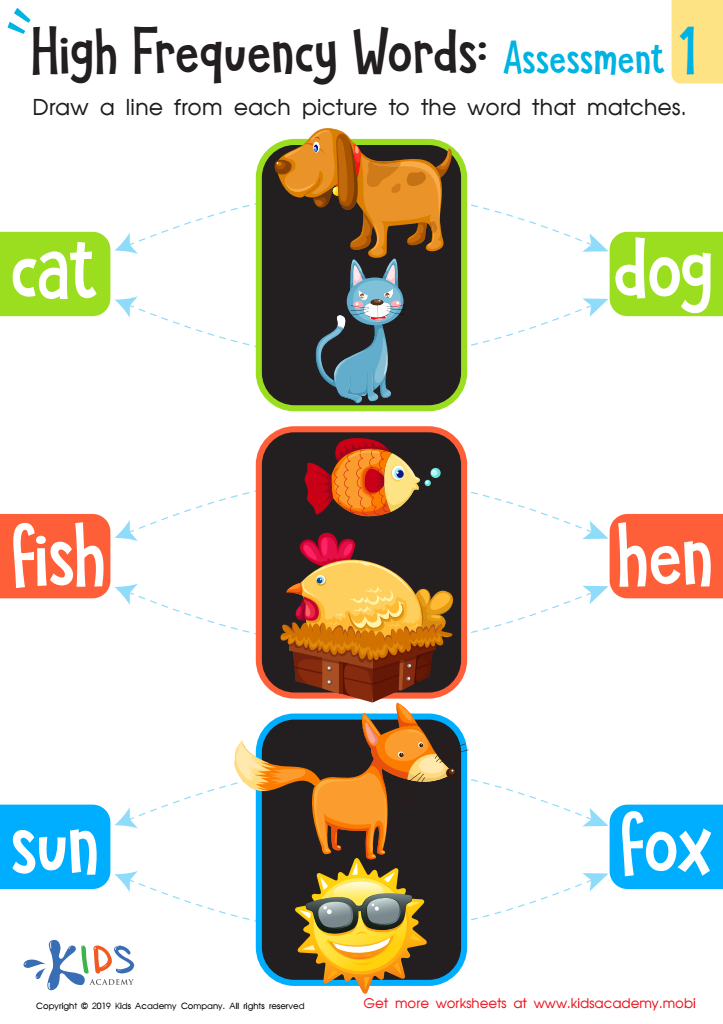
High Frequency Words: Assessment 1 Worksheet
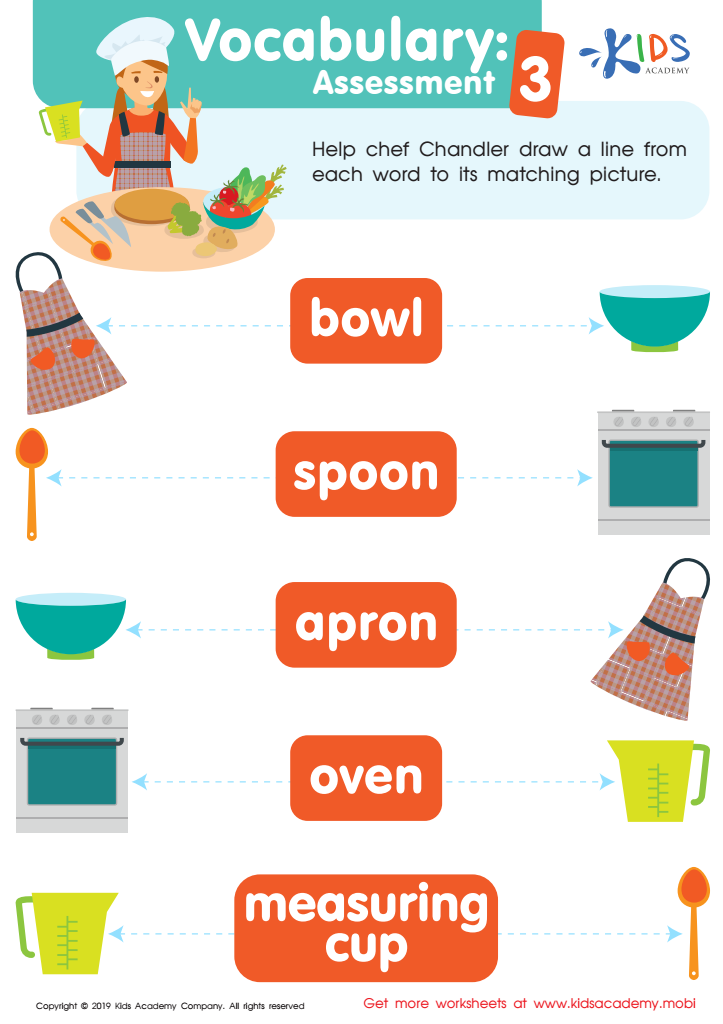
Vocabulary: Assessment 3 Worksheet
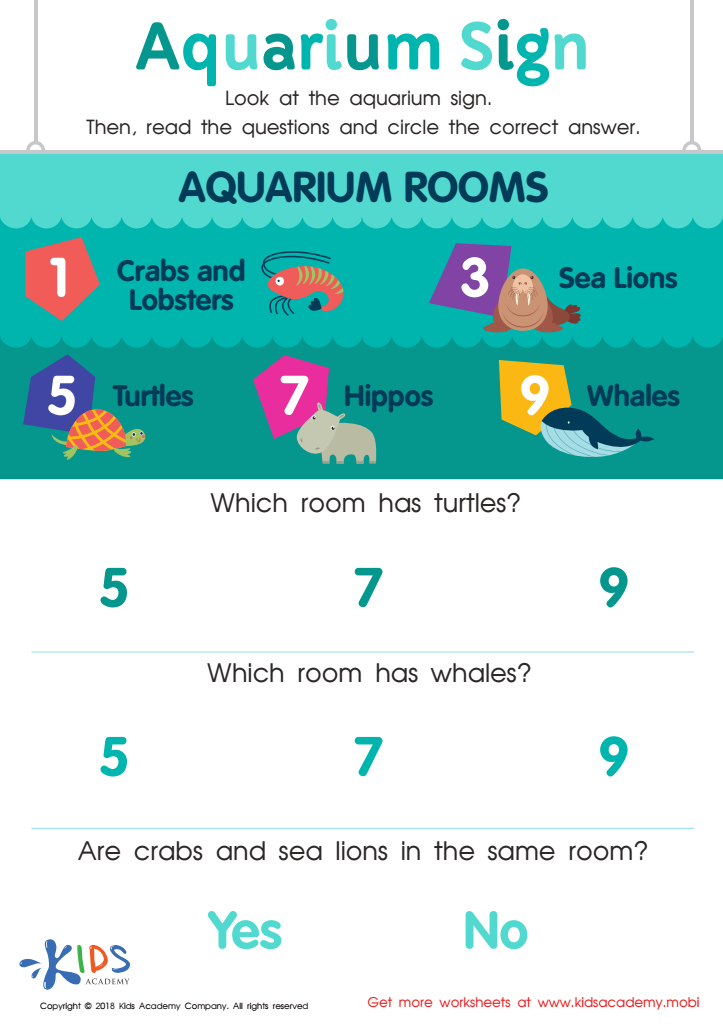
Assessment: Aquarium Sign Worksheet






Building vocabulary during the formative years (ages 3-8) is crucial for a child's overall development. Parents and teachers should prioritize vocabulary-building activities because they significantly impact children's reading, writing, and communication skills. A robust vocabulary enhances comprehension and allows children to express themselves more effectively, which is essential for academic success and social interactions.
These activities provide interactive and engaging ways for children to learn new words, incorporating play and creativity. They often allow for personalized learning experiences, tailored to a child's interests and readiness. Moreover, engaging in vocabulary-building tasks, such as word games, storytelling, or rhyming activities, fosters a love for language and encourages critical thinking.
For educators, implementing structured vocabulary-building activities can promote a nurturing and stimulating classroom environment. It enables teachers to assess children's progress and cater to varying learning styles. Likewise, parents who engage in these activities at home can reinforce what is taught in the classroom, create bonding experiences, and instill a lifelong love for reading and learning.
In summary, building vocabulary is foundational; it shapes communication skills, lays the groundwork for literacy, and supports cognitive growth, making these activities vital for early childhood education.








