Life Science Worksheets for Ages 3-8
36 filtered results
-
From - To
Discover engaging Life Science worksheets designed for children ages 3-8. At Kids Academy, we provide a fun and educational resource for young learners to explore the wonders of the natural world. Our worksheets cover essential topics such as plants, animals, habitats, and ecosystems, promoting curiosity and understanding of life science concepts. Each worksheet features colorful illustrations and age-appropriate activities that make learning enjoyable. Perfect for home or classroom use, these printable materials support early childhood education and inspire children to develop a love for science. Explore our collection today and empower the next generation of little scientists!
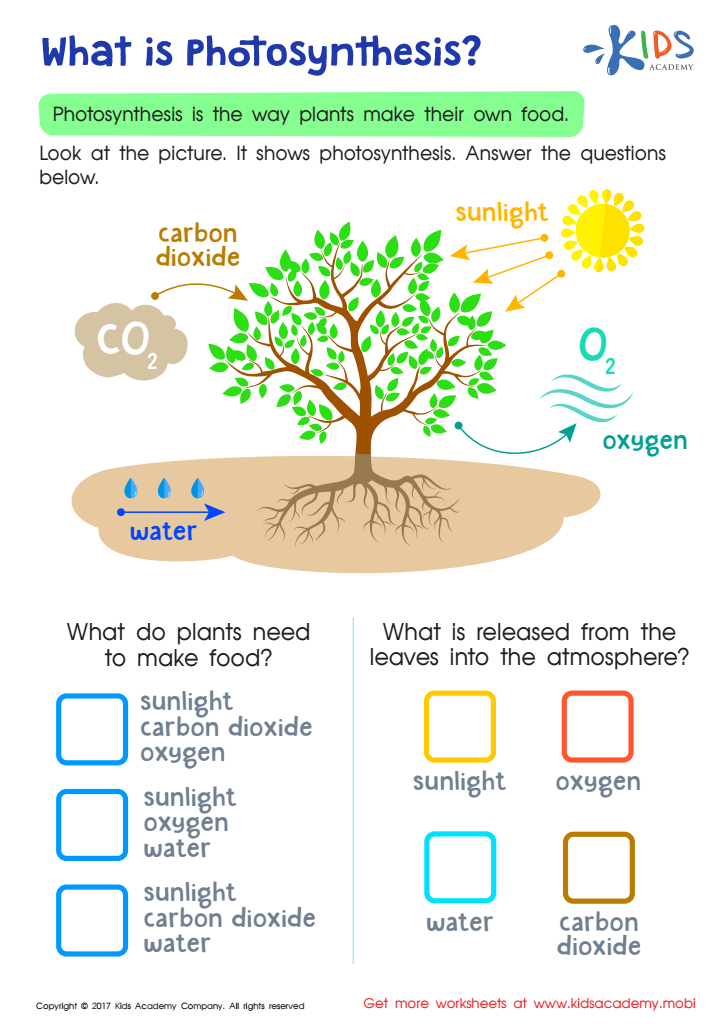
What is Photosynthesis Printable
 Assign to My Students
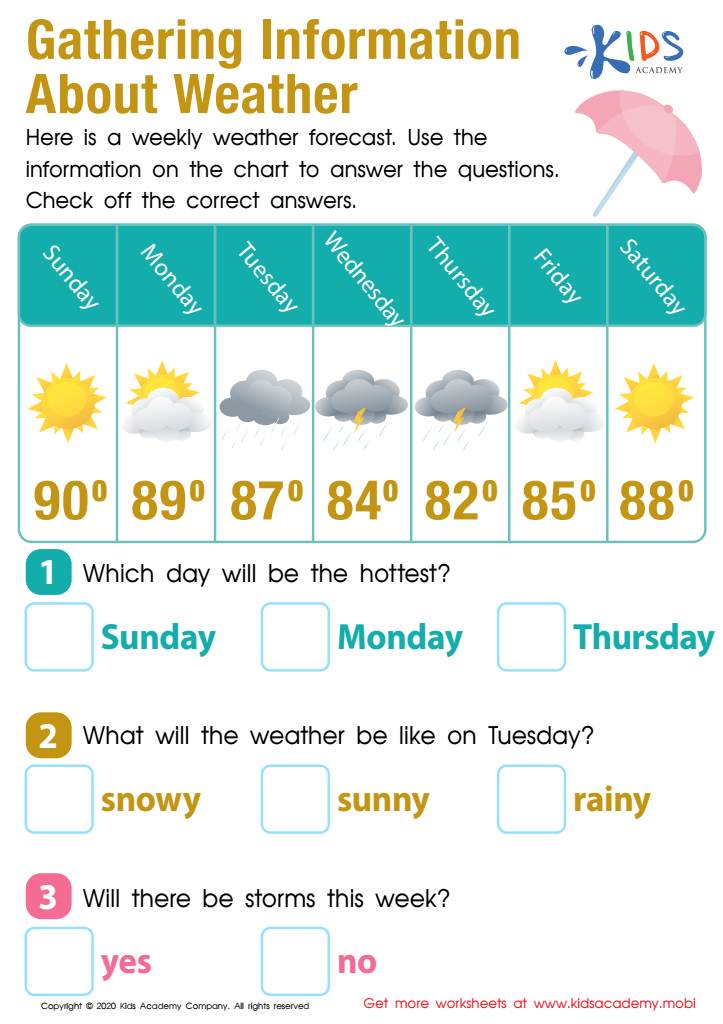
Gathering Information About the Weather Worksheet
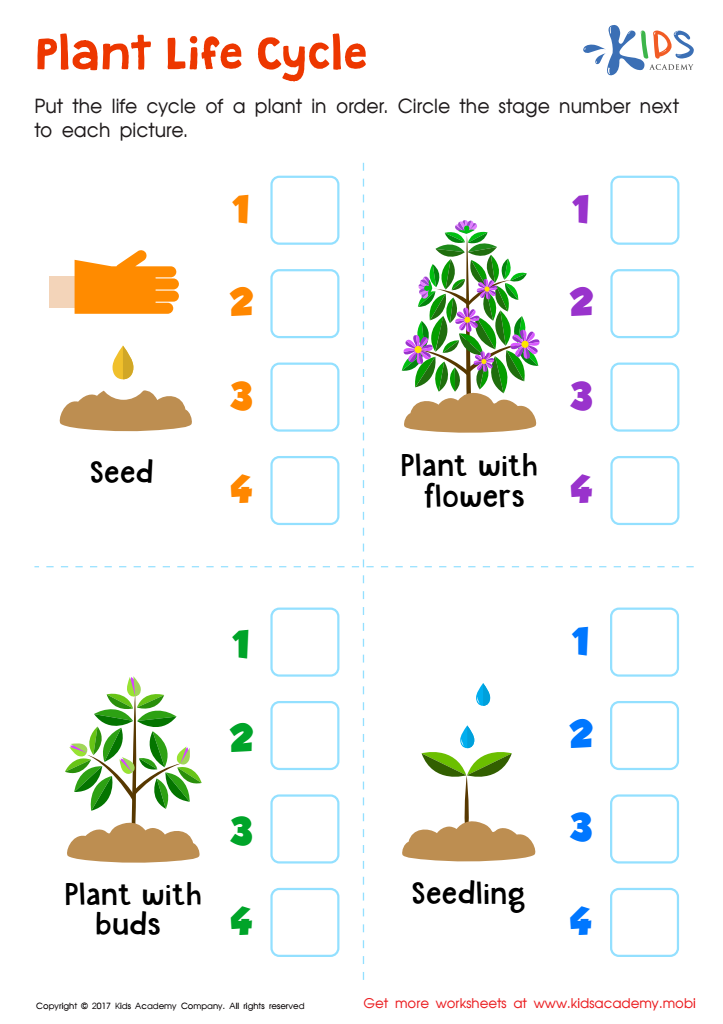
Plant Life Cycle Printable
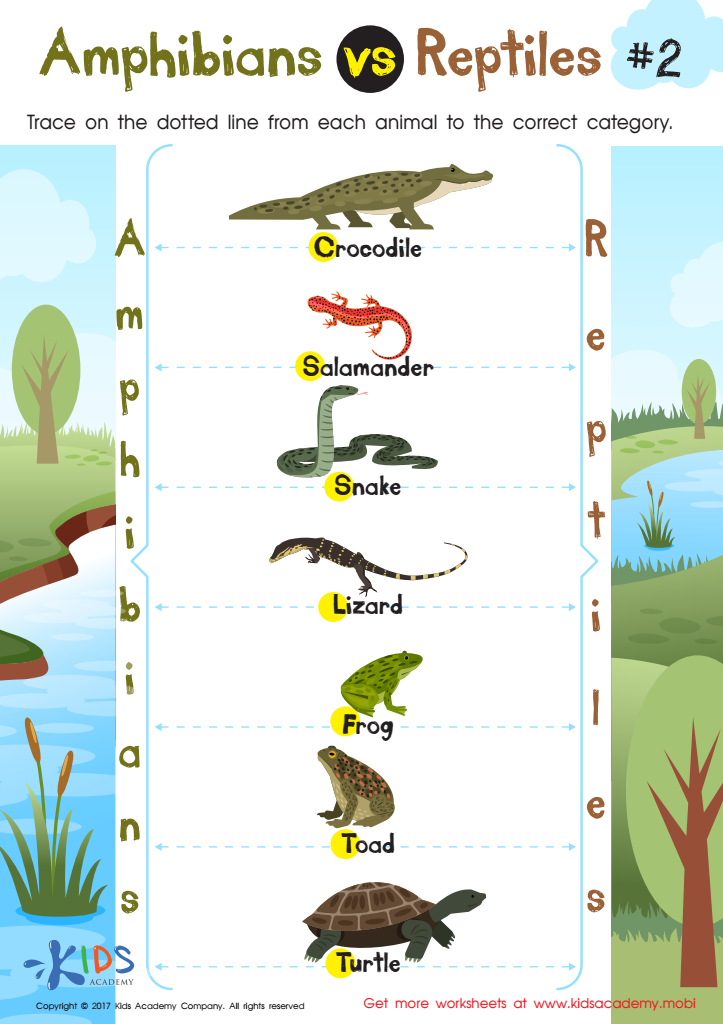
Amphibians vs Reptiles Worksheet for 3rd Grade
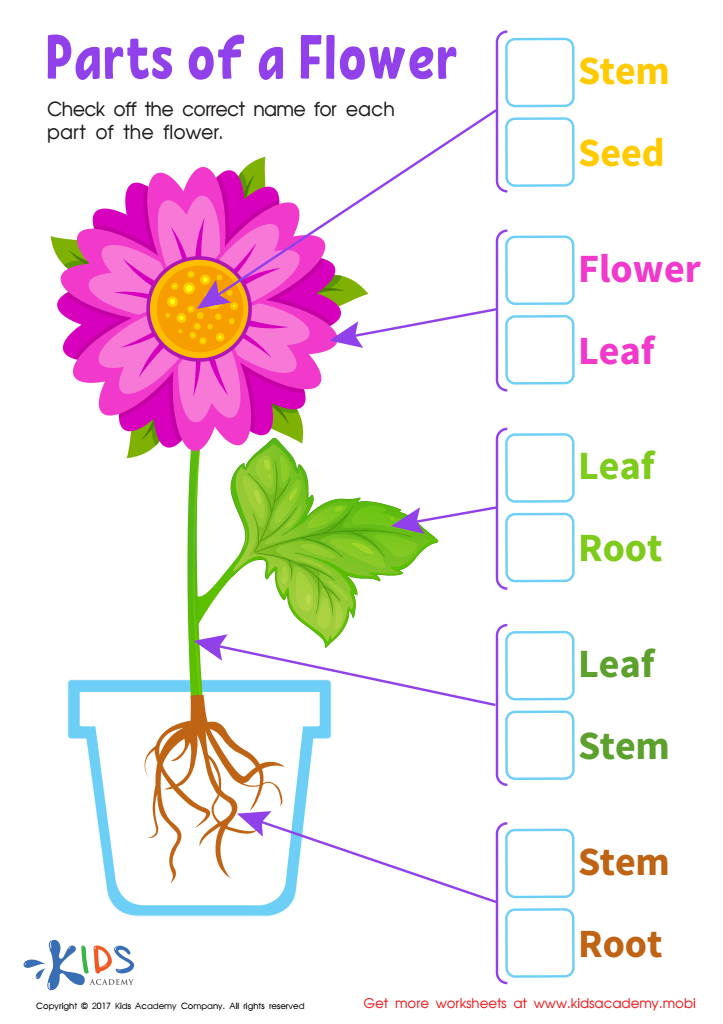
Parts Flower Printable
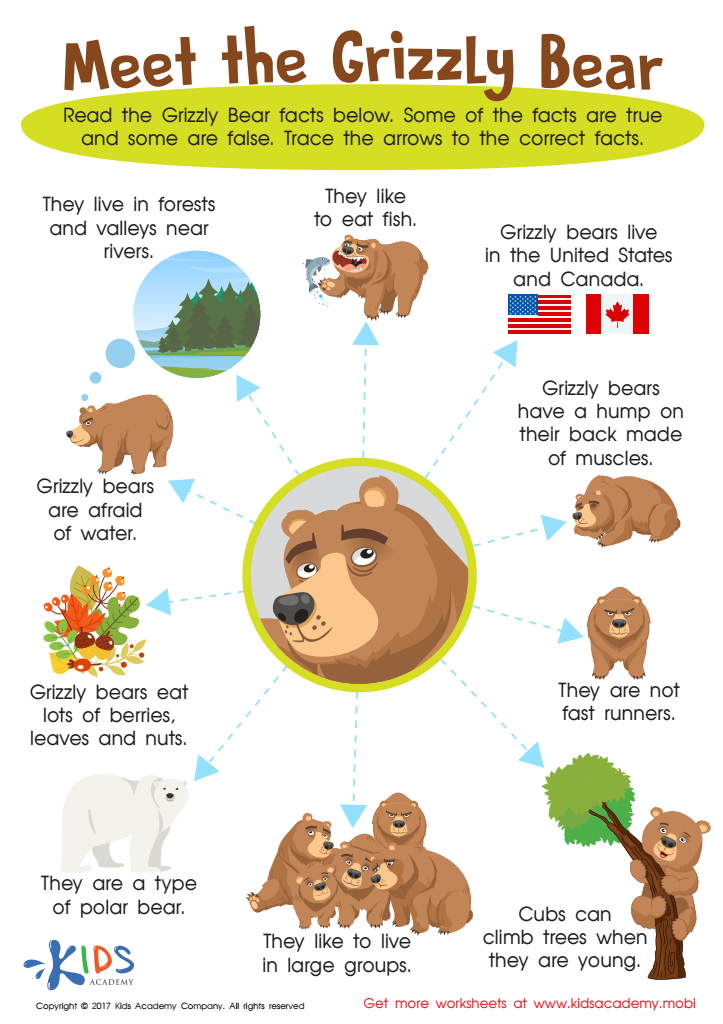
Grizzly Bear Facts Worksheet
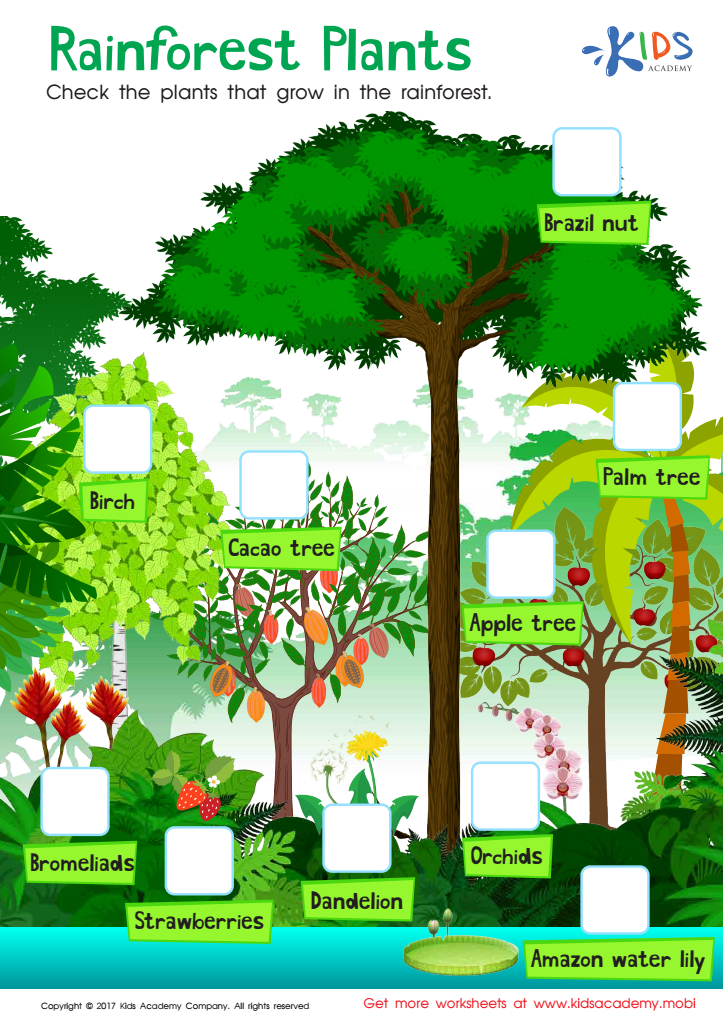
Rainforest Plants Worksheet
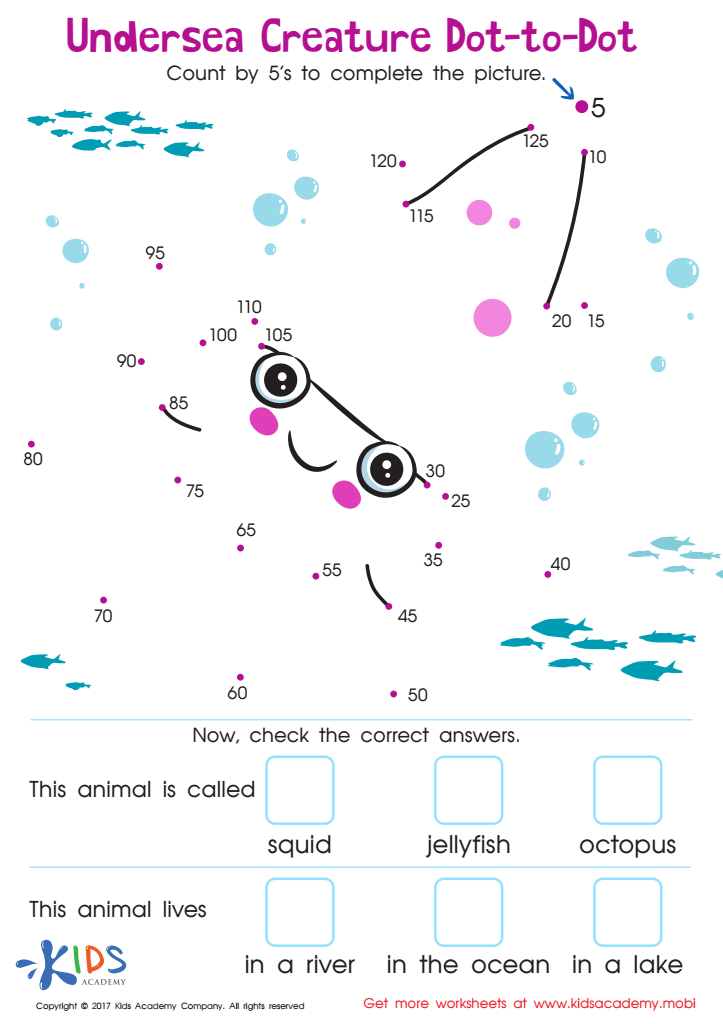
Undersea: Dot To Dot Worksheet
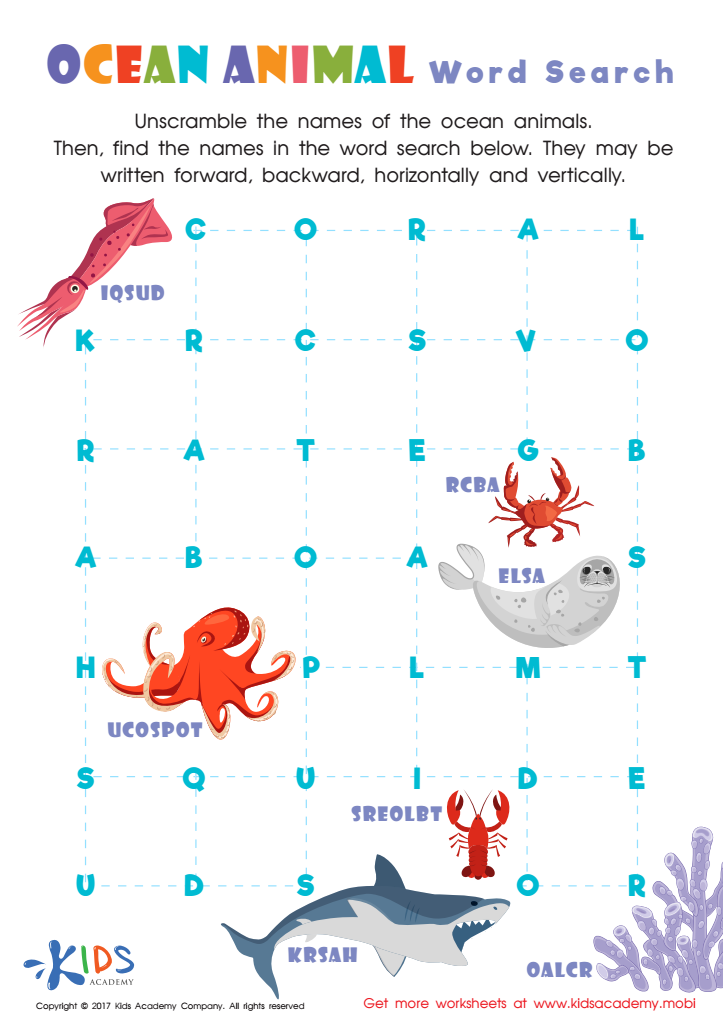
Ocean Animals Word Search Printable
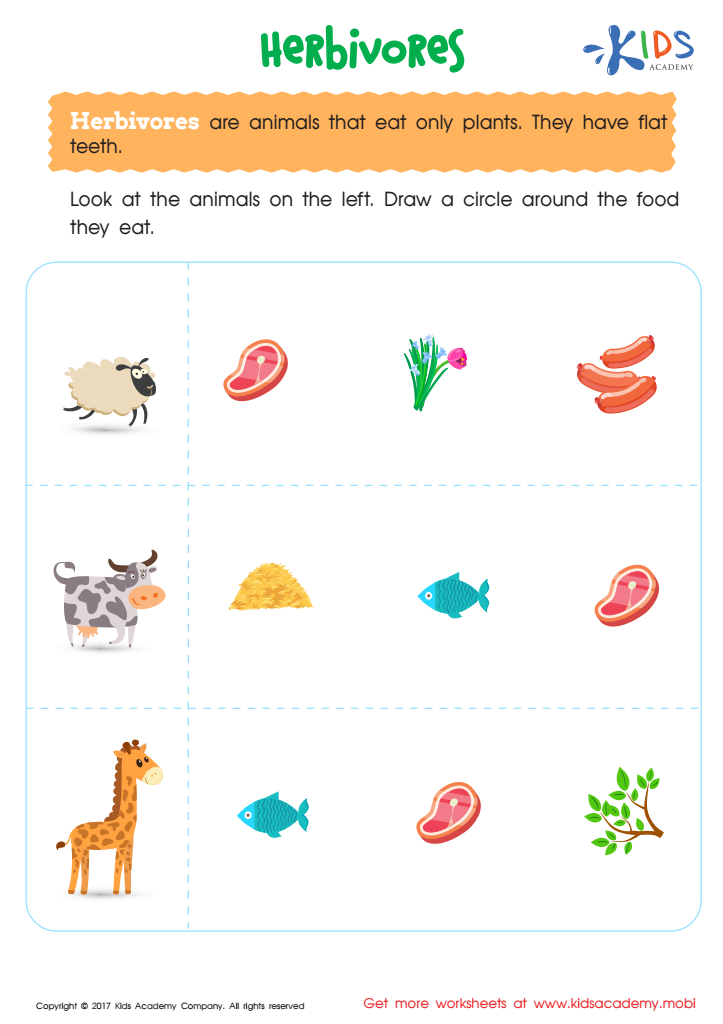
Herbivores Printable
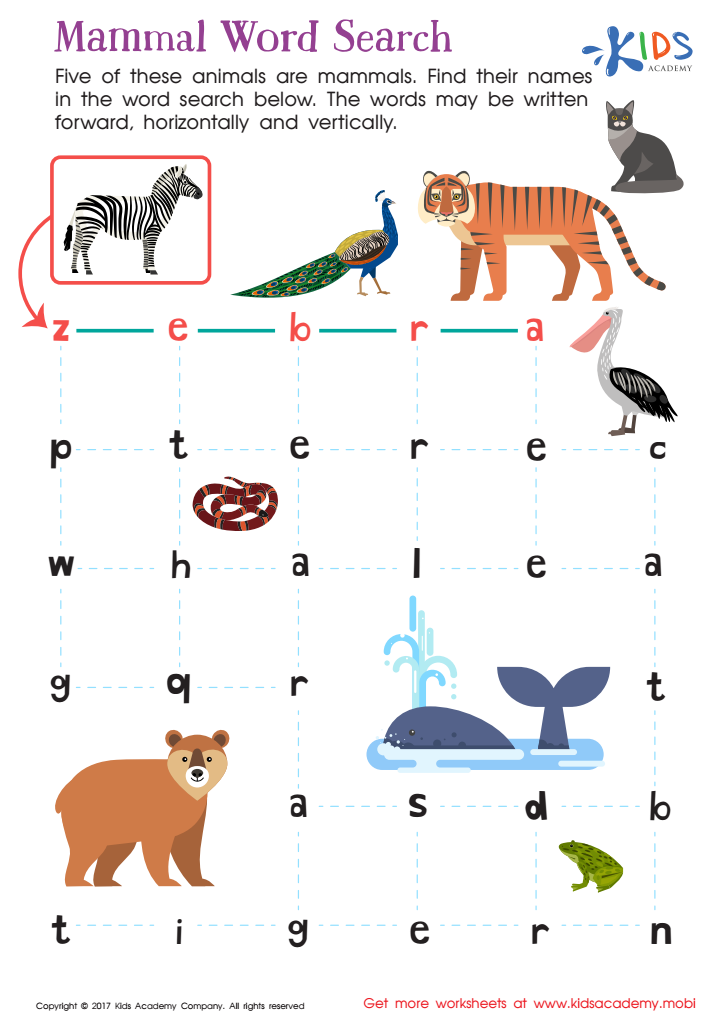
Printable Mammal Word Search
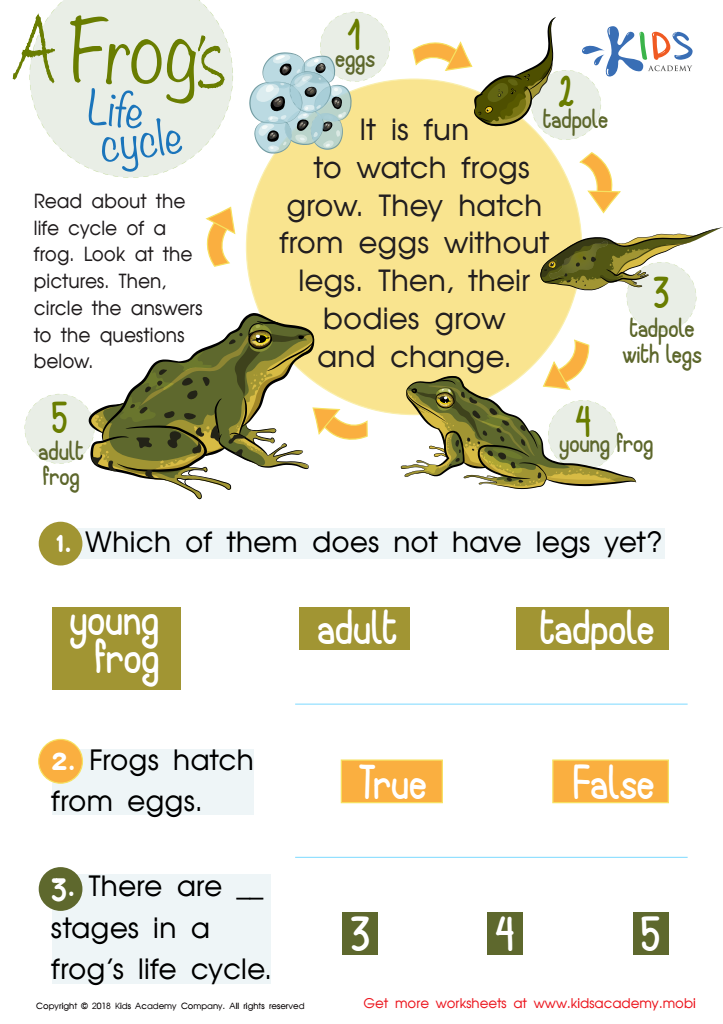
A Frog’s Life Cycle Worksheet
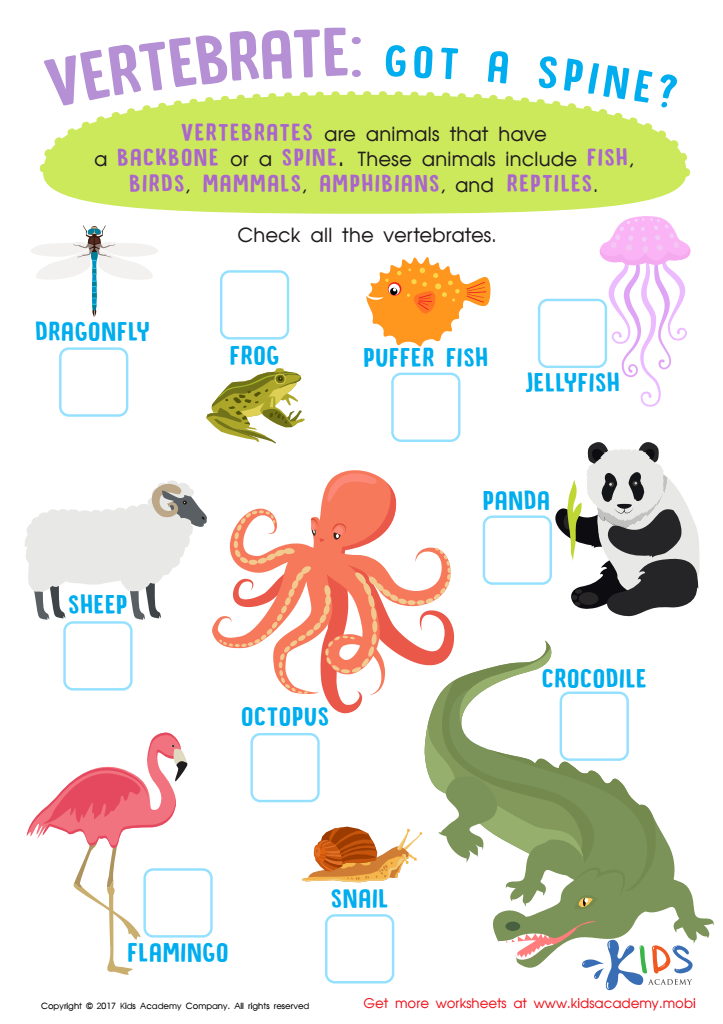
Vertebrates Animals Worksheet for 3rd Grade
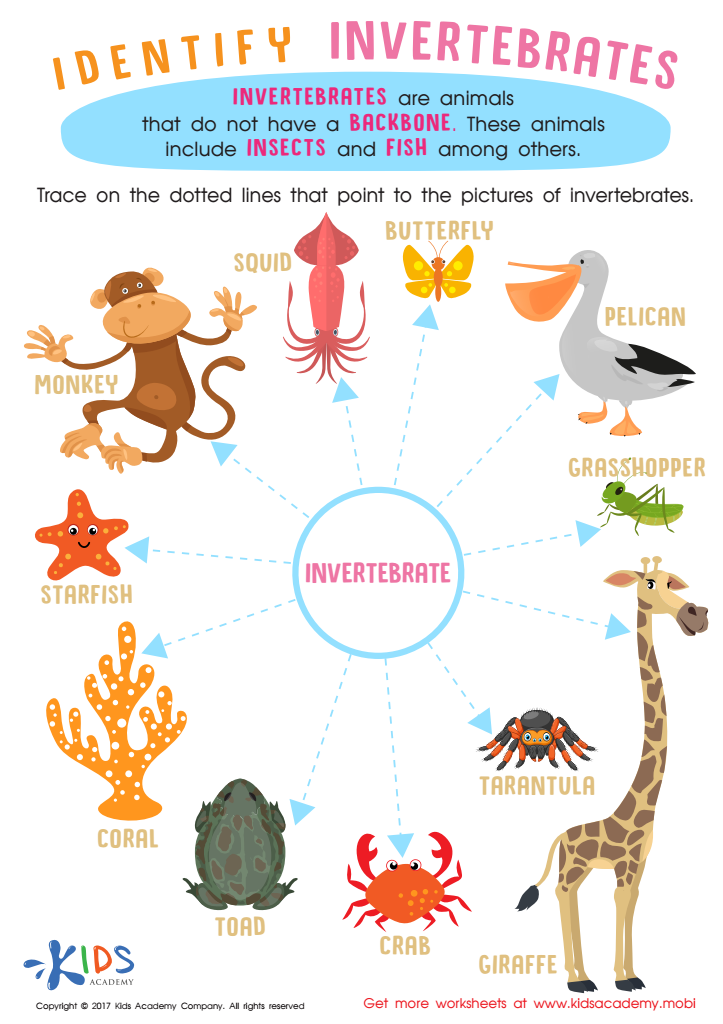
Invertebrates Worksheet for Grade 3
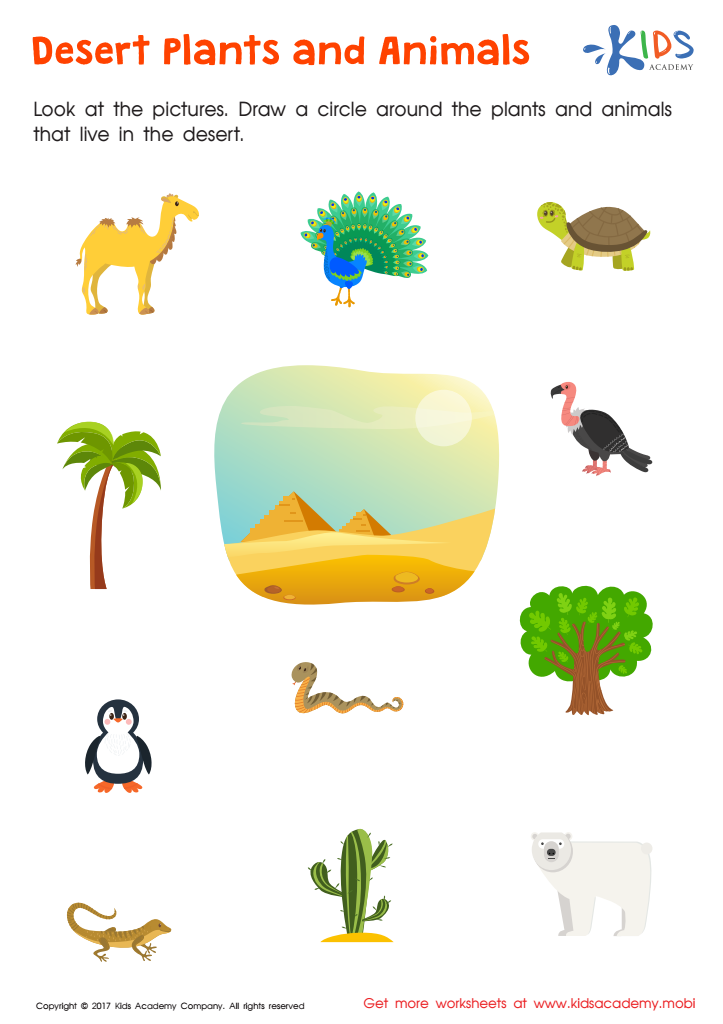
Desert Plants Animals Printable
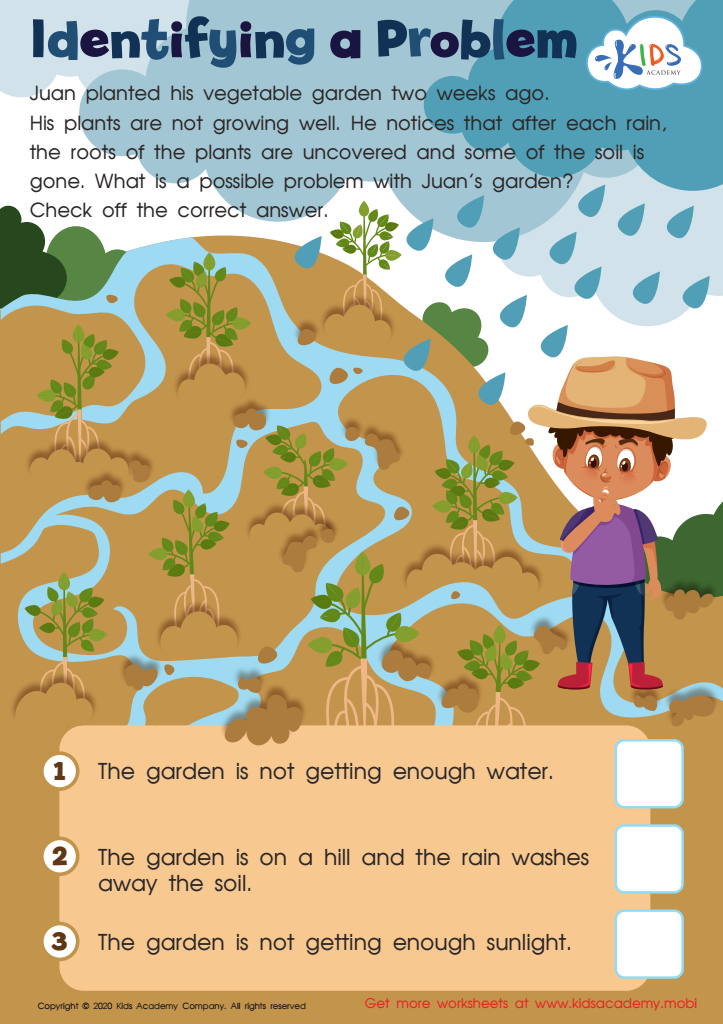
Identifying a Problem Worksheet
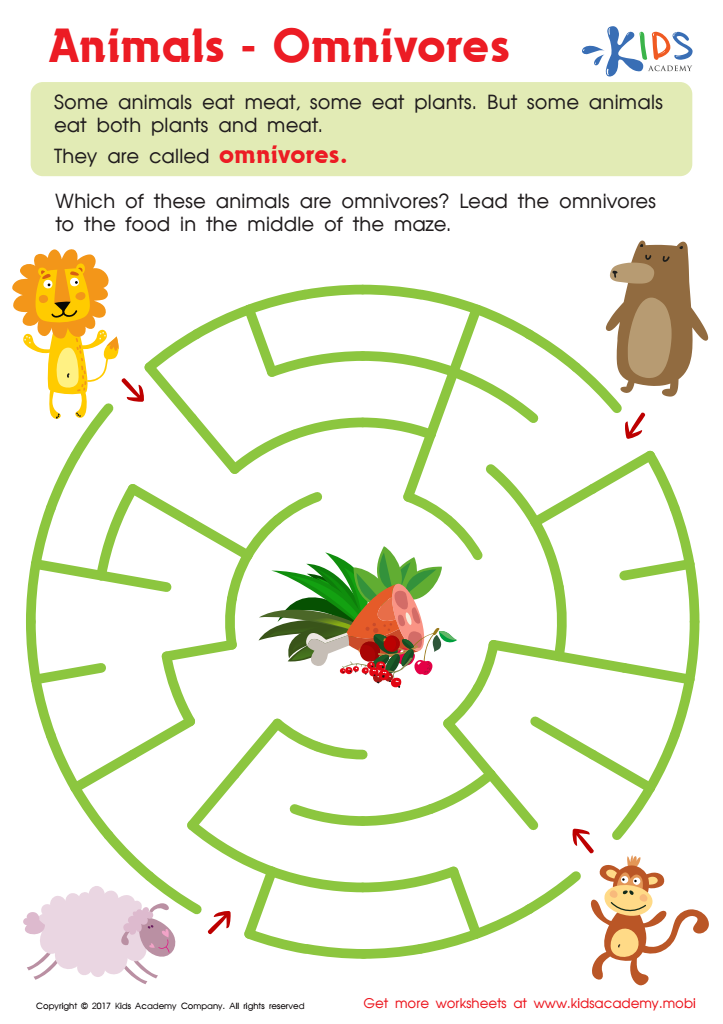
Omnivores Animals Worksheet
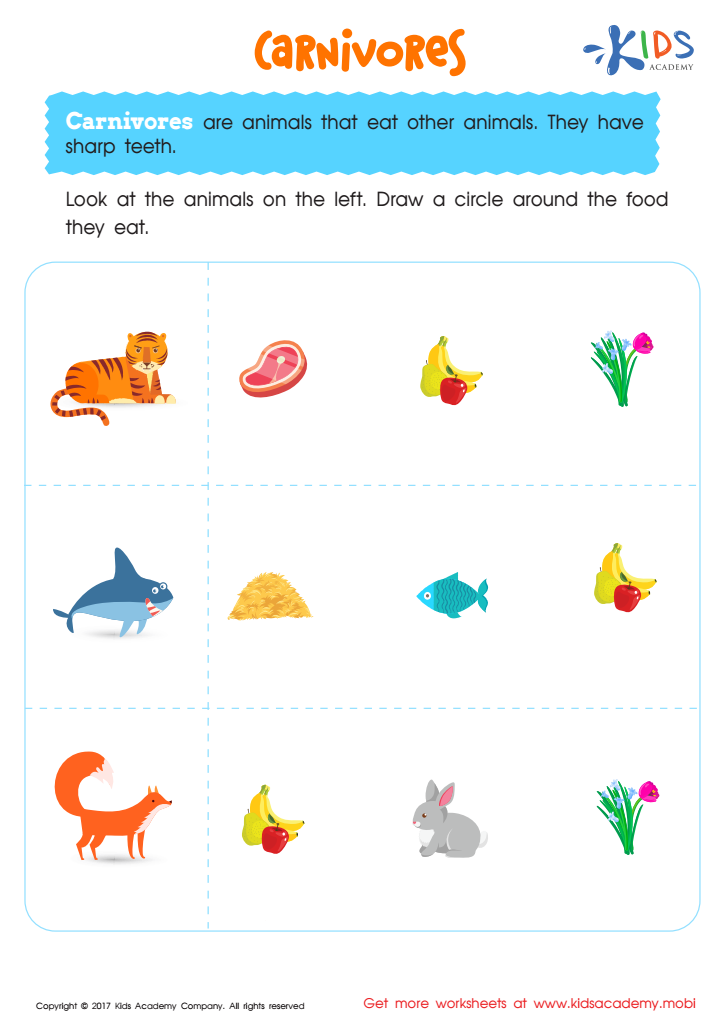
Carnivores Worksheet
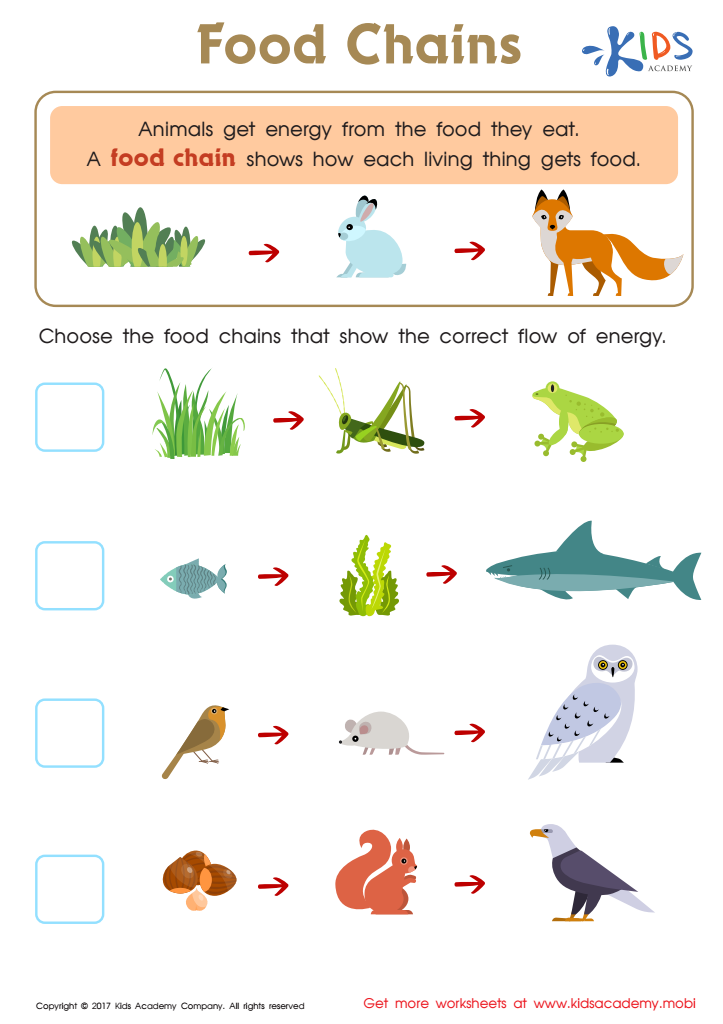
Food Webs and Food Chains Worksheet
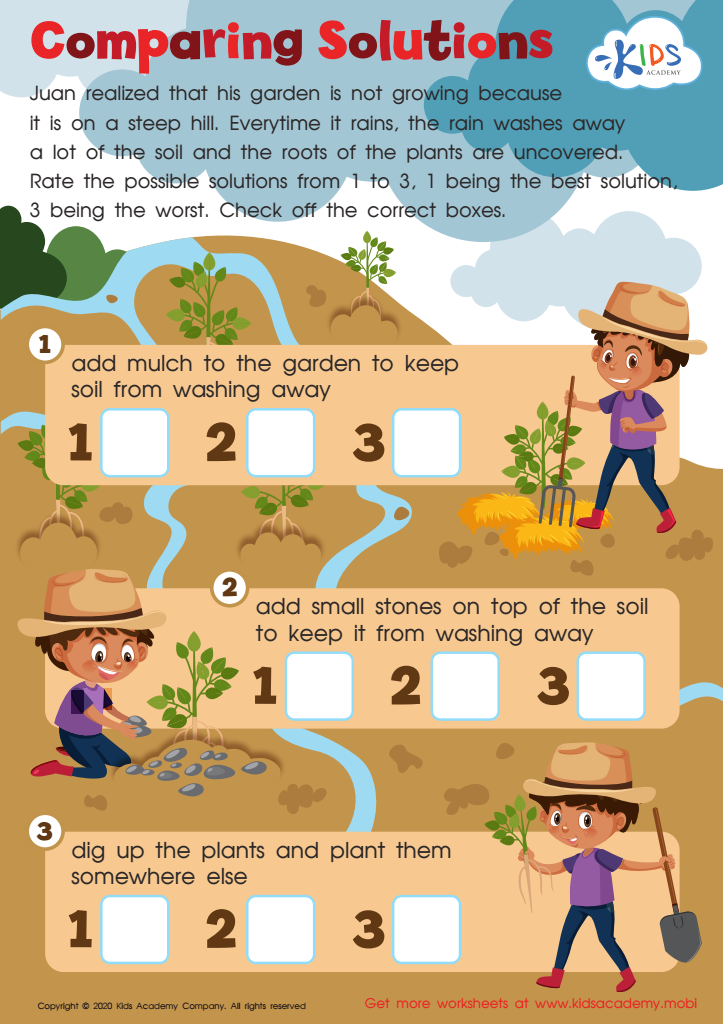
Comparing Solutions Worksheet
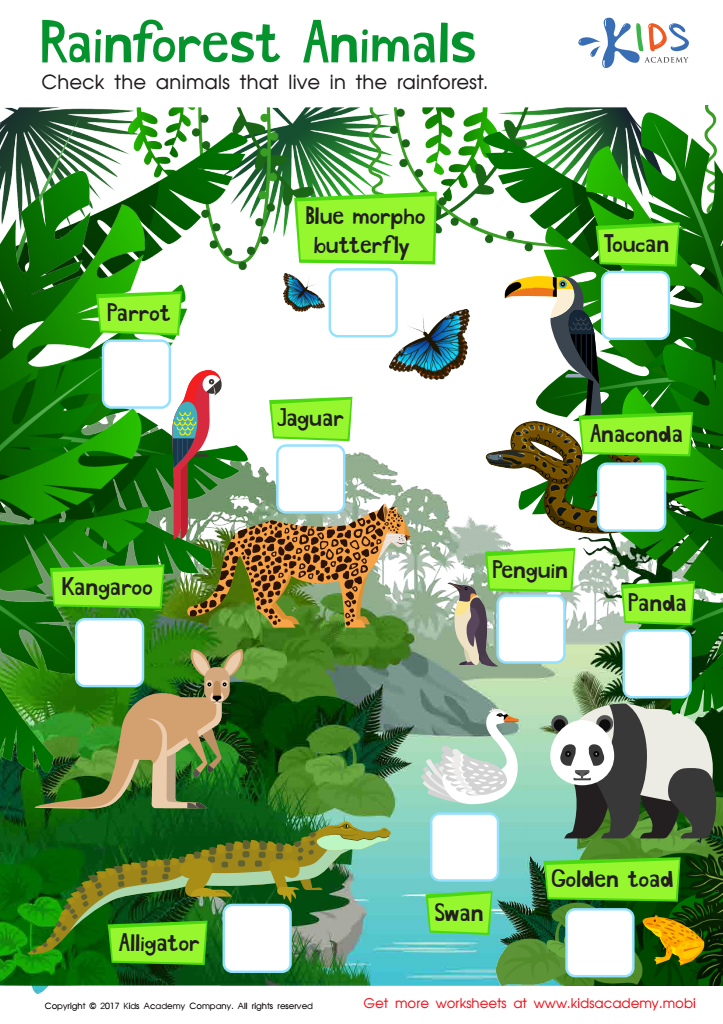
Rainforest Animals Worksheet
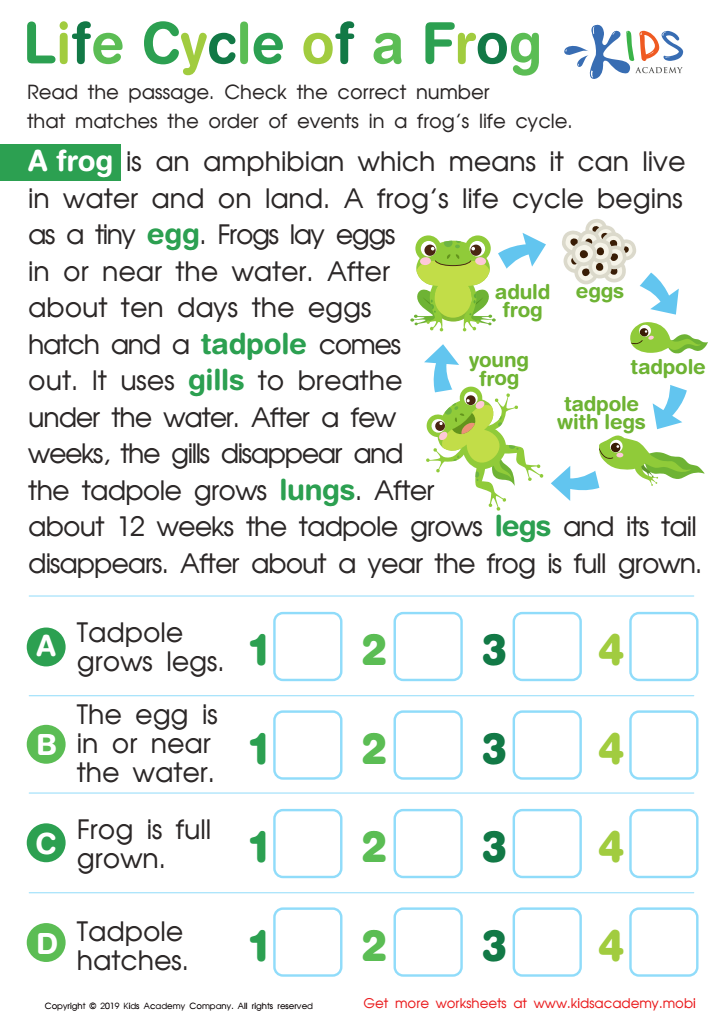
Life Cycle of a Frog Worksheet
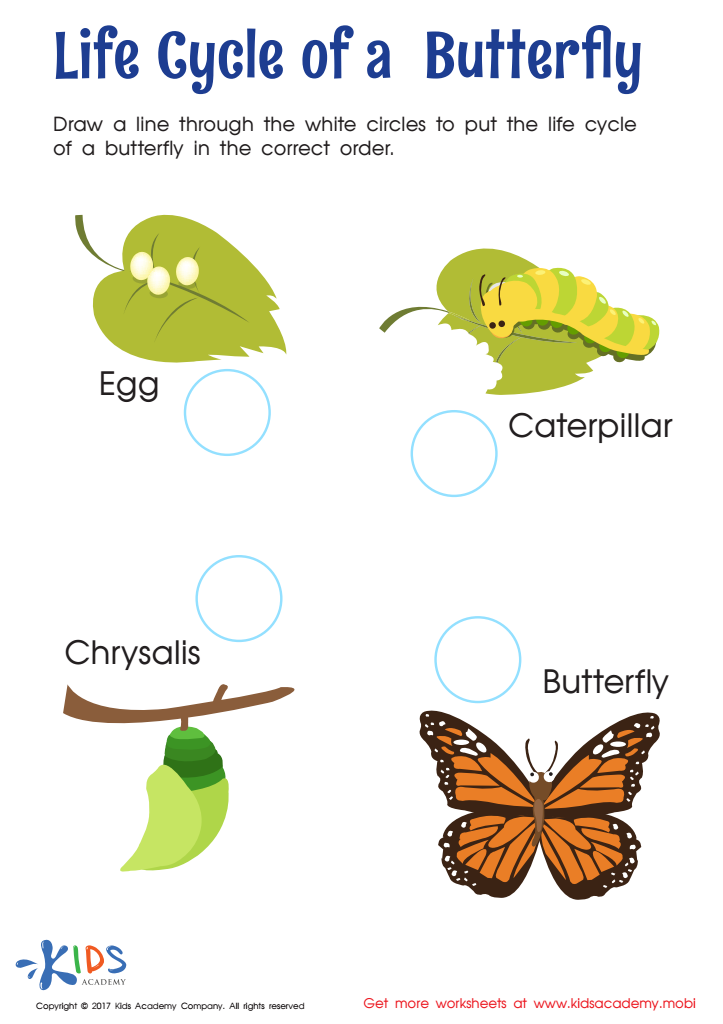
Life Cycle of Butterfly Worksheet
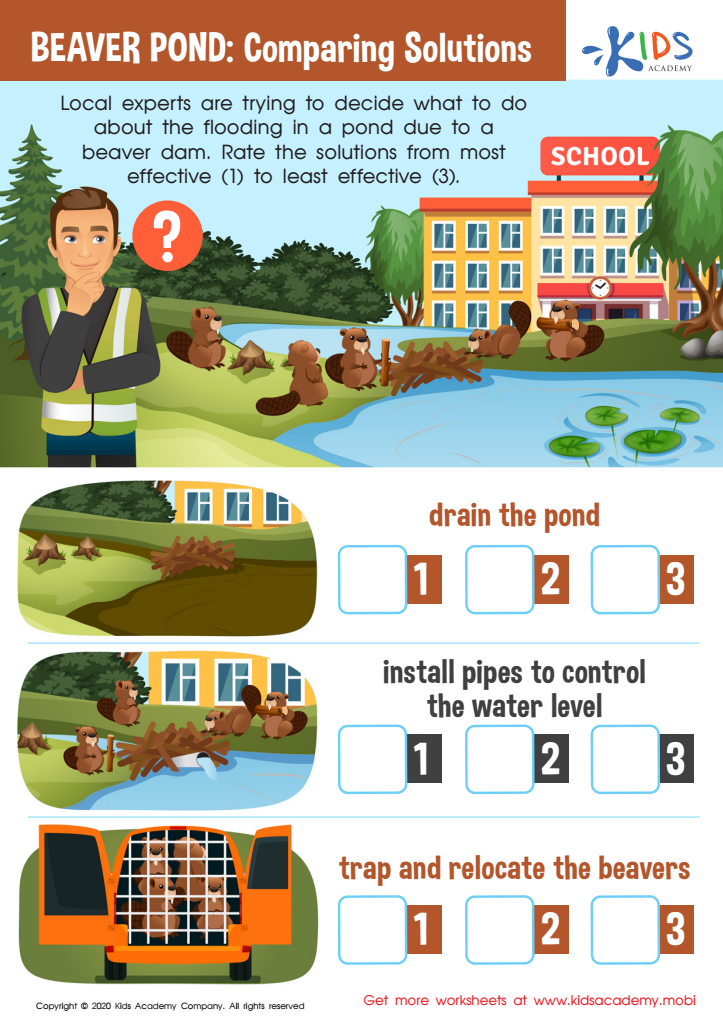
Beaver Pond: Comparing Solutions Worksheet








Life science for ages 3-8 is crucial for fostering a child's natural curiosity about the world. At this developmental stage, children are eager to explore and ask questions, making it an ideal time to introduce foundational concepts of biology, ecology, and the natural environment. Understanding life science helps young learners comprehend their place within the ecosystem, fostering a sense of responsibility towards living things.
Incorporating life science into early education cultivates critical thinking, observation skills, and an appreciation for diversity in nature. Engaging children with simple experiments—like observing plant growth or understanding animal habitats—can encourage hands-on learning and ignite a passion for science that lasts a lifetime.
Furthermore, as children learn about life cycles, ecosystems, and the interconnectedness of species, they develop a sense of empathy and respect for living organisms, which can lead to environmentally conscious behaviors in the future. Parents and teachers who prioritize life science in curriculum and activities provide children with essential skills that support STEAM (Science, Technology, Engineering, Arts, and Mathematics) learning, ultimately preparing them for more complex scientific concepts as they grow. This early foundation in life science not only enriches children’s education but also shapes responsible, informed citizens who care about their world.








