Life Science Worksheets for Ages 3-8 - Page 2
36 filtered results
-
From - To
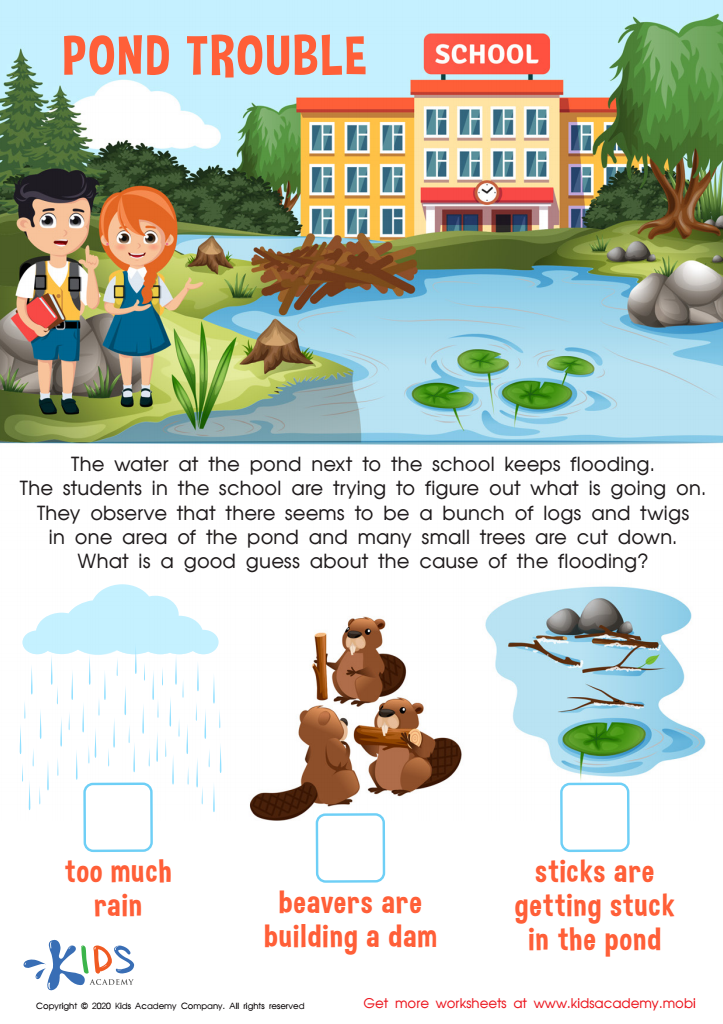
Pond Trouble Worksheet
 Assign to My Students
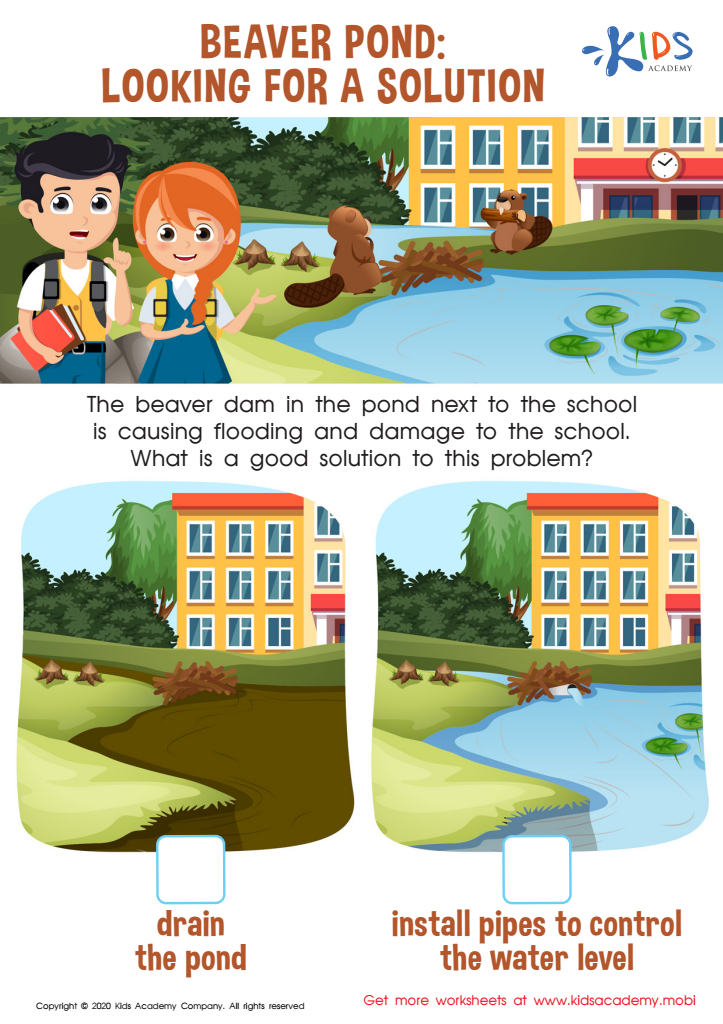
Beaver Pond: Looking for a Solution Worksheet
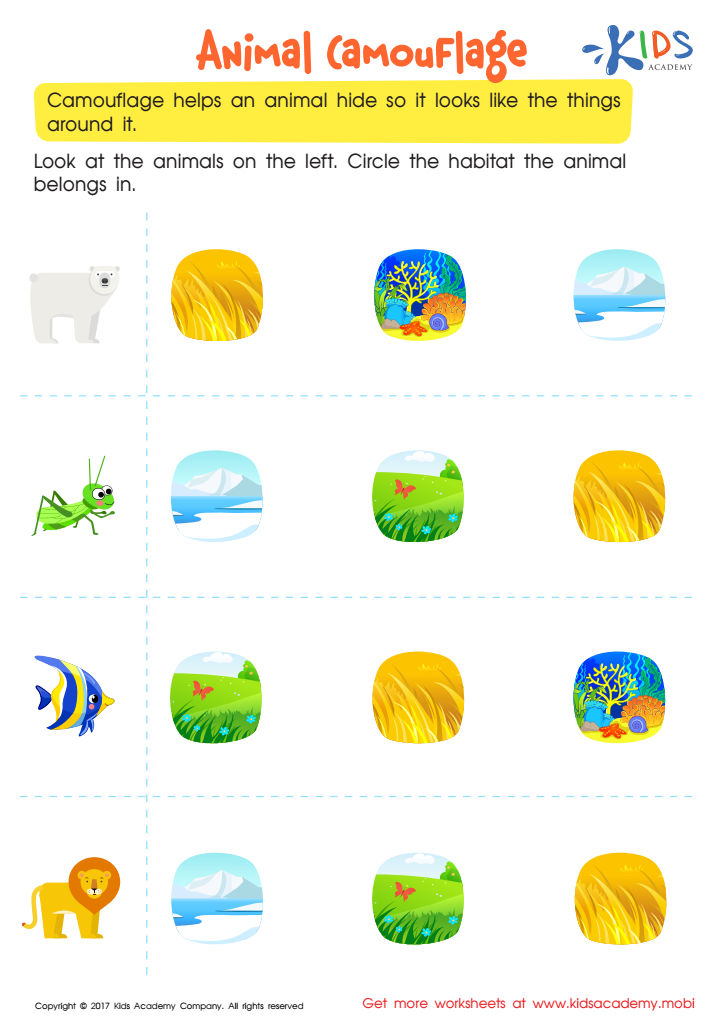
Animal Camouflage Worksheet
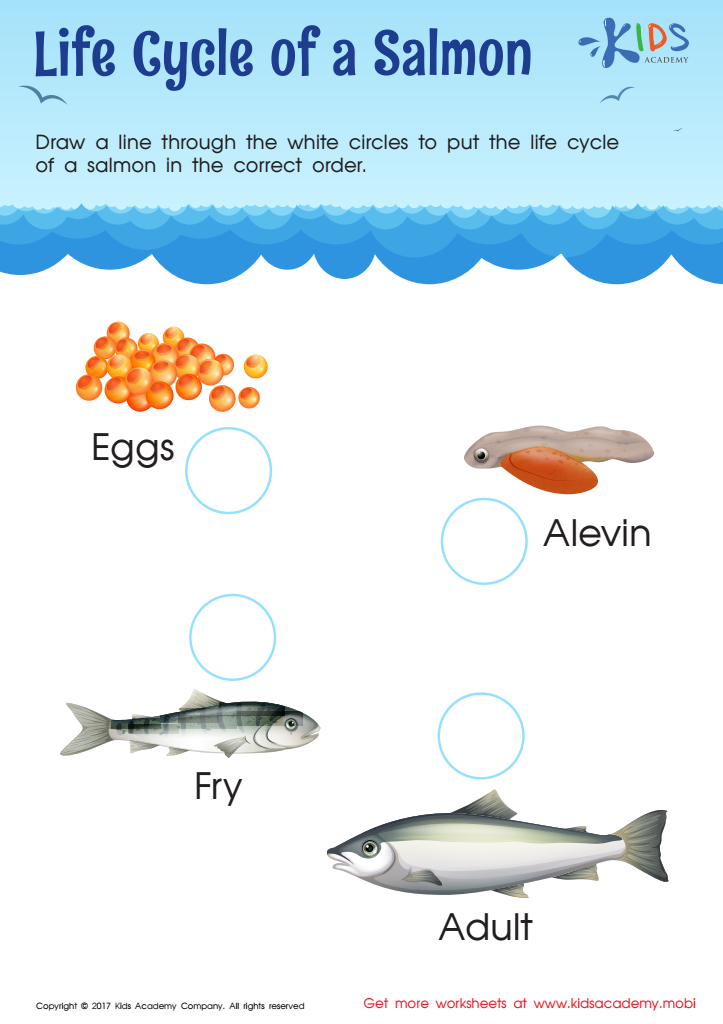
Cycle Of Salmon Worksheet
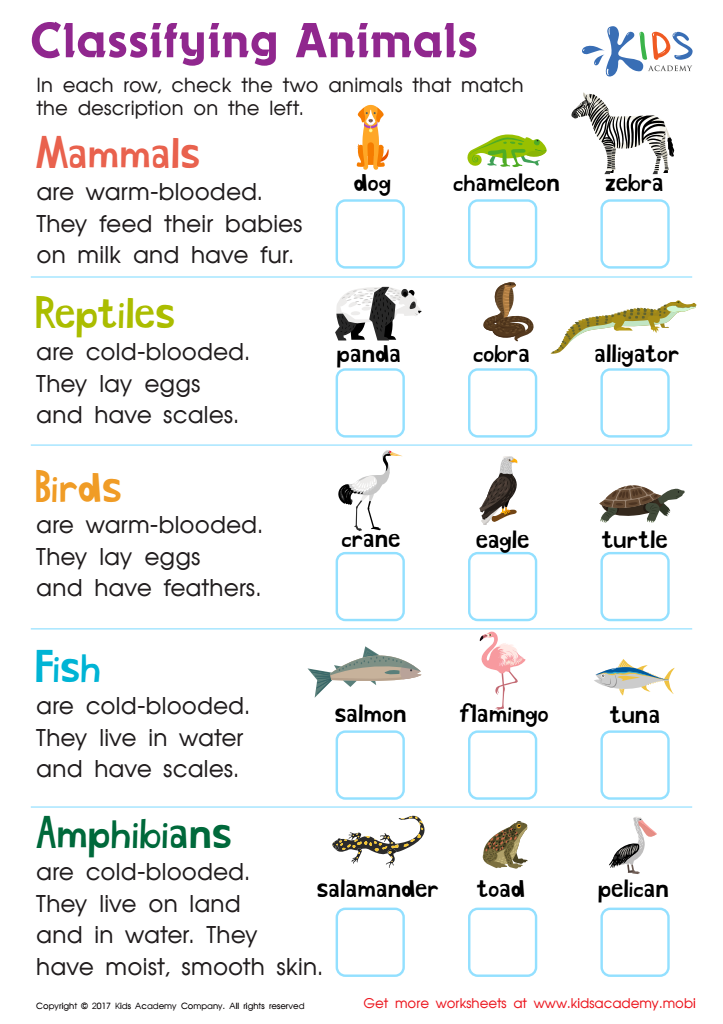
Classifying Animals Worksheet
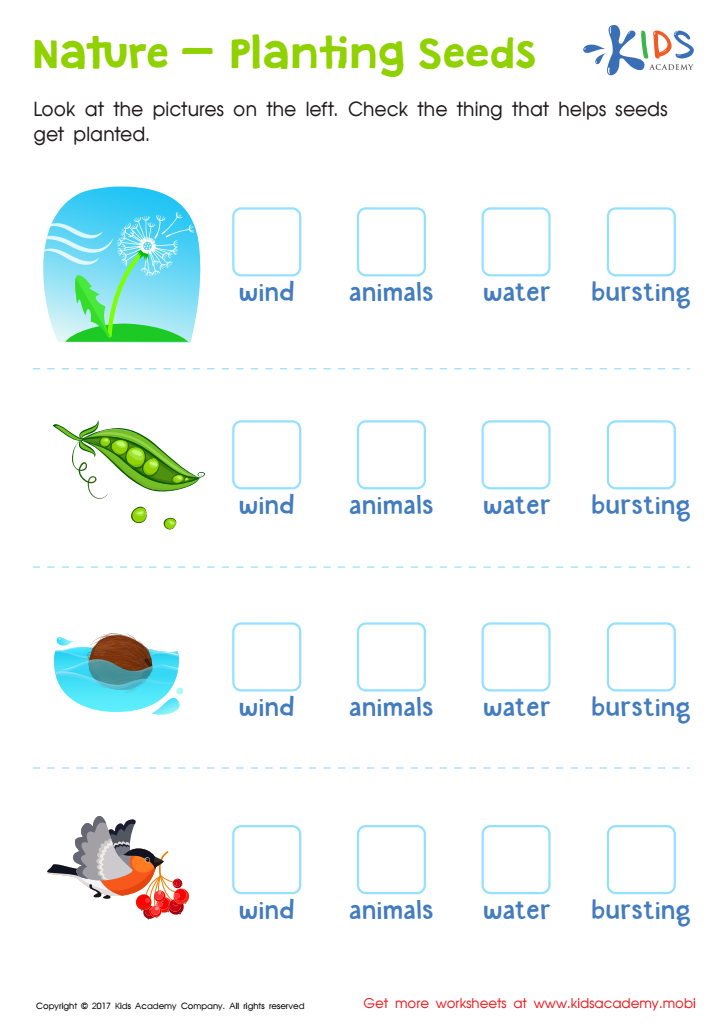
Nature Planting Seeds Worksheet
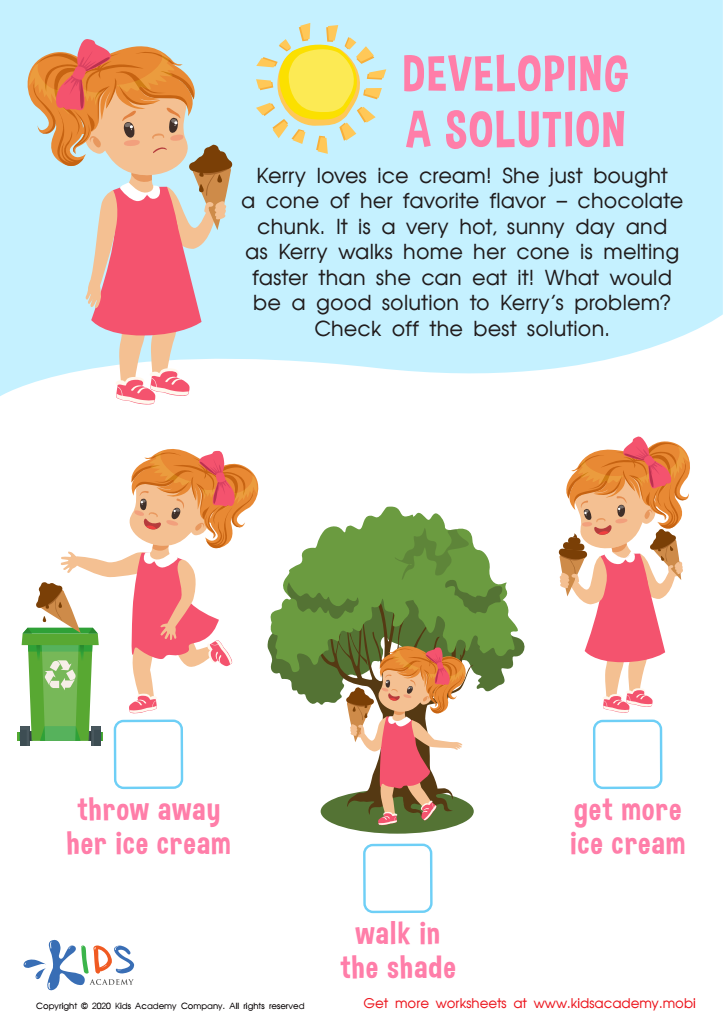
Developing Solution Worksheet
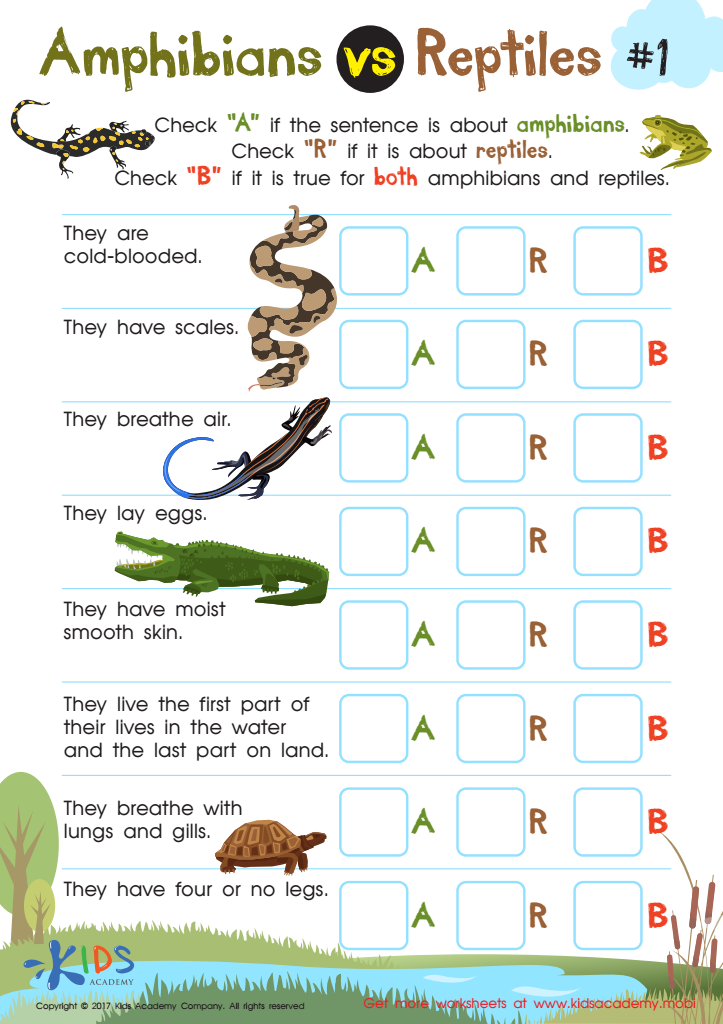
Amphibians vs Reptiles Worksheet
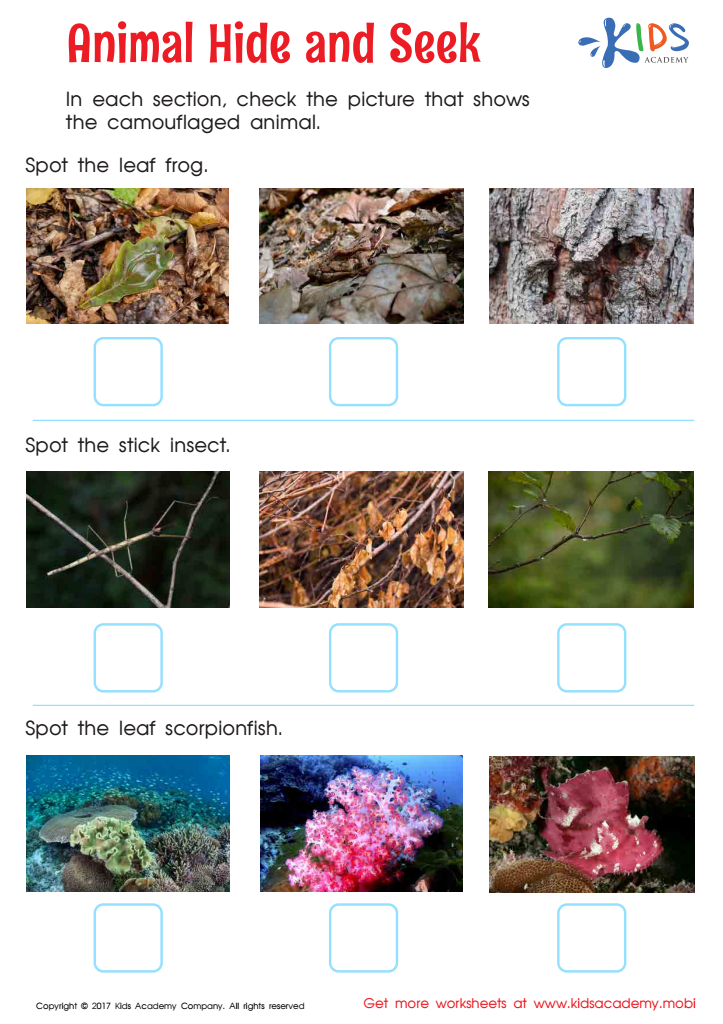
Animal Hide and Seek Worksheet
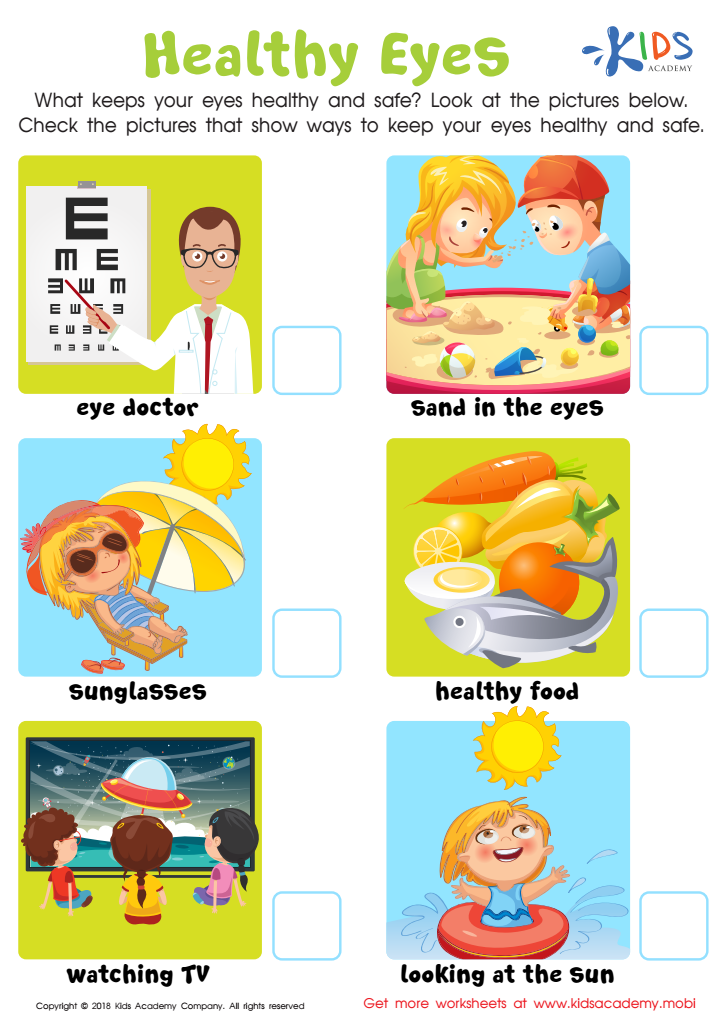
Healthy Eyes Worksheet
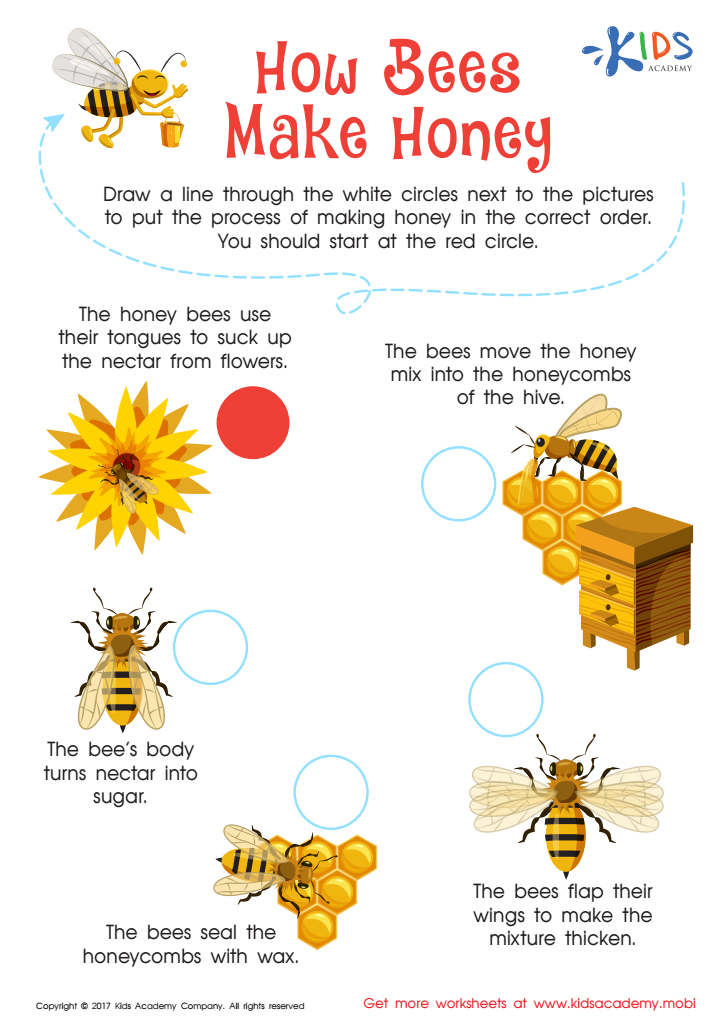
Honey Bee Worksheet
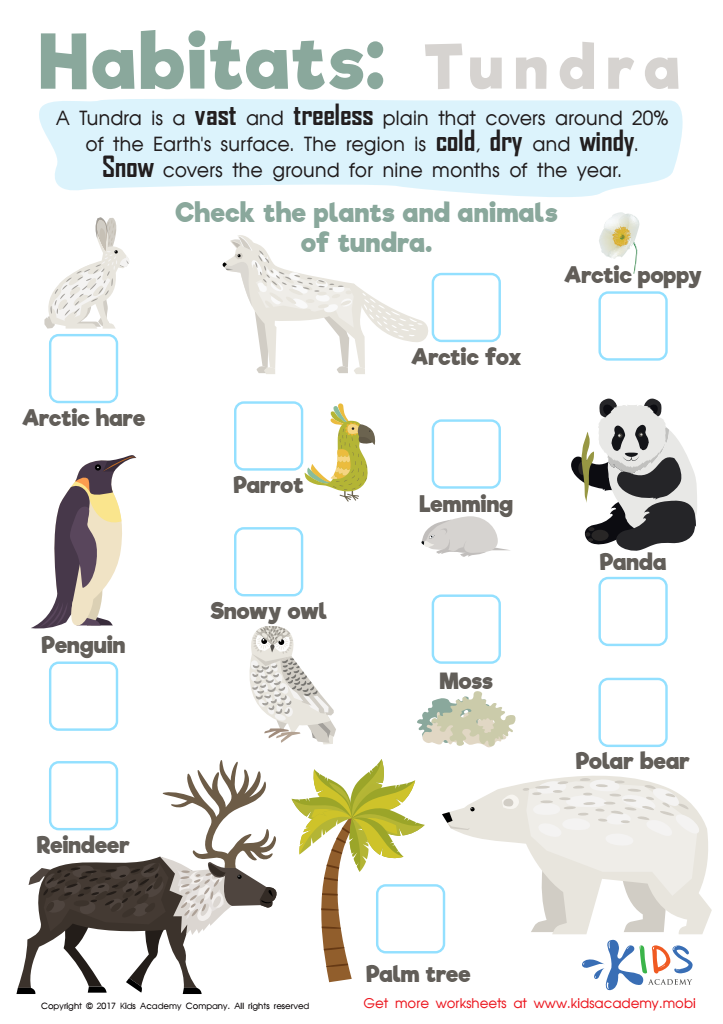
Tundra Habitats Worksheet





Life science for ages 3-8 is crucial for fostering a child's natural curiosity about the world. At this developmental stage, children are eager to explore and ask questions, making it an ideal time to introduce foundational concepts of biology, ecology, and the natural environment. Understanding life science helps young learners comprehend their place within the ecosystem, fostering a sense of responsibility towards living things.
Incorporating life science into early education cultivates critical thinking, observation skills, and an appreciation for diversity in nature. Engaging children with simple experiments—like observing plant growth or understanding animal habitats—can encourage hands-on learning and ignite a passion for science that lasts a lifetime.
Furthermore, as children learn about life cycles, ecosystems, and the interconnectedness of species, they develop a sense of empathy and respect for living organisms, which can lead to environmentally conscious behaviors in the future. Parents and teachers who prioritize life science in curriculum and activities provide children with essential skills that support STEAM (Science, Technology, Engineering, Arts, and Mathematics) learning, ultimately preparing them for more complex scientific concepts as they grow. This early foundation in life science not only enriches children’s education but also shapes responsible, informed citizens who care about their world.








