Mazes Worksheets Activities With Answers for Ages 3-8 - Page 4
74 filtered results
-
From - To
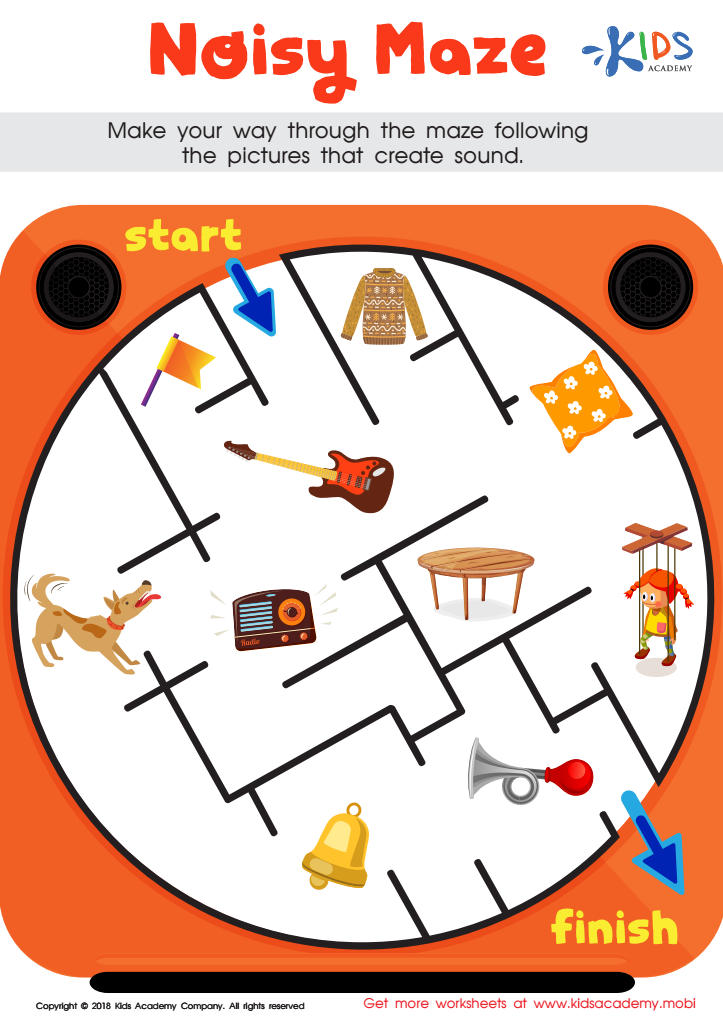
Noisy Maze Worksheet
 Assign to My Students
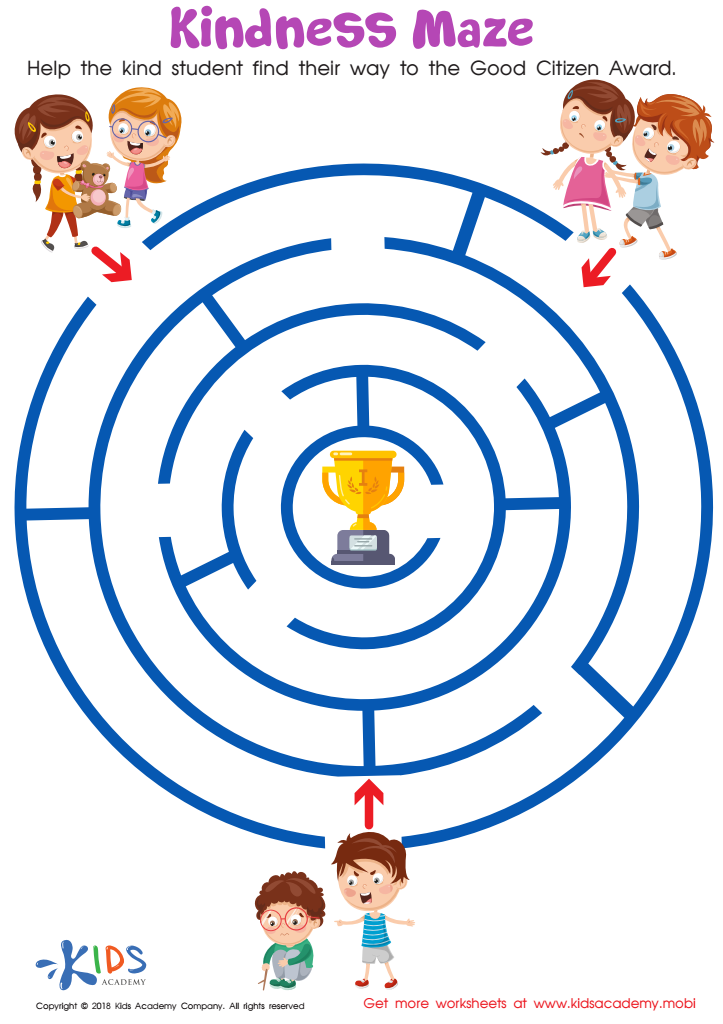
Kindness Maze Worksheet







Mazes activities for children ages 3-8 provide several educational and developmental benefits that parents and teachers should care about. Firstly, these activities promote critical thinking and problem-solving skills, as children learn to navigate the pathways and determine the best routes to reach the end. This form of cognitive engagement can enhance their reasoning abilities.
Additionally, maze activities support fine motor skills development. As children manipulate pencils or crayons to trace the pathways, they strengthen the muscles in their hands and fingers, which is crucial for future writing and drawing.
Mazes also encourage patience and persistence. As children face challenges in solving mazes, they learn to persevere through difficulties, an important life skill that translates to various aspects of learning and social interactions.
Moreover, these engaging activities can foster creativity and spatial awareness, allowing children to visualize broader concepts and improve their understanding of shapes and directions.
Finally, completing mazes provides a sense of accomplishment, boosting children's self-esteem and confidence. This intrinsic motivation becomes vital in promoting a love for learning as they explore more complex educational topics in the future. Therefore, integrating maze activities into early education will yield significant developmental advantages for young learners.








