Reading Fiction Worksheets Activities With Answers for Ages 4-9
11 filtered results
-
From - To
Welcome to our "Reading Fiction Worksheets Activities With Answers for Ages 4-9" page! Designed for young learners, our engaging worksheets promote the joys of reading while enhancing comprehension skills. Each activity features age-appropriate fiction texts followed by thought-provoking questions that challenge students to reflect and connect with the material. With provided answer keys, educators and parents can easily assess progress and foster a love for reading. Perfect for classroom or home education, these worksheets stimulate imagination and critical thinking, making early learning both fun and effective. Explore today and inspire your little ones to dive into the world of fiction!
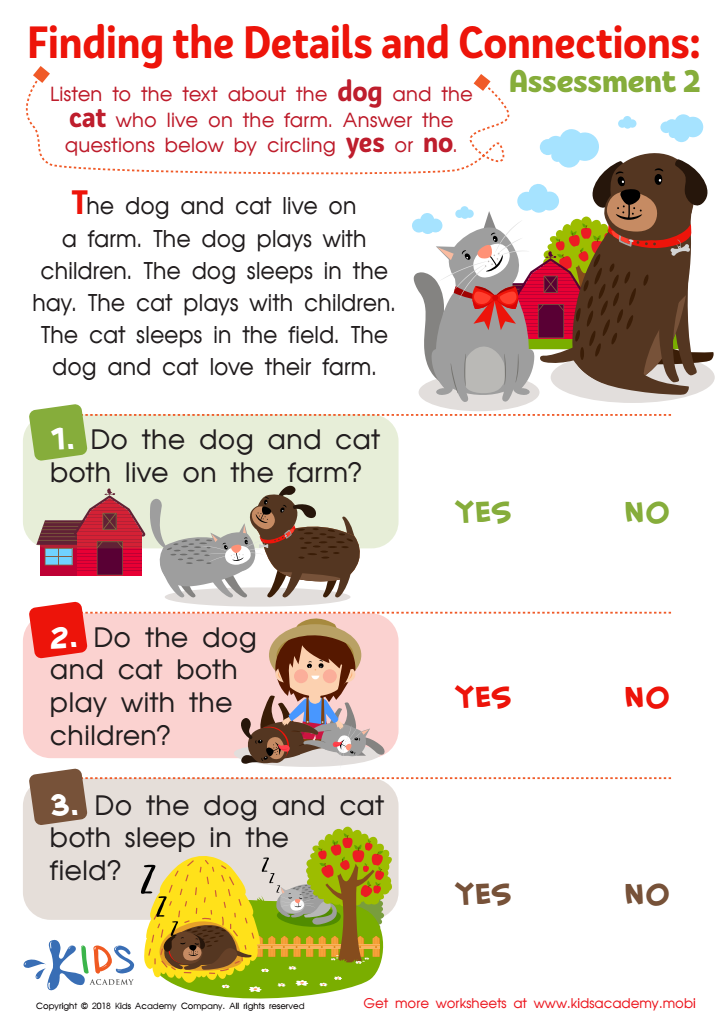
Finding the Details and Connections: Assessment 2 Worksheet
 Assign to My Students
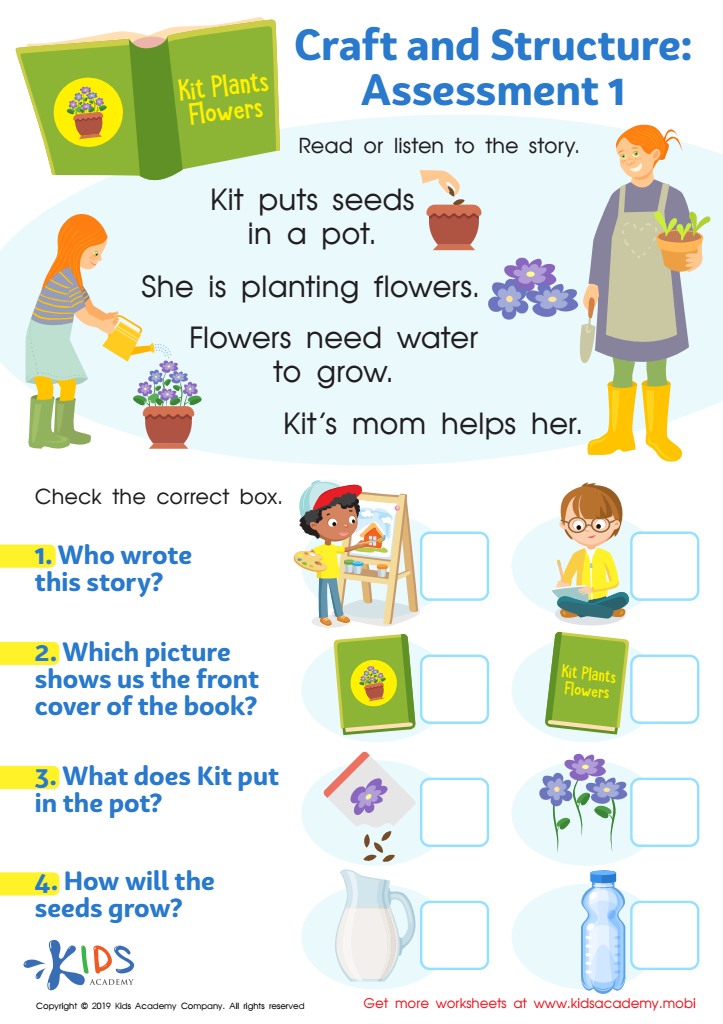
Craft and Structure: Assessment 1 Worksheet
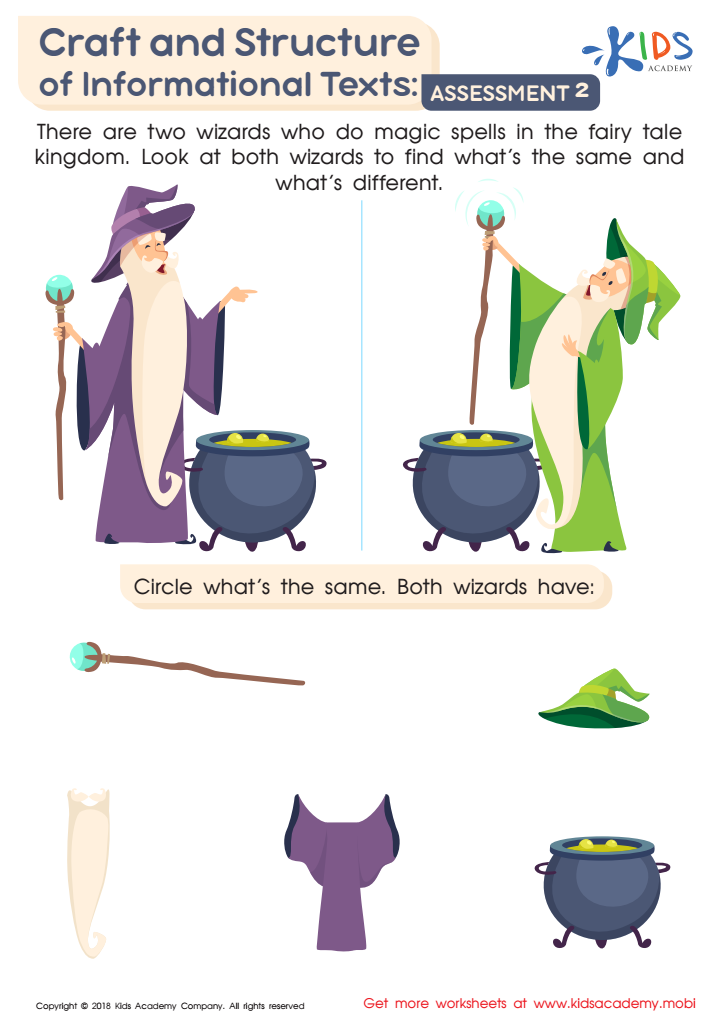
Craft and Structure of Informational Texts: Assessment 2 Worksheet
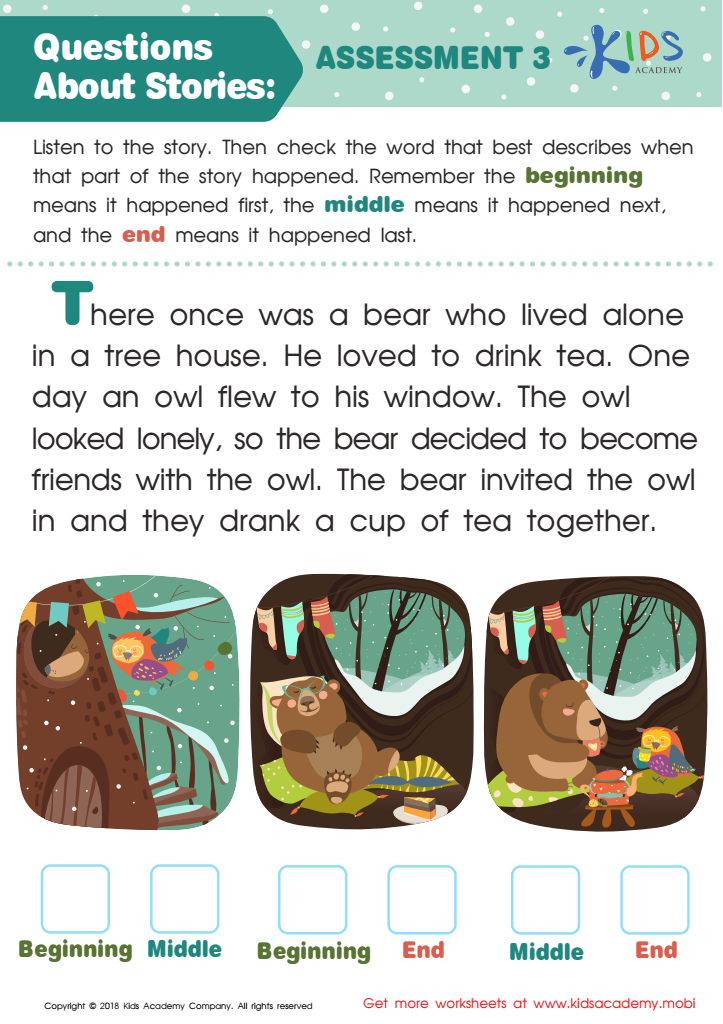
Questions About Stories: Assessment 3 Worksheet
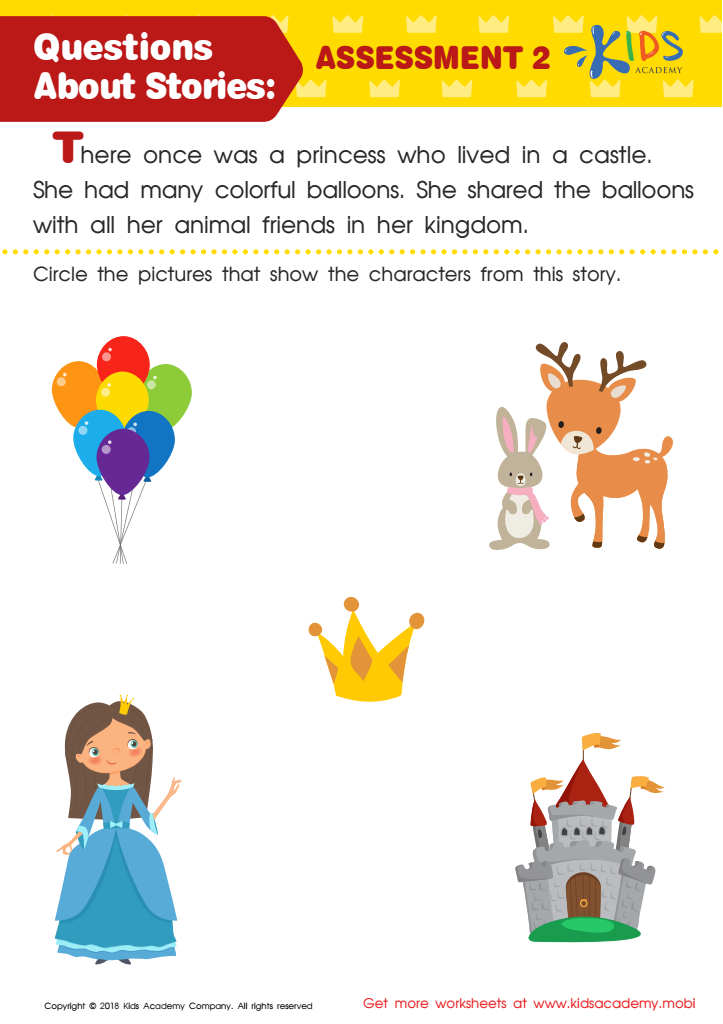
Questions About Stories: Assessment 2 Worksheet
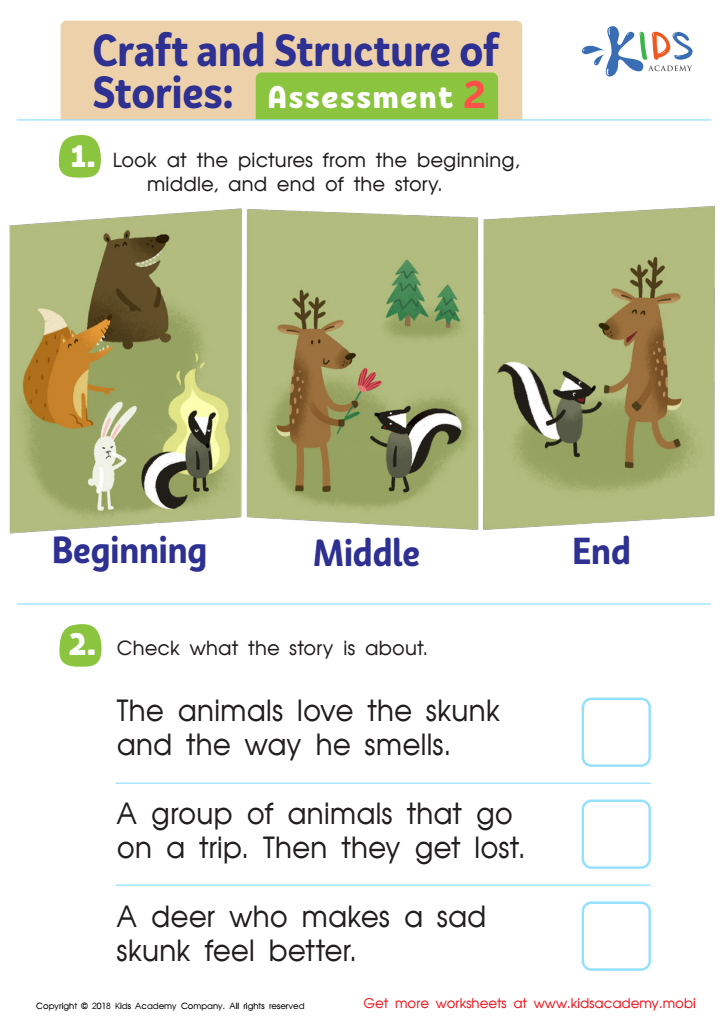
Craft and Structure of Stories: Assessment 2 Worksheet
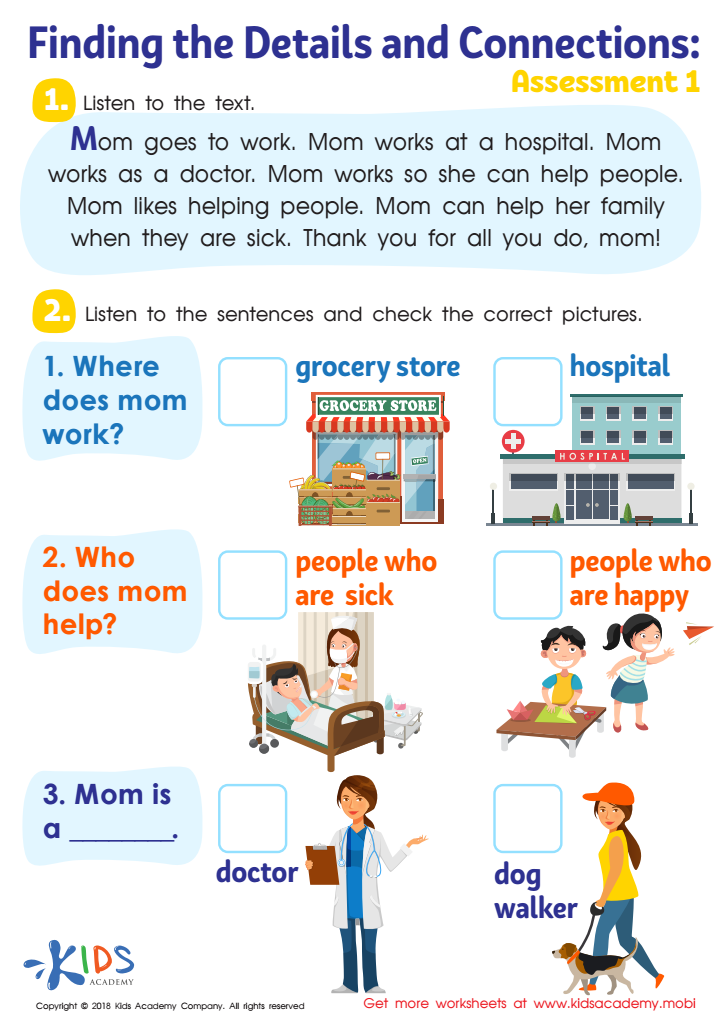
Finding the Details and Connections: Assessment 1 Worksheet
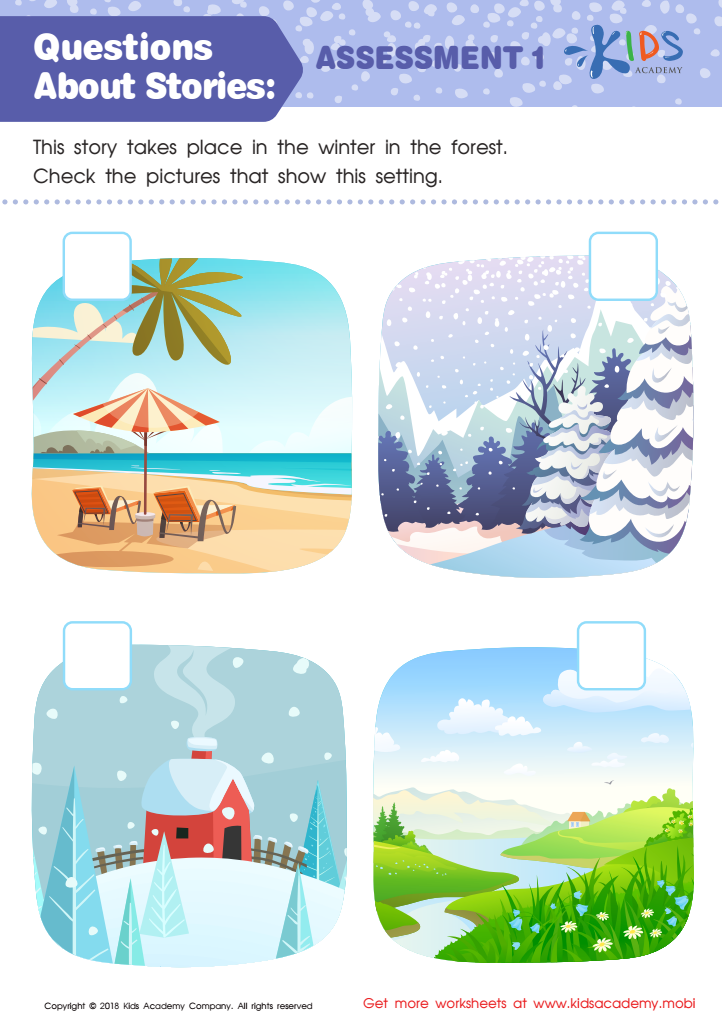
Questions About Stories: Assessment 1 Worksheet
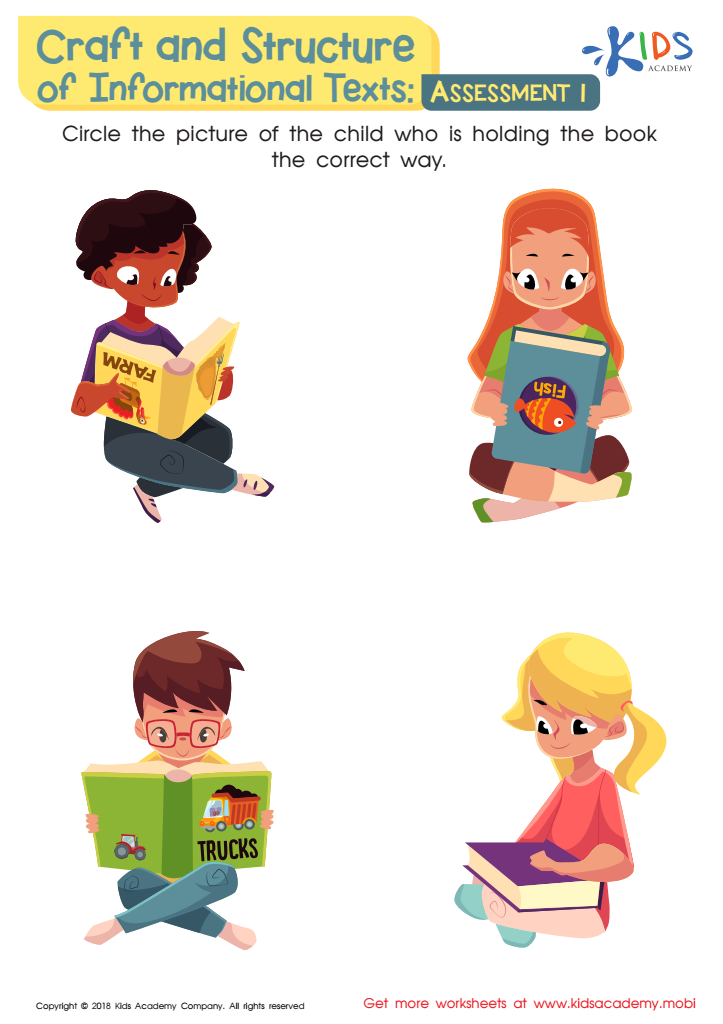
Craft and Structure of Informational Texts: Assessment 1 Worksheet
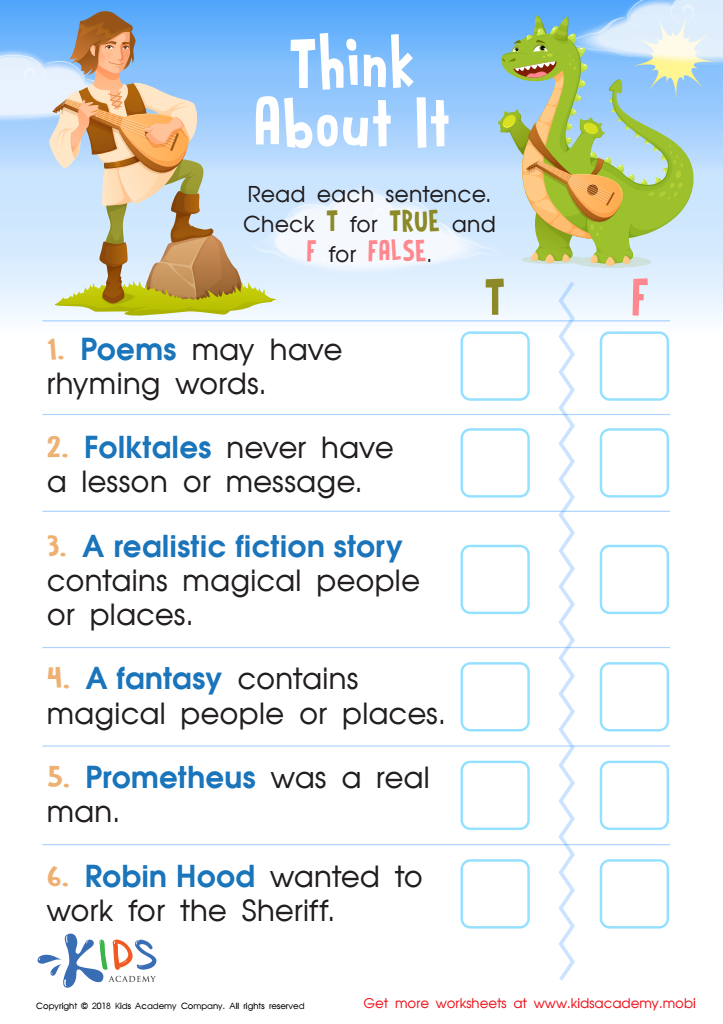
Think About It: Assessment Worksheet
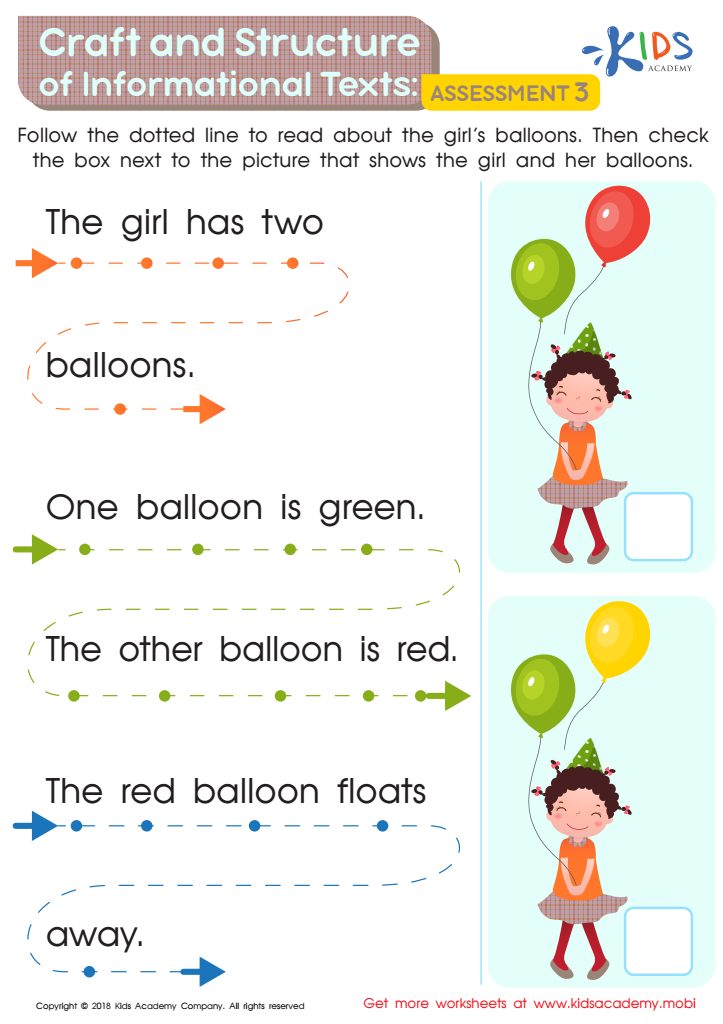
Craft and Structure of Informational Texts: Assessment 3 Worksheet






Parents and teachers should prioritize reading fiction activities for children aged 4-9 because these experiences play a transformative role in cognitive and emotional development. Fiction fosters imagination, allowing children to explore different worlds, characters, and scenarios, which enhances creativity. Engaging with stories encourages critical thinking as children learn to analyze plot developments, understand characters’ motivations, and predict outcomes.
Moreover, fiction reading activities can enhance vocabulary and language skills. As children encounter new words and phrases within contexts, they become more confident in their communication abilities. Furthermore, discussing stories and answering questions about them nurtures comprehension skills and encourages verbal expression.
Emotional development is also crucial; fiction exposes children to a range of emotions and experiences, helping them understand empathy and compassion. As they relate to characters and their journeys, children learn to process their own feelings and develop social-emotional skills.
Finally, reading fiction together can strengthen the bond between parents and children or teachers and students, creating shared experiences that promote love for reading. In summary, reading fiction activities serve as vital tools for developmental growth, building literacy, enhancing critical thinking, and fostering emotional understanding in young learners.








