Reading Non-Fiction Worksheets Activities With Answers for Ages 4-9
4 filtered results
-
From - To
Discover engaging Reading Non-Fiction Worksheets for ages 4-9 that make learning fun and interactive! These carefully crafted activities focus on improving comprehension skills while introducing young learners to a variety of non-fiction topics. Each worksheet includes clear instructions and thought-provoking questions to stimulate critical thinking. Plus, we've provided complete answer keys to make assessment and feedback seamless for educators and parents alike. Perfect for classroom use or at-home learning, our resources ensure that children build essential literacy skills while exploring the fascinating world around them. Unlock your child’s potential today with these vibrant and educational worksheets!
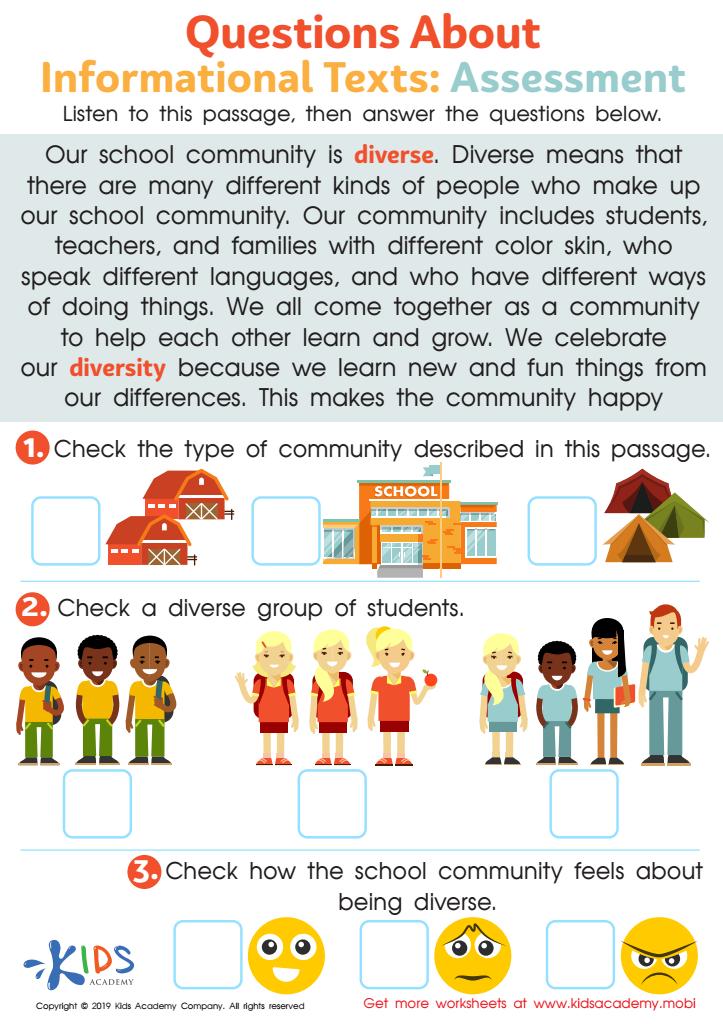
Questions About Informational Texts: Assessment 1 Worksheet
 Assign to My Students
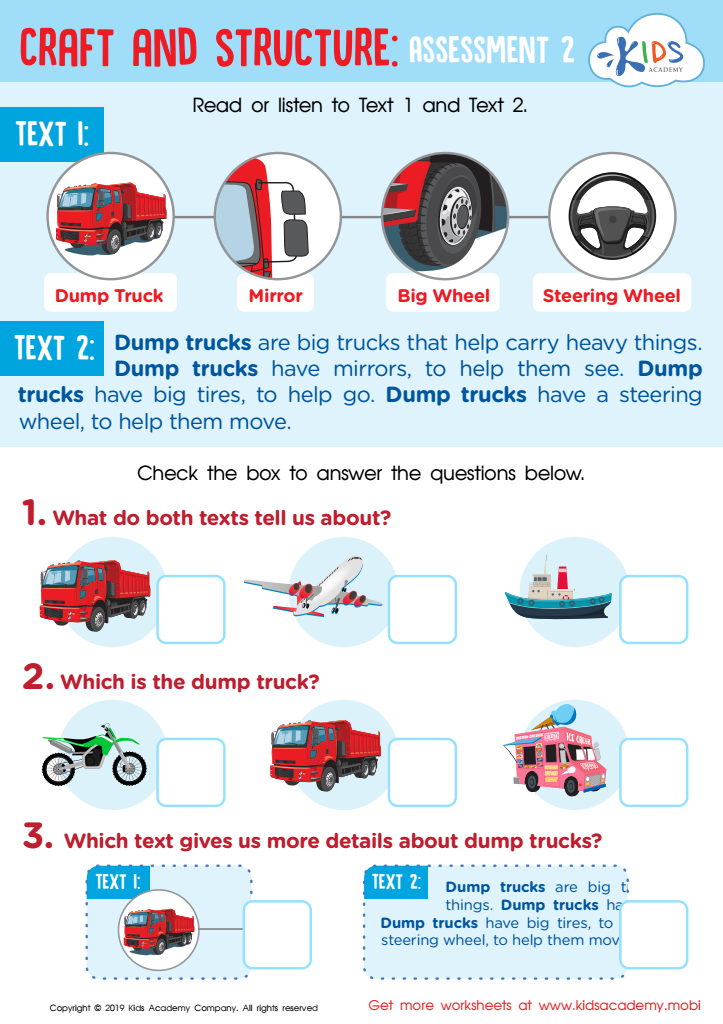
Craft and Structure: Assessment 2 Worksheet
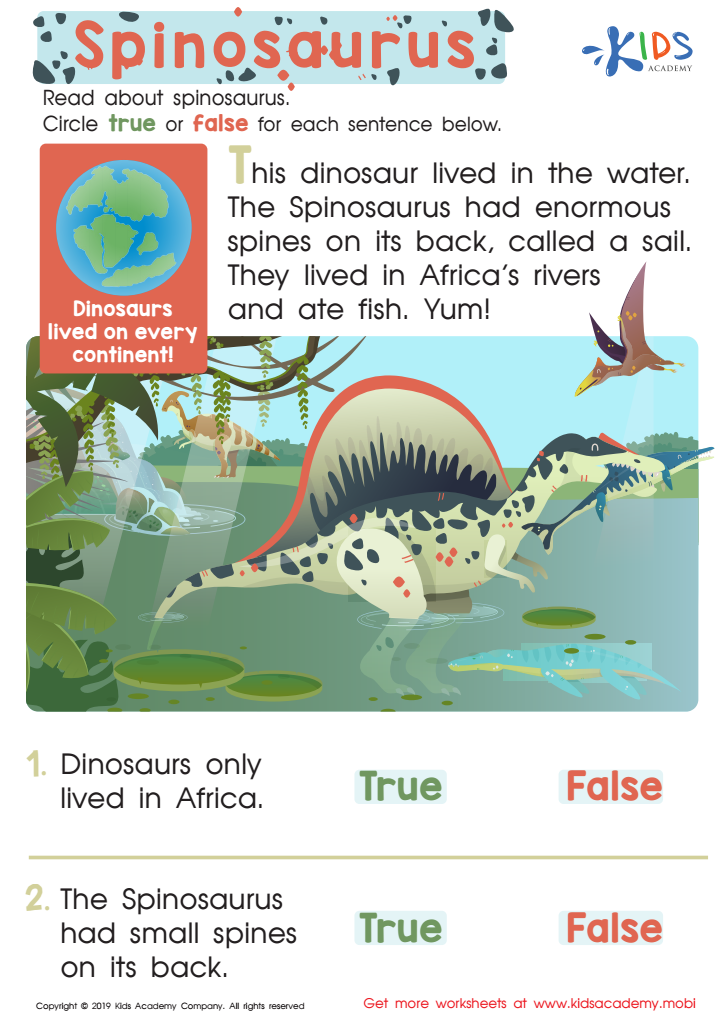
Spinosaurus Assessment Worksheet
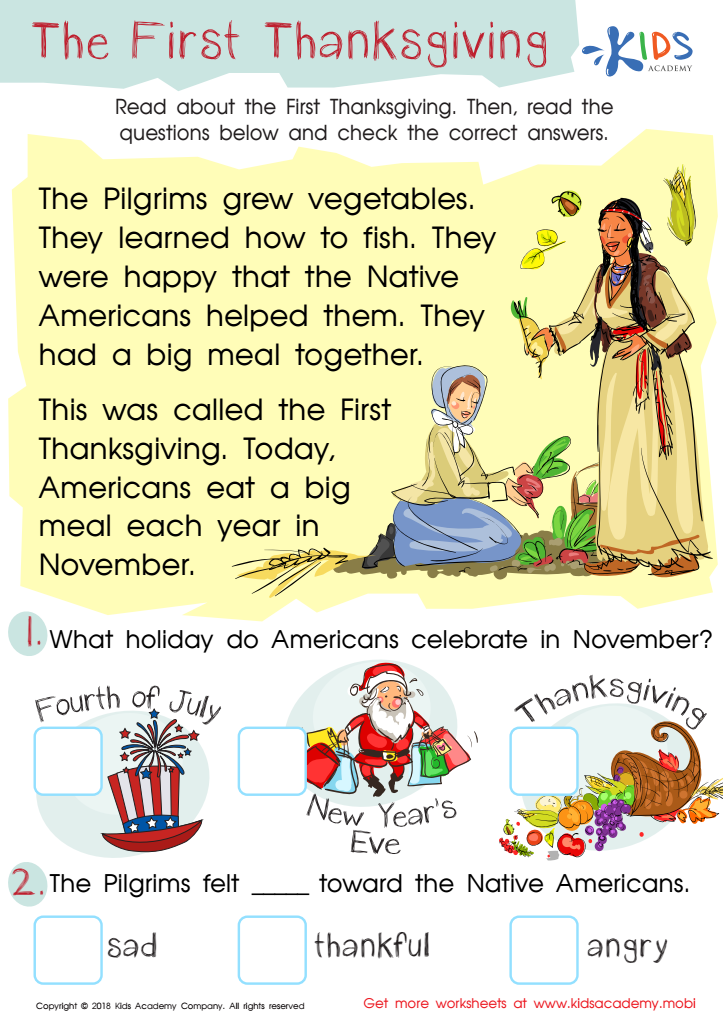
Assessment: First Thanksgiving Worksheet








Parents and teachers should prioritize reading non-fiction activities for children ages 4-9 for several important reasons. Firstly, non-fiction texts help young learners cultivate a curiosity about the world around them. These texts introduce children to facts, concepts, and real-world information that ignite their enthusiasm for learning. By engaging with non-fiction content, children develop critical thinking skills as they learn to analyze, interpret, and question the information presented.
Moreover, reading non-fiction enhances vocabulary development. It exposes children to a broader range of terminology related to different fields, encouraging language skills that are crucial for their overall literacy. Specifically designed activities with answers allow caregivers and educators to assess comprehension and provide targeted support, reinforcing learning outcomes.
Non-fiction reading also fosters analytical skills. It encourages children to discern credible information, differentiate between opinions and facts, and make connections between various topics. These skills are essential in today's information-saturated environment.
Finally, incorporating interactive reading activities provides a multi-dimensional learning experience. Through exploration and hands-on tasks, children become active participants in their learning journey. This delightful engagement can nurture a lifelong love for reading and scholarly pursuits, laying the groundwork for future academic success.








