Mazes Worksheets Activities With Answers for Ages 5-8 - Page 4
74 filtered results
-
From - To
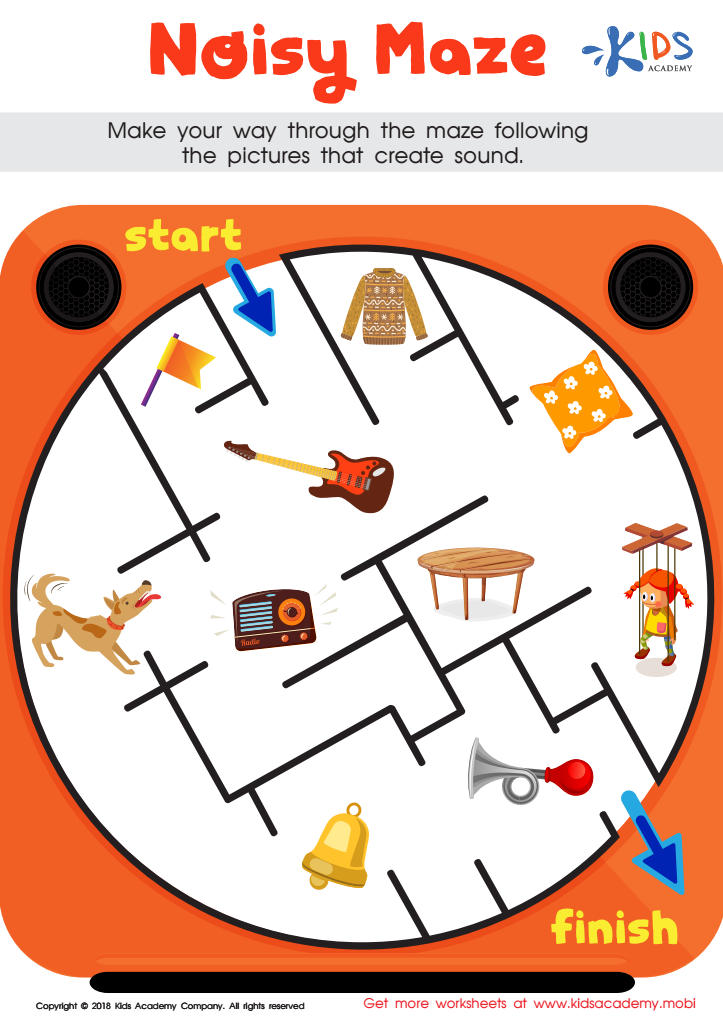
Noisy Maze Worksheet
 Assign to My Students
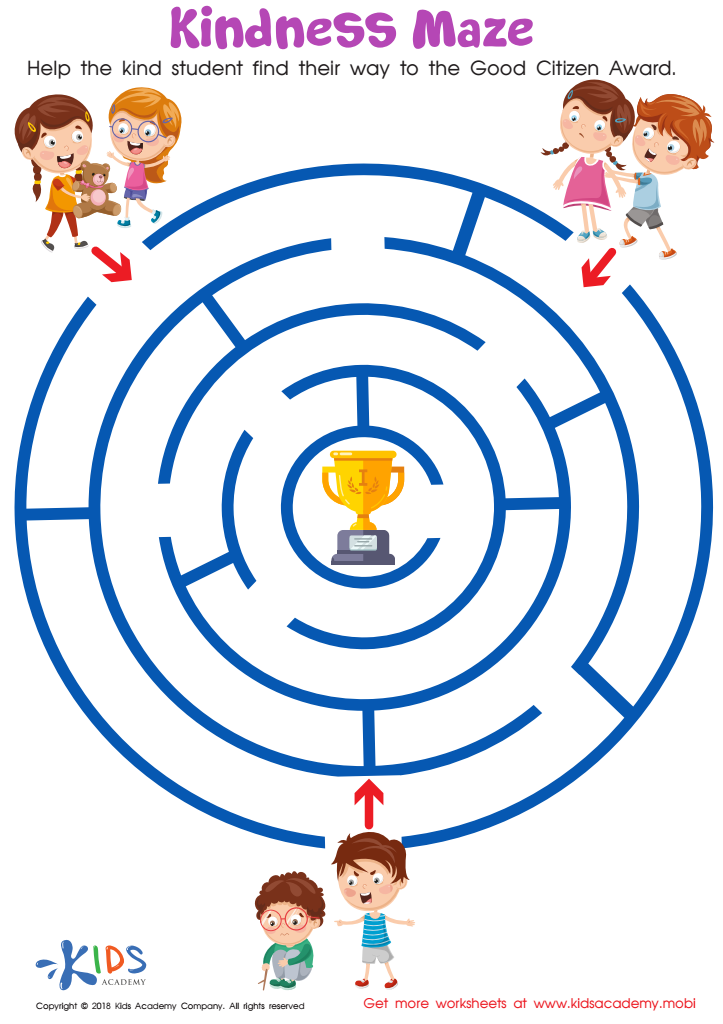
Kindness Maze Worksheet








Mazes activities for children aged 5-8 are not just engaging pastimes; they serve crucial developmental purposes that parents and teachers should prioritize. First and foremost, mazes foster critical thinking and problem-solving skills. As children navigate through pathways, they learn to evaluate choices and make decisions, enhancing their cognitive development.
Additionally, these activities promote fine motor skills. Grasping a pencil or crayon and guiding it through intricate paths helps strengthen hand-eye coordination and dexterity, which are essential for future writing tasks. Such concentration in mazes also improves focus and attention span, teaching kids to stay committed to a task.
Socially, mazes can foster interaction; children can work in pairs or small groups, encouraging teamwork and communication skills. Discussing strategies and helping one another promotes cooperative learning.
Furthermore, mazes are versatile and can be tied into various educational themes, such as shapes, patterns, and even storytelling, making learning fun and multidisciplinary. Engaging with mazes appears both entertaining and educational, offering parents a playful avenue to monitor their child’s development while providing teachers with effective, hands-on resources to supplement their curriculum. By integrating mazes into learning, we open doors to creativity and intellectual growth.








