Easy Building Vocabulary Worksheets Activities With Answers for Ages 3-6
5 filtered results
-
From - To
Discover engaging and easy building vocabulary worksheets designed specifically for children aged 3-6. Our interactive activities promote language development and enhance vocabulary skills in a fun way. Each worksheet comes with clear instructions and answer keys, making it effortless for parents and educators to guide young learners. Topics include common objects, emotions, and everyday scenarios that resonate with kids. Perfect for both at-home learning and classroom activities, these worksheets help children confidently express themselves while expanding their word choices. Encourage a love for language and learning with our thoughtfully designed resources that make vocabulary building enjoyable and effective!
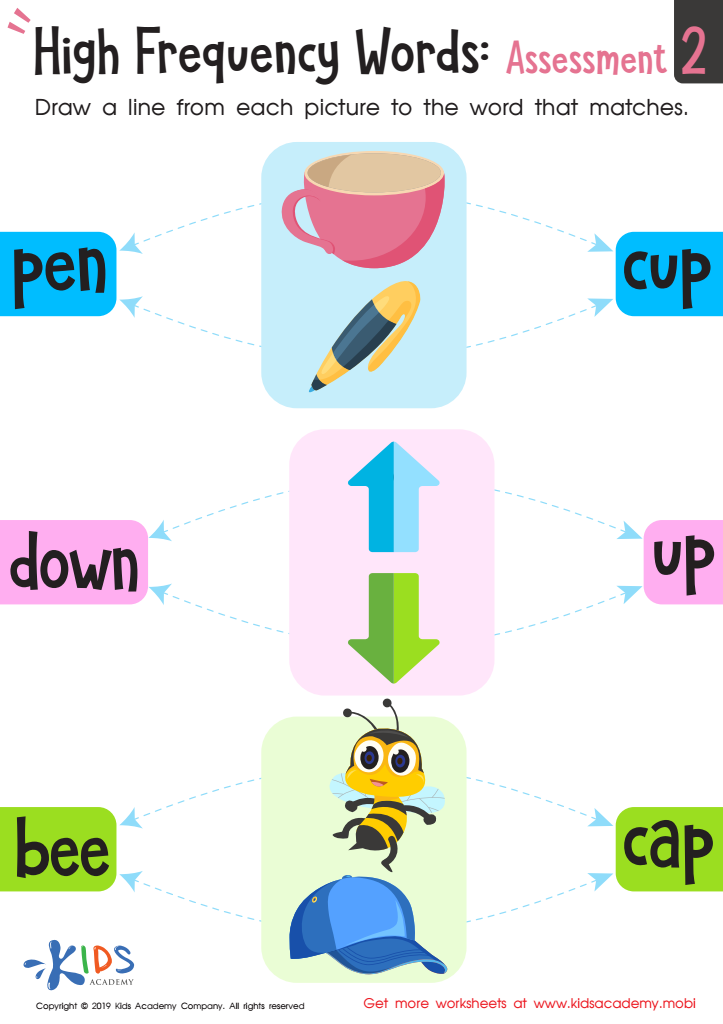
High Frequency Words: Assessment 2 Worksheet
 Assign to My Students
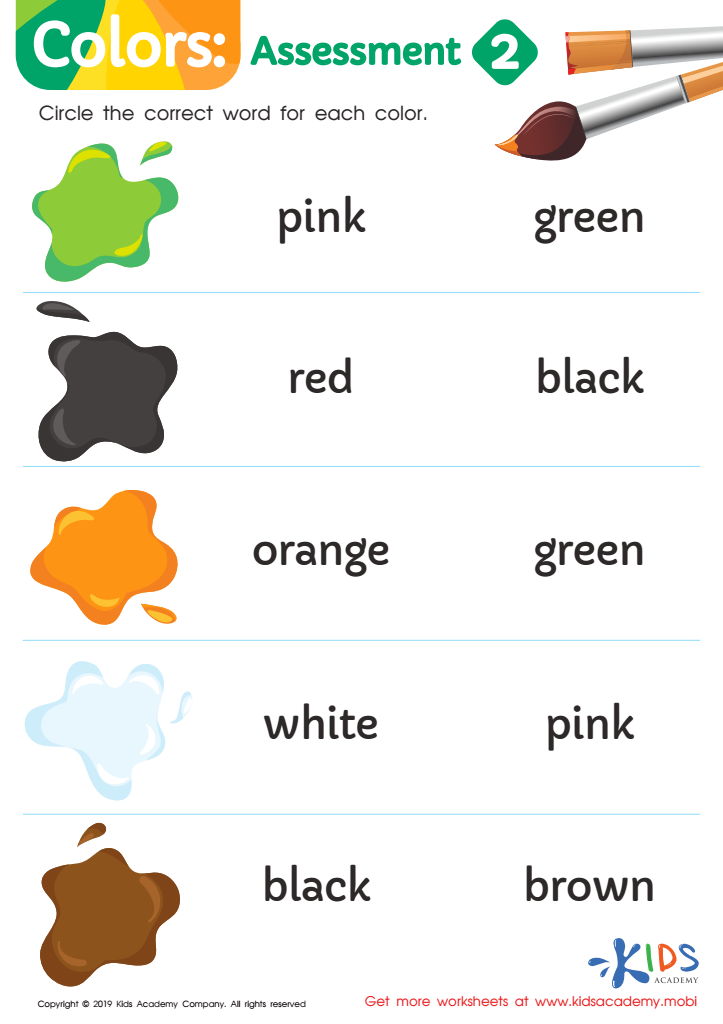
Colors: Assessment 2 Worksheet
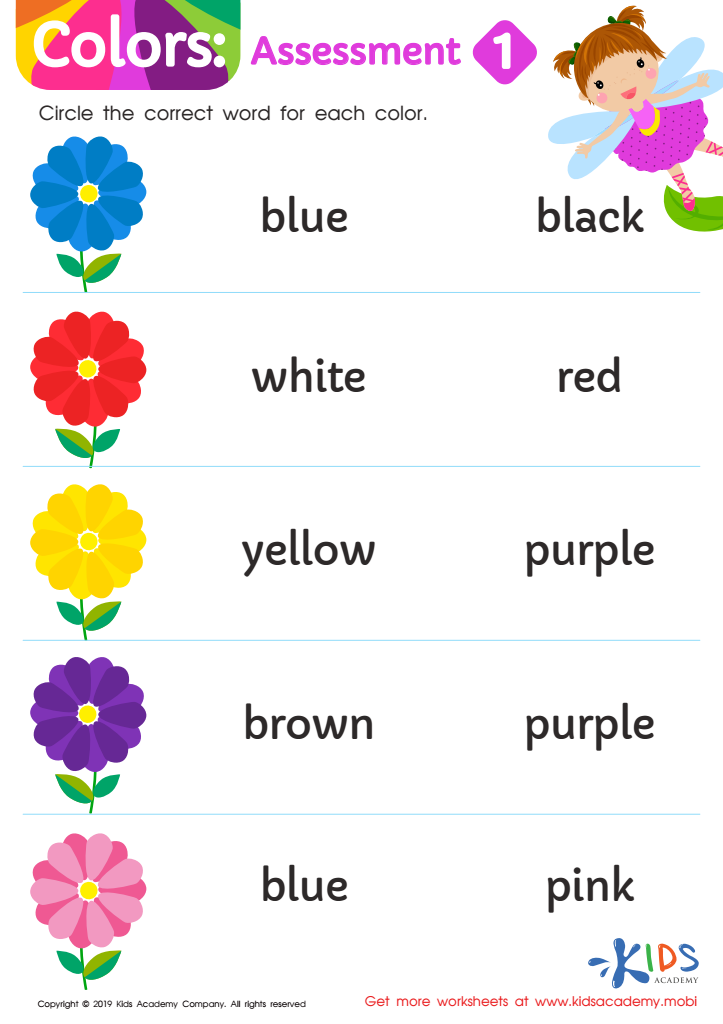
Colors: Assessment 1 Worksheet
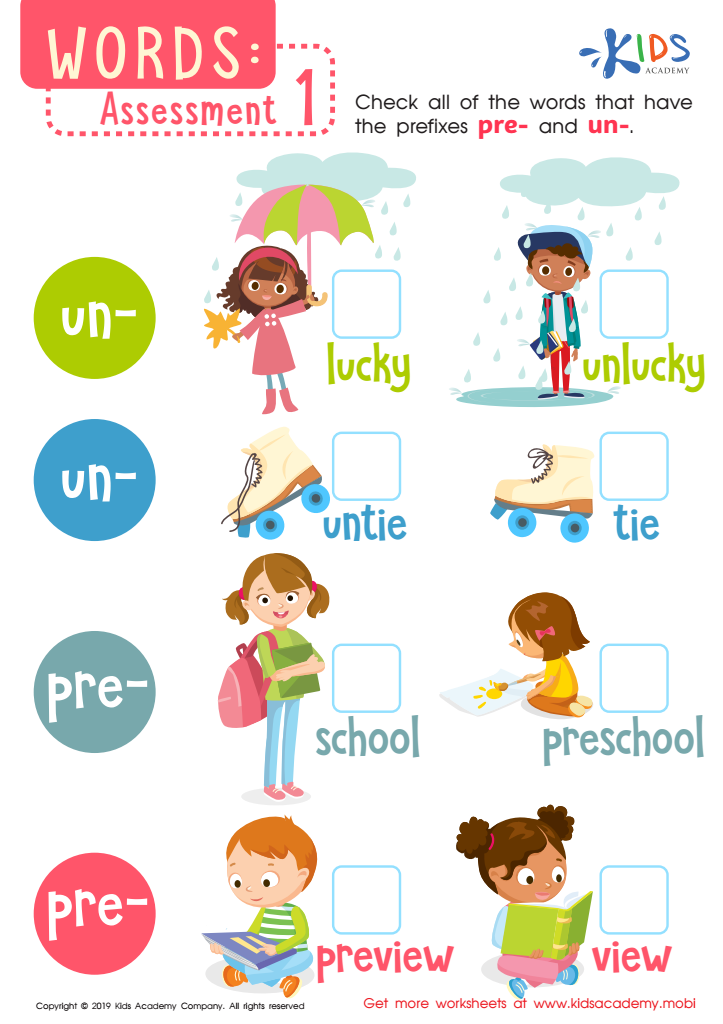
Words: Assessment 1 Worksheet
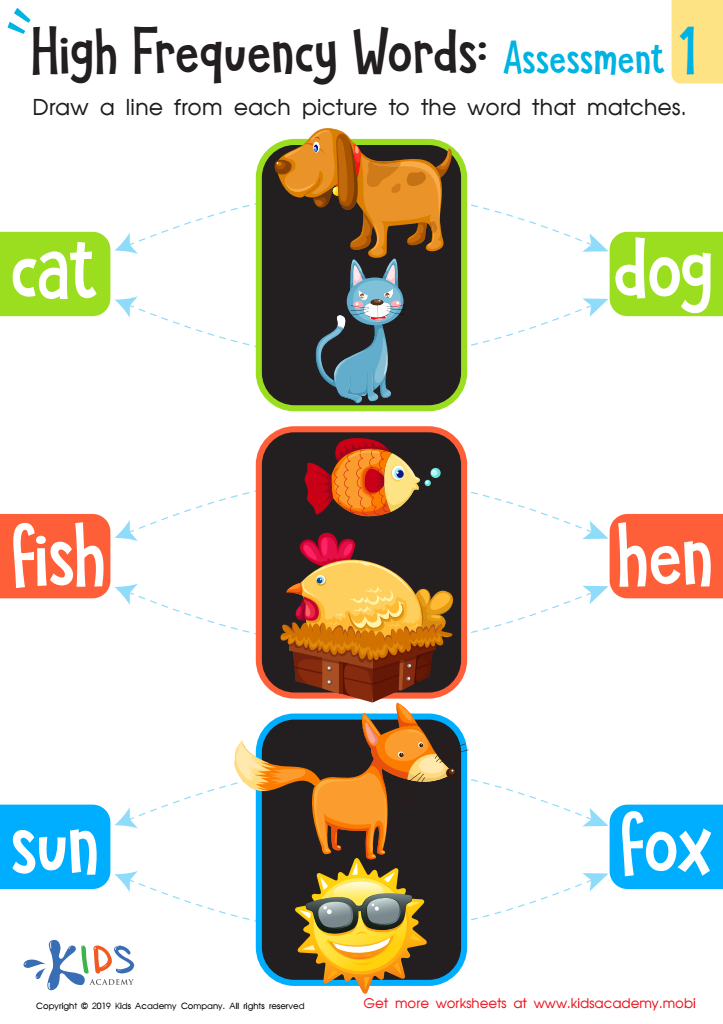
High Frequency Words: Assessment 1 Worksheet






Parents and teachers should prioritize easy building vocabulary activities for children aged 3-6 as these play a crucial role in fostering early literacy skills, which form the foundation for future academic success. At this age, children are naturally curious and eager to learn new words, making it an ideal time to introduce vocabulary-building activities. Engaging in these activities not only enhances vocabulary but also improves comprehension and communication skills, allowing children to express their thoughts and emotions effectively.
Furthermore, interactive vocabulary activities can make learning enjoyable and reduce the pressure that often comes with formal education. By incorporating games, songs, and storytelling, children can learn in a playful environment, which promotes better retention of new words. When parents and teachers actively engage in these activities, they also strengthen the bond with the child, fostering a love for learning and language.
Additionally, a strong vocabulary is linked to improved reading abilities and academic performance. By equipping children with a rich vocabulary early on, we set them up for success in school and beyond. In summary, easy building vocabulary activities are essential tools that support cognitive development, communication skills, and a lifelong love of learning.








