Easy Alphabet Worksheets Activities With Answers for Ages 6-7
5 filtered results
-
From - To
Discover a collection of fun and engaging alphabet worksheets designed specifically for children aged 6-7. Our easy-to-use activities will enhance letter recognition and phonics skills while making learning enjoyable! Each worksheet comes complete with clear answers, allowing parents and educators to track progress effectively. From matching letters to creative writing prompts, these activities cater to diverse learning styles. Perfect for both classroom and home use, these printable worksheets encourage interactive learning experiences. Boost your child's confidence in reading and writing with our comprehensive alphabet activities – outlined clearly for effortless implementation and maximum impact! Start exploring today!
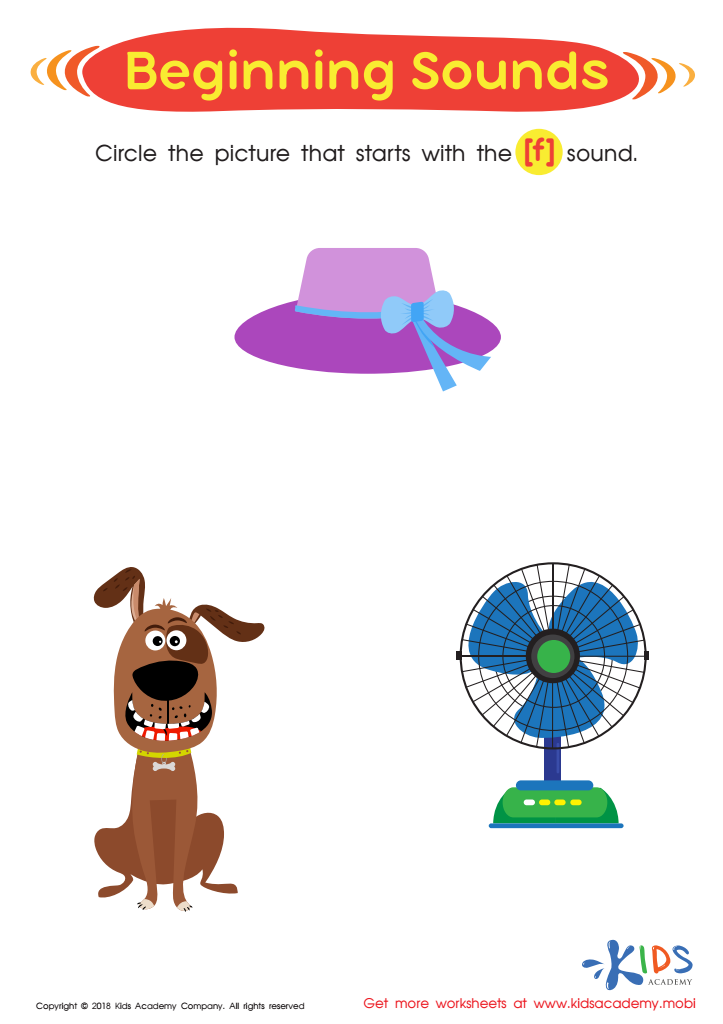
Beginning Sounds Assessment Printable
 Assign to My Students
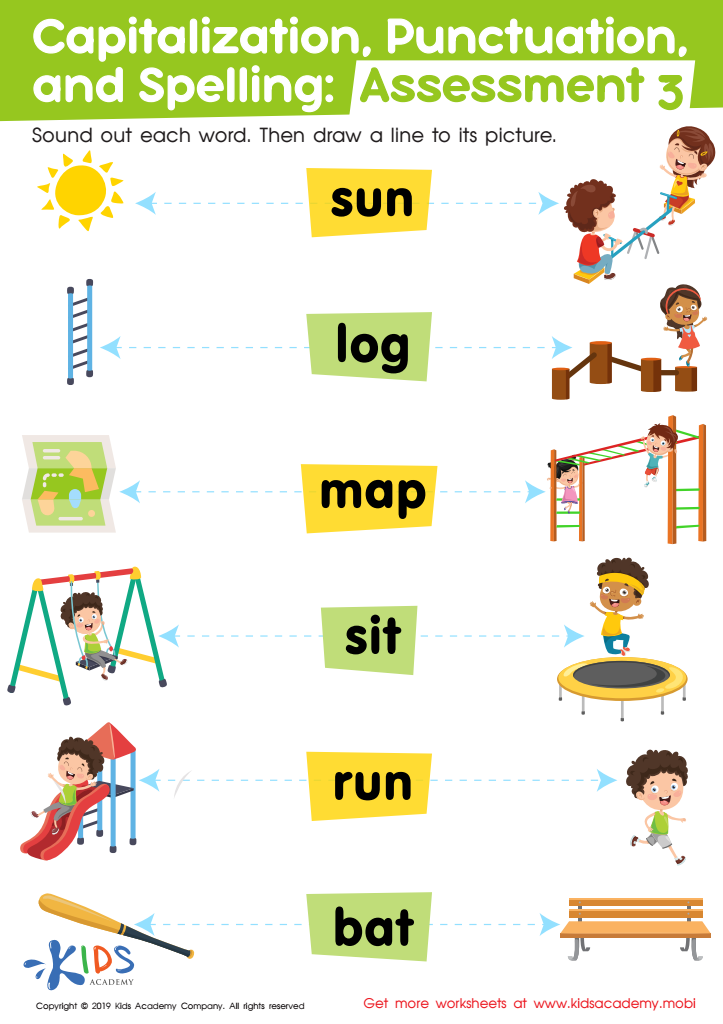
Capitalization. Punctuation. Spelling. Assessment 3 Worksheet
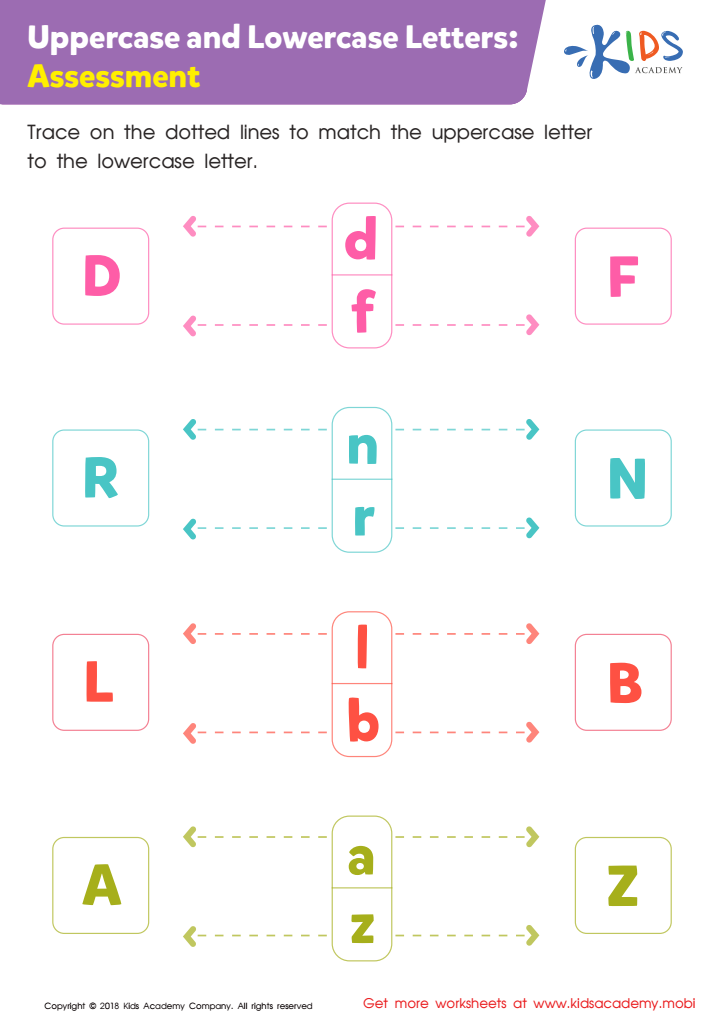
Uppercase and Lowercase Letters: Assessment Worksheet
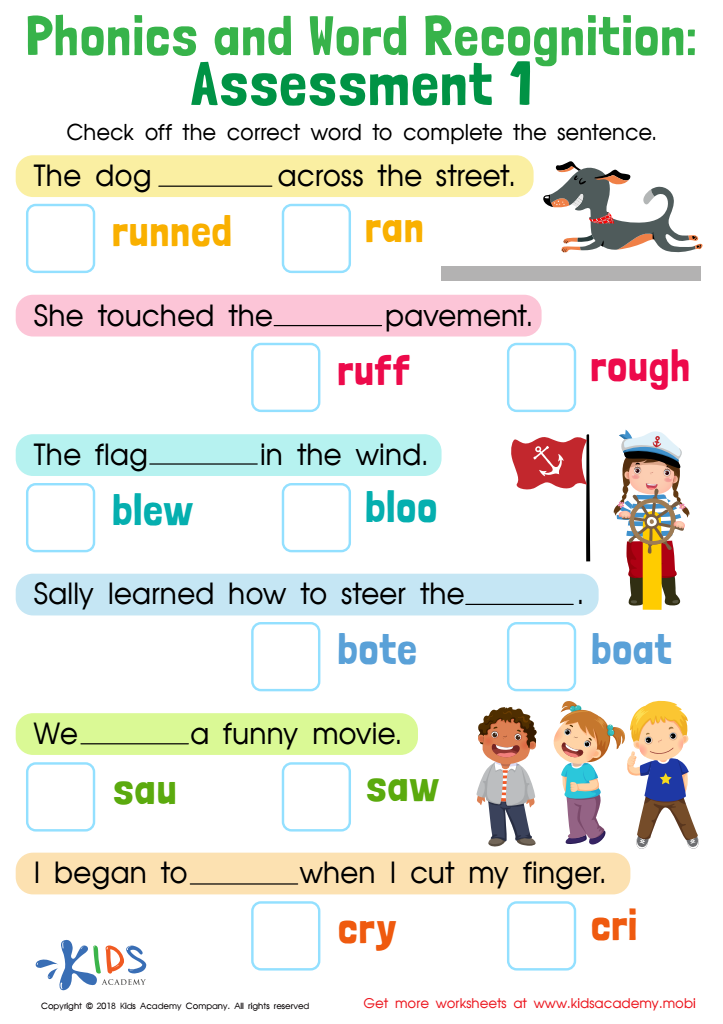
Phonics and Word Recognition: Assessment 1 Worksheet
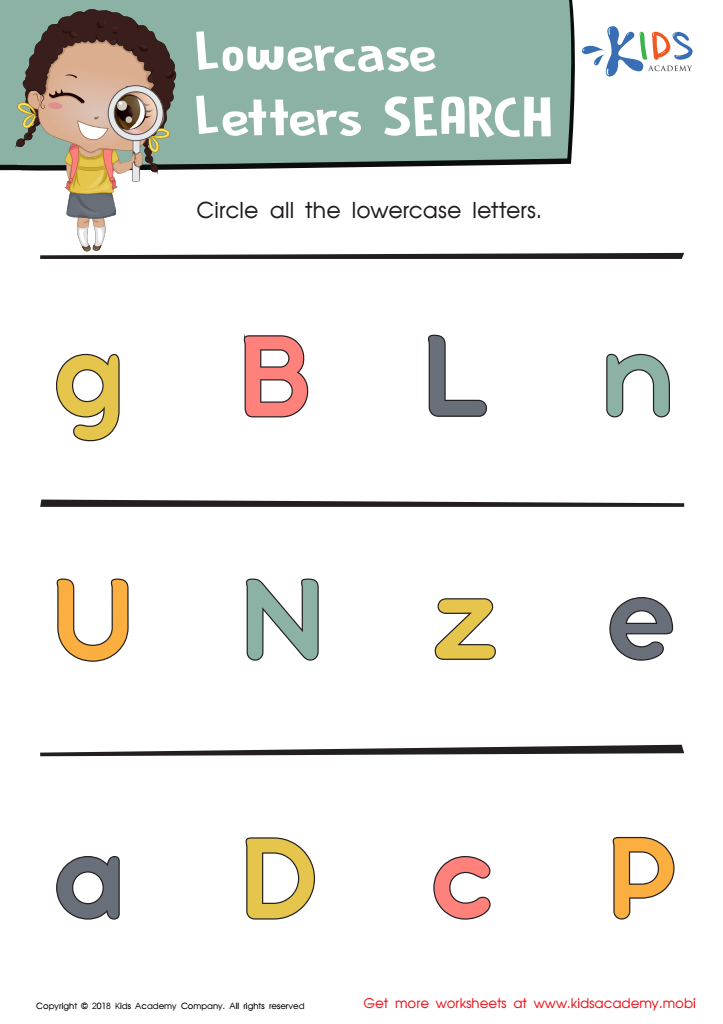
Lowercase Letters Search: Assessment Worksheet







.jpg)
Parents and teachers should care about Easy Alphabet Activities with Answers for children aged 6-7 because these activities are crucial for foundational literacy development. At this age, children are typically learning to read and write, making it essential to provide engaging and meaningful experiences that foster their love for learning. Interactive alphabet activities not only enhance letter recognition but also improve phonemic awareness, helping children understand the sounds associated with each letter.
Moreover, such activities can be designed to cater to different learning styles, ensuring that all children can participate and benefit. Incorporating fun elements, like games or creative crafts, keeps children motivated and focused, making learning enjoyable rather than a chore. This intrinsic motivation can lead to a lifelong passion for reading.
Providing answers along with these activities allows parents and teachers to offer immediate feedback, which reinforces learning and boosts confidence. Additionally, these resources can simplify lesson planning, allowing educators to efficiently balance instruction and engagement. By prioritizing carefully crafted alphabet activities, adults can play a significant role in shaping children's literacy skills, paving the way for their academic success and fostering a strong sense of curiosity and exploration.








