Vowels and Consonants Worksheets for Ages 3-8 - Page 2
29 filtered results
-
From - To
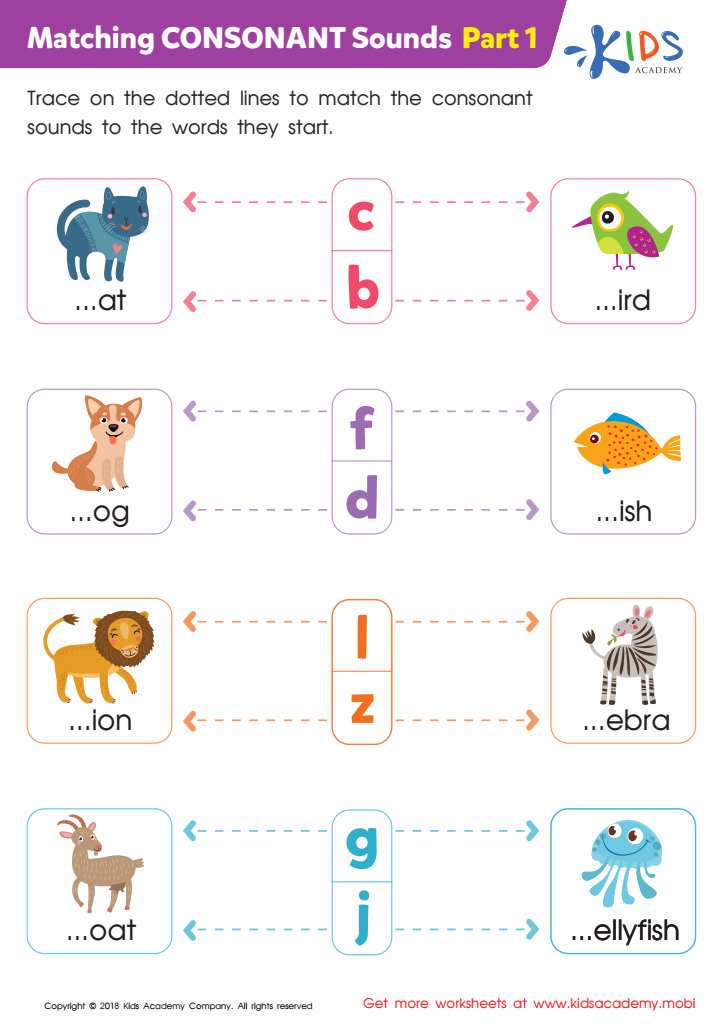
Matching Consonant Sounds: Part 1 Worksheet
 Assign to My Students
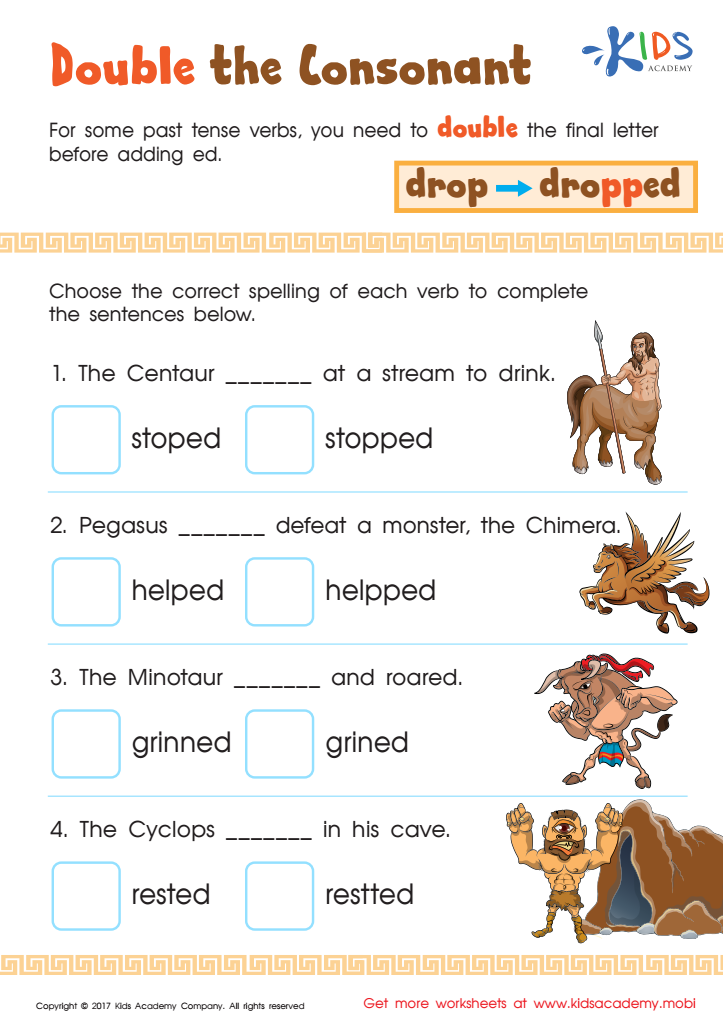
Double Consonant Spelling Worksheet
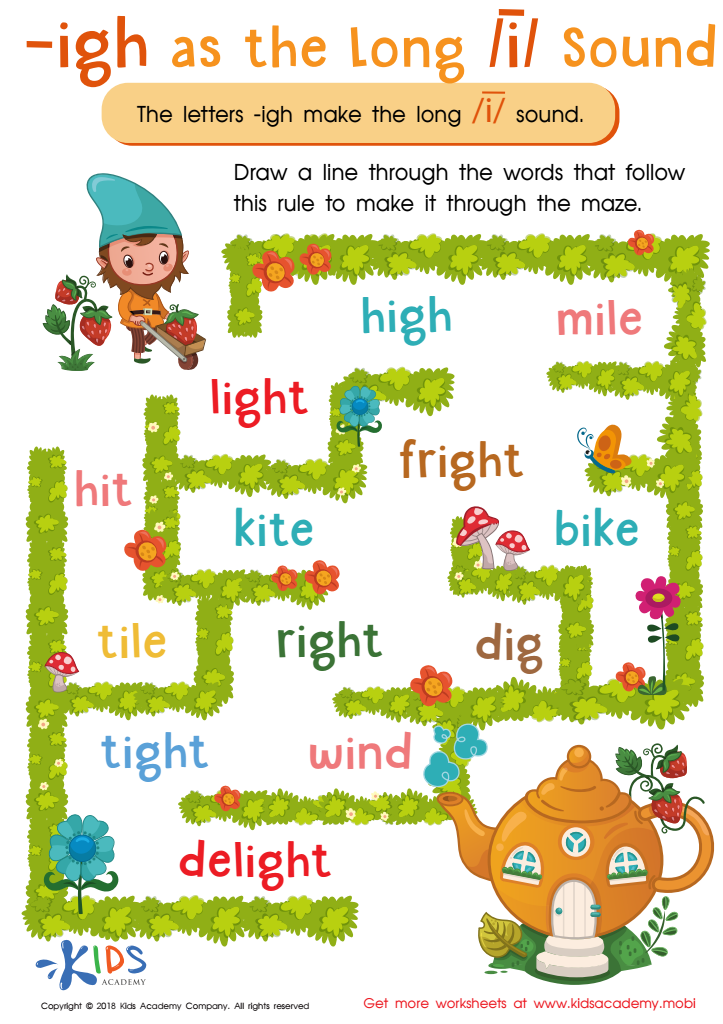
Reading: IGH as Long I Worksheet
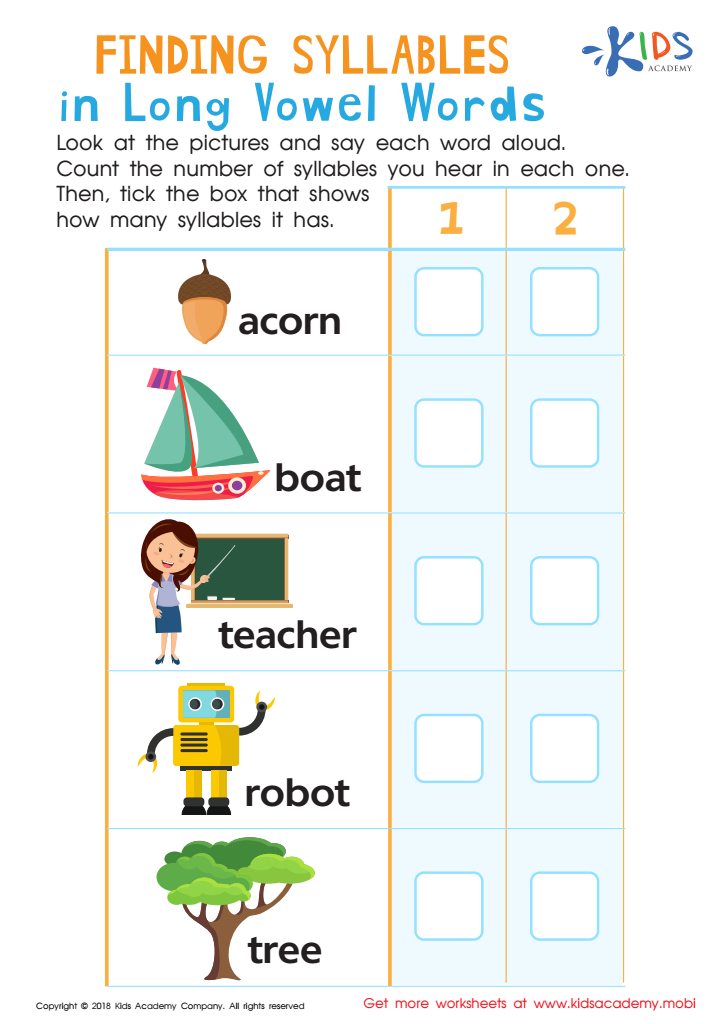
Finding Syllables in Long Vowel Words Worksheet
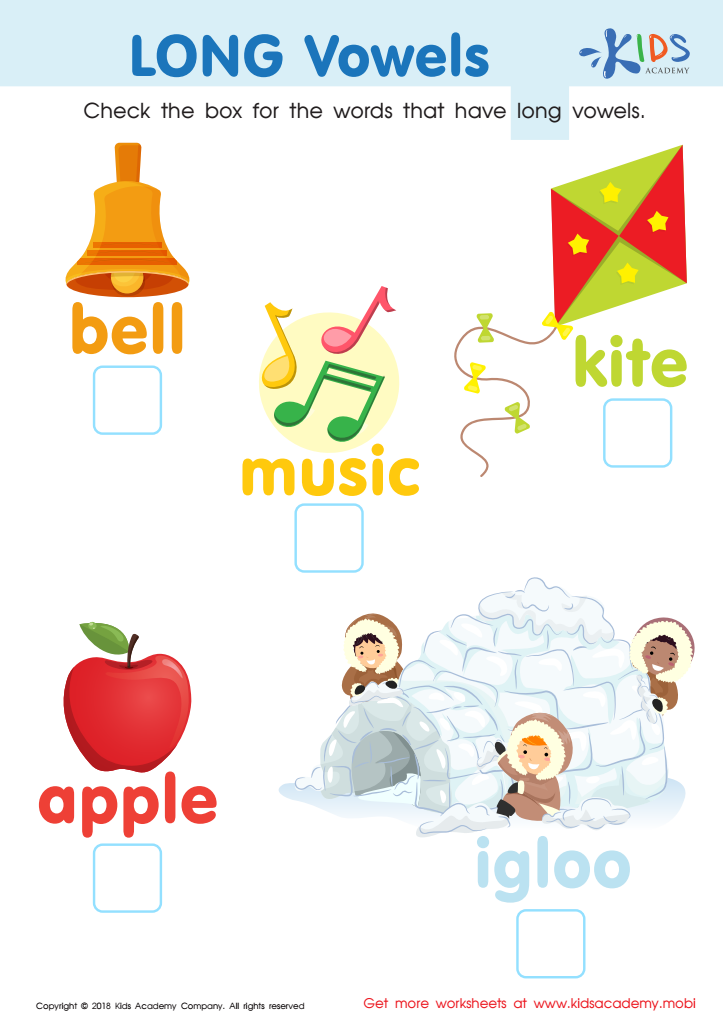
long vowels Worksheet



Understanding vowels and consonants is crucial for children aged 3-8 because it lays the foundation for literacy and effective communication. At this early age, children are in a critical period of cognitive and language development. Knowing the differences between vowels and consonants helps in building phonemic awareness, which is the ability to hear, identify, and manipulate individual sounds in spoken words.
Phonemic awareness is essential for learning to read and spell. For instance, vowels are the building blocks of syllables, and most English words are structured around consonants and vowels working together. When children learn to distinguish these, they become more adept at forming words and sentences. This foundational knowledge helps them decode new words, increasing their reading fluency and comprehension.
Additionally, pronunciation and enunciation are significantly improved when children understand vowel and consonant sounds. This can lead to enhanced communication skills, making it easier for them to express their thoughts and needs clearly.
Parents and teachers who emphasize and engage children in learning vowels and consonants contribute to their overall academic success and confidence. Activities like alphabet games, song, and practice with reading can make this learning fun and effective, ensuring that children are well-prepared for future educational challenges.







