Sight Words Worksheets for Ages 4-7
14 filtered results
-
From - To
Enhance your child's reading skills with our Sight Words Worksheets for ages 4-7! Designed to foster early literacy, these engaging worksheets help young learners recognize and master essential sight words. Each activity promotes vocabulary development through fun exercises that make learning enjoyable. Our comprehensive resource encourages practice, repetition, and creativity, crucial for early readers. From coloring and tracing to fill-in-the-blank and matching games, our worksheets cater to various learning styles. Perfect for at-home practice or supplementary classroom activities, these worksheets will boost confidence and proficiency in reading. Download and help your child embark on a joyful reading journey today!
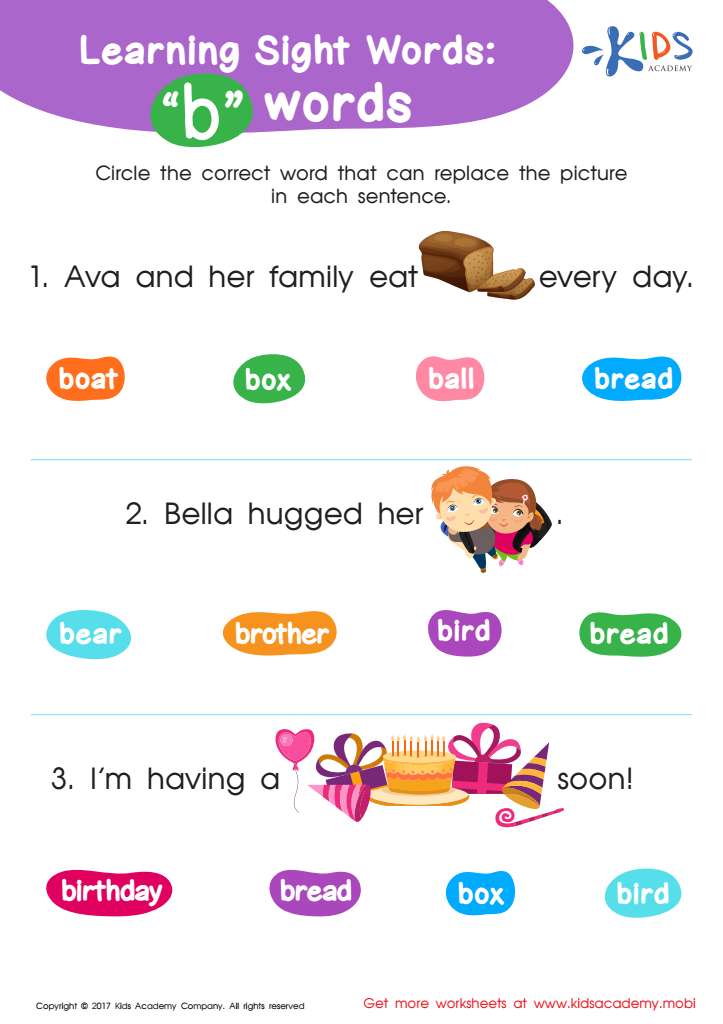
Sight Words Free Worksheet – B Words
 Assign to My Students





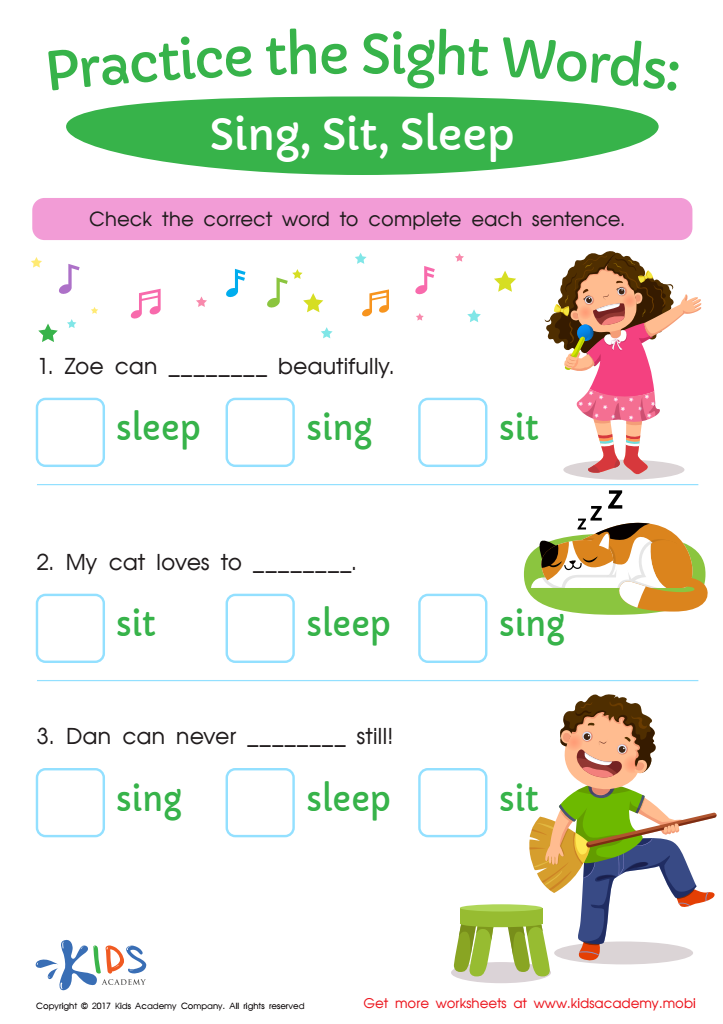
Sing, Sit, Sleep Sight Words Worksheet
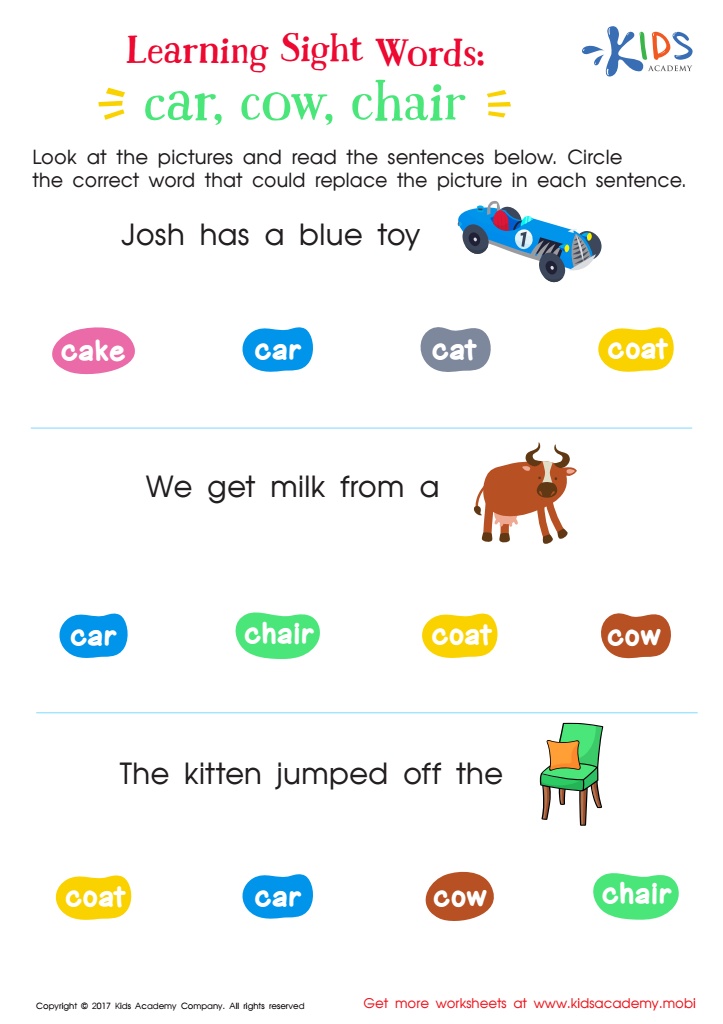
Car, Cow, Chair Worksheet Sight Words Worksheet
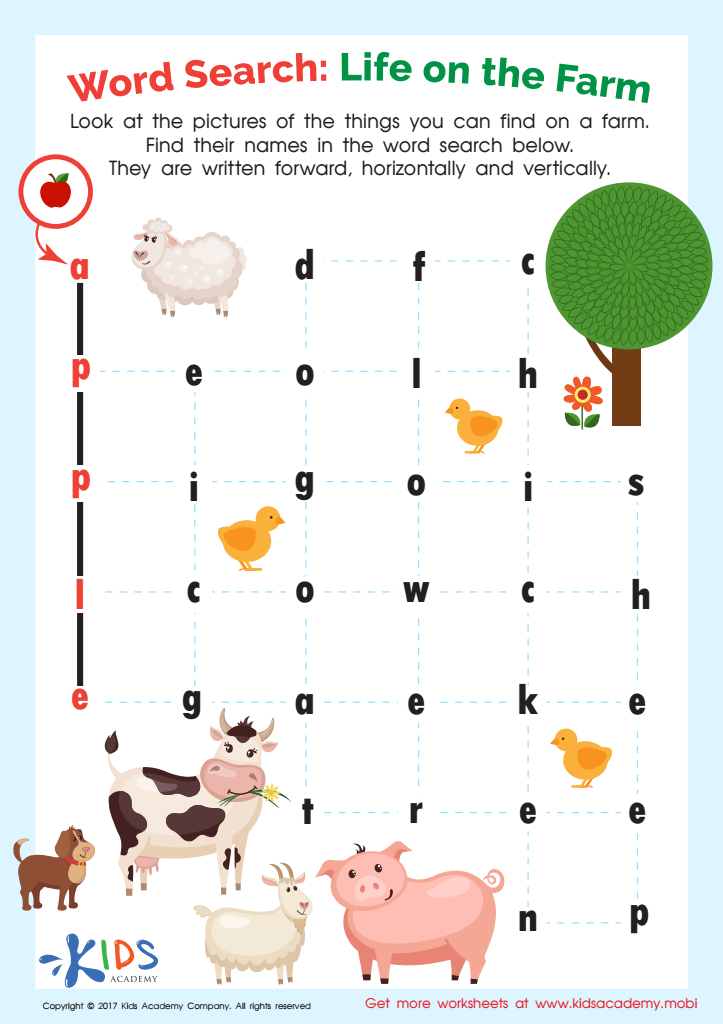
Word Search Puzzles Worksheet
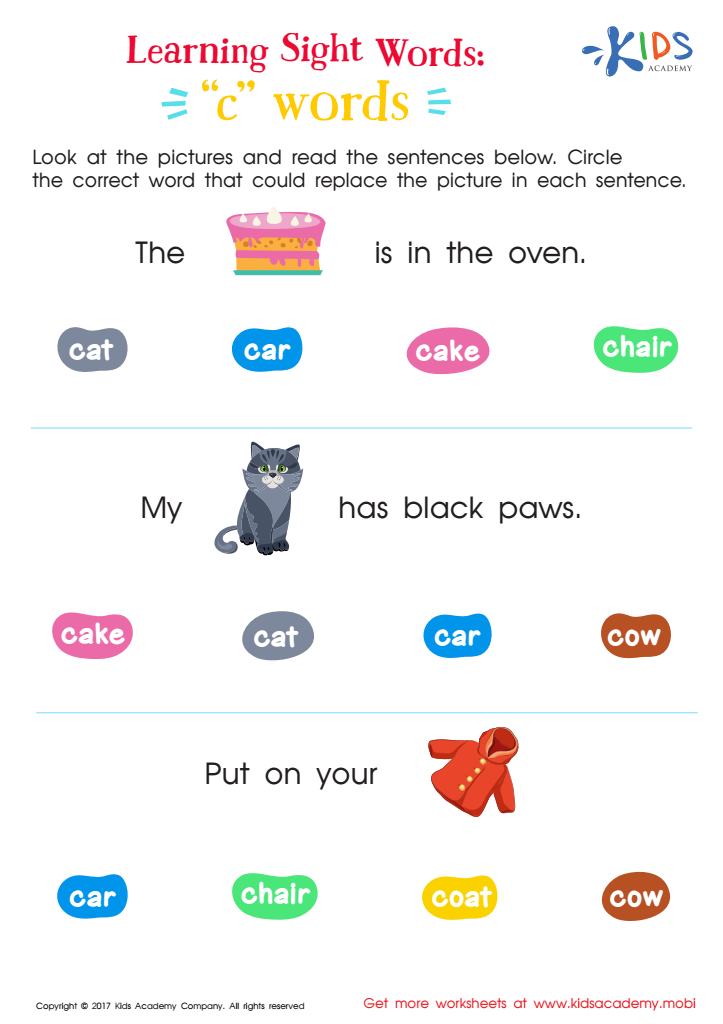
"C" Words Printable Sight Words Worksheet
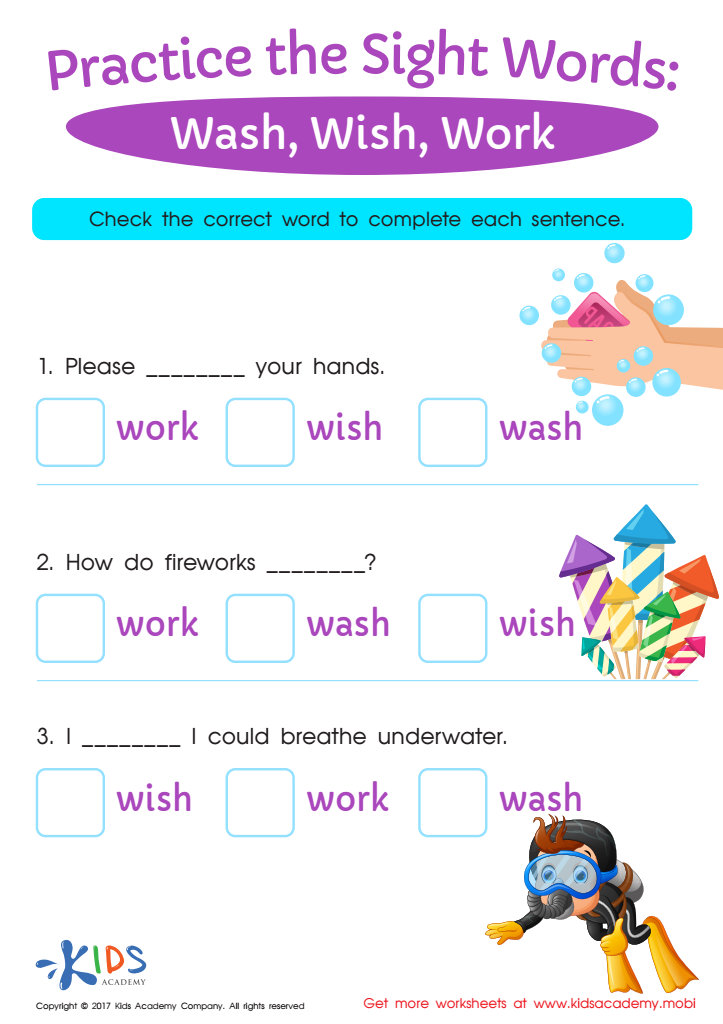
Wash, Wish, Work Sight Words Worksheet
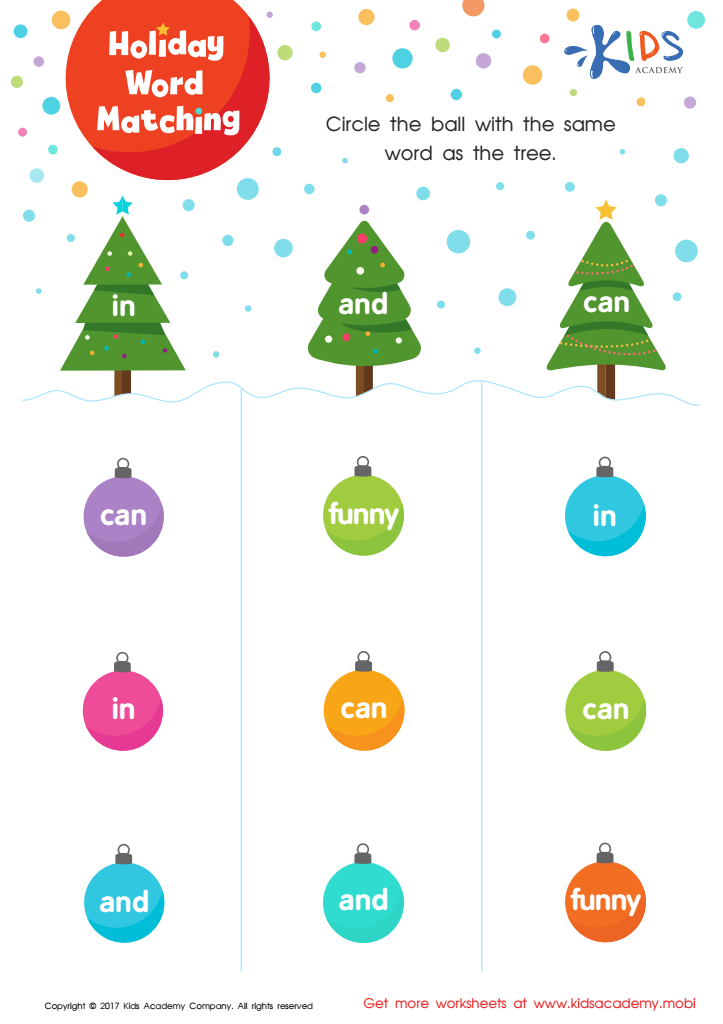
Holiday Word Matching Worksheet
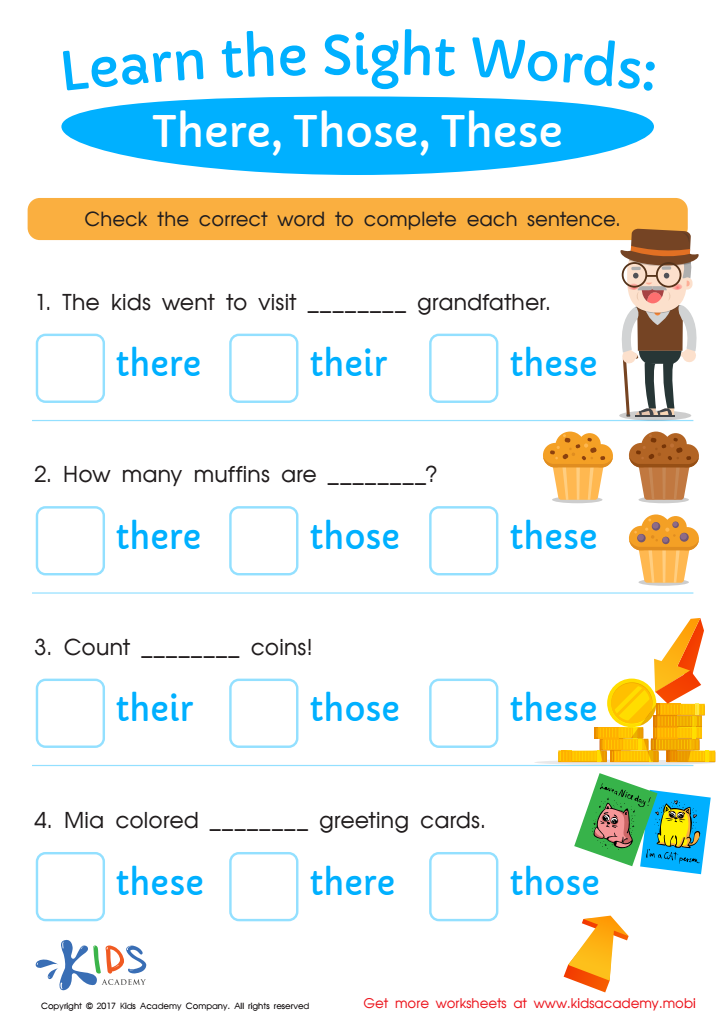
There, Those and These Sight Words Worksheet
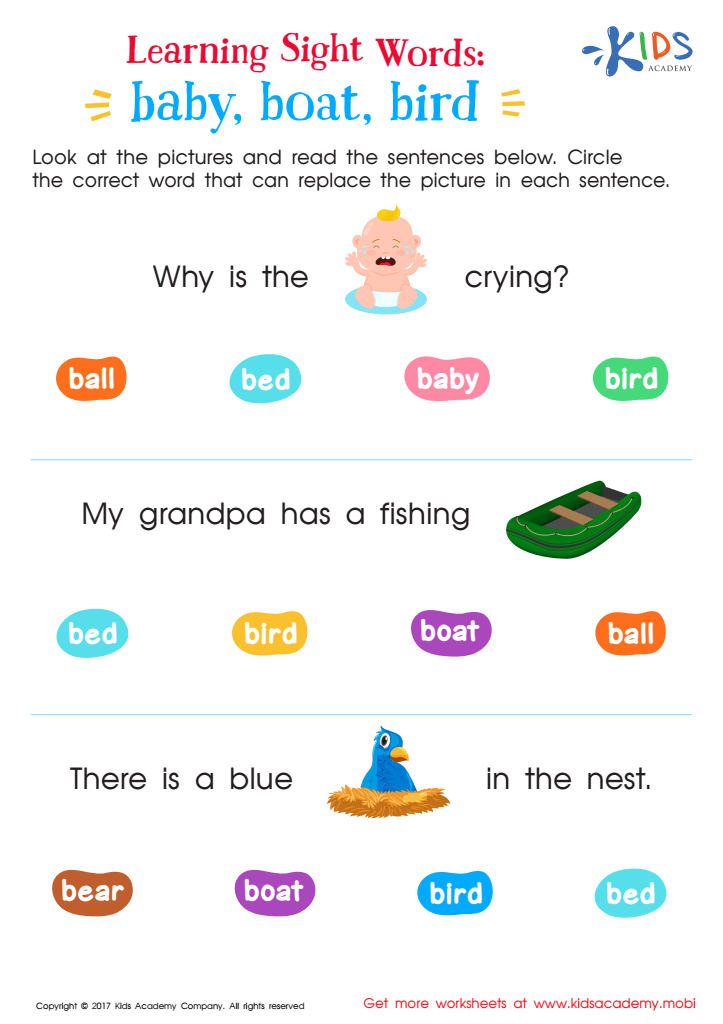
Baby, Boat, Bird Worksheet Sight Words Worksheet
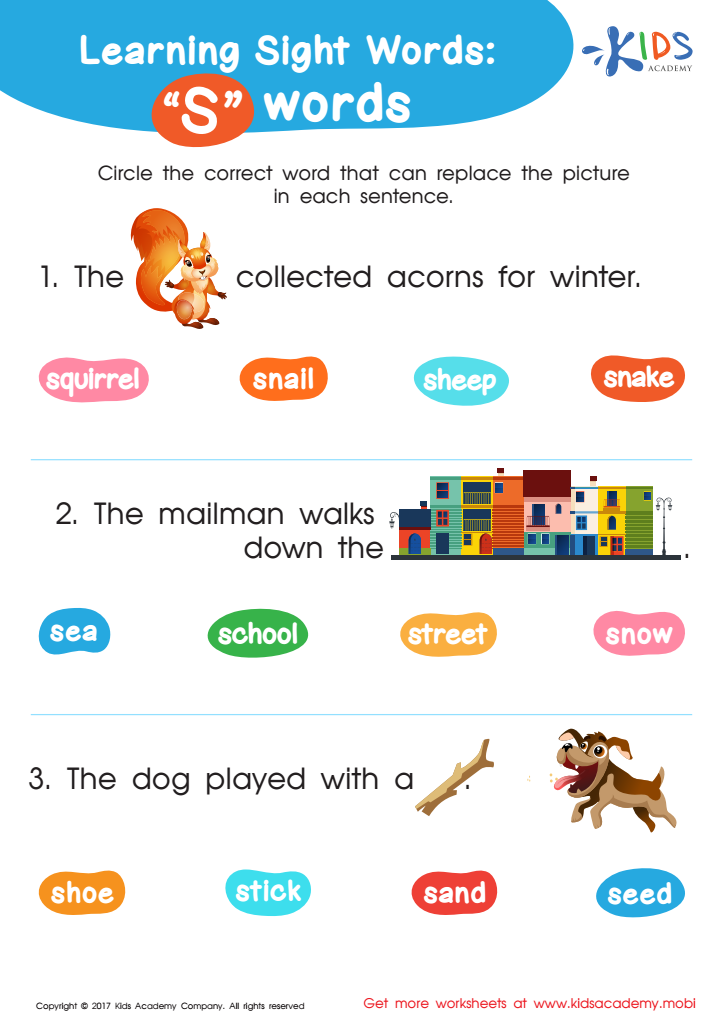
S Words Sight Words Worksheet
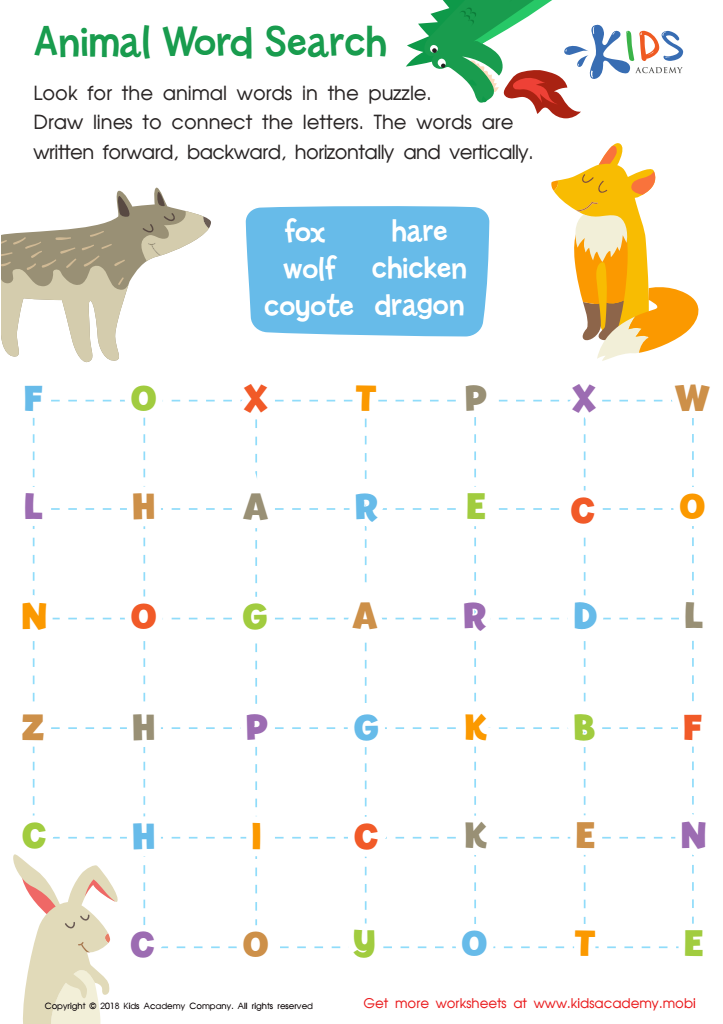
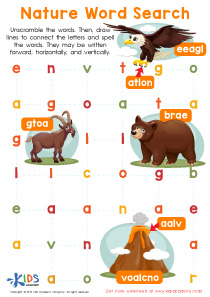
Animal Word Search Worksheet
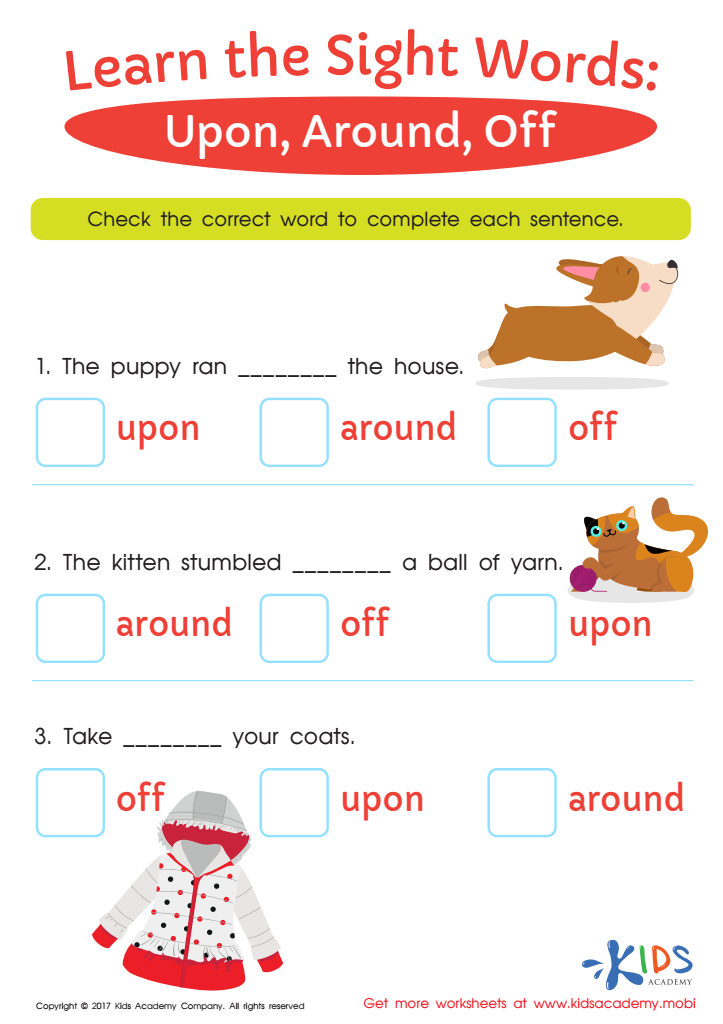
Upon, Around, Off Sight Words Worksheet
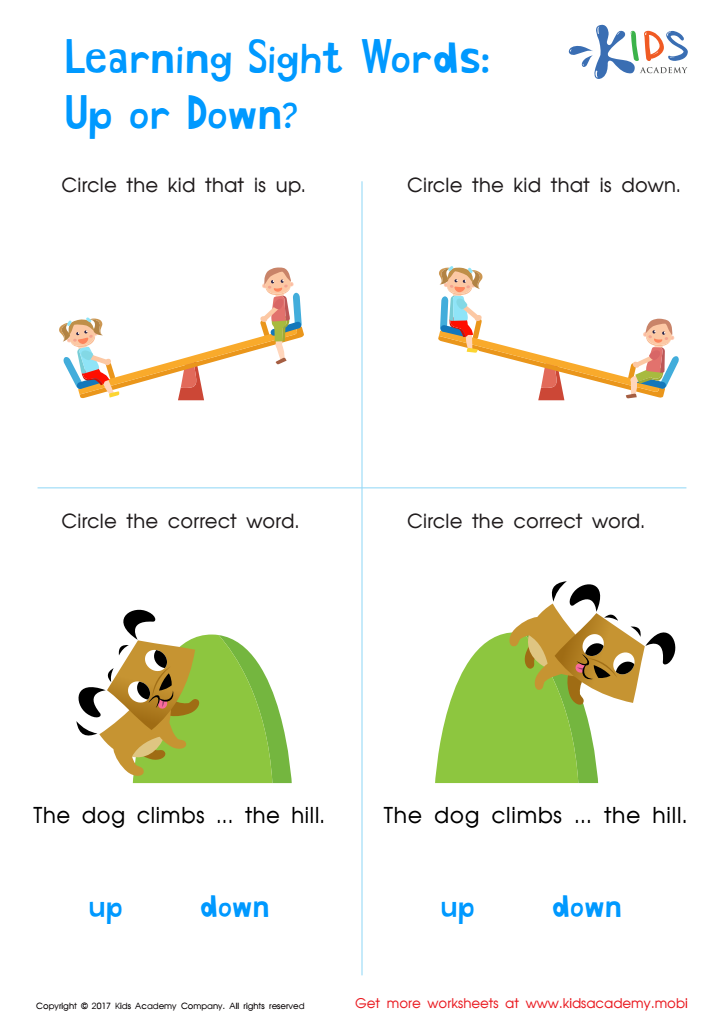
Up or Down Printable Sight Words Worksheet







Sight words are fundamental components of early literacy development for children aged 4 to 7. These words, often encountered frequently in written language but not easily decodable, form the foundation for reading fluency. Parents and teachers should care about sight words for several reasons.
Firstly, recognizing sight words allows children to read more quickly and confidently, reducing the cognitive load associated with decoding. This increased fluency enables them to focus on understanding the text rather than grappling with individual words.
Secondly, sight words often appear in high-frequency texts, meaning that a strong grasp of these words helps children access a vast array of reading materials. This access is crucial for developing a love for reading, as children are more likely to engage with books they can read independently.
Additionally, familiarity with sight words is essential for developing overall language skills. As children build their vocabulary through these commonly used words, they improve their ability to express themselves both in writing and verbally.
Ultimately, integrating sight word practice into daily routines empowers children to become confident readers, setting them on a positive trajectory for academic success and fostering lifelong learning habits. Involving parents and teachers creates a collaborative approach, accelerating learning outcomes for young readers.