Letter R Worksheets for Ages 5-8
3 filtered results
-
From - To
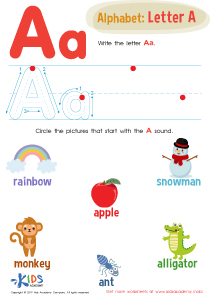
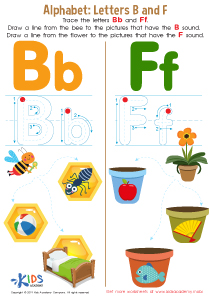
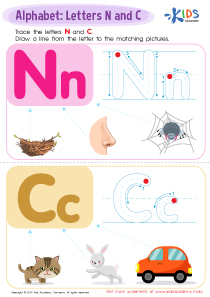
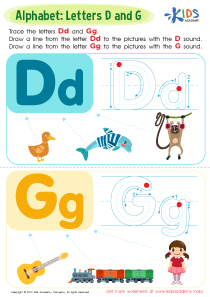
Discover an engaging collection of Letter R Worksheets specially designed for ages 5-8! Perfect for young learners, these worksheets enhance letter recognition, writing skills, and phonetic understanding of the letter R. Each worksheet includes fun and educational activities like tracing, dotted lines for practice, coloring exercises, and matching games, making learning the alphabet interactive and enjoyable. The trusted content aids children in building a strong literacy foundation through engaging and effective methods. Ideal for parents, teachers, or homeschoolers, these worksheets are your ultimate resource for fostering early reading and writing success. Download now and watch your child's progress soar!
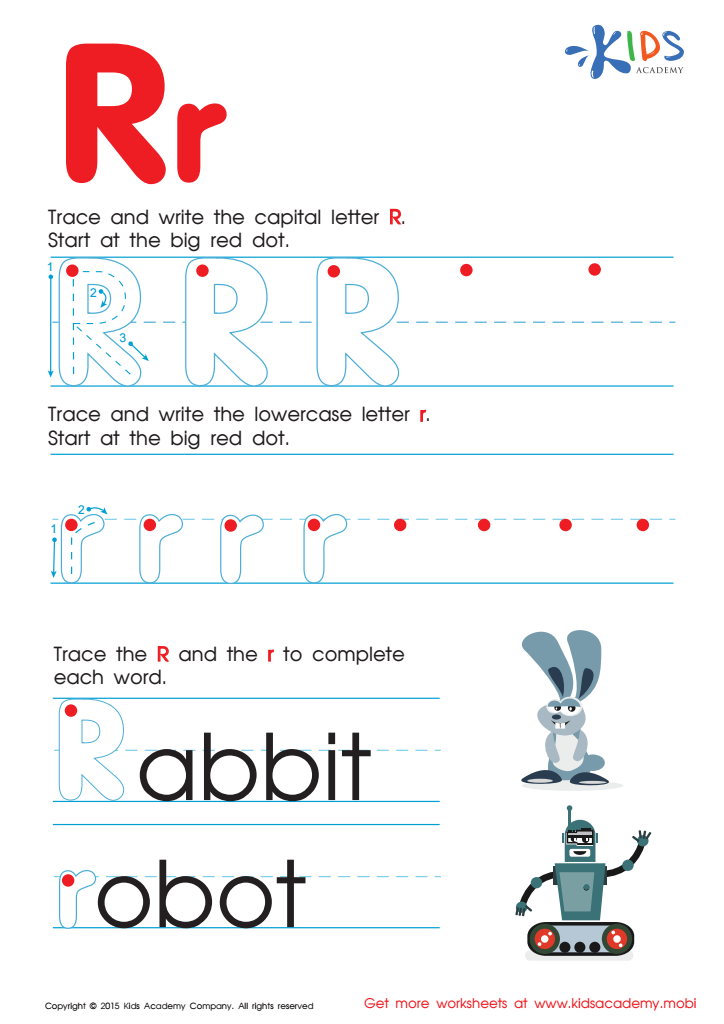
Letter R Tracing Page
 Assign to My Students
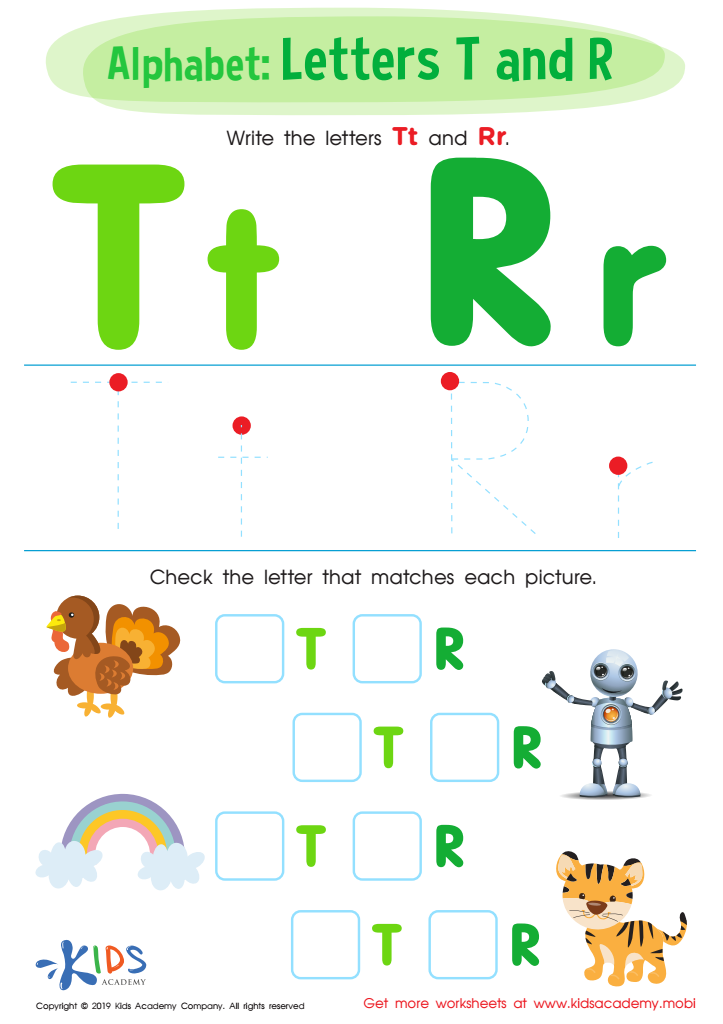
Letters T and R Worksheet
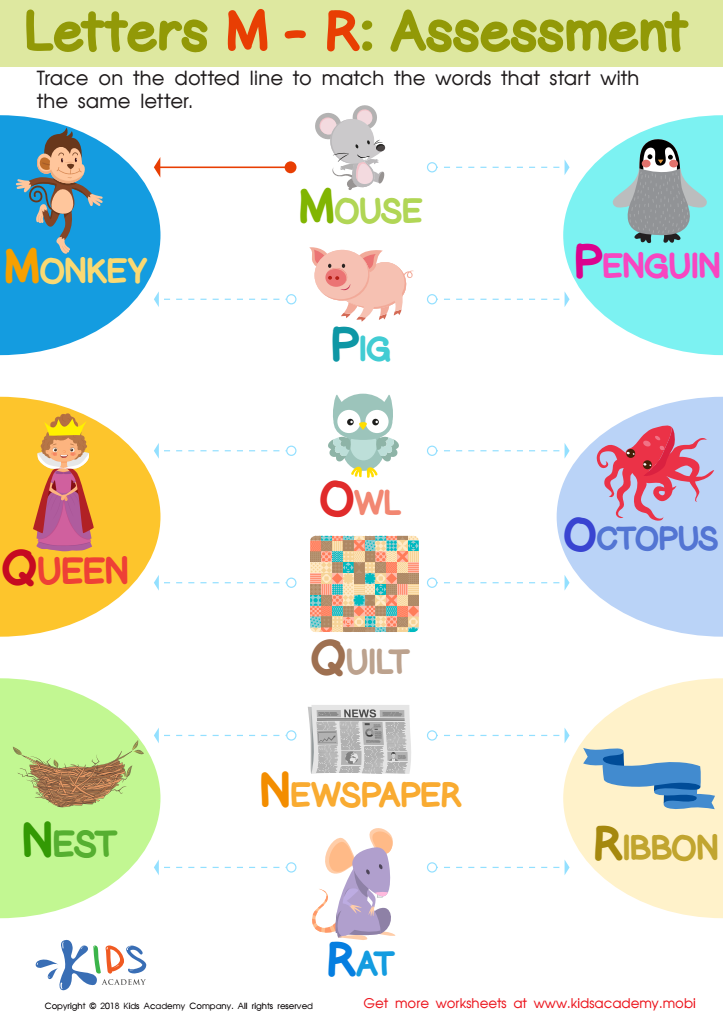
Letters M-R Tracing Worksheet






The letter "R" holds significant importance for children ages 5-8 due to its unique status in early language and literacy development. At this age, children are honing their reading and writing skills, and mastering the letter "R" can be particularly challenging but rewarding.
Firstly, "R" is common in English; its presence in many words means that recognizing and pronouncing it correctly boosts overall reading abilities. When children aptly identify and use "R," they can more easily decode and understand words, contributing to expanded vocabularies and better reading comprehension.
Secondly, the sound "R" differs based on its position in words (initial, medial, or final). Understanding these variations equips children for more accurate pronunciation—a critical aspect of effective communication. Speech therapists often observe difficulties with "R" pronunciation, making it important to address during precise early learning.
Furthermore, writing the uppercase ("R") and lowercase ("r") letters involves mastering different motor skills. Learning this builds hand-eye coordination and fine motor abilities essential for broader writing tasks.
By focusing on the letter "R," parents and teachers help children grasp important language skills, seamlessly transition to fluent reading, and confidently engage in classroom activities. This supportive attention during formative years lays a robust foundation for future academic success.