Long Vowels Worksheets for Ages 6-8 - Page 2
29 filtered results
-
From - To
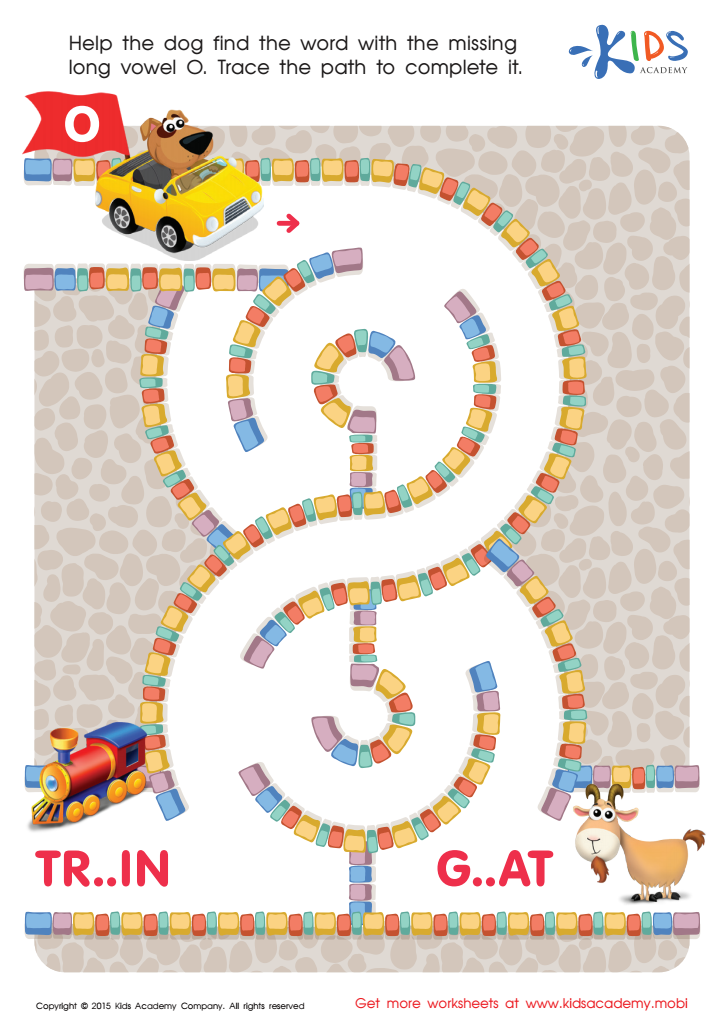
Long Vowel Sound O Worksheet
 Assign to My Students
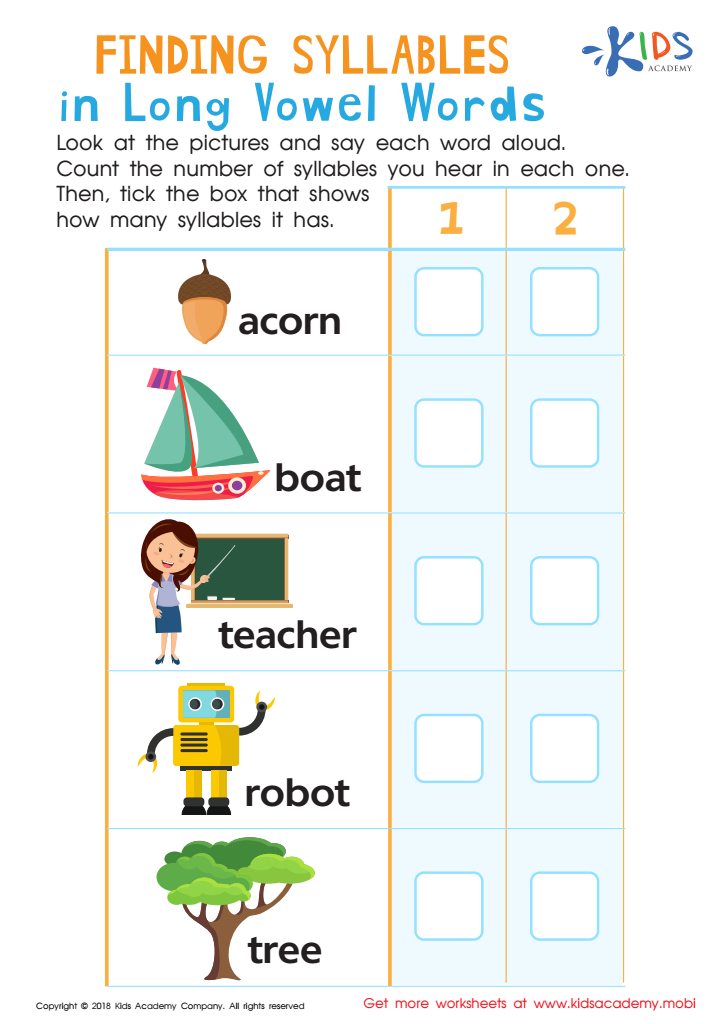
Finding Syllables in Long Vowel Words Worksheet
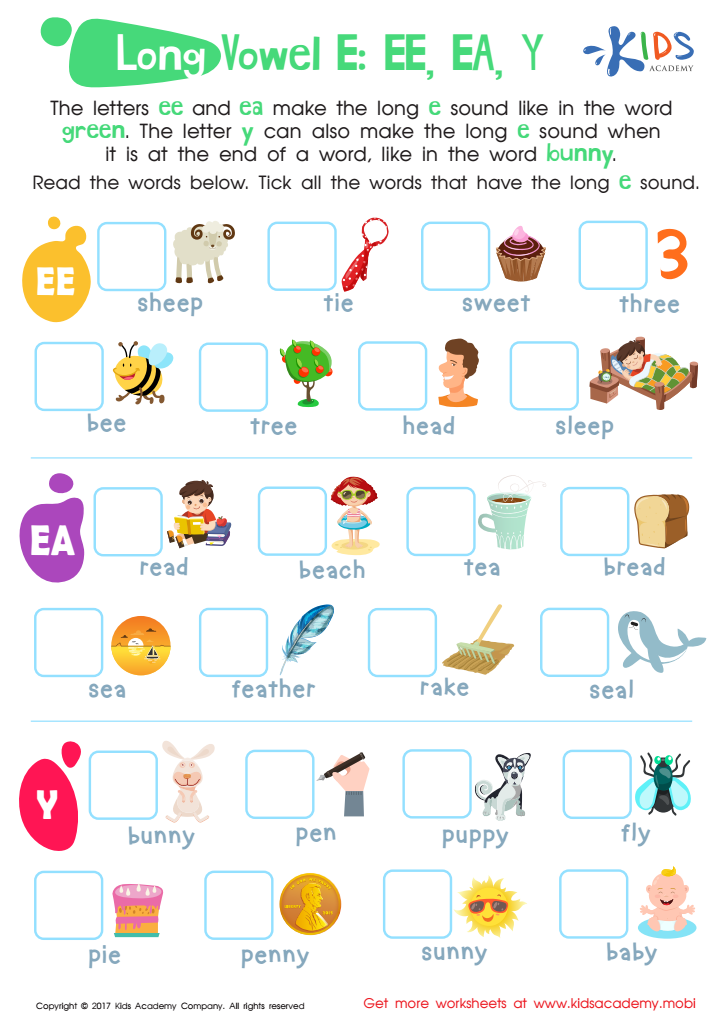
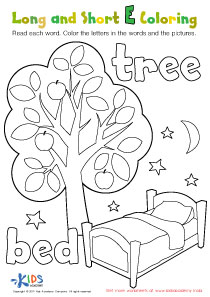
Long Vowel E Printable
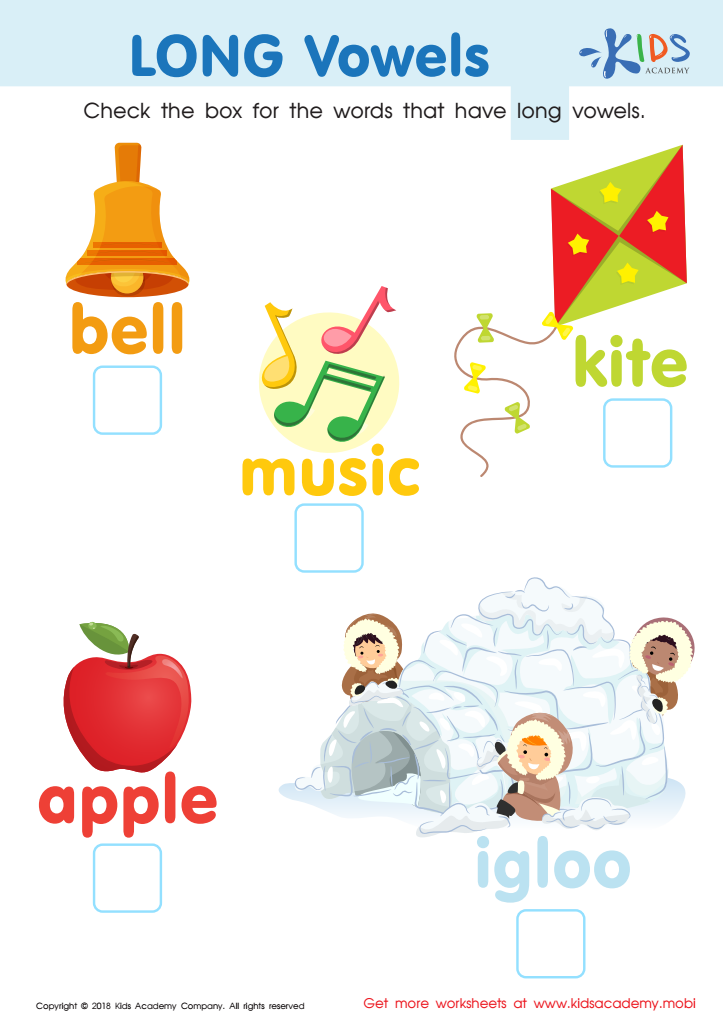
long vowels Worksheet
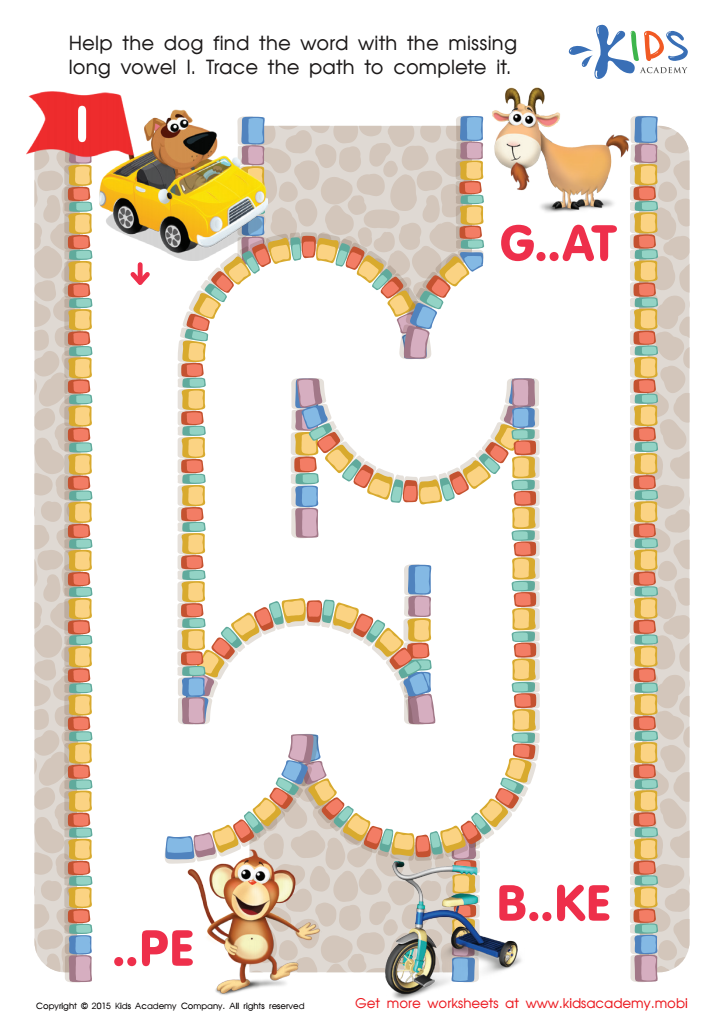
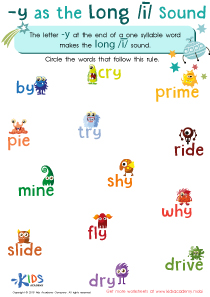
Long Vowel Sound I Worksheet



Understanding long vowels is crucial for children aged 6-8 as it forms the foundation of effective reading and writing skills. Long vowels, where the vowel sounds are pronounced the same as their names (like 'a' in "cake" or 'e' in "see"), play a significant role in phonics, which is essential for unlocking the complexities of the English language. Mastery of long vowels enables children to decode words confidently, enhancing their reading fluency.
When children grasp the concept of long vowels, they can make logical connections between letters and sounds, which aids in spelling. This linking not only improves their writing abilities but also boosts their overall literacy levels. Importantly, when teachers and parents emphasize long vowels, they create a framework for vocabulary expansion, providing children with a wider array of words to use as they engage with texts and express themselves creatively.
Moreover, recognizing long vowel patterns helps in developing critical thinking skills, as children learn to categorize and analyze different word forms. In summary, fostering a strong understanding of long vowels empowers children in their literacy journey while preparing them to become confident readers and communicators. It's a vital goal for parents and educators alike.