Phonics Worksheets for Ages 6-8 - Page 9
198 filtered results
-
From - To
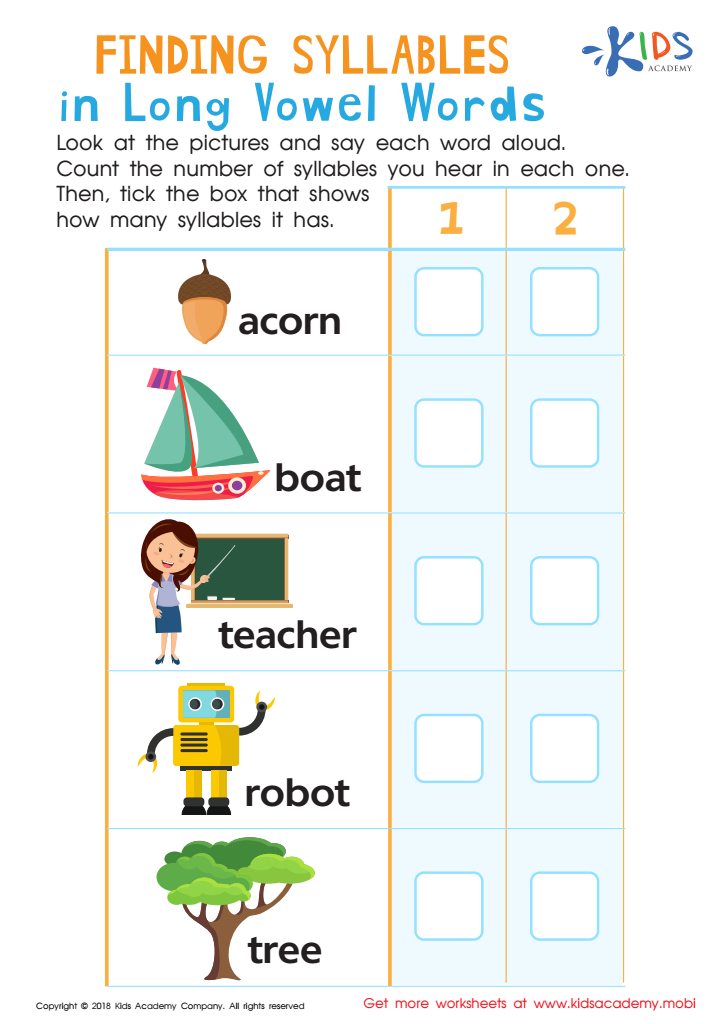
Finding Syllables in Long Vowel Words Worksheet
 Assign to My Students
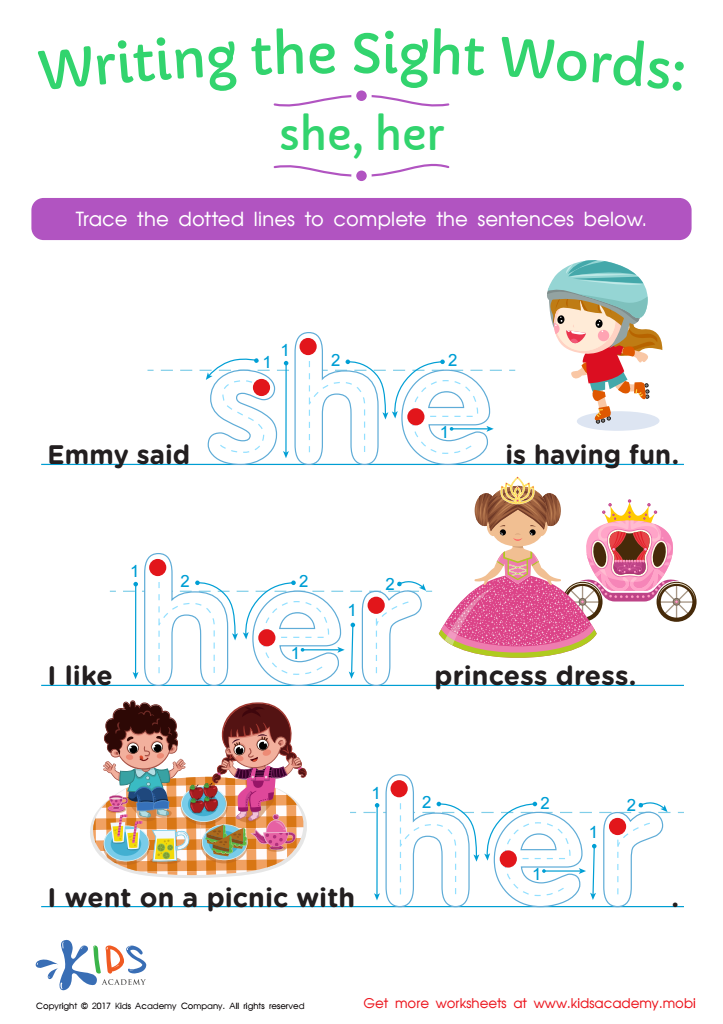
She, Her Printable Sight Words Worksheet
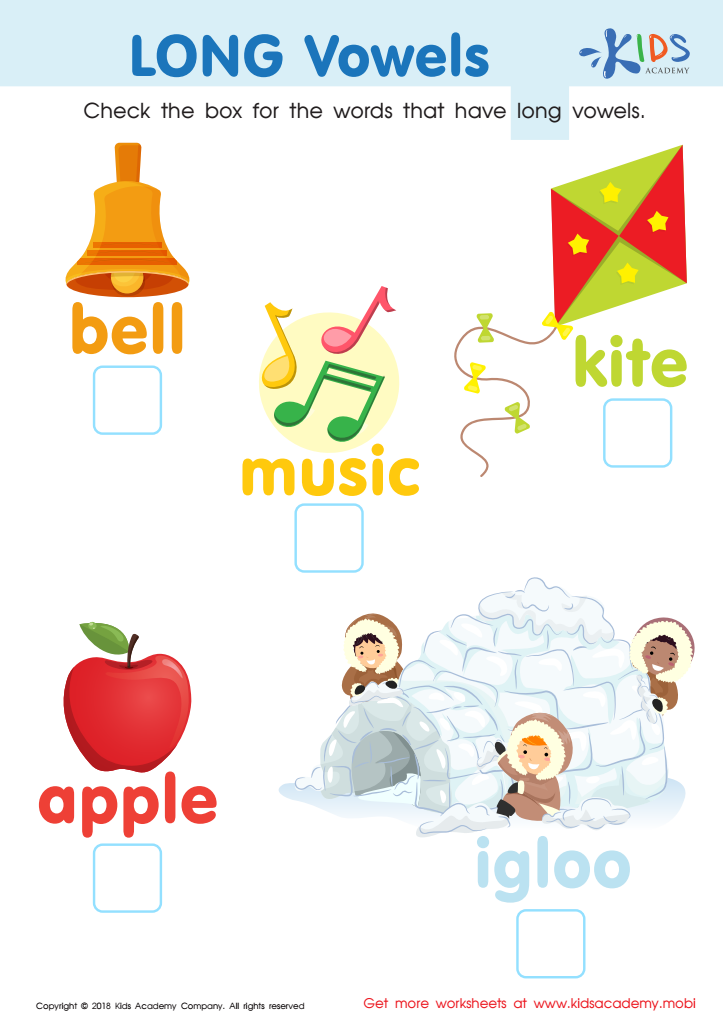
long vowels Worksheet
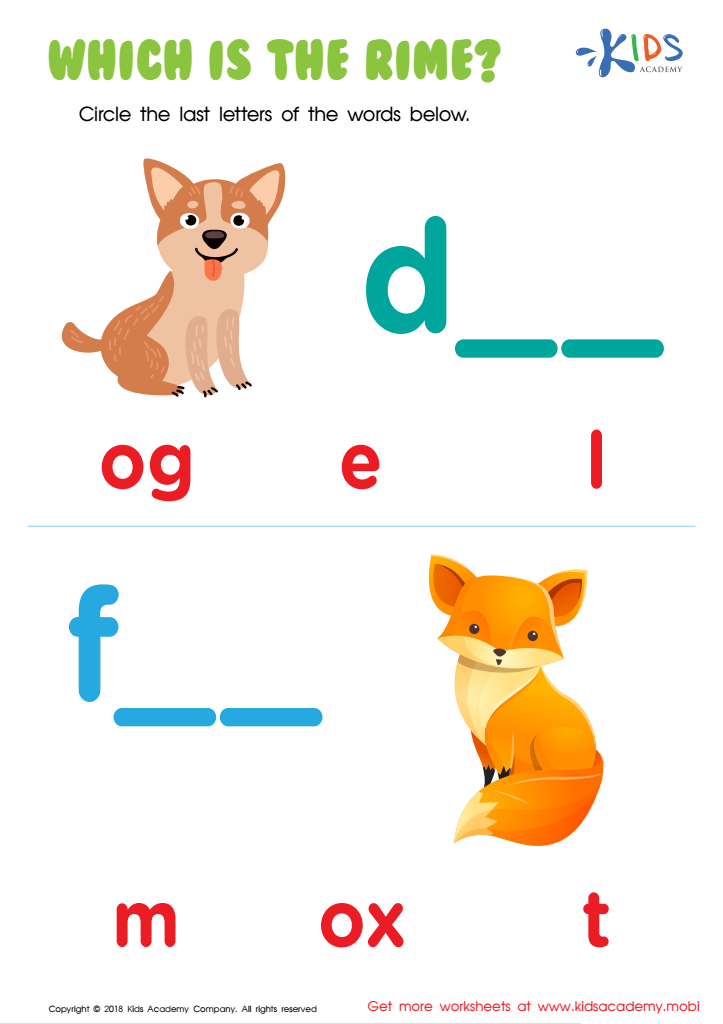
Which Is the Rime? Worksheet
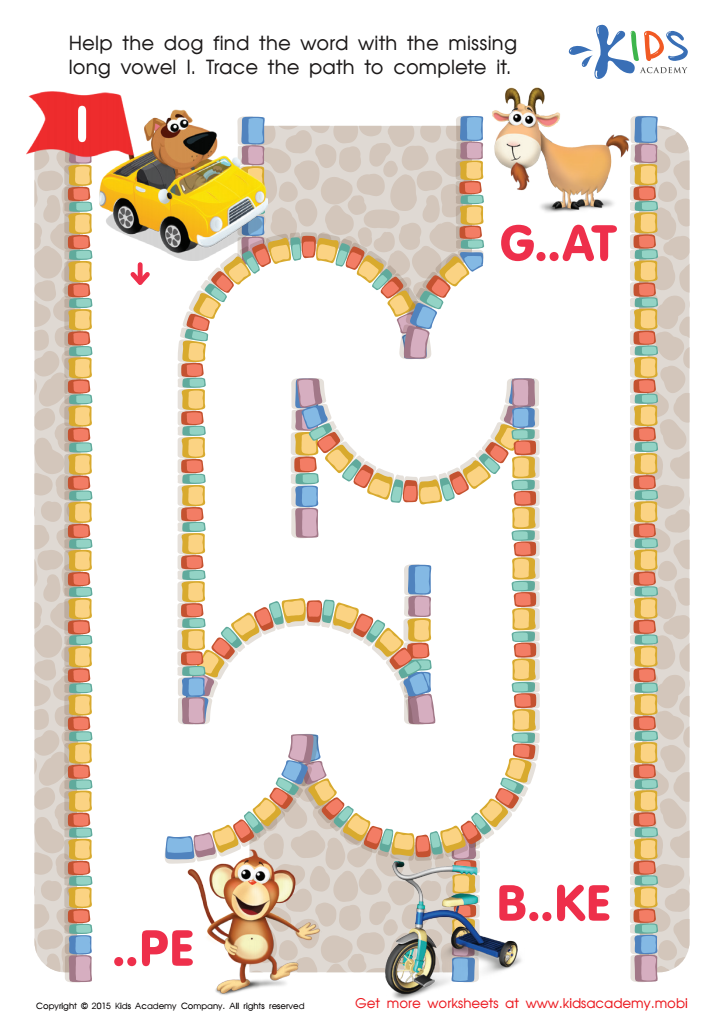
Long Vowel Sound I Worksheet
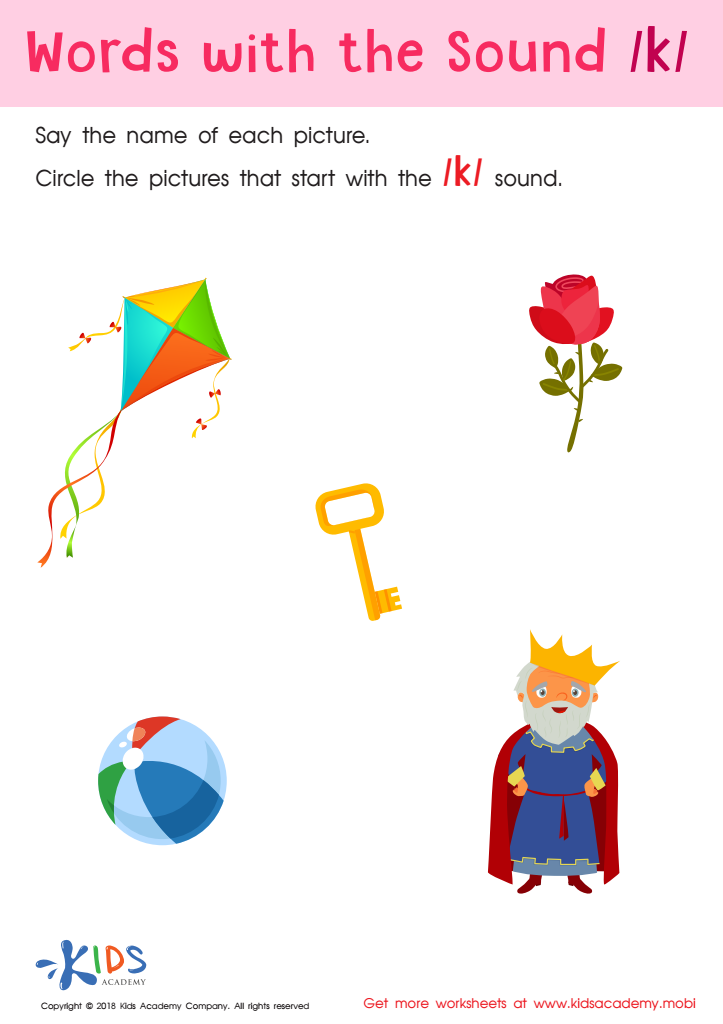
Words with sound k Reading Worksheet








Phonics is a crucial component of literacy development for children ages 6-8, as it forms the foundation for reading and writing skills. At this age, children are transitioning from learning to read to reading to learn, making phonics instruction vital. By understanding the relationships between sounds (phonemes) and letters (graphemes), children can decode unfamiliar words, enhancing their reading fluency and comprehension. This critical skill aids in building confidence, as children gain the ability to tackle different types of texts independently.
Furthermore, phonics instruction helps prevent reading difficulties that may occur later in life. A strong phonics base encourages spelling skills, which in turn supports effective writing and communication. Parents and teachers who prioritize phonics are providing children with essential tools for academic success across all subjects.
In addition, phonics can support spelling development and enhance vocabulary acquisition as children become more familiar with how words are constructed. With a solid phonics background, children are equipped to approach complex, diverse texts with ease, fostering a lifelong love of reading and learning. Therefore, parents and teachers should care deeply about phonics instruction, as it lays the groundwork for future educational achievements and cognitive growth.







