Place Value Worksheets for Ages 6-8 - Page 4
74 filtered results
-
From - To
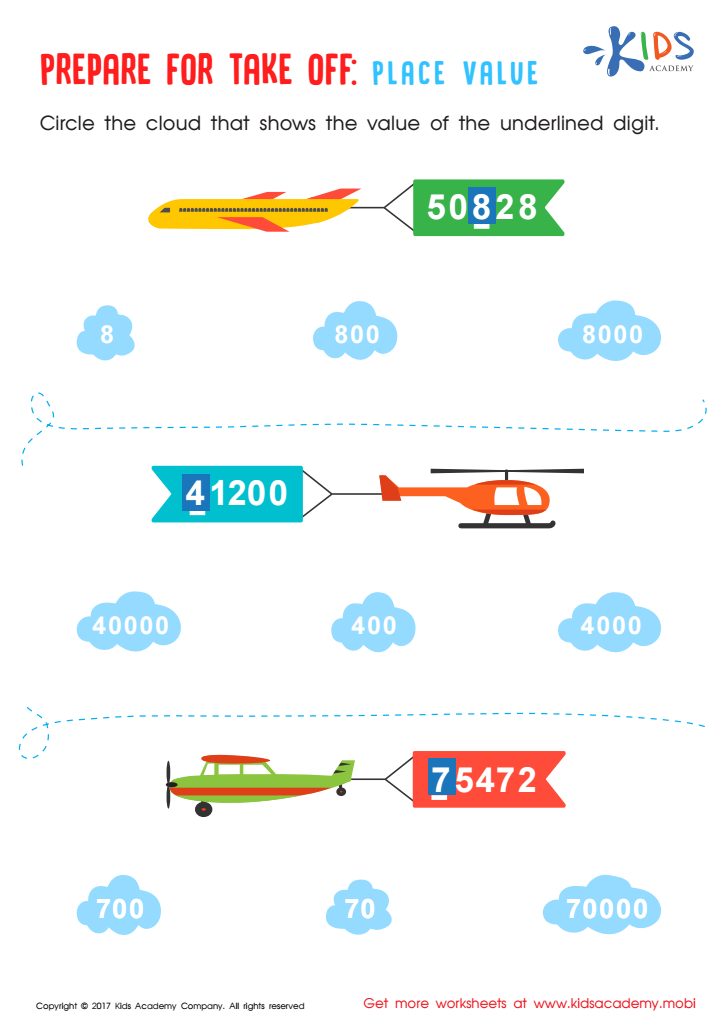
Free Place Value Worksheet for 3rd Grade
 Assign to My Students
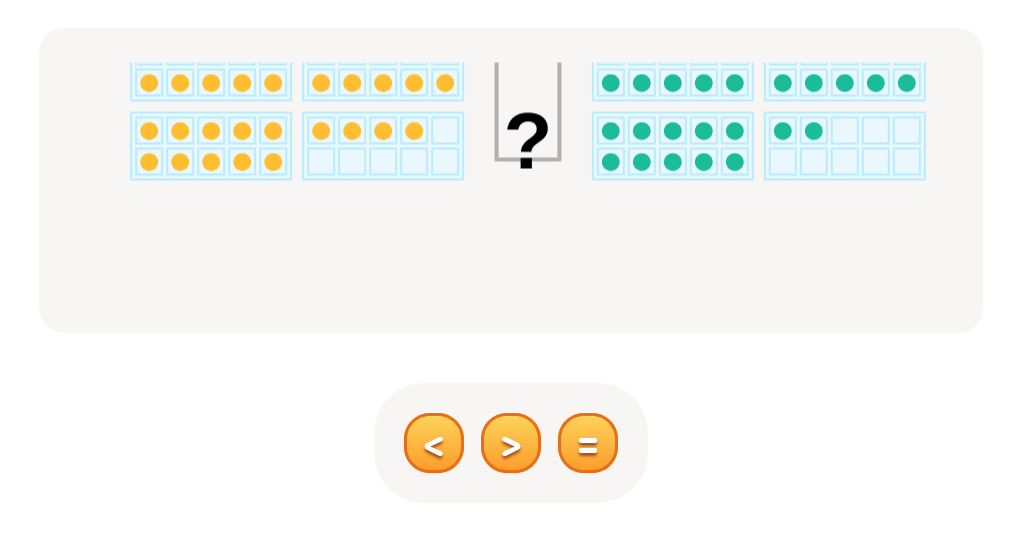

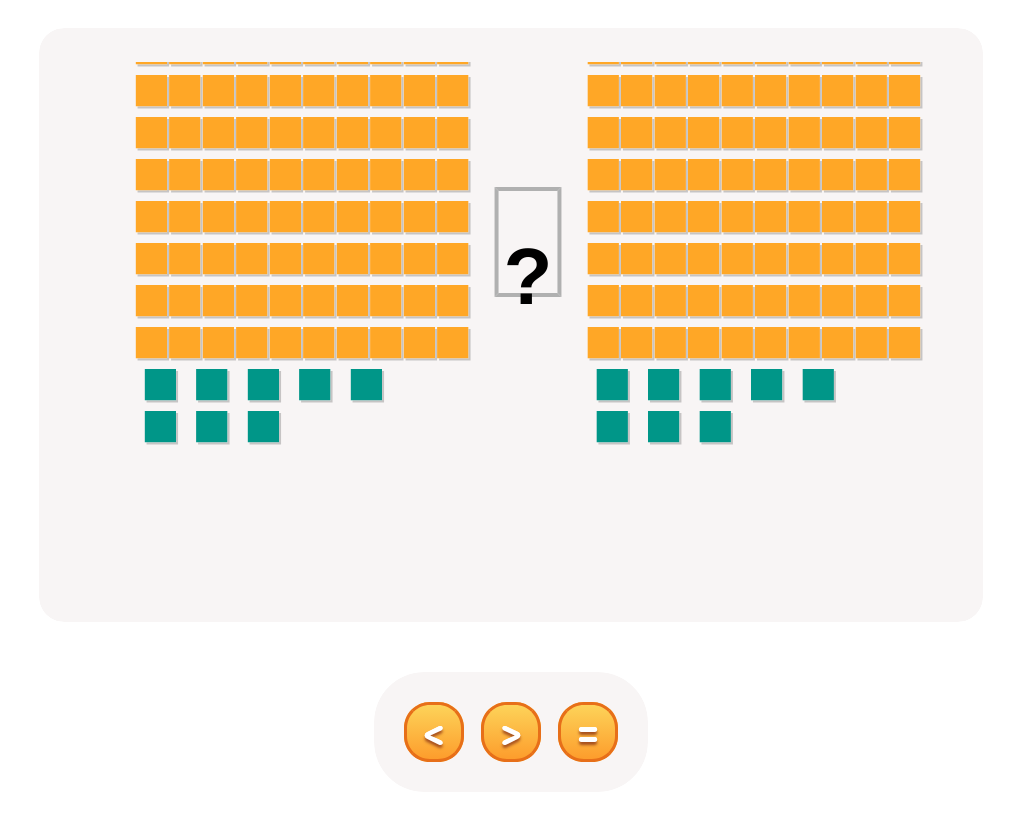
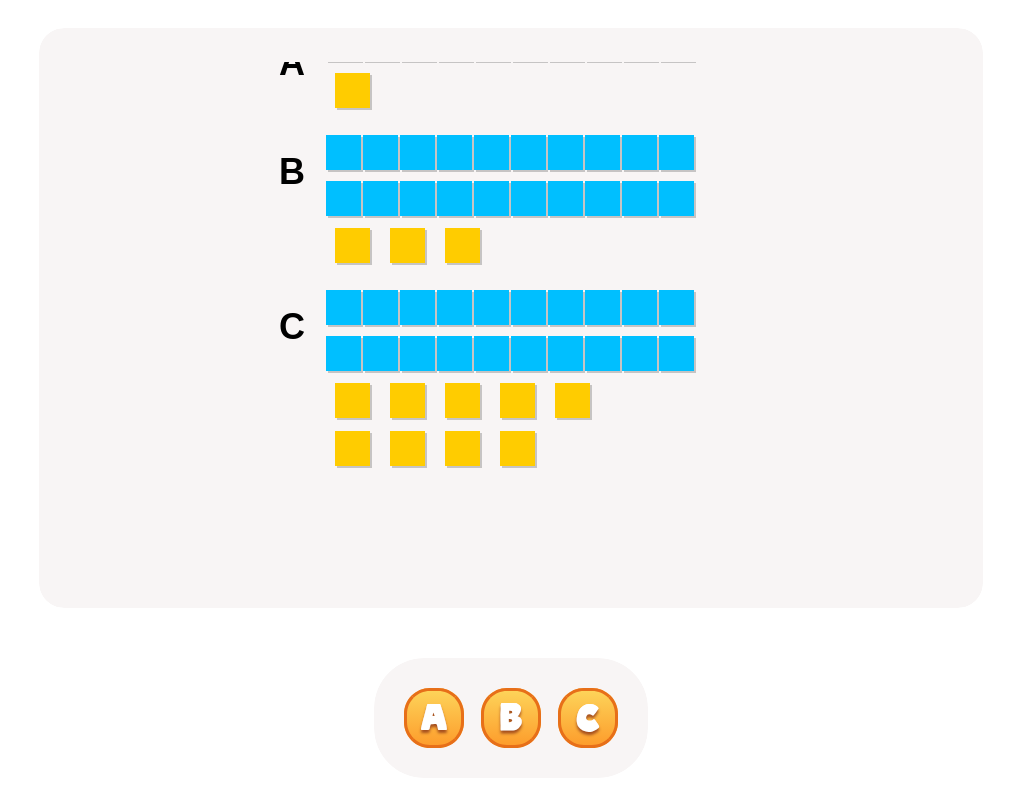
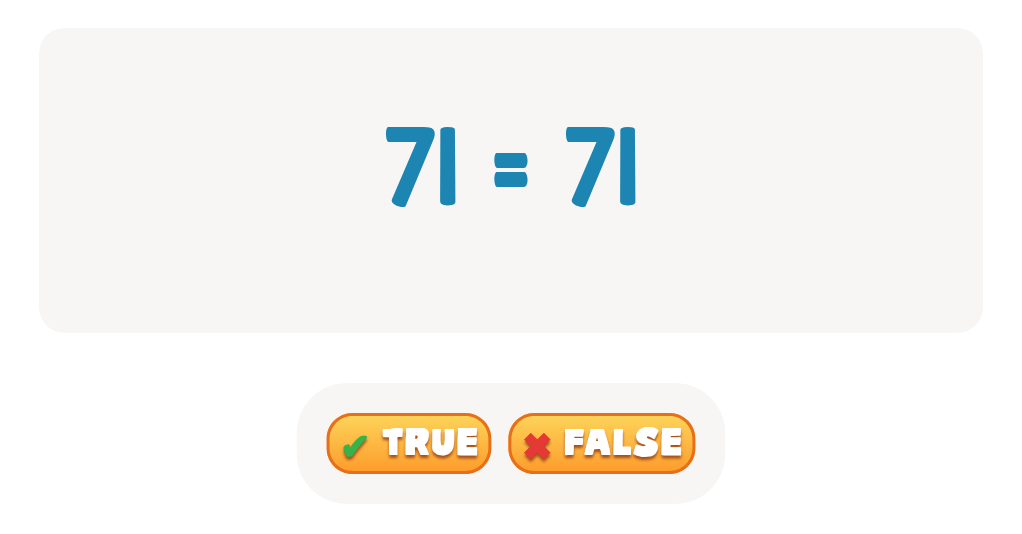
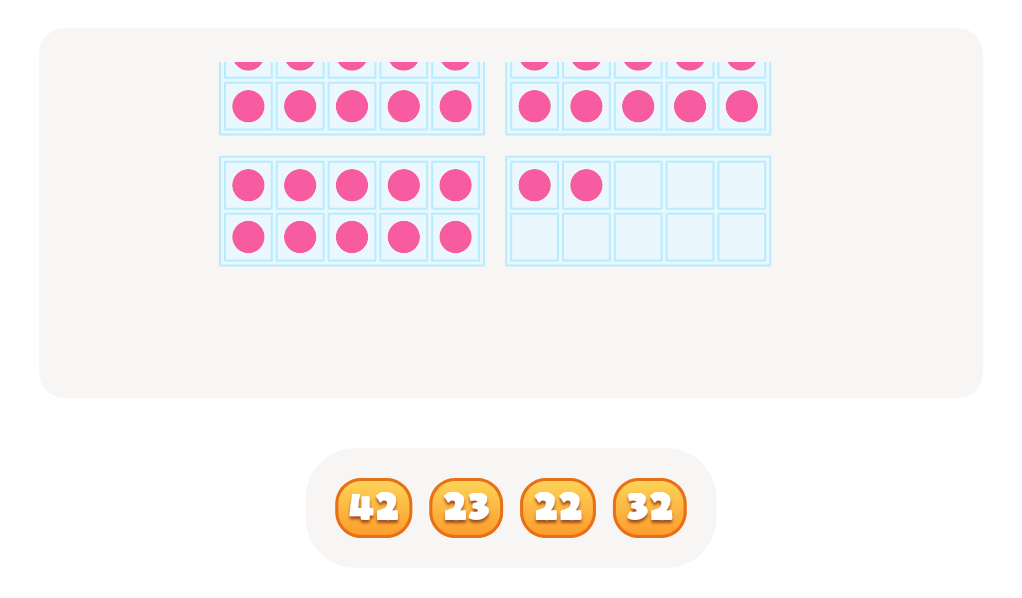
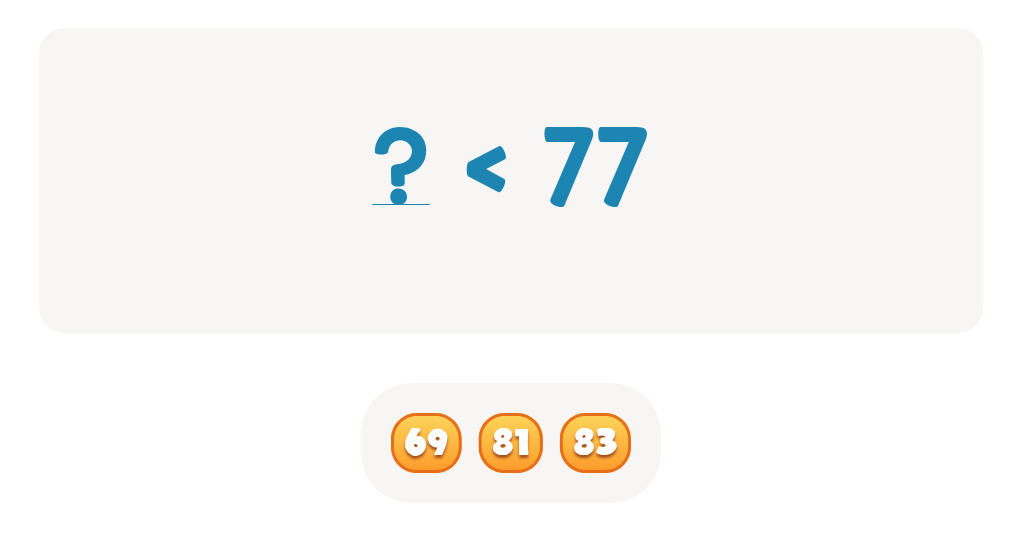
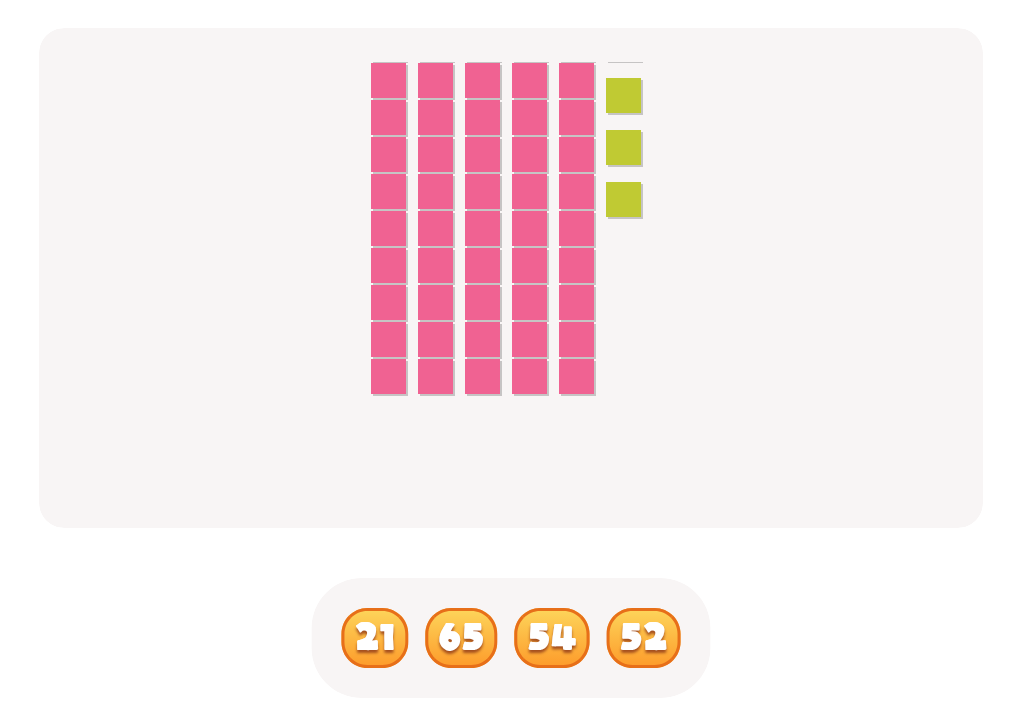
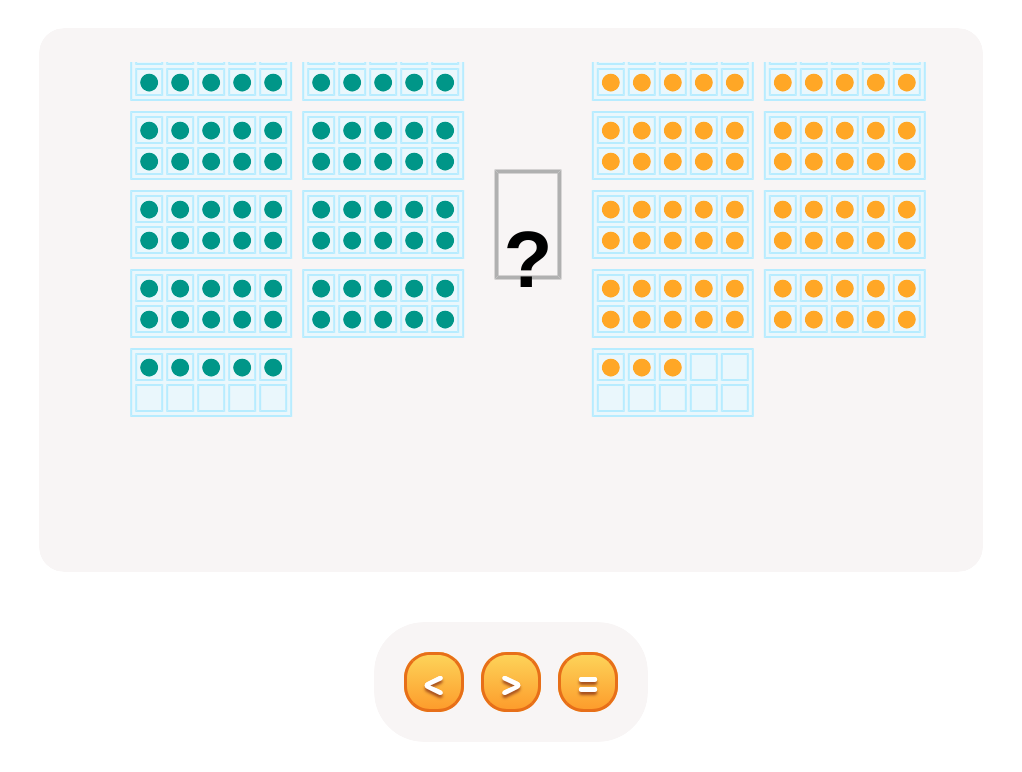
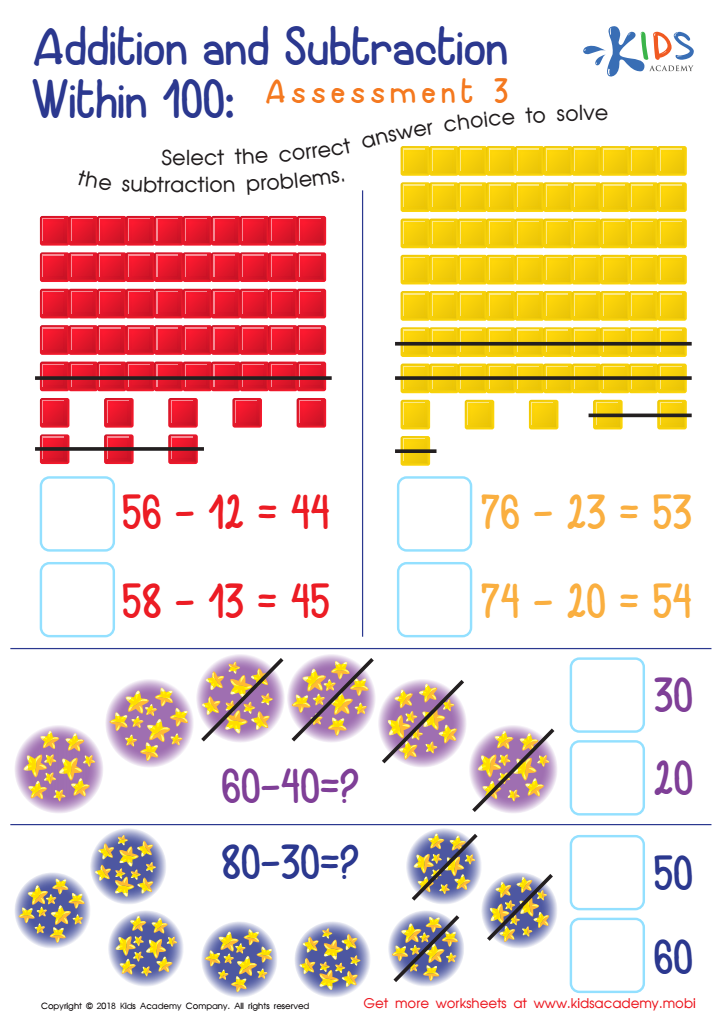
Addition and Subtraction Within 1: Assessment 3 Worksheet








Place value is a foundational concept in mathematics that is crucial for children aged 6-8 to understand. It lays the groundwork for all future math learning, including addition, subtraction, multiplication, and division. By comprehending place value, children learn that the position of a digit in a number determines its value—for example, in the number 45, the 4 represents 40, not just 4.
Understanding place value helps children grasp the idea of number magnitude, which makes them more proficient at estimating and comparing numbers. It shows how our decimal number system is based on powers of ten, which is integral to performing arithmetic operations effectively.
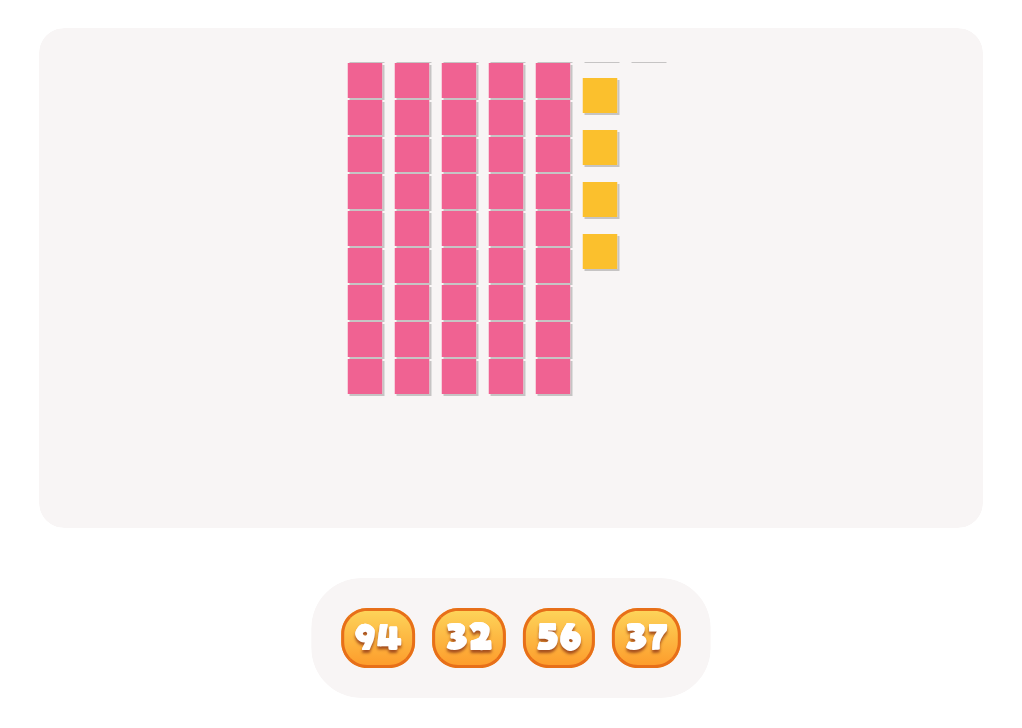
Moreover, an early grasp of place value can bolster a child's confidence and enthusiasm for math, reducing math anxiety. It turns abstract concepts into more accessible, tangible understandings through practical applications, such as using base-ten blocks or drawing simple diagrams.
For teachers, focusing on place value during lessons through interactive and engaging methods builds a strong math foundation. Parents can reinforce this learning through playful activities, such as counting coins, that seamlessly blend learning with everyday experiences. Altogether, a solid understanding of place value equips children with essential skills, fostering mathematical literacy that benefits their academic journey and everyday life.