Worksheets for Ages 6-9 - Page 111
2649 filtered results
-
From - To
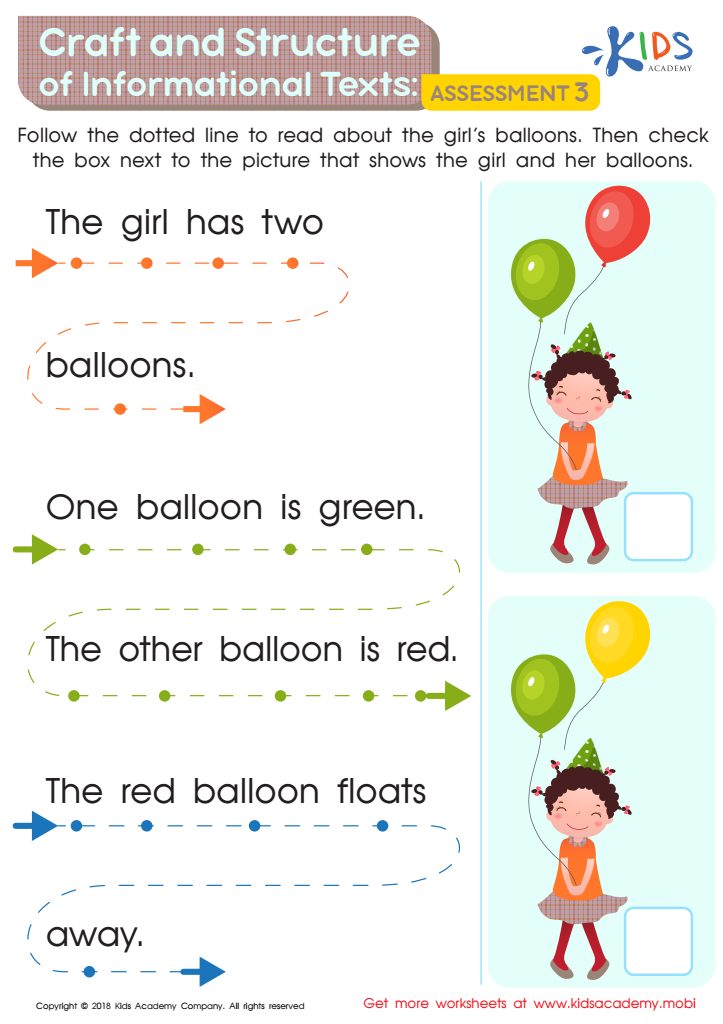
Craft and Structure of Informational Texts: Assessment 3 Worksheet
 Assign to My Students
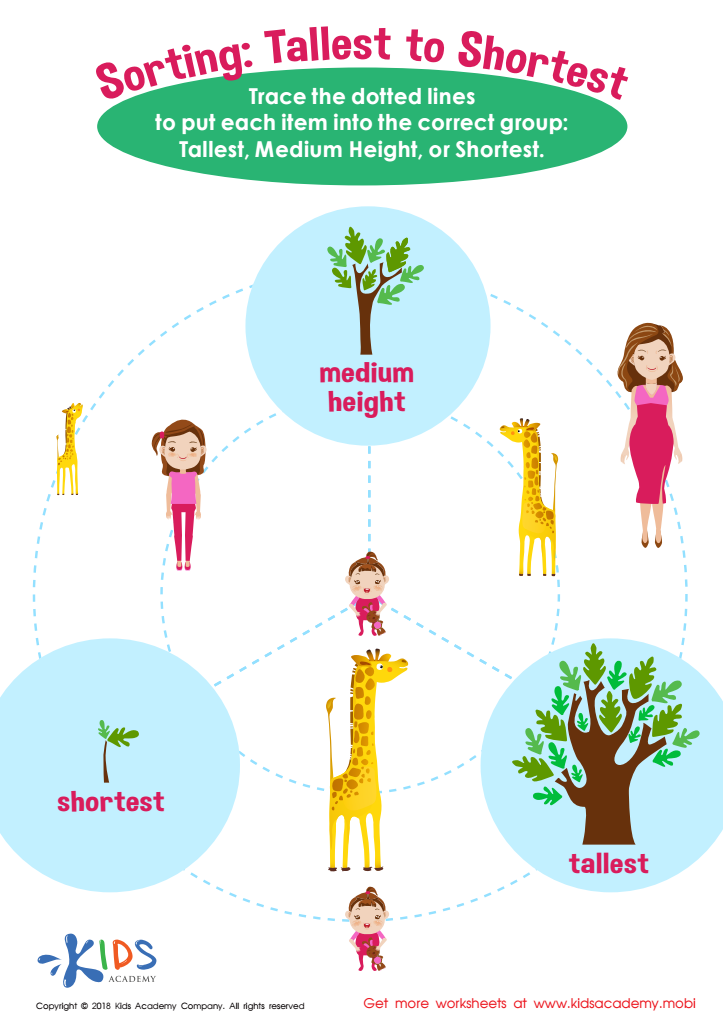
Sorting: Tallest to Shortest Worksheet
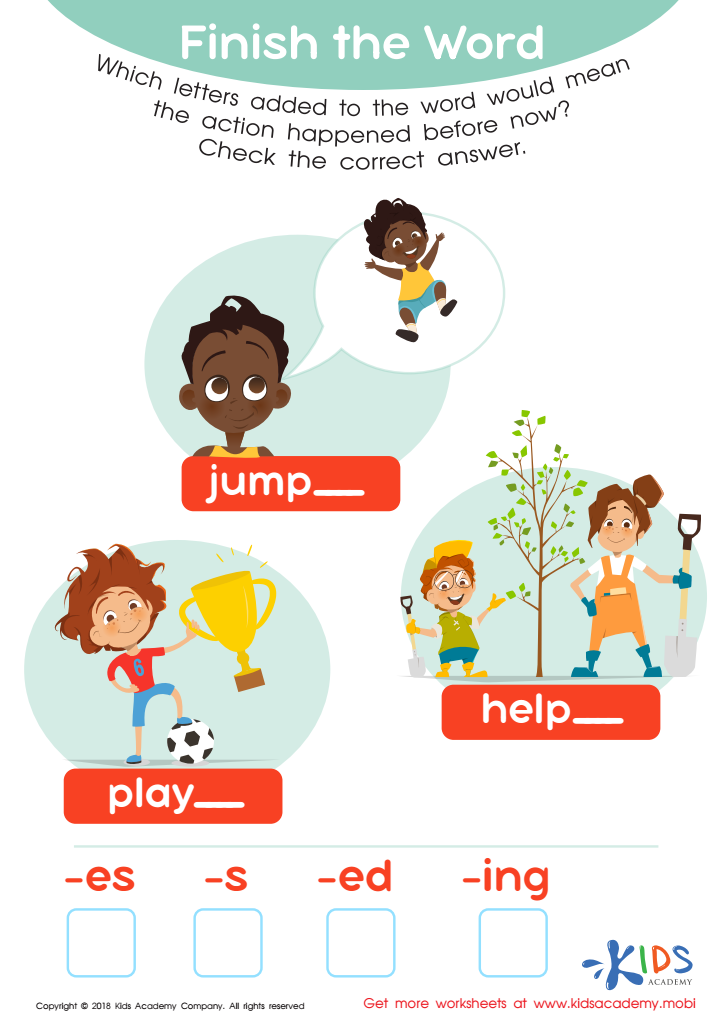
Finish the Word Worksheet
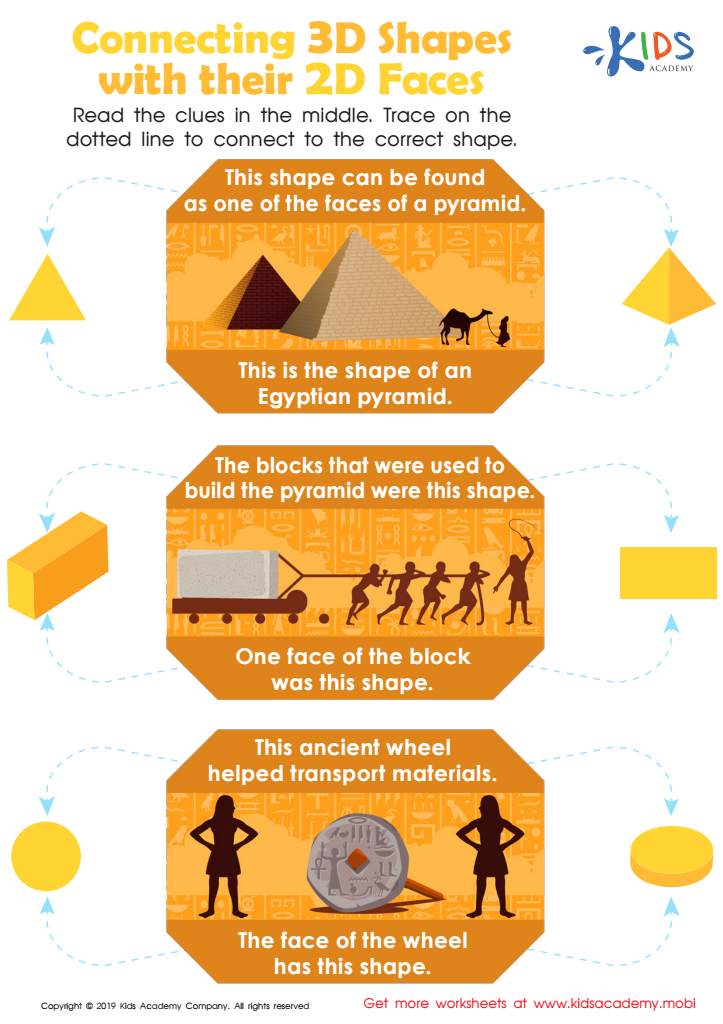
Connecting 3D Shapes with Their 2d Faces Worksheet
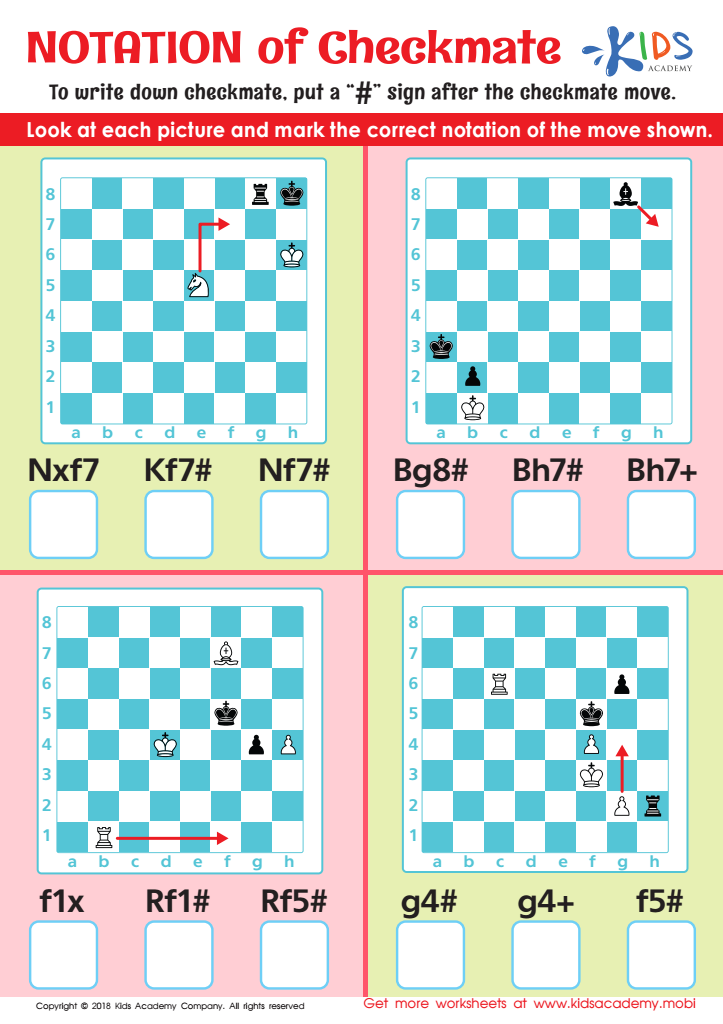
Notation of Checkmate Worksheet
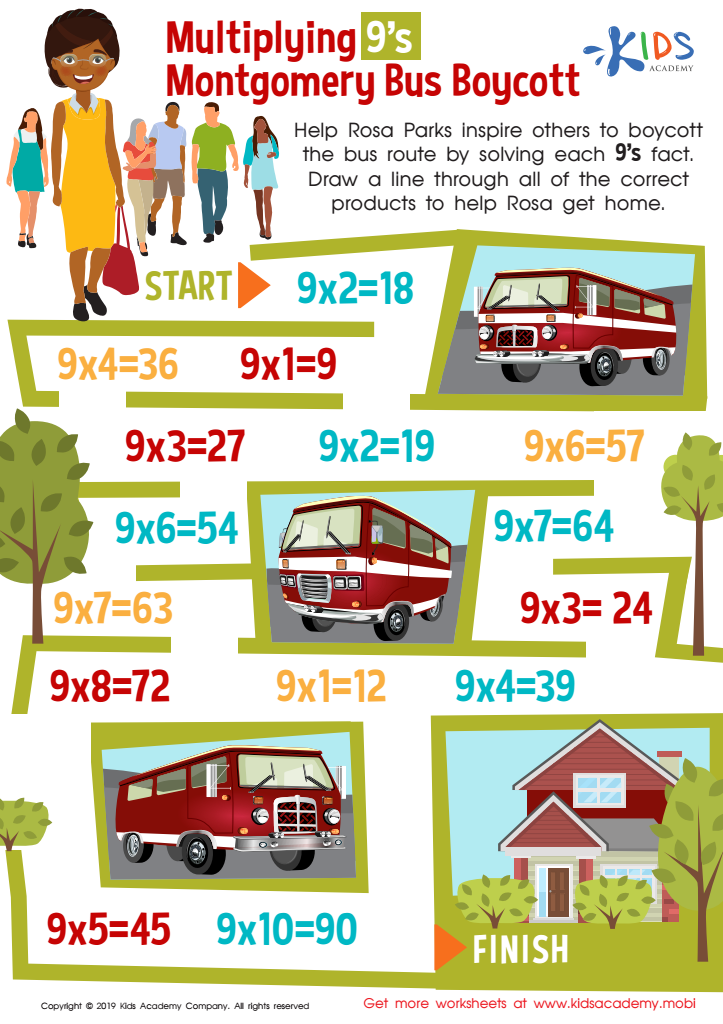
Multiplying 9’s Montgomery Bus Boycott Worksheet
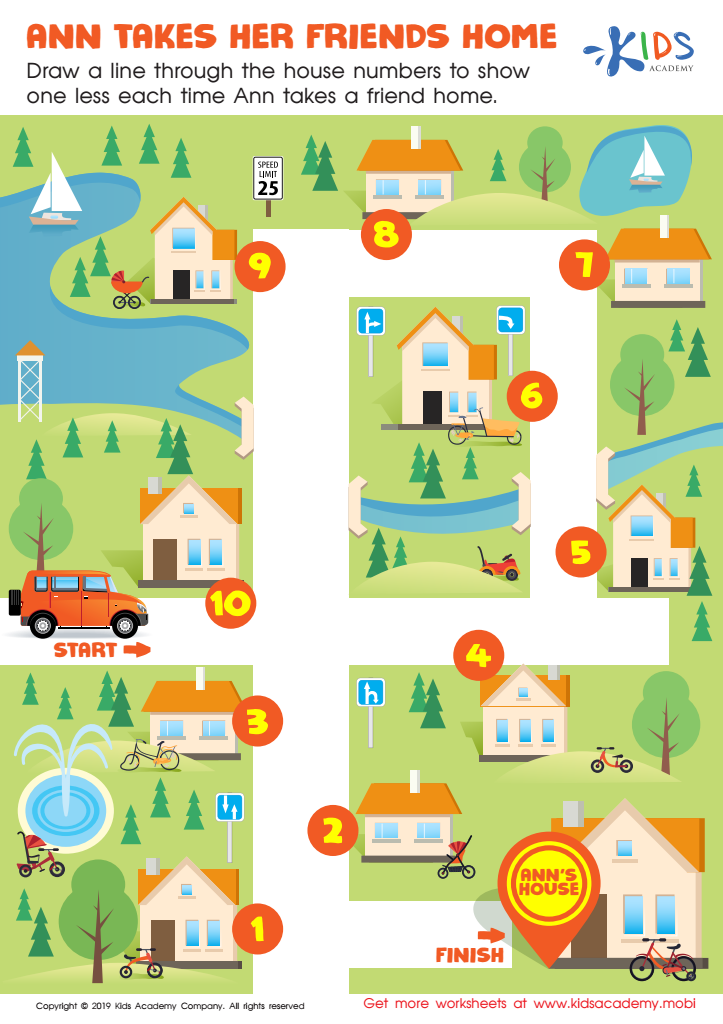
Ann Takes her Friends Home Worksheet
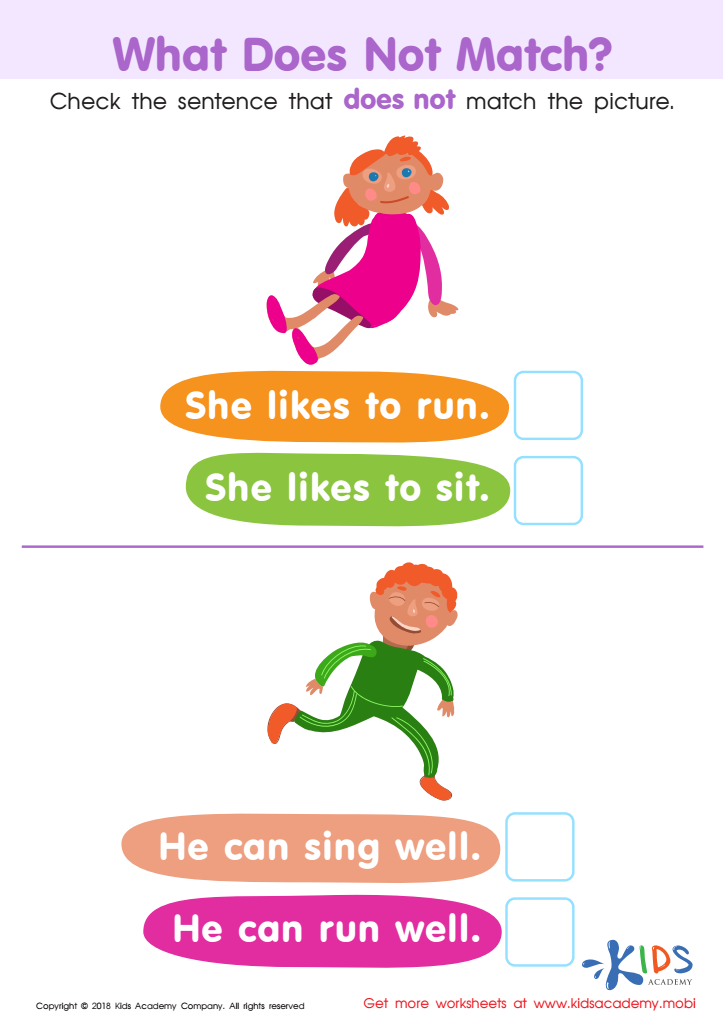
What Does Not Match? Worksheet
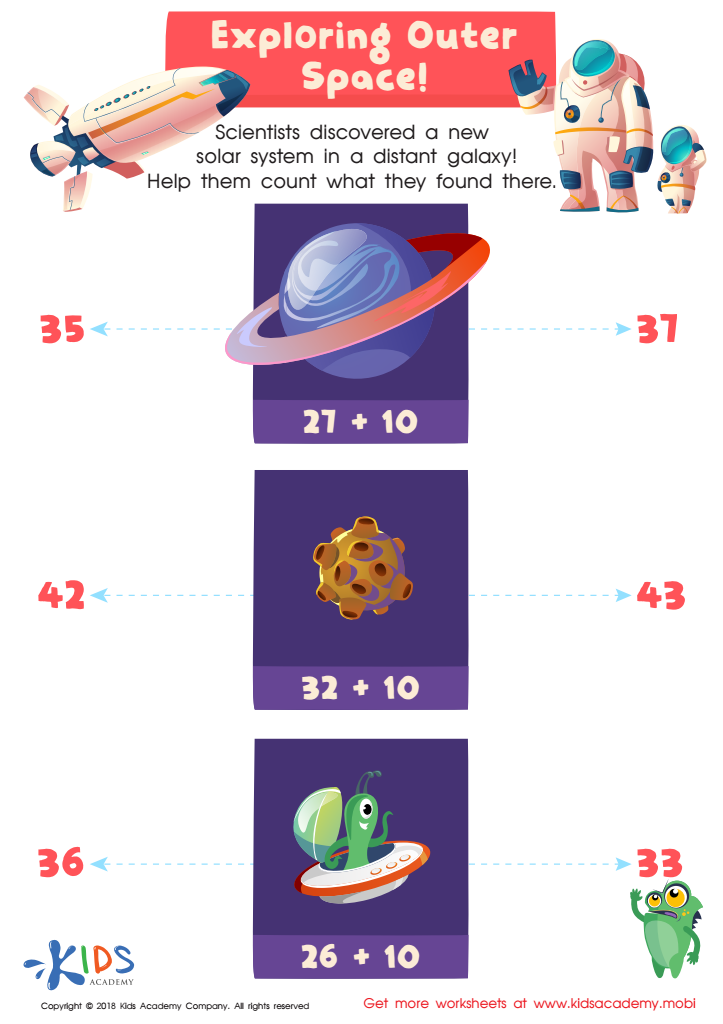
Exploring Outer Space Worksheet







Parents and teachers should be particularly attentive to children aged 6-9 because these formative years lay the foundation for lifelong learning and personal development. At this stage, kids transition from early childhood into more structured learning environments, making it crucial to provide a supportive and nurturing atmosphere that champions their curiosity and potential.
During these years, children's cognitive abilities are rapidly developing. They begin to grasp more complex concepts, improve their critical thinking skills, and expand their vocabularies. Encouraging a love for reading, problem-solving, and creative thinking during this period sets a precedent for academic success.
Furthermore, emotional and social aspects are equally crucial. Kids begin forming friendships and developing self-awareness. Positive reinforcement and guidance at this stage foster emotional intelligence, empathy, and effective communication skills. Being engaged and responsive to their needs can help build their confidence and resilience.
Physical development also continues robustly, and encouraging regular physical activities ensures balanced growth. Promoting healthy habits, like proper nutrition and exercise, can set lifelong patterns for physical well-being.
In essence, caring attentively about ages 6-9 means laying the groundwork for a child's holistic growth—cognitively, emotionally, socially, and physically—ensuring they have a strong base to build upon as they continue their educational journey and personal development.








